Arabia Interrotta. Garofalo Fellowship exhibition, presented as part of the symposium of the same name, curated and organized by Zehra Ahmed (Garofalo Fellow, 2024–25). Courtesy of UIC School of Architecture.
The School of Architecture at the University of Illinois Chicago (UIC) is now accepting applications for the “2026–27 Douglas A. Garofalo Fellowship. Named for the architect and educator Doug Garofalo (1958–2011), the nine-month visiting faculty teaching and research fellowship provides emerging designers the opportunity to teach design studio and seminar courses and conduct independent research, culminating in a public lecture at the Graham Foundation for Advanced Studies in the Fine Arts and an exhibition or public conversation at the school.
Craft & Care at IE School of Architecture & Design
This year’s lecture series CRAFT&CARE at IE School of Architecture and Design, curated by Grazielle Bruscato, invites students to reflect on how making, maintaining and repairing—across architecture, fashion and design—can be a transformative practice of attention, commitment and responsibility. The series highlights the resurgence of craft as both contemporary practices and cultural heritage, celebrating voices from across the globe, embracing diverse material traditions and design processes, and affirming care as a transversal force that fosters well-being, social cohesion and ecological sustainability.
Otto Wagner (1841–1918) is one of the internationally most influential figures of early modern architecture. Many of his buildings – for instance, the Vienna City Railway, the Postal Savings Bank and the Church at Steinhof – are now considered key works of twentieth-century architecture because they shed their historical stylistic trappings and speak instead a language appropriate to “modern life”, based on purpose, materials, and construction.
In a balance of aesthetics, performance, and versatility, HIMACS shows a solid surface material of choice for many architects and designers. Taking a further step forward, the entire range of standard HIMACS sinks and basins is now officially SCS certified, containing a minimum of 8% pre-consumer recycled content. This certification enhances the material's technical and visual appeal by providing a more sustainable option without compromising quality or functionality.
From bathroom vanities with integrated basins to kitchen islands with flush-mounted sinks, HIMACS shapes offer a seamless balance of style and function. Each component integrates effortlessly with the surrounding HIMACS surface, creating a continuous, grout-free finish that is both elegant and easy to maintain.
IE School of Architecture and Design at IE University announces the fifth edition of the IE MBArch Entrepreneurship Challenge, an international initiative inviting architects and designers to explore the intersection of design, business, and innovation within the built environment.
The annual Antepavilion commission is an initiative to develop, construct and display experimental structures offering emerging artists, makers and architects an opportunity to create new work within a complex urban environment.
This double issue covers, in 390 pages, more than a decade of work by the Barcelona studio Peris + Toral, through a selection of projects that place collective housing at the center of the contemporary architectural debate.
We, a group of ten hens (in collaboration with Outsider Magazine), are launching an architectural competition. We need a new chicken coop. Our living standard has not changed significantly for centuries: a few planks, some straw, and the simple logic of “keep it covered and closed so the fox can’t get in.” While people debate living, sustainability, structure, materials, light, and microclimate, hens remain stuck in a kind of pre-modern era—which, let’s be honest, does not reflect well on the progress of architecture for animals.
Meet the architects and designers of the future as their newest work comes together, and take a peek behind the doors of the world's #1 university for art and design.
Today, interdisciplinary learning and exchange are more important than ever in addressing increasingly complex environmental, social, and urban challenges.
Each summer, the University of California, Berkeley's College of Environmental Design (CED) becomes an intensive laboratory for architectural, landscape, and urban exploration. Through two complementary programs—Design + Innovation for Sustainable Cities (DISC) and the Summer Institutes—Berkeley offers an immersive curriculum grounded in disciplinary rigor, intentional exchange, and a shared institutional culture. Together, these programs reflect CED's long-standing multidisciplinary structure, with architecture, landscape architecture, city planning, and urban design thriving and collaborating under one roof.
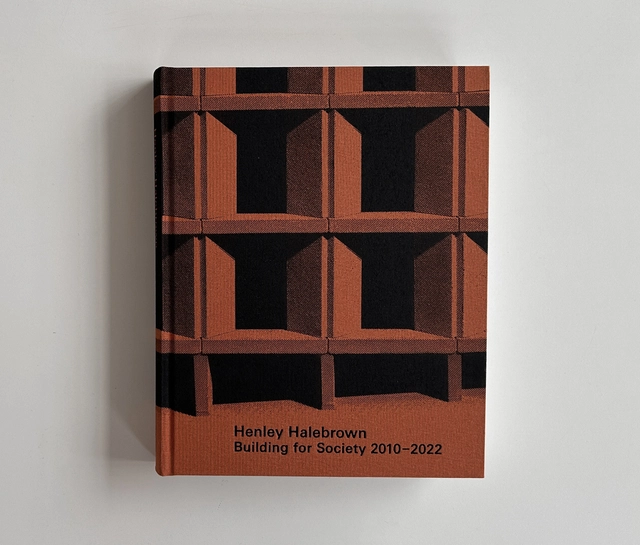
Henley Halebrown: Building for Society cover image
Lund Humphries has released Building for Society: Henley Halebrown Built 2010–2022, a new monograph reflecting on Henley Halebrown architects' recent work and ongoing commitment to an architecture that emphasises the profession's civic role as a creative and cultural act.
The ATN Summit is a bold new conference at the intersection of architecture, technology, and entrepreneurship. Taking place in London on 18–19 March 2026, the summit brings together leading architects, technologists, innovators, and AEC influencers for two days of visionary talks, hands-on workshops, and meaningful networking.
Videos
Second Prize Winner: Branch. Image Courtesy of Buildner
Buildner has announced the results of the Howard Waterfall Retreat architecture competition, an international design challenge developed in close collaboration with the Howard Family Trust. The competition invited architects and designers to propose a multi-generational family retreat set within a privately owned, forested landscape in Northwestern Pennsylvania, centered on the dramatic presence of Howard Falls and the surrounding gorge.
Rather than prescribing a singular architectural solution, the brief emphasized a careful dialogue between architecture and nature. Participants were asked to consider how a retreat could balance shared and private living, respond to steep topography and water systems, and integrate sustainably within a sensitive ecological setting. The project also called for an interpretation of family legacy, encouraging designers to acknowledge the history of the site and the original summer cottage while imagining a retreat capable of evolving across generations.
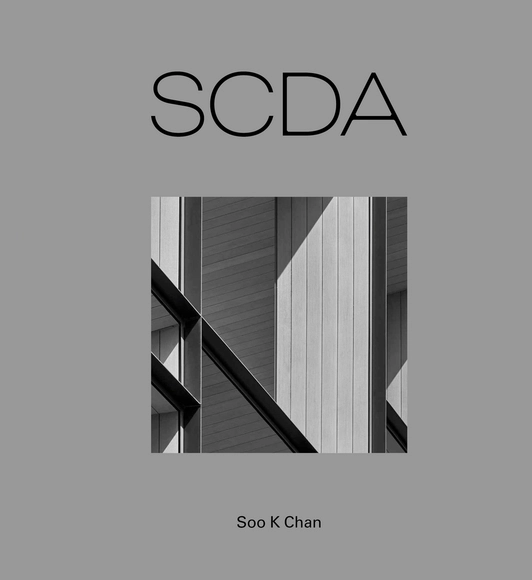
SCDA celebrates the acclaimed firm’s extensive portfolio of work across the globe—from Singapore and China to the United States. Through SCDA’s diverse array of projects, spanning mixed-use high-rises, hospitality venues, commercial and institutional developments, and residential masterpieces, the monograph showcases Soo K. Chan’s mastery of shaping unique spatial experiences that transcend conventional boundaries. At the heart of SCDA’s design ethos lies a meticulous attention to detail and a profound understanding of form, light, and scale. Whether it’s crafting inviting public landscapes or sculpting dynamic high rises, Chan’s architectural visions tell a compelling story of harmony between the built environment and its natural surroundings.
Celebrating 50 Years of Design Excellence: A Legacy of Positive Consequence showcases Trivers’ enduring commitment to creating architecture that shapes communities and leaves a lasting impact. Featuring a selection of significant projects, the book underscores the firm’s dedication to historic preservation, adaptive reuse, sustainability and innovative solutions to complex challenges. As Trivers’ first publication, it honors the firm’s history and milestones while looking ahead to a future shaped by the transformative power of design.
This third volume in the monograph series of work by Jones, Partners: Architecture picks up where the previous volume El Segundo left off. Aft er 10 years of costal habitation in El Segundo, the office has relocated near SCI-Arc in an industrial district of DTLA (Downtown Los Angeles) where Jones is teaching and many of the team members have matriculated or are studying. Alameda covers much of the work done in this location between 2007 and 2013, in 330 densely packed (but artfully designed, by Afton Klein Group) pages, including quintessential “machines” in text and building-form, as well as various esquisse interludes and over forty pages of the firm’s signature graphic design – reproduced in convenient tear-out sheets of promotional posters, competition boards, and other client presentation material. As the title suggests, the spirit of the work continues to be BOSS, but this volume also records a new and ongoing exploration of what Jones terms “hard modernism,” which is to architecture what hard cider is to apple juice. This particular work sees itself as continuing the evolution of the machines for living as mechanisms for contemporary meaning.