Eight years ago today, we began this adventure called ArchDaily México, sharing the same mission as the global ArchDaily platform: to continue providing inspiration, knowledge, and tools to architects, but through a local lens, recognizing the value that national talent has to offer to the world.
Cortesía de Facultad de Arquitectura y Diseño de la Pontificia Universidad Javeriana
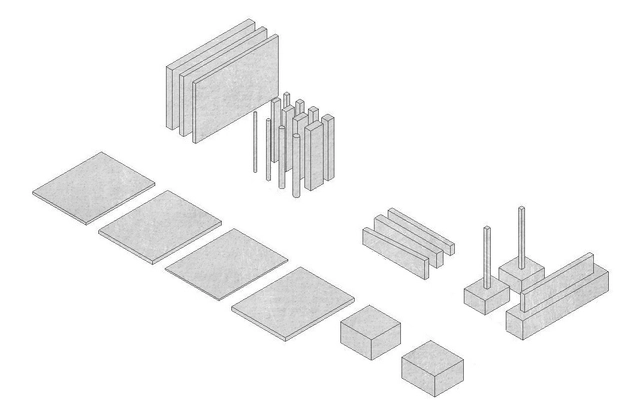
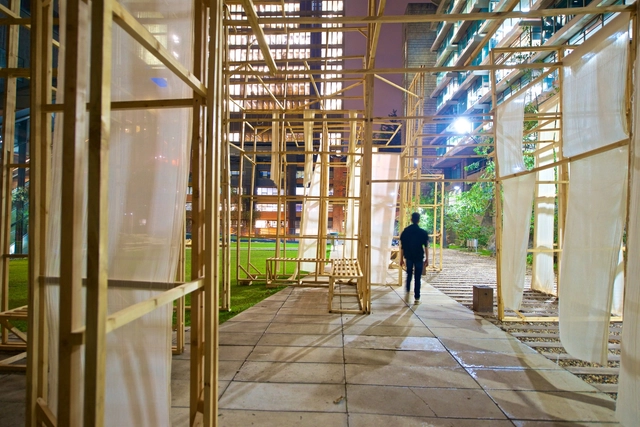
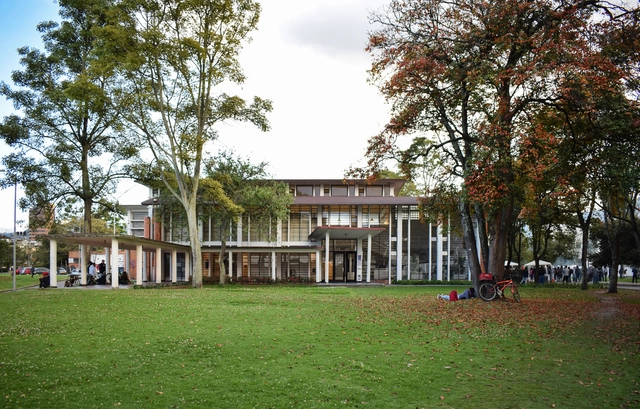
Academic architectural practice must push students and faculty toward constant adaptation and exploration. First-semester students at the Pontificia Universidad Javeriana built an intervention of ephemeral architecture using wood as a structural material in the arts building (prior to the state of emergency). This gave future architects the academic experience of hands-on construction during their very first semester in the department.
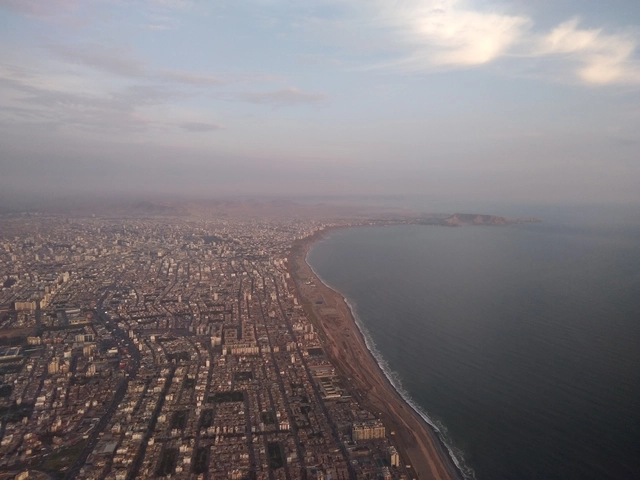
. ¿Cuándo será un gran espacio público? Costa Verde. Lima. . Image Cortesía de Humberto Viccina
After the state of emergency, nothing will return to the way it was. At that point, public and private spaces will routinely be occupied in ways that prevent transmission of a still-active virus. However, just as this situation has forced us to recognize our deficient healthcare system, it has also revealed how inadequate the spaces we inhabit often are.
In 2018, sociologist and cycling activist Marina Harkot defended her master's thesis Bicycles and Women at the University of São Paulo (USP). To develop a qualitative methodology examining the challenges faced by female cyclists in the city, she interviewed various women: those who bike to work, those who explore the city on two wheels, and those who love tackling the capital's rolling topography.
Her methodology succeeded in revealing a common thread among these diverse cyclists: “It is the network surrounding these women that seems to prompt them to start cycling and keep them riding — as well as female role models, the women (whether known to them or not) who ride and inspired them,” wrote the researcher.
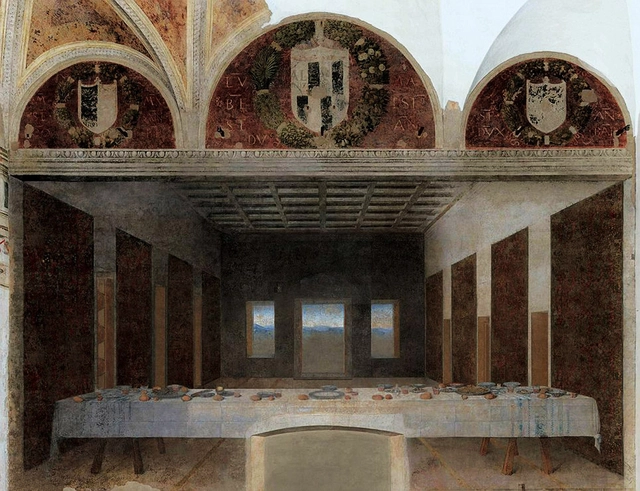
Bence Hadju 2012, "Abandoned paintings" based on "The Last Supper" by Leonardo da Vinci 1495. Image via Revista rita_
This article by Felipe Samarán Salówas originally published in the 11th issue of rita_ magazine under the title "Inhabited Renders and Deserted Architecture. The Hidden Message of Architecture Revealed by Photography" and is part of a joint dissemination collaboration. Below, we present a study on how the focus of architecture has shifted from "serving the person by addressing all their dimensions" to "generating a universe of surprising, beautiful, and photogenic forms and spaces," relegating the end-user to the background or into oblivion.
Through the book “Nuestras Arquitectas. Re-mapeo y nuevas cartografías. Buenos Aires 1”, Dr. Architect Inés Moisset and Specialist Architect Carolina Quiroga propose a critical reflection on the contributions of women to the history of Argentine architecture, aiming to develop new cartographies grounded in approaches of equity and inclusion.
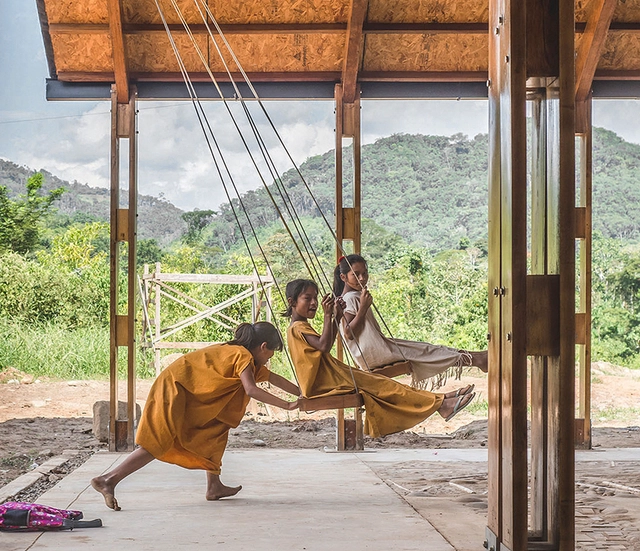
Although we typically associate their presence with playgrounds in parks, gardens, or schools, the swing or hammock—the terminology varies by region—is an element that can also function as complementary furniture in architectural projects with highly diverse programs, such as bars, restaurants, homes, and even offices and coworking spaces. These elements introduce movement and dynamism, creating interactive spaces that allow for a playful and unusual appropriation of architecture—one that fosters not only play, but also leisure and rest. Suspended by tension-bearing elements—such as cables, chains, ropes, or solid bars—and anchored to ceilings, walls, beams, or dedicated structural supports designed to prevent overloading, these elements can completely redefine an interior or semi-covered space. In doing so, they provide a stimulus for play while also offering a place for relaxation and moments of quiet contemplation.
Urban infrastructure. Photo by Denys Nevozhai, via Unsplash
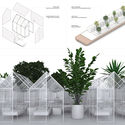
When reality demands complex and unprecedented answers from us, one of the most interesting methods to find them is biomimicry, which consists of asking nature questions in search of inspiration. In this light, it is worth asking: how does nature deal with emergency situations where an organism's behavior must be quickly modified?
https://www.archdaily.com/1123556/the-intubated-city-also-needs-healingBarão Di Sarno
The following article, written by architect Marta Devia (National University of Colombia), a member of the Advisory Committee of the Leopoldo Rother Architecture Museum, presents the biography of the namesake Polish-born, naturalized Colombian architect. From 1996 to 2004, she served as director of the museum named in honor of the architect who profoundly shaped the Colombian scene during the first half of the 20th century—an influence best exemplified by the University City (Ciudad Universitaria) of the National University of Colombia.
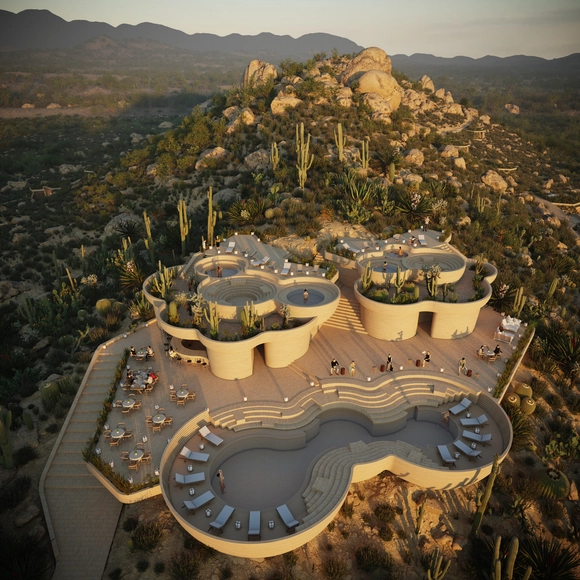
Rojkind Arquitectos + AmasA Estudio present a new project on a site named "Tres Cerritos" in Valle de Guadalupe, part of the wine route in the Francisco Zarco district of Ensenada, Baja California. The project arises from an understanding of nature's value and its historical use as a sanctuary and refuge, creating a hospitality concept that reconnects the visitor with the environment.
https://www.archdaily.com/1123562/rojkind-arquitectos-plus-amasa-estudio-present-the-ummara-project-located-in-valle-de-guadalupeArchDaily Team
Cerro Mar Maipú – Mall Plaza Axis | Archipiélago SPA
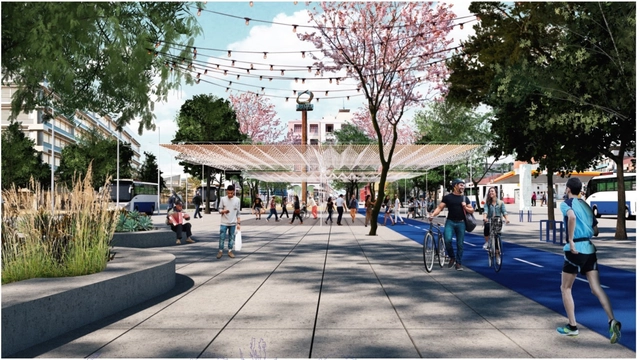
The objective of the Pedestrian Networks Ideas Competition was to boost pedestrian connectivity and improve public spaces for gathering and movement within the city of Antofagasta. Chilean architecture firms and multidisciplinary teams submitted environmentally and economically sustainable urban design projects. These proposals aimed to guarantee universal accessibility, foster coexistence between residents and different modes of transportation, and integrate amenities to make these pedestrian spaces more attractive, inclusive, and safe.
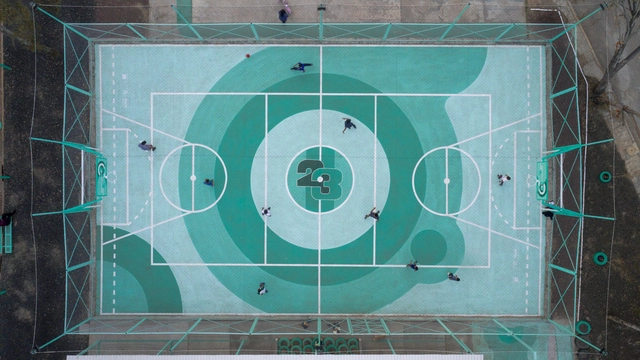
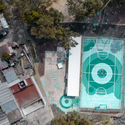
The “Xico-Parque Sur 23” project by the Mexican firm All Arquitectura grew out of the success of “Cancha La Doce,” which was developed in collaboration with love.fútbol and sponsored by the Pincus Family Foundation. Drawing on insights gained from previous projects on-site, the design and research process built upon an existing understanding of local needs and opportunities.
According to researchers, staying at home has led to a reduction in pollution levels, and this drop has saved more lives than those lost to the coronavirus. Images of pollution-free canals in Venice and animals returning to areas previously occupied by humans swept the internet, proving how our model of relentless development pressures the planet's natural resources—and how quickly nature regenerates when given the chance.
What is architecture's share of the blame for climate change?
It was with this very serious question that we decided to open the debate with our readers, and the volume of responses received was impressive. After reading and compiling the comments sent by construction industry professionals, students, and interested individuals, we concluded that architecture schools rarely discuss the physical properties and characteristics of materials, let alone their embodied energy.
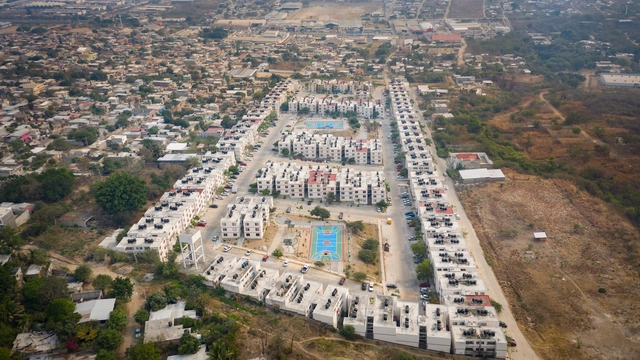
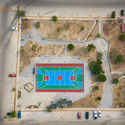
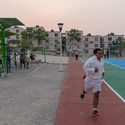
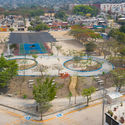
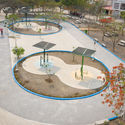
As part of an initiative by Infonavit to drive the recovery of three neighborhood parks in the city of Tuxtla Gutiérrez, Chiapas—“San Juan,” “Las Torres,” and “Canteras”—these housing developments lacked efficient infrastructure, resulting in a deteriorated urban image, high crime rates, and a complete lack of community ownership over public spaces. In response, T+E Arquitectos and Fracciona Arquitectura joined forces to transform these spaces, addressing the distinct requirements of each site.
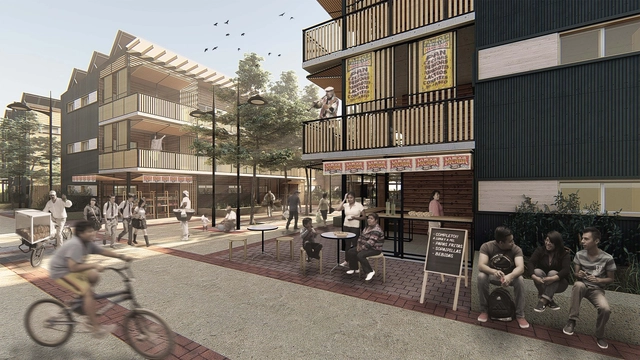
Designed and built by the team from Universidad Mayor, a sustainable social housing project featuring productive and commercial spaces was named the winner of Construye Solar 2019, the third edition of the Chilean competition organized by Ruta Solar.
https://www.archdaily.com/1123568/discover-the-winning-sustainable-social-housing-projects-of-construye-solar-2019ArchDaily Team
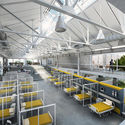
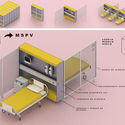
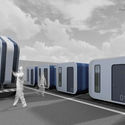
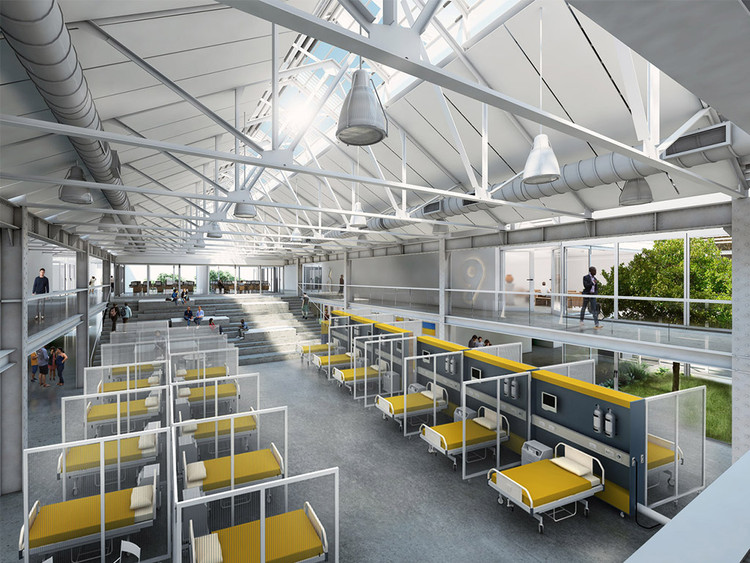
Being admitted to a hospital means entering an experience of anxiety and uncertainty. At a moment when survival is the sole objective, aesthetic attributes seem irrelevant, and analyzing the ambience of the hospital environment might feel like an untimely indulgence.
However, being in an Intensive Care Unit can be even more distressing if patients lack a window to show whether it is day or night. Or when, during the initial diagnostic triage, one must navigate narrow corridors and a succession of closed rooms for first contact with on-duty doctors and nurses—a true labyrinth.
The following article proposes rethinking architecture from object to subject. Carlos Medellín and María Victoria Londoño delve into the subject, questioning Vitruvian principles and the adaptability of the architectural object to its various uses through the example of the Metro Riviera Theater / Theatron in Bogotá.
https://www.archdaily.com/1123584/theatron-spaces-that-learn-in-colombiaCarlos Medellín y María Victoria Londoño
Having lost their sense of purpose, cities are searching for new meanings. Today we rely on digital social networks to access common goods like culture, leisure, and meaningful encounters—but how can we leverage technology to enable the right to the city during a pandemic? We are witnessing a global slowdown in urban development: the emptying of cities in India, the urban exodus in France, and a return to smaller towns and rural areas where there is lower population density and a higher quality of life. What is the city if not the promise of access to the commons it offers?
Podcasts are a relatively recent medium in Brazil, but they are on the rise and growing rapidly in popularity. A survey by the Deezer platform showed that podcast consumption in Brazil grew by 67% in 2019. Far from a passing fad, this format is being used for entertainment, information, and even as a pedagogical resource for educators.
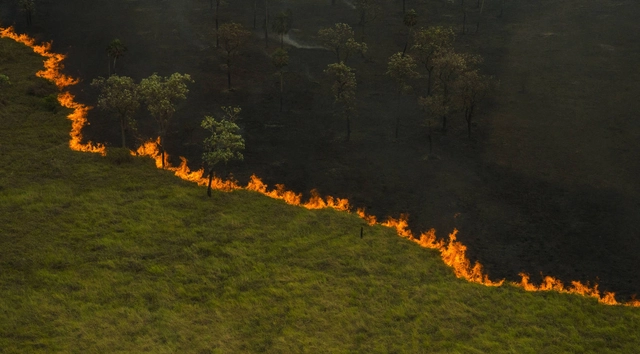
Among the wide variety of topics available, many shows have fostered debates about the environment, especially regarding the Amazon—considered one of humanity's most valuable natural heritages and the largest natural reserve on the planet.
BIM, the acronym for Building Information Modeling, utilizes information-rich 3D models to create the built environment and extract the data necessary for the documentation and construction of architectural projects. This is achieved by modeling various components—such as doors, windows, columns, and walls—which together make up an architectural project. Materials, however, are not 3D components in BIM; instead, they are part of the composition of these components. In this article, we will look at how materials behave in BIM, using the products offered by Melón Hormigones as an example.
Any 3D component created in Revit can have a Material parameter. Whether configured in the project or within the specific family, this material contains a series of default, customizable, and modifiable settings to provide technical and graphic data, as well as physical properties, to the 3D component.
Peripheria Films shares a documentary that explores "the exploitation of territory, the private occupation of public space, the representation and construction of identity through postcards and souvenirs, the conversion of architectural heritage into a product and the city into a brand, and the touristification of historic centers."
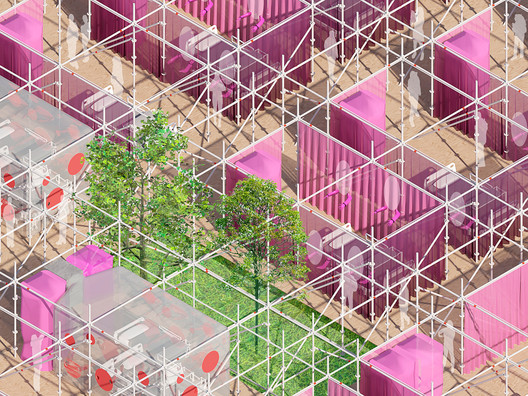
Seeking to gather ideas and reflections from professionals, students, and collaborators amidst the local and global health emergency, the Colegio de Arquitectos de la Provincia de Santa Fe has called upon architects to collectively contribute ideas to address the current issues associated with the spread of COVID-19. As such, the open call serves as an impetus to create a space for design development fueled by disciplinary thinking, aiming to offer responses to the ongoing health crisis while reclaiming and rethinking the role of architects in society.




.jpg?1589050248)










.jpg?1600432189 "© Shutterstock")