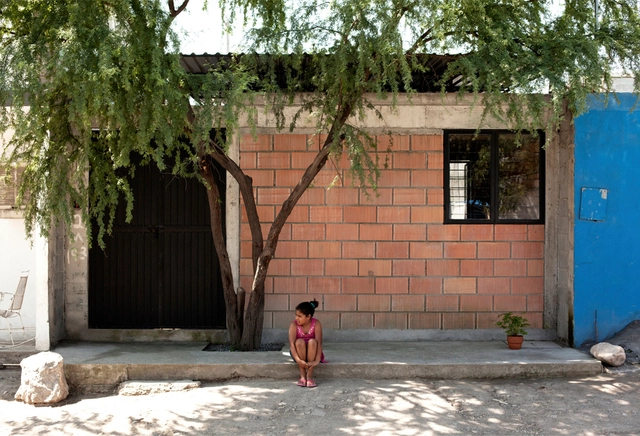
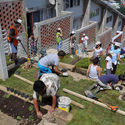
Continuing our series of articles by Nikos A. Salingaros, David Brain, Andrés M. Duany, Michael W. Mehaffy, and Ernesto Philibert-Petit on the study of social housing in Latin America, we now present practical suggestions for implementing projects that address new solutions for the future of social housing. Read all the previous publications and the new article below.
https://www.archdaily.com/1120627/practical-advice-for-the-future-of-social-housing-in-latin-americaNikos A. Salingaros, David Brain, Andrés M. Duany, Michael W. Mehaffy & Ernesto Philibert-Petit
On October 19 and 20, more than 100 sites of high architectural, engineering, environmental, urban, social, or cultural value will open their doors for free during the third edition of the OH! Stgo event.
This edition focuses on fostering connections between people and the natural environment. To this end, we present 9 of the 26 island hills that surround the city for you to visit.
Santiago is one of the cities in the world with the best access to the mountains and associated sports. Integrating these natural environments as public spaces would result in an increase in green areas per person, potentially addressing the current deficit of 3.7 m2 and reaching at least the 9 m2 recommended by the World Health Organization, according to OH! STGO.
via Flickr user: icelight Licensed under CC BY 2.0
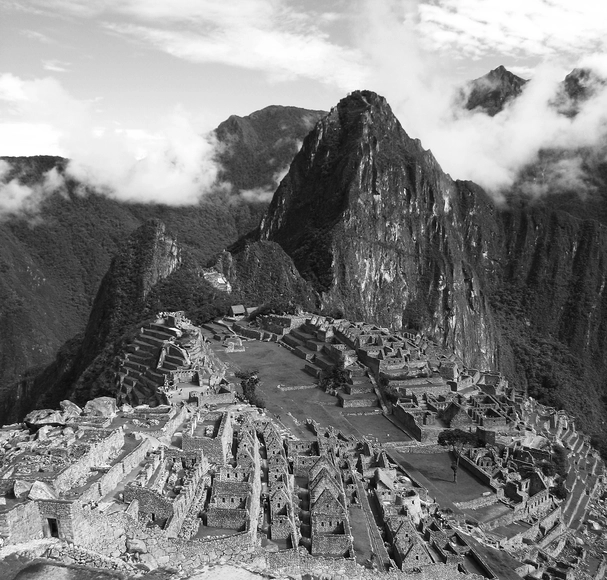
Media outlets and social networks have been abuzz with controversy surrounding the Chinchero Airport project, a new international air terminal in Peru. The project aims to replace the current Alejandro Velasco Astete International Airport in downtown Cusco and improve direct connections to nearby destinations, most notably Machu Picchu.
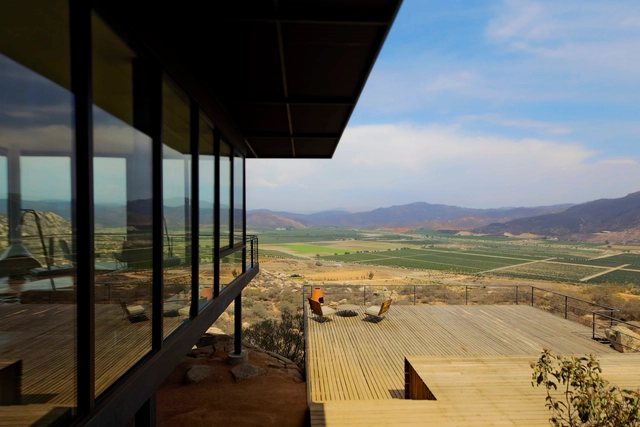
Valle de Guadalupe is a region in the state of Baja California, Mexico, with a climate ranging from arid to Mediterranean, which has allowed it to become one of the country's most important wine-producing areas. In recent years, however, it has been threatened by overtourism and real estate speculation.
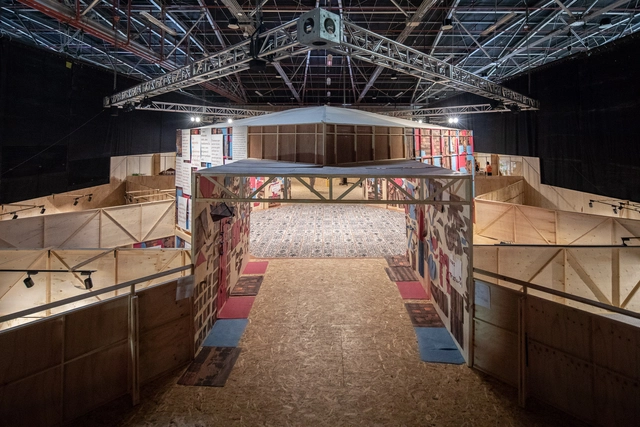
The armed conflict in Colombia has left a mark through the experience of every Colombian—each one unique, none more or less significant than the other. The National Museum of Historical Memory commissioned Antonio Yemail and an interdisciplinary team to physically manifest its narrative through the impact on land, water, and the body.
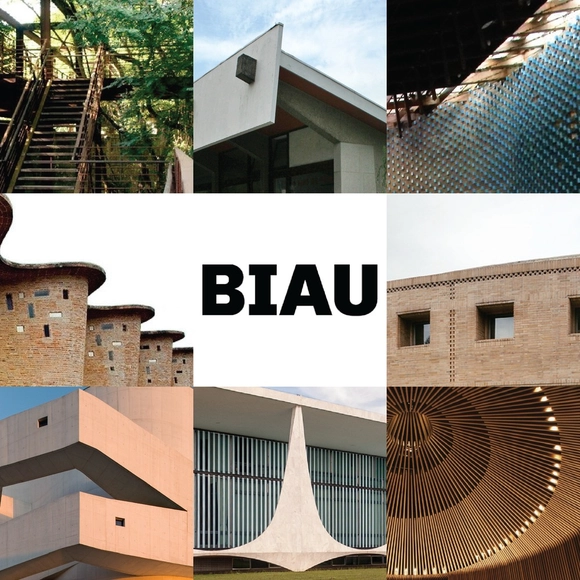
In each edition of the Ibero-American Biennial of Architecture and Urbanism (BIAU), the event honors masters of Ibero-American architecture with the Ibero-American Architecture and Urbanism Prize.
The Ibero-American Architecture and Urbanism Prize recognizes work "directly related to architecture and/or urbanism, highlighting its aesthetic, functional, technical, social, economic, and environmental aspects. This may include built work, planning, heritage conservation and restoration, knowledge production, or social commitment," as outlined in the competition guidelines.
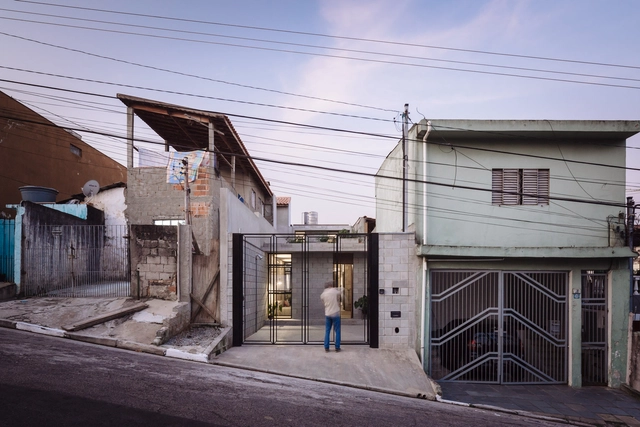
Vila Matilde House / Terra e Tuma Arquitetos Associados. Image
Continuing our series on social housing in Latin America, Nikos A. Salingaros, David Brain, Andrés M. Duany, Michael W. Mehaffy, and Ernesto Philibert-Petit present a reflection on the unrealistic image people have of a desirable home and the importance of taking their aspirations seriously. Read the previous installments and this new article below.
https://www.archdaily.com/1120941/social-housing-in-latin-america-urbanism-as-liberation-from-the-unrealistic-image-of-the-desirable-homeNikos A. Salingaros, David Brain, Andrés M. Duany, Michael W. Mehaffy & Ernesto Philibert-Petit
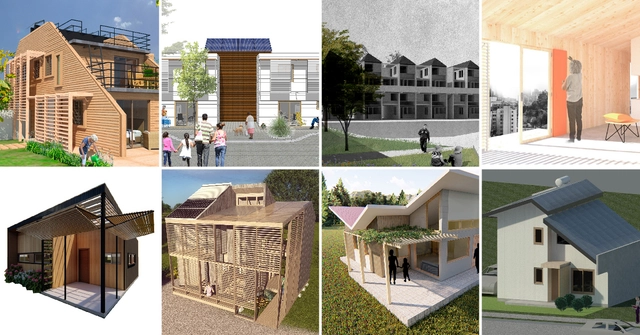
Construye Solar 2019 will exhibit eight sustainable social housing units in Santiago, designed and built by universities from across Chile. The initiative, according to the organizers, aims to "spark innovation in social housing construction, addressing the inherent challenges of pursuing sustainable innovation on a limited budget."
https://www.archdaily.com/1120893/university-teams-from-construye-solar-2019-showcase-their-innovationsArchDaily Team
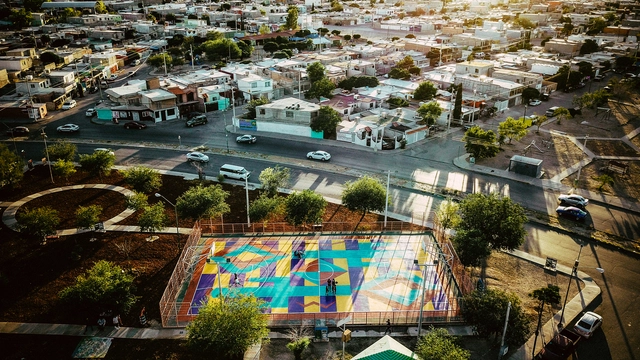
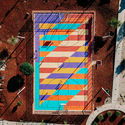
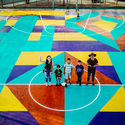
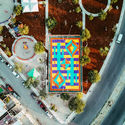
In 2014, a group of friends from Ciudad Juárez, Chihuahua, eager to contribute to their city's resilience and recovery, came together to discuss and pitch ideas for reclaiming streets, squares, and parks through sociocultural projects and urban interventions in public spaces. This gave rise to Nómada Laboratorio Urbano. Ciudad Juárez is an industrial city located on the northern border with the United States, directly adjacent to El Paso, Texas. Over the years, Juárez's economy has been dominated by the "maquiladora" manufacturing industry, and the city was once considered one of the most violent in the world due to a wave of crime between 2008 and 2012.
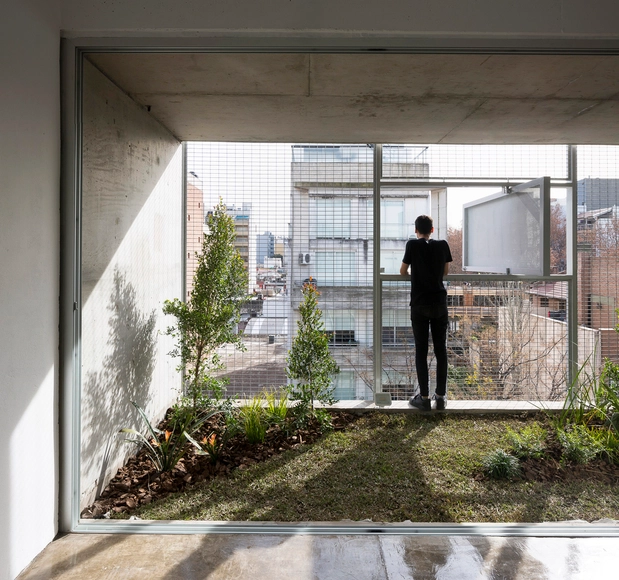
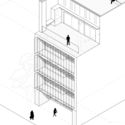
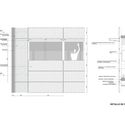
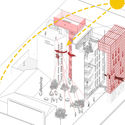
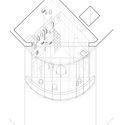
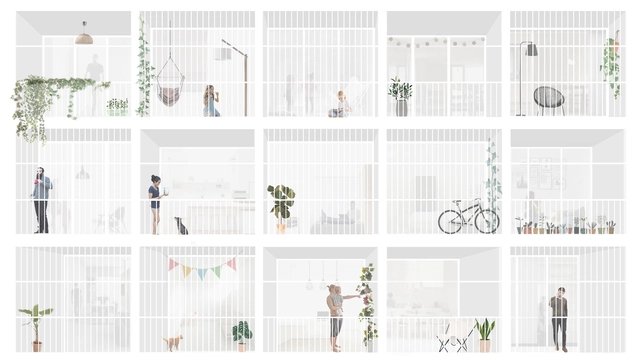
Siting a building in a city is no easy task. The quest for isolation and privacy within a complex, heterogeneous, and constantly changing urban space creates a dual condition during the design process. How can an urban building offer privacy and openness at the same time? Consequently, there arises a need for various control mechanisms to mediate between exterior and interior spaces, filtering sound, screening views, managing intimacy, and ensuring anonymity without losing the connection to the city.
The new and growing demands for change driven by urban population growth mean that, when designing, we face a highly heterogeneous and constantly transforming fabric. Increased urban density directly impacts the open space available for new, standalone construction, leading to a juxtaposition of buildings where the simultaneity and coexistence of individual pursuits result in a varied fabric.
Ecuadorian firm URLO Studio has been selected as the winner of the ideas competition for the southern articulating axis of Quito, a contest aimed at urban renewal in the Ecuadorian capital through the development of micro-centralities along the 13-kilometer tourist route.
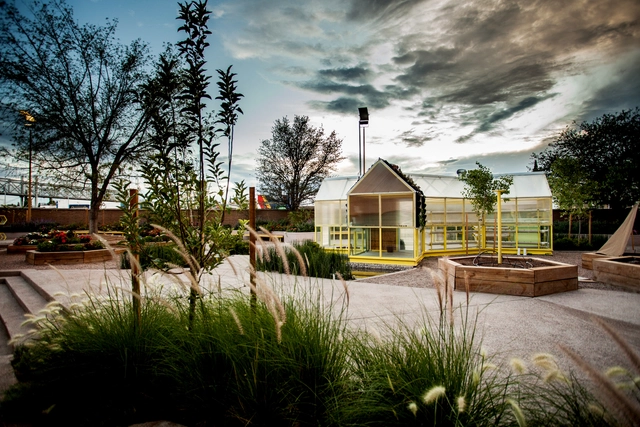
The Urban Agriculture Laboratory is designed by Transversal / Arquitectura Paisaje Urbanismo, located at the Semilla Museum in Chihuahua, Mexico. This project is the result of a civic initiative that combines landscape, architectural, and exhibition design elements centered around urban agriculture, permaculture, and the observation of natural phenomena. In doing so, it redefines the traditional "white box" exhibition space, transforming it into a hands-on pedagogical space, civic gathering point, and laboratory.
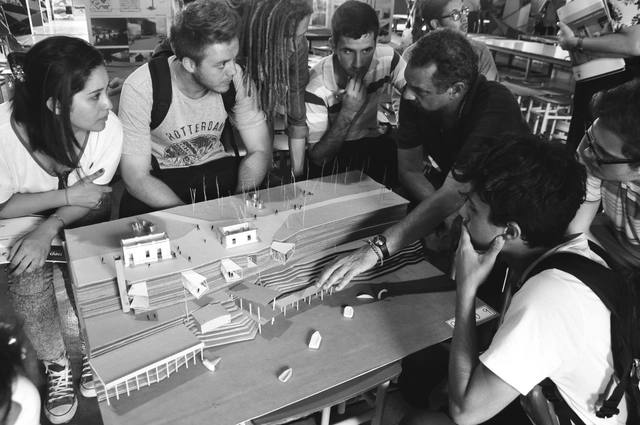
In this installment, Nikos A. Salingaros, David Brain, Andrés M. Duany, Michael W. Mehaffy, and Ernesto Philibert-Petit present a new article in their series on the study of social housing in Latin America. Here, they share recommendations on how to work with future residents, based on extensive experience in practical projects. Read the previous posts and the new article below.
https://www.archdaily.com/1120884/tools-for-efficient-social-housing-design-in-latin-americaNikos A. Salingaros, David Brain, Andrés M. Duany, Michael W. Mehaffy & Ernesto Philibert-Petit
Key strategies for facing a studio presentation or exam in the first years of architecture school. Image via Facultad de Arquitectura, Planeamiento y Diseño UNR
Quacquarelli Symonds (QS) presented the 2019 edition of its annual ranking of the world's best universities in the field of architecture, in which UCL (University College London) dethroned the Massachusetts Institute of Technology (MIT) in the United States, which had led the list for four consecutive years.
Within the Ibero-American region, the list has not changed significantly compared to 2018: Spain maintains a strong presence, while Chile leads Latin America. Discover the top-ranked institutions below!
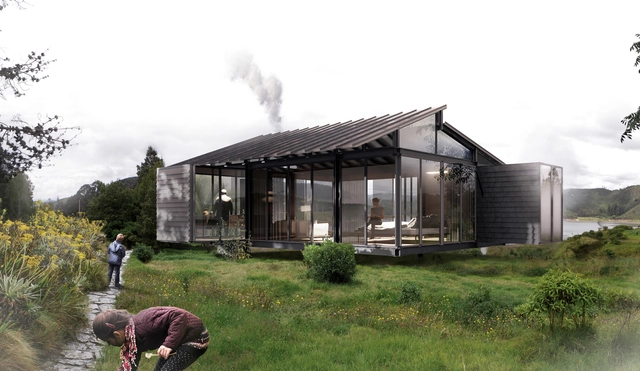
Presented at the recent edition of the Feria del Diseño 2019 in Medellín, Iku Hábitat is a modular architectural construction system developed in Colombia that aims to streamline construction processes using designed and prefabricated components assembled with screws.
https://www.archdaily.com/1120967/iku-habitat-a-modular-home-in-colombia-assembled-with-screwsArchDaily Team
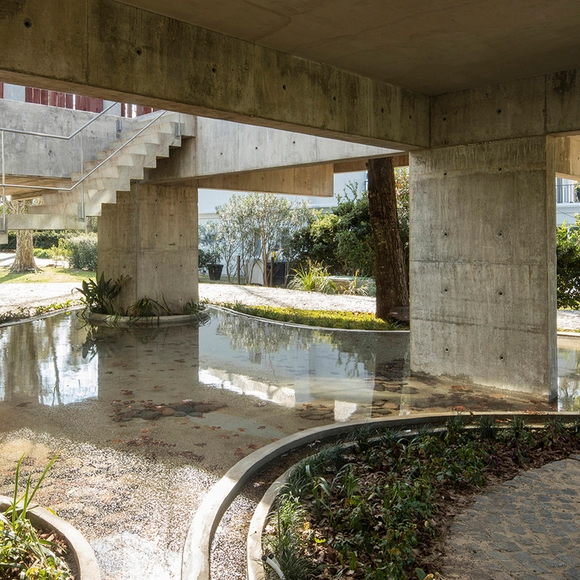
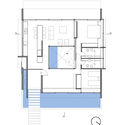
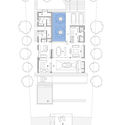
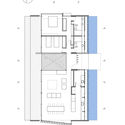
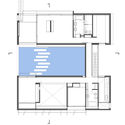
Ponds and reflecting pools are frequently used in architectural projects. These features significantly improve the thermal comfort parameters of buildings, acting as environmental regulators. Beyond their technical benefits, they serve as elements of aesthetic interest, creating spatial situations with shifting atmospheres influenced by the effects of light hitting the moving water surface.
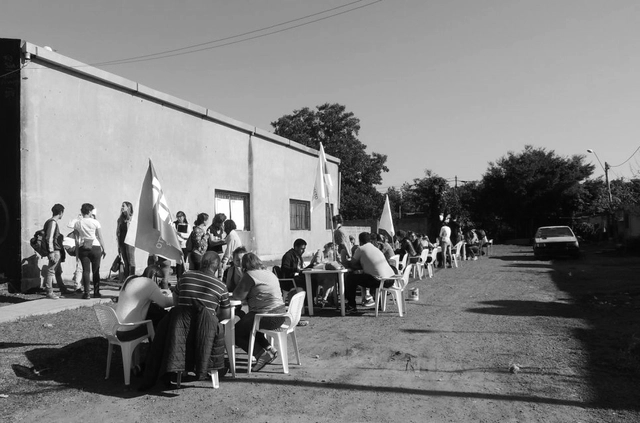
On this occasion, Camila Costa Curta shares her experience with the Proyecto Habitar (PH) collective alongside Julian Salvarredy and Clara Mansueto, addressing the housing crisis in the metropolitan area of Buenos Aires and the teaching and learning processes in contexts of inequality through the 'Primary Habitat Care Clinics' project. Read the full story below.
https://www.archdaily.com/1120989/primary-habitat-care-clinics-a-politico-pedagogical-experience-in-a-social-housing-complex-in-buenos-airesCamila Costa Curta
Ilustración 6. Incorporación de vegetación para minimizar los efectos de islas de calor. Image Cortesía de Universidad de Cuenca
The following analysis was developed within the research project “Sustainable and Safe Building Certification,” funded by the Research Directorate of the University of Cuenca and led by Dr. Felipe Quesada Molina. This research addresses the sustainability assessment of residential buildings in the city of Cuenca.
https://www.archdaily.com/1120986/strategies-for-the-sustainable-and-safe-building-certification-of-the-city-of-cuenca-ecuadorArchDaily Team
André Gorz wrote in 1974: «Ecology is like universal suffrage and the Sunday day of rest: at first, all the bourgeois and all the proponents of order tell you that you want their ruin, and the triumph of anarchy and obscurantism. Then, when circumstances and popular pressure become irresistible, they grant you what they denied you yesterday and, fundamentally, nothing changes».
To showcase the valuable output of Argentine universities, for the third consecutive year we launched an open call inviting our Argentine readers to submit their final thesis projects, sharing the work that launched their careers as newly minted architects.
After receiving more than 60 submissions from various Argentine architecture schools and cities, our editorial team selected nine projects, focusing on those that demonstrated critical thinking toward contemporary issues, formal resolution, and representation. The selection not only recognizes those projects that delivered the best possible architecture through simple design suited to their context, program, and users, but also highlights those showing a strong commitment to human scale, mediation, transition, and new ways of approaching urban architecture. This edition's jury was composed of Fabian Dejtiar, Managing Editor of ArchDaily en Español; Mónica Arellano, Editor of ArchDaily México; and Delia Bayona, Editor of ArchDaily Perú.
Read on to explore the selected projects in detail.
This chapter of the article series by Nikos A. Salingaros, David Brain, Andrés M. Duany, Michael W. Mehaffy, and Ernesto Philibert-Petit—which examines social housing in Latin America—presents recommendations for the sequence of actions required to generate housing in both rural and urban contexts. Review the previous installments and the new article below.
https://www.archdaily.com/1120741/22-steps-to-develop-social-housing-in-rural-or-urban-areasNikos A. Salingaros, David Brain, Andrés M. Duany, Michael W. Mehaffy & Ernesto Philibert-Petit
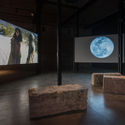
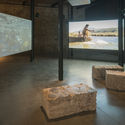
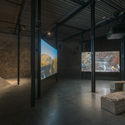
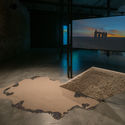
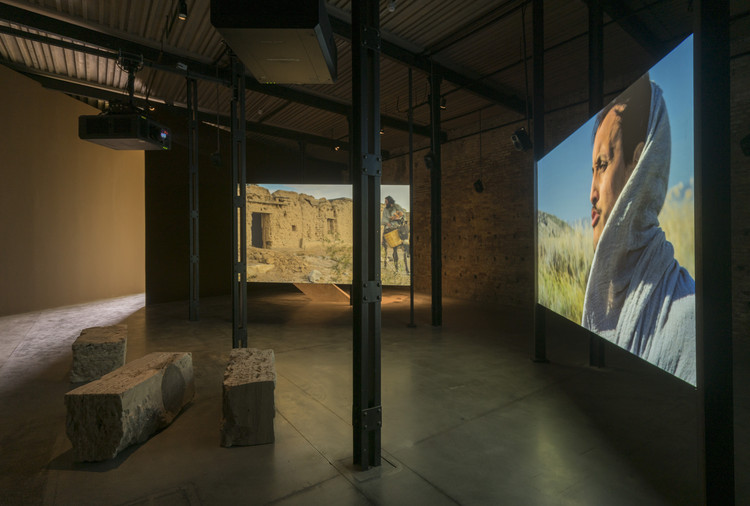
The International Art Exhibition of the Venice Biennale opened its 58th edition on May 11, 2019, at the Sale d'Armi in the Arsenale in Venice, and will run through November 24. At this world-renowned event, Mexico presented its contribution to the national pavilions with Acts of God by artist Pablo Vargas Lugo. Curated by Magalí Arriola, the project seeks to establish a dialogue with the curatorial concept of the Biennale Arte 2019, May You Live in Interesting Times, to examine how we value our actions, the connections we establish between the natural world and geological time, and to question the origins of our moral choices and inherited values, such as the idea of redemption.