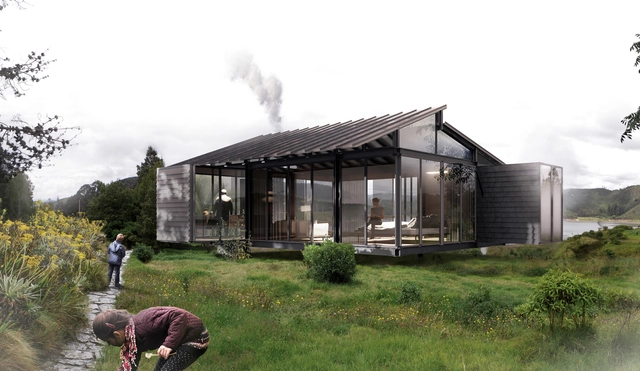
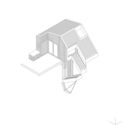
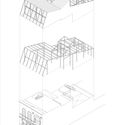
Developed by Tecno Fast and designed as part of a collaborative, sustainable tourist accommodation community, the Tiny Cabins designed by Chilean architects Mathias Klotz and Felipe Assadi measure 24.5 square meters and weigh approximately 5 tons, incorporating at least one bedroom, a kitchen, a bathroom, and storage space.
The cabin designed by Felipe Assadi sleeps up to four people and centers its layout on the bedroom, positioning the bed to face a large picture window, while incorporating two nautical-style bunk beds and a rooftop deck. Mathias Klotz's cabin is designed for three people, prioritizing the living room and connecting it with both the kitchen and the outdoors.
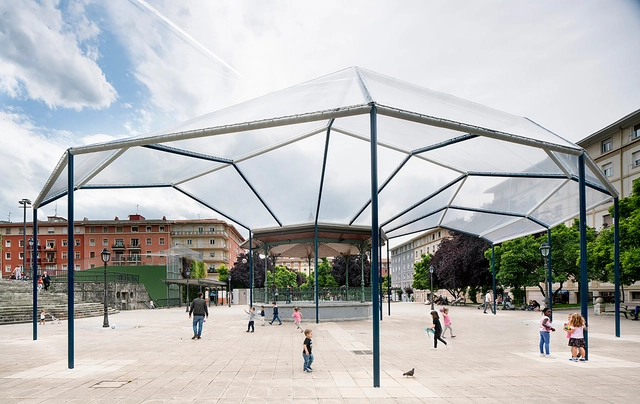
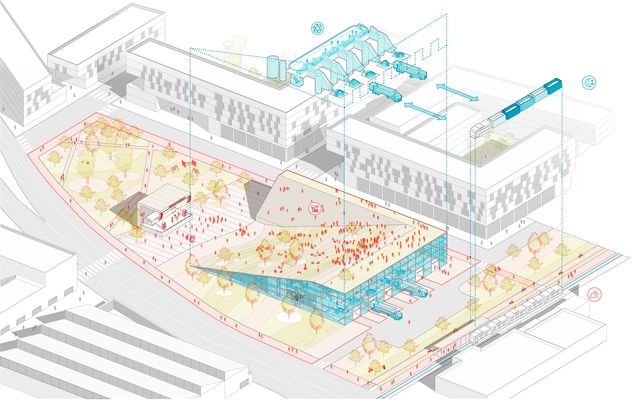
Located in the historic neighborhood of San Ignacio in the city of Bilbao, Spain, Levante Square is a prominent gathering point for residents and visitors alike. To address the lack of covered spaces protecting from the heavy rain, Spanish architecture office CANOBARDIN has designed a solution for users: a concentric structure titled "A Piece of Sky in Levante Square" that allows people to inhabit the public space and find shelter without losing touch with their surroundings, acting as a piece of the sky by day and a reflection of the square by night.
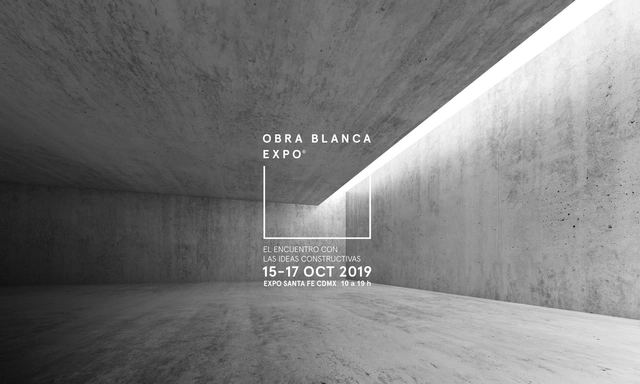
Designed to meet the construction sector's growing demand for finishes, Obra Blanca is a new event launched as a meeting point for professionals looking to showcase their products and those seeking to compare various finishing options. As a specialized exhibition, it focuses on the visitor experience and the professionalization of an increasingly comprehensive and sophisticated industry.
The armed conflict in Colombia has left a mark through the experience of every Colombian—each one unique, none more or less significant than the other. The National Museum of Historical Memory commissioned Antonio Yemail and an interdisciplinary team to physically manifest its narrative through the impact on land, water, and the body.
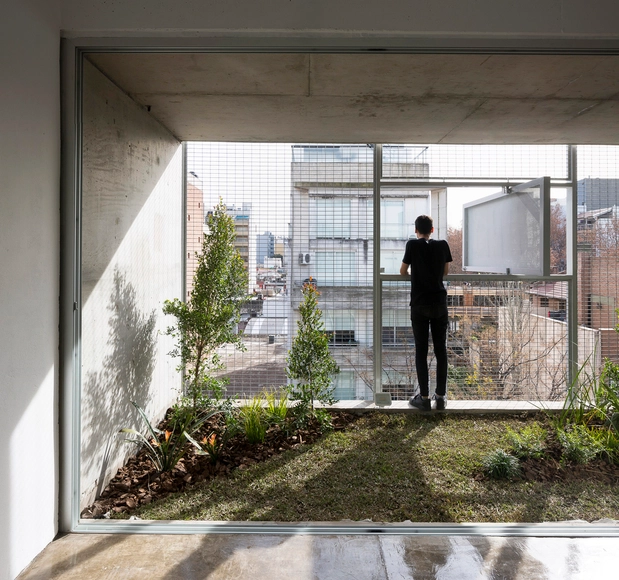
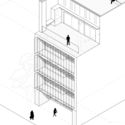
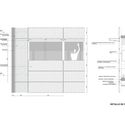
Siting a building in a city is no easy task. The quest for isolation and privacy within a complex, heterogeneous, and constantly changing urban space creates a dual condition during the design process. How can an urban building offer privacy and openness at the same time? Consequently, there arises a need for various control mechanisms to mediate between exterior and interior spaces, filtering sound, screening views, managing intimacy, and ensuring anonymity without losing the connection to the city.
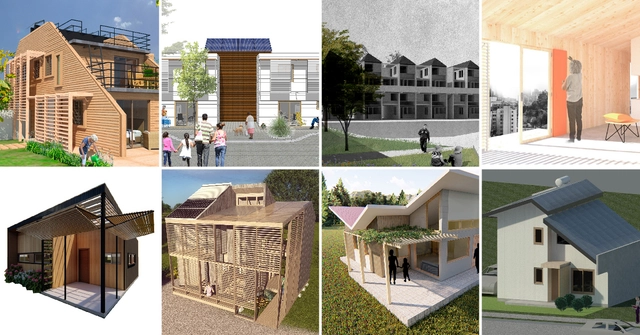
Construye Solar 2019 will exhibit eight sustainable social housing units in Santiago, designed and built by universities from across Chile. The initiative, according to the organizers, aims to "spark innovation in social housing construction, addressing the inherent challenges of pursuing sustainable innovation on a limited budget."
https://www.archdaily.com/1120893/university-teams-from-construye-solar-2019-showcase-their-innovationsArchDaily Team
Ecuadorian firm URLO Studio has been selected as the winner of the ideas competition for the southern articulating axis of Quito, a contest aimed at urban renewal in the Ecuadorian capital through the development of micro-centralities along the 13-kilometer tourist route.
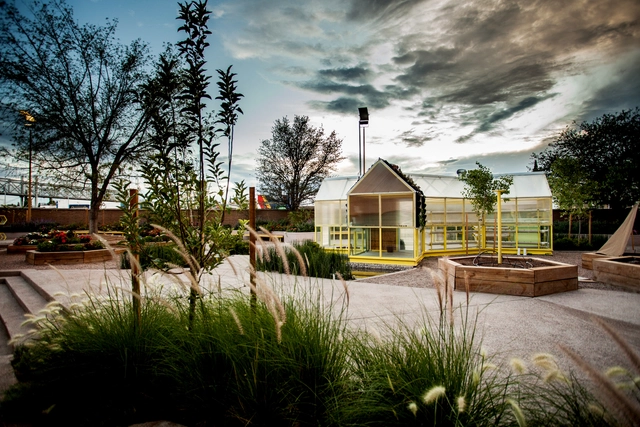
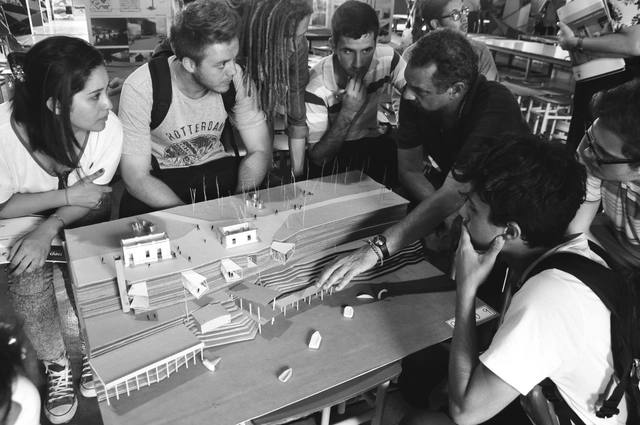
The Urban Agriculture Laboratory is designed by Transversal / Arquitectura Paisaje Urbanismo, located at the Semilla Museum in Chihuahua, Mexico. This project is the result of a civic initiative that combines landscape, architectural, and exhibition design elements centered around urban agriculture, permaculture, and the observation of natural phenomena. In doing so, it redefines the traditional "white box" exhibition space, transforming it into a hands-on pedagogical space, civic gathering point, and laboratory.
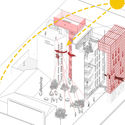
The new and growing demands for change driven by urban population growth mean that, when designing, we face a highly heterogeneous and constantly transforming fabric. Increased urban density directly impacts the open space available for new, standalone construction, leading to a juxtaposition of buildings where the simultaneity and coexistence of individual pursuits result in a varied fabric.
Key strategies for facing a studio presentation or exam in the first years of architecture school. Image via Facultad de Arquitectura, Planeamiento y Diseño UNR
Quacquarelli Symonds (QS) presented the 2019 edition of its annual ranking of the world's best universities in the field of architecture, in which UCL (University College London) dethroned the Massachusetts Institute of Technology (MIT) in the United States, which had led the list for four consecutive years.
Within the Ibero-American region, the list has not changed significantly compared to 2018: Spain maintains a strong presence, while Chile leads Latin America. Discover the top-ranked institutions below!
In this installment, Nikos A. Salingaros, David Brain, Andrés M. Duany, Michael W. Mehaffy, and Ernesto Philibert-Petit present a new article in their series on the study of social housing in Latin America. Here, they share recommendations on how to work with future residents, based on extensive experience in practical projects. Read the previous posts and the new article below.
https://www.archdaily.com/1120884/tools-for-efficient-social-housing-design-in-latin-americaNikos A. Salingaros, David Brain, Andrés M. Duany, Michael W. Mehaffy & Ernesto Philibert-Petit
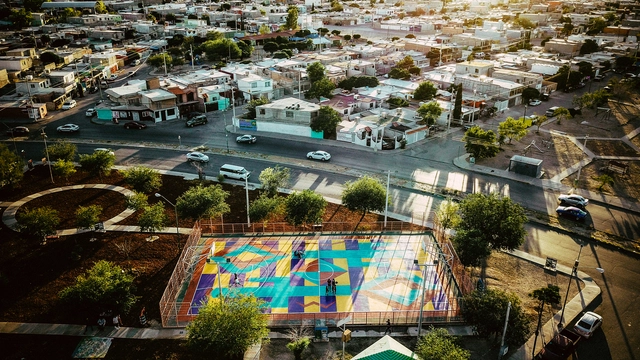
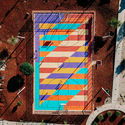
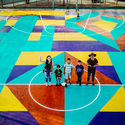
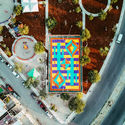
In 2014, a group of friends from Ciudad Juárez, Chihuahua, eager to contribute to their city's resilience and recovery, came together to discuss and pitch ideas for reclaiming streets, squares, and parks through sociocultural projects and urban interventions in public spaces. This gave rise to Nómada Laboratorio Urbano. Ciudad Juárez is an industrial city located on the northern border with the United States, directly adjacent to El Paso, Texas. Over the years, Juárez's economy has been dominated by the "maquiladora" manufacturing industry, and the city was once considered one of the most violent in the world due to a wave of crime between 2008 and 2012.
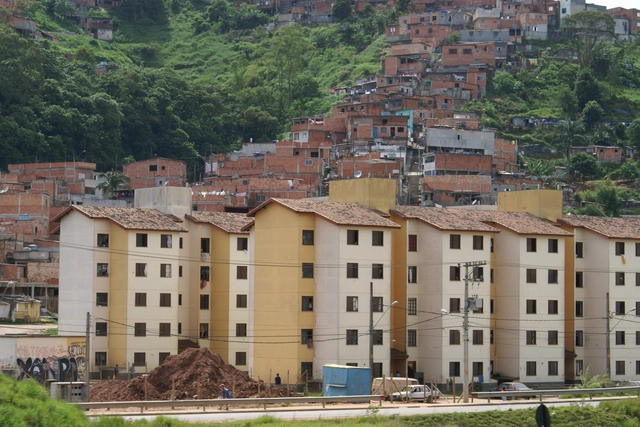
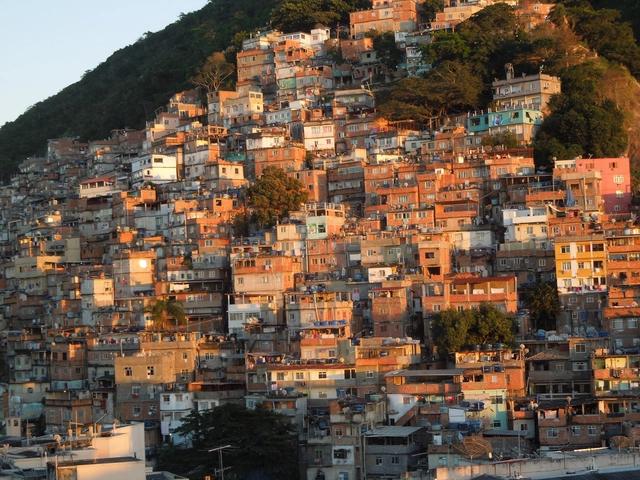
Continuing our series of articles studying social housing in Latin America, Nikos A. Salingaros, David Brain, Andrés M. Duany, Michael W. Mehaffy, and Ernesto Philibert-Petit present a reflection on the problems and solutions of favelas. Read the previous articles and the new piece below.
https://www.archdaily.com/1121024/problems-and-solutions-of-social-housing-in-latin-americaNikos A. Salingaros, David Brain, Andrés M. Duany, Michael W. Mehaffy & Ernesto Philibert-Petit
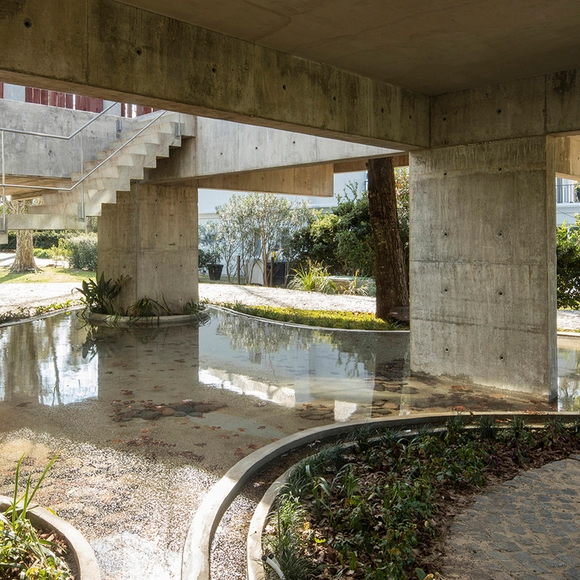
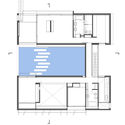
Ponds and reflecting pools are frequently used in architectural projects. These features significantly improve the thermal comfort parameters of buildings, acting as environmental regulators. Beyond their technical benefits, they serve as elements of aesthetic interest, creating spatial situations with shifting atmospheres influenced by the effects of light hitting the moving water surface.
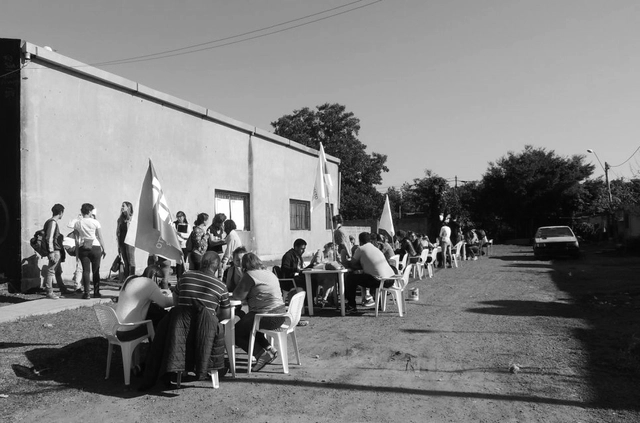
On this occasion, Camila Costa Curta shares her experience with the Proyecto Habitar (PH) collective alongside Julian Salvarredy and Clara Mansueto, addressing the housing crisis in the metropolitan area of Buenos Aires and the teaching and learning processes in contexts of inequality through the 'Primary Habitat Care Clinics' project. Read the full story below.
https://www.archdaily.com/1120989/primary-habitat-care-clinics-a-politico-pedagogical-experience-in-a-social-housing-complex-in-buenos-airesCamila Costa Curta
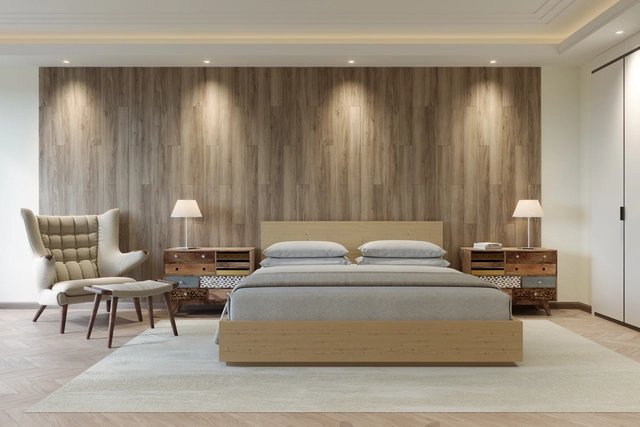
Providing warmth and a modern yet handcrafted aesthetic, wood is always an excellent choice for interior cladding or furniture manufacturing. However, how do you choose the right cladding for a specific project?
We have compiled a selection of cladding options with different appearances, dimensions, and installation systems, identifying their characteristics and differences to help you select the correct material. Melamine, MDF, or plywood? A natural look or colored pigments? Compare 5 different options below.
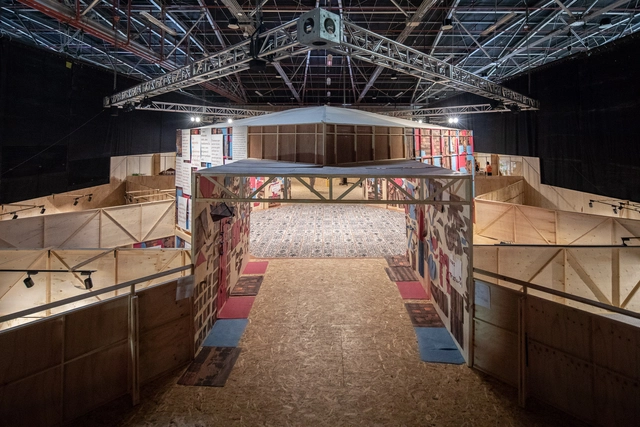
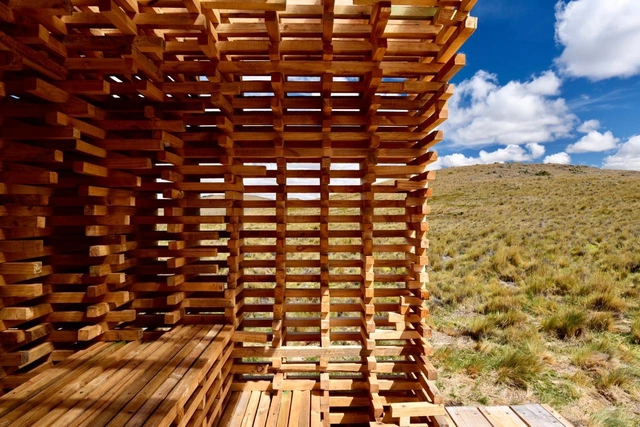
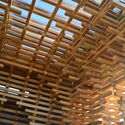
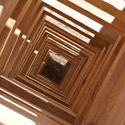
The School of Architecture at the Universidad Finis Terrae traditionally organizes workshops where its students build full-scale structures. This time, the workshop was led by Chilean architect Verónica Arcos, who worked with the participants, drawing inspiration from timber-stacking systems for drying wood.
Concluding the series of articles on the study of social housing in Latin America, Nikos A. Salingaros, David Brain, Andrés M. Duany, Michael W. Mehaffy, and Ernesto Philibert-Petit present a reflection on high land prices, large-scale schemes, and national destabilization. Review the past publications and the new article below.
https://www.archdaily.com/1121011/uncomfortable-realities-of-social-housing-in-latin-americaNikos A. Salingaros, David Brain, Andrés M. Duany, Michael W. Mehaffy & Ernesto Philibert-Petit
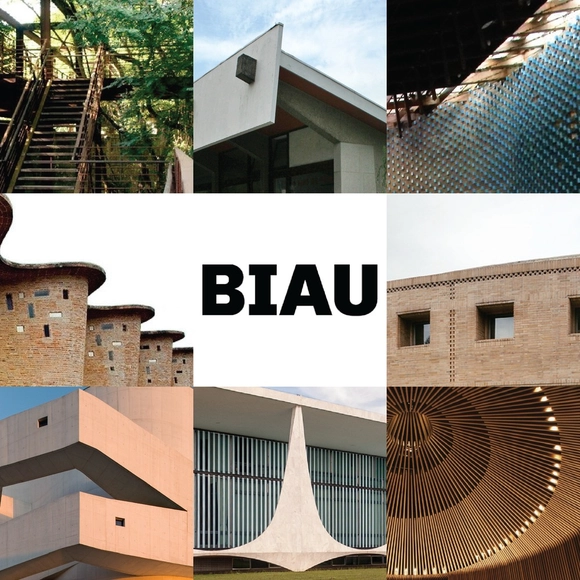
In each edition of the Ibero-American Biennial of Architecture and Urbanism (BIAU), the event honors masters of Ibero-American architecture with the Ibero-American Architecture and Urbanism Prize.
The Ibero-American Architecture and Urbanism Prize recognizes work "directly related to architecture and/or urbanism, highlighting its aesthetic, functional, technical, social, economic, and environmental aspects. This may include built work, planning, heritage conservation and restoration, knowledge production, or social commitment," as outlined in the competition guidelines.
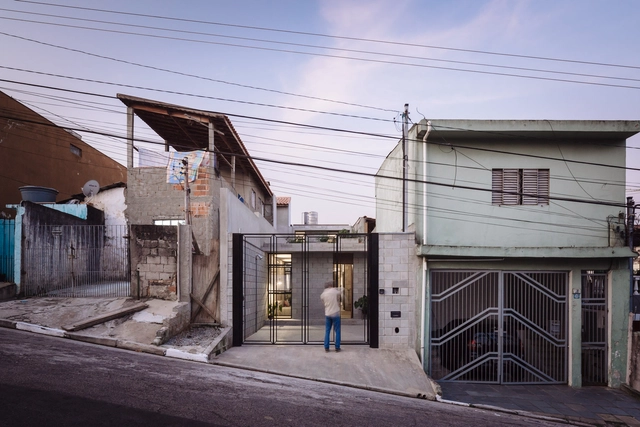
Vila Matilde House / Terra e Tuma Arquitetos Associados. Image
Continuing our series on social housing in Latin America, Nikos A. Salingaros, David Brain, Andrés M. Duany, Michael W. Mehaffy, and Ernesto Philibert-Petit present a reflection on the unrealistic image people have of a desirable home and the importance of taking their aspirations seriously. Read the previous installments and this new article below.
https://www.archdaily.com/1120941/social-housing-in-latin-america-urbanism-as-liberation-from-the-unrealistic-image-of-the-desirable-homeNikos A. Salingaros, David Brain, Andrés M. Duany, Michael W. Mehaffy & Ernesto Philibert-Petit
Presented at the recent edition of the Feria del Diseño 2019 in Medellín, Iku Hábitat is a modular architectural construction system developed in Colombia that aims to streamline construction processes using designed and prefabricated components assembled with screws.
https://www.archdaily.com/1120967/iku-habitat-a-modular-home-in-colombia-assembled-with-screwsArchDaily Team
Ilustración 6. Incorporación de vegetación para minimizar los efectos de islas de calor. Image Cortesía de Universidad de Cuenca
The following analysis was developed within the research project “Sustainable and Safe Building Certification,” funded by the Research Directorate of the University of Cuenca and led by Dr. Felipe Quesada Molina. This research addresses the sustainability assessment of residential buildings in the city of Cuenca.
https://www.archdaily.com/1120986/strategies-for-the-sustainable-and-safe-building-certification-of-the-city-of-cuenca-ecuadorArchDaily Team


















.jpg?1554845815 "© Guy Wenborne")