Have you ever asked yourself this question? At first, it may seem strange to imagine that we have not always had windows in our buildings, let alone that they were sealed with a transparent material capable of allowing natural light into dark rooms or creating a barrier against the cold: glass.
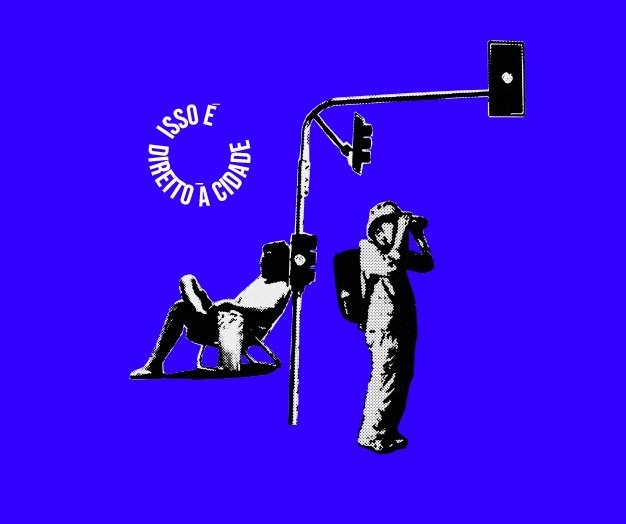
A desperate child screams in the middle of Dom José Gaspar Square in downtown São Paulo, pleading for them not to hurt her mother. She cries as she watches her being forcibly dragged by municipal agents from the cart where she sold fruit daily to the square's patrons. Her mother cries as well, trying to explain to the agents that the fruit and the cart were all she had to support her daughter. Moved, onlookers watch the scene and try to reason with the subdistrict officials, but they keep confiscating the goods—after all, “orders are orders.”
But what is the “order” that governs public spaces?
https://www.archdaily.com/1121328/toward-a-new-order-of-public-space-the-right-to-the-city-for-allRodrigo Faria G. Iacovini
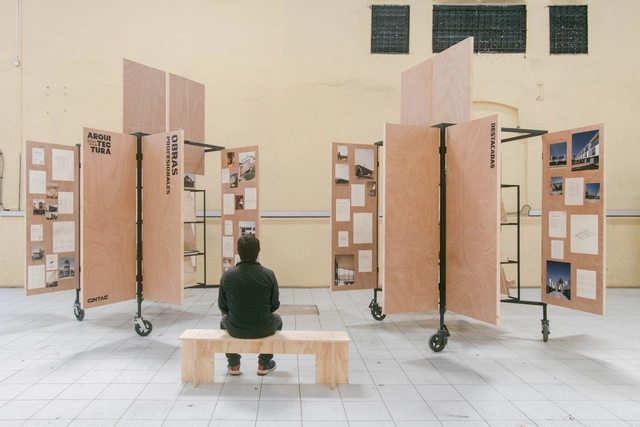
Keys to facing a studio presentation or exam in the first years of architecture. Image via Facultad de Arquitectura, Planeamiento y Diseño UNR
Quacquarelli Symonds (QS) has released the 2019 edition of its annual ranking of the world's top universities in the field of architecture. This year, UCL (University College London) took the lead, a position held by the Massachusetts Institute of Technology (MIT) in the United States for the past four editions.
In Latin America, institutions from Chile, Brazil, and Mexico occupy the top three spots, respectively. See the top 10 below:
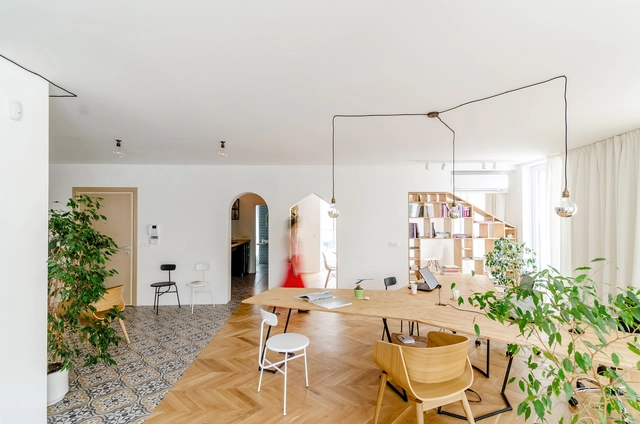
Another Space / Another Studio. Courtesy of Another Studio
It is essential that offices, workshops, and studios are attractive not only to clients but also to employees, who spend an average of one-third of their day in these environments. A poorly designed workspace can make the workday exhausting and discouraging. To prevent this, architectural design decisions can energize the space and promote team integration, even when the footprint is limited.
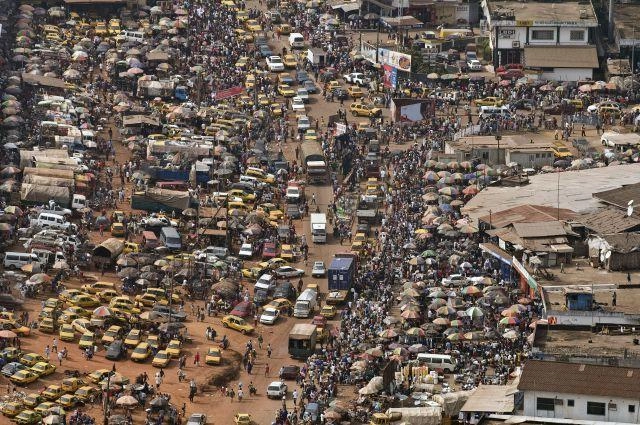
An aerial view of the streets of Monrovia, the capital of Liberia, reveals chaotic traffic. Photo: Flickr/UN, via WRI Brasil
Emmanuel leaves home with his two daughters at 5:00 a.m. every morning. They take a minibus from their home in Awoshie, a residential neighborhood in Accra, Ghana, to the business district where Emmanuel works. The round trip usually costs $0.90—equivalent to about 20% of the average daily wage in Accra—and takes well over an hour. When traffic is heavy, the cost doubles. To save on a bus fare, Emmanuel sometimes sits one daughter on the other's lap.
https://www.archdaily.com/1121361/cities-and-the-balance-between-opportunities-and-commutingThet Hein Tun, Maria Hart e Anjali Mahendra
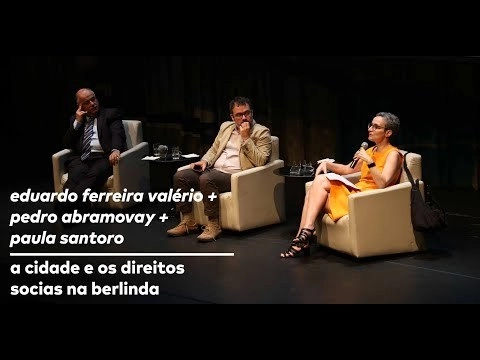
Through its Seminar on Culture and Contemporary Reality, Escola da Cidade invited Pedro Abramovay, Eduardo Ferreira Valério, and Paula Santoro to discuss social rights and the city. This topic has become increasingly urgent and sensitive when discussing any possibility of a democratic and empathetic city. In this video, the panel discusses some of the historical roots and contemporary issues surrounding this theme.
https://www.archdaily.com/1121356/the-city-and-social-rights-under-scrutinyPedro Vada
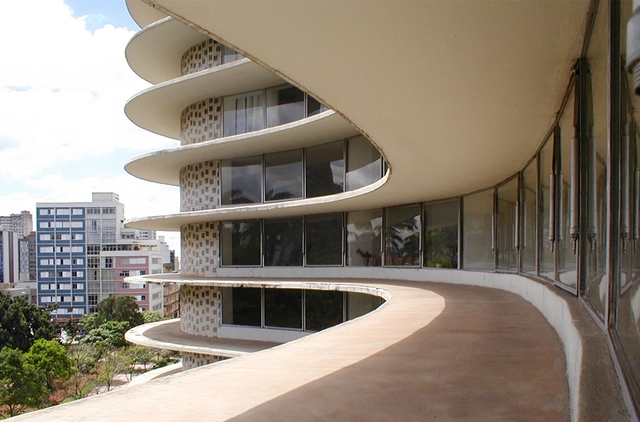
Edifício Niemeyer em Belo Horizonte. Image Cortesia de Carlos Alberto Maciel
As part of our monthly topic (travel), we invited several Brazilian and Portuguese architecture firms to suggest buildings and public spaces in their respective cities that are well worth a visit. In Brazil, projects in Brasília, Rio de Janeiro, Olinda, Fortaleza, Belo Horizonte, and Porto Alegre will inspire our readers to get to know the country better—or cross the Atlantic to visit works in the Portuguese cities of Guimarães, Porto, and Lisbon.
According to Flávio Kiefer, museums are as old as human history itself. They have existed ever since humans began collecting and storing valuable objects in rooms built specifically for that purpose. Today, museums are more than environments that organize history: their programs are diverse and complex, their spaces flexible, and innovations are constant in the conservation, exhibition, and lighting of artworks. This week's Arquicast spoke with architect and specialist Carlos Eduardo Ribeiro about museum architecture and the entire debate surrounding this prestigious architectural program.
UFMG Services Plaza – view of one of the access points to the balconies (Loggias). Source: Technical Information Center of UFMG, 2018 / Photo: Junia Mortimer, 2012
When we understand architecture as the activity of modifying a natural site and transforming it into an environment suitable for human coexistence—whether through a building or the urbanization of a territory—we can understand the architect's work as something that must serve the community. In this sense, the historical concept of humanism and republicanism is invoked—the public affair, in Latin.
Street market pastel in São Paulo. Photo: Anthony Ling
Anyone who has ever been to the beaches of Rio de Janeiro has certainly seen vendors selling grilled *queijo coalho* (curd cheese) or grilled shrimp, sweet mate tea, and Globo biscuits—classic snacks of the Rio shoreline. In São Paulo, open-air markets serve sugarcane juice and fried *pastel*, a local adaptation of a dish originally brought by Chinese immigrants and popularized by Japanese immigrants. In Minas Gerais, there is *pão de queijo* (cheese bread) and pastel, also filled with cheese. In Salvador, it is impossible not to mention *acarajé* (with or without hot sauce), which has been declared an intangible cultural heritage asset by IPHAN. The capital of Bahia even has its own Street Food Guide, reflecting the immense culinary diversity found in the city.
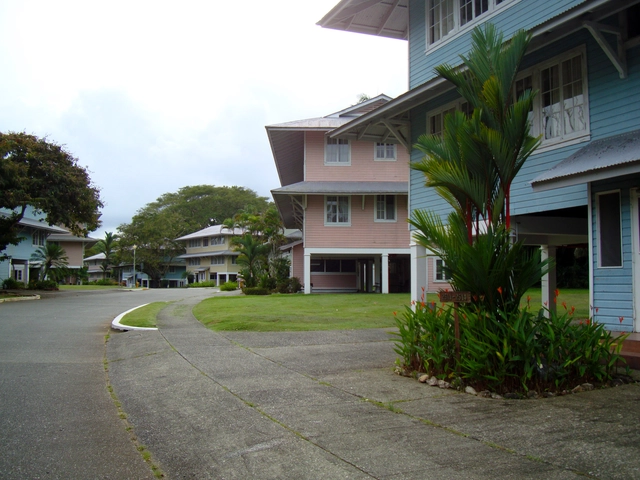
The book Sustainable Tropical Cities, published by the Institute of Tropical Architecture (San José, Costa Rica) in 2006, gathers the conclusions its authors compiled over years of observation and study. Bruno Stagno and Jimena Ugarte, both architects and immigrants enamored with the tropics, aimed to demonstrate the specific characteristics that cities located in the tropical belt possess—or should possess—while introducing an unprecedented topic.
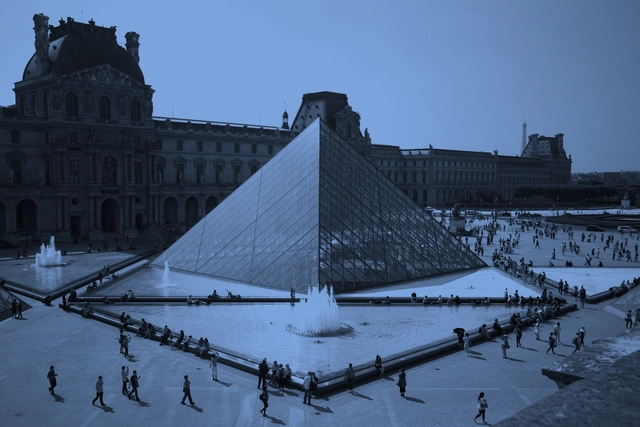
The recent tragedy that resulted in the partial destruction of the Notre-Dame Cathedral has prompted reflection on the value of our architectural heritage. Stirring events such as this bring highly relevant issues to the fore, inviting us to consider the role of architecture in shaping a city's collective memory.
Grigri Projects defines itself as a platform dedicated to cultural research, creation, and production, focusing its work on participatory design, urban intervention, and transdisciplinary community processes through collaboration with other collectives and agents at local and international levels.
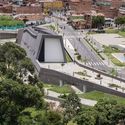
The Museo Casa de la Memoria is located in Medellín's Boston neighborhood and was developed to commemorate the bicentennial of Colombia's independence. Led by Juan David Botero as the design team coordinator, the project was conceived from the outset as a highly recognizable building for both the community and visitors, drawing its sculptural form from traditional gabled houses. "It is a museum for the victims of violence, and as such, we had to ensure it was a space for everything; a home, the house where memory comes to life," Botero says.
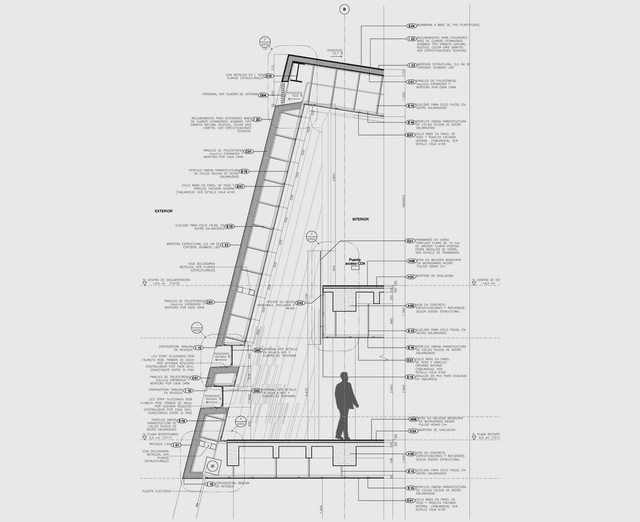
The 3,800-square-meter cultural facility unfolds along the creek like a tunnel, housing exhibition rooms, workshops, archives, offices, and an auditorium. Its envelope functions as a folded skin, incorporating an air cavity that absorbs cool air, draws it in through the facade, and expels it as hot air at the top. This chimney effect helps control the typical 30ºC summer temperatures of the area, ensuring a stable and comfortable indoor climate. Below, we take a closer look at its sculptural thermal and acoustic envelope.
To demonstrate this and reflect on how much we and our readers have learned—especially regarding the roles of representation, academia, cities, technology, and architecture itself—we have selected the 20 best interviews published on ArchDaily throughout the year.
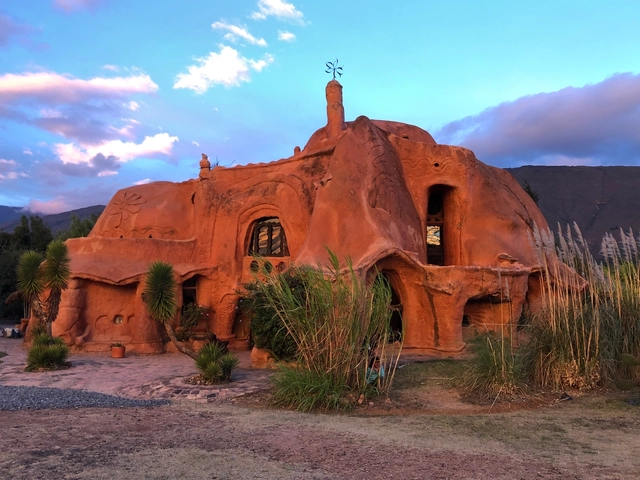
The traditional brickmaking technique is fundamentally based on molding a mixture of clay and water, placing it in a kiln, and firing it to achieve its characteristic strength. Architect Octavio Mendoza Morales decided to employ this technique to build a unique home, constructed not from individual bricks but as a single, 500-square-meter ceramic piece designed to withstand weathering.
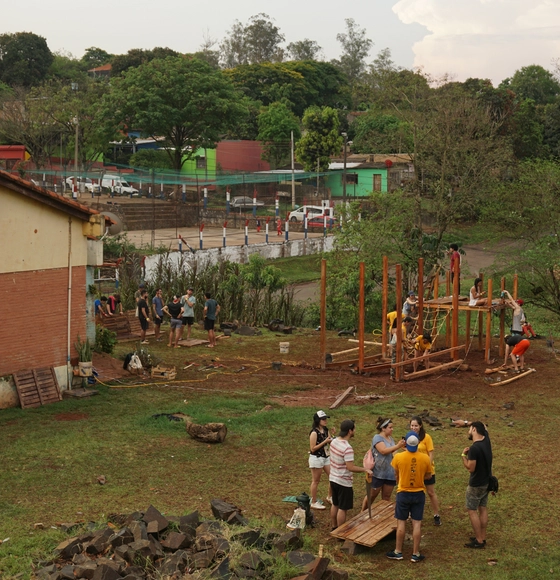
The following story takes place during the twenty-seventh edition of the Latin American Encounter of Architecture Students (ELEA) in Ciudad del Este, Paraguay, where nearly 800 students from Latin America gathered for a collective experience of participation, integration, and learning. Among other activities was the construction of two wooden structures in two distinct locations: the "Lake Pavilion" in the backyard of the Virgen de Fátima school—separated from a private school by a polluted creek—and "The Cloud" in an unmaintained public square in the Don Bosco neighborhood on the outskirts of the city.
ArchDaily is working with CityMakers to publish a series of articles, conversations, and interviews with the key figures in urban co-production behind the Barcelona CityMakers Lab 2019, an event taking place from October 14 to 20, 2019.
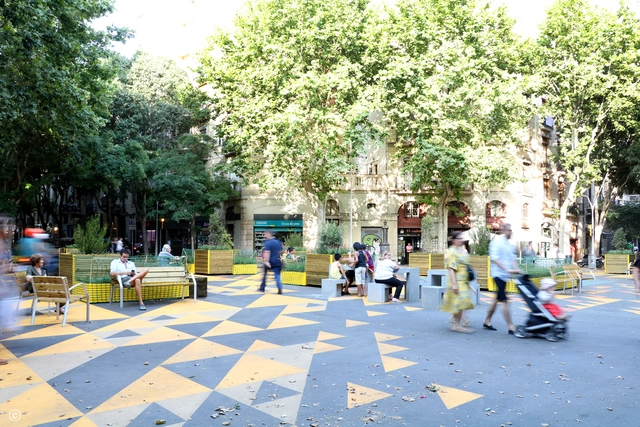
On this occasion, we feature Jokin Santiago Elorriaga, director of Leku Studio, who will lead a masterclass at the Barcelona CityMakers Lab 2019. Jokin is the founding architect of Leku Studio and was responsible for the design and transformation of the Sant Antoni Superblock.
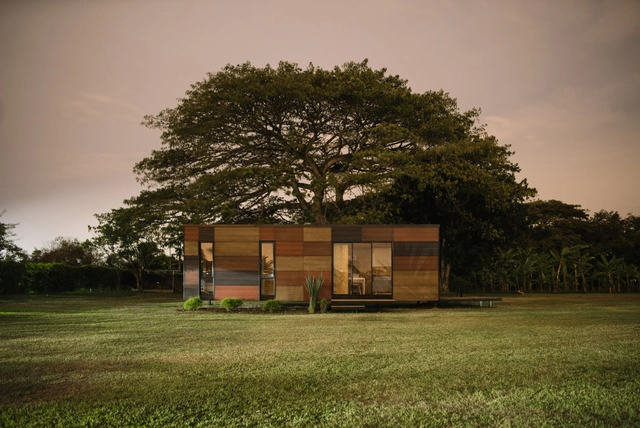
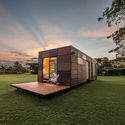
VIMOB Project (Arch. Felipe Lerma) - Superboard. Visit our website www.etex.com.co to learn more about eco-friendly dry construction.
The concept of sustainability dates back to the 1980s, when the chairperson of the United Nations World Commission on Environment and Development, Gro Harlem Brundtland, authored the report titled “Our Common Future.” This document questioned the negative environmental consequences of development and globalization, raising the need to advance toward “Sustainable Development.”
As part of a series of articles developed by Nikos A. Salingaros, David Brain, Andrés M. Duany, Michael W. Mehaffy, and Ernesto Philibert-Petit on the study of social housing in Latin America, this installment reviews examples of design strategies for its construction. Read all previous publications and the new article below.
https://www.archdaily.com/1121071/design-strategies-for-social-housing-in-latin-americaNikos A. Salingaros, David Brain, Andrés M. Duany, Michael W. Mehaffy & Ernesto Philibert-Petit
Photo: Chaval Brasil on Visual hunt / CC BY-NC-ND. Collage: ArchDaily
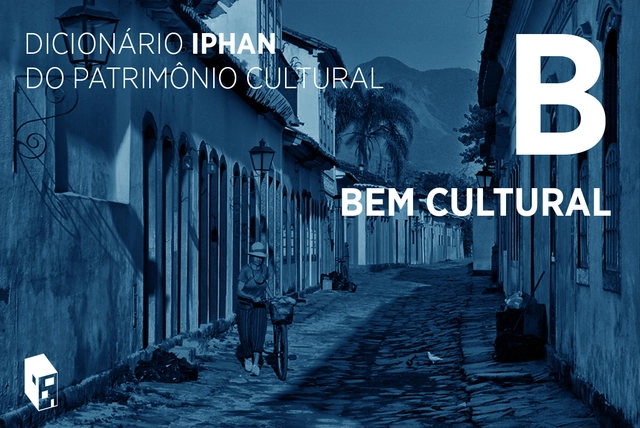
The terminology cultural property has several definitions. Found across various spheres and historical periods, the term has been gradually reshaped, with its application and meaning expanding and becoming more clearly defined over time.
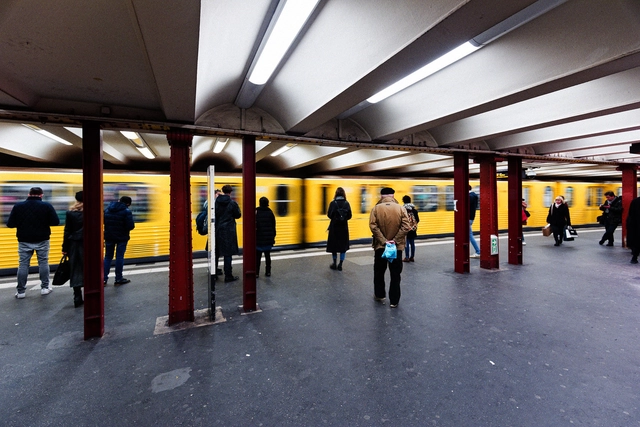
Berlin subway station. Image: Tuomo Lindfors on Visual Hunt / CC BY-NC-SA
Berlin is a global leader in urban mobility, according to the Mobility Futures study by data and consulting firm Kantar, which evaluated major world cities. The German capital topped the mobility ranking due to several factors, most notably more cost-effective travel and easy access to a broad public transit infrastructure network and shared mobility services.
Venice is undoubtedly one of the most sought-after destinations in Europe for travelers from around the world. The city boasts attractions in many areas, from gastronomy to art, and naturally, architecture—an art form deeply woven into the city's fabric, most prominently showcased at the Architecture Biennales, held since 1980. Beyond the Biennale, the island has much to offer those interested in exploring places that epitomize the relationship between past and present, the preservation of historical memory, and new technologies serving buildings in constant relation with the water.
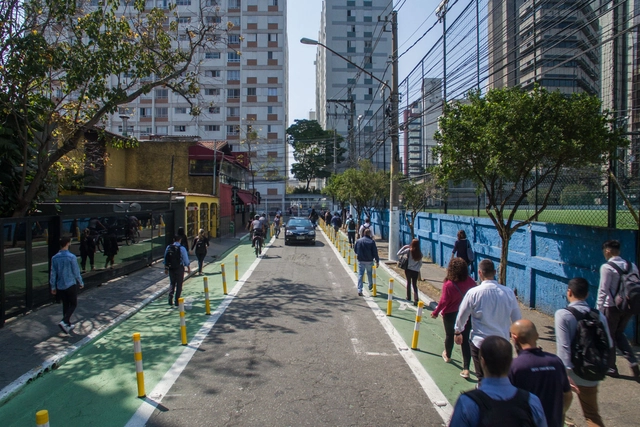
The environment affects behavior, just as behavior affects the environment. This is one of the core propositions of environmental psychology, a field that studies the interrelationship between human behavior and the surrounding environment, whether built or natural. If the environment has the power to influence our choices and habits, then it is possible to design it to encourage more sustainable choices. And complete streets offer a way to do just that.
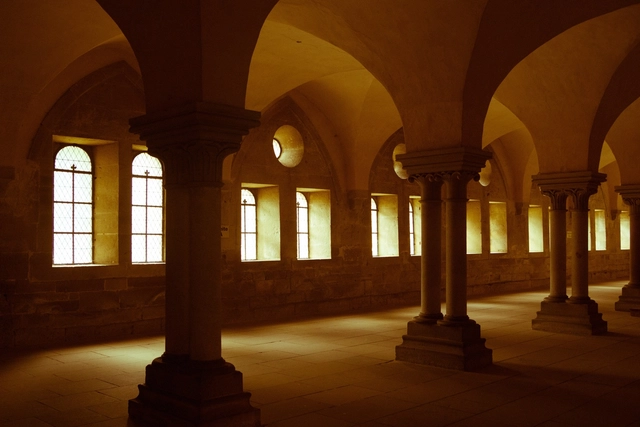
-1.jpg?1566566661 "Consolação Apartment / SOEK Arquitetura. Image © Rafael Renzo")




.jpg?1556283875&format=webp&width=640&height=580)

.jpg?1575373222&format=webp&width=640&height=580)
.jpg?1573568986 "© Isaac Ramírez Marín")
.jpg?1573568977 "© Isaac Ramírez Marín")