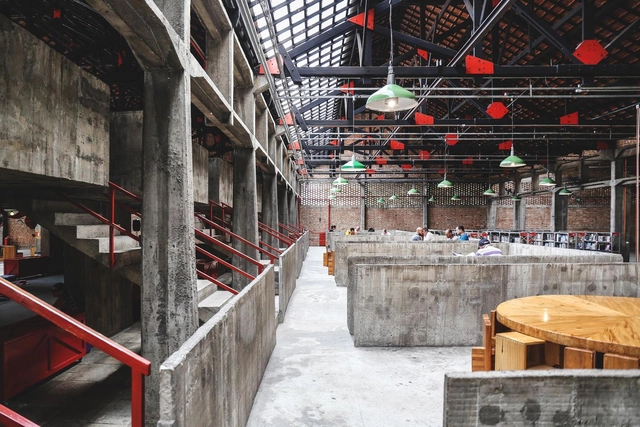
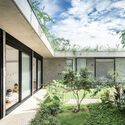
Color can be an element that contributes significantly to the quality of architectural projects. Its efficient use can completely transform the atmosphere of indoor and outdoor environments, signal specific uses in spaces with different characteristics, redefine rooms, and highlight architectural elements. This has proven to be a highly successful feature, even becoming a trademark of prominent architects, such as Mexicans Luis Barragán and Ricardo Legorreta.
Over the past week, thousands of active fires in the Brazilian Amazon captured global attention in the press and on social media, where the hashtag #PrayForAmazonia was mentioned more than 150,000 times in a single day. But what can satellite data tell us about what is actually happening in Brazil's forests?
https://www.archdaily.com/1122027/what-maps-reveal-about-fires-in-the-amazonMikaela Weisse e Sarah Ruiz
Whether for universal accessibility, spatial fluidity, or plastic continuity, ramps bring unique and highly welcome qualities to architectural projects. That is, of course, when they can be successfully integrated into the design—typically a demanding task due to accessibility standards governing maximum slopes.
E-scooter rider in Austin, Texas. Photo: James Cage/Flickr
Scooters are the latest trend in the new mobility landscape. You have likely seen someone riding one of these small yet agile two-wheeled vehicles in a major city. Following the explosive growth of ride-hailing apps and bike-sharing systems, it is now the turn of scooters, which logged 38.5 million trips in the United States in 2018 alone.
https://www.archdaily.com/1121964/are-the-e-scooters-taking-over-cities-safe-a-look-at-the-evidenceAlejandro Schwedhelm, Anna Bray Sharpin e Claudia Adriazola-Steil
The edícula, also known in some regions of Brazil as a meia-água, é a small outbuilding usually constructed at the back of residential lots to provide an extra bedroom within the domestic program. Generally speaking, this space typically includes—with some variations—a bathroom, service quarters, and occasionally, integrated space at the end of a garage, in addition to the bedroom.
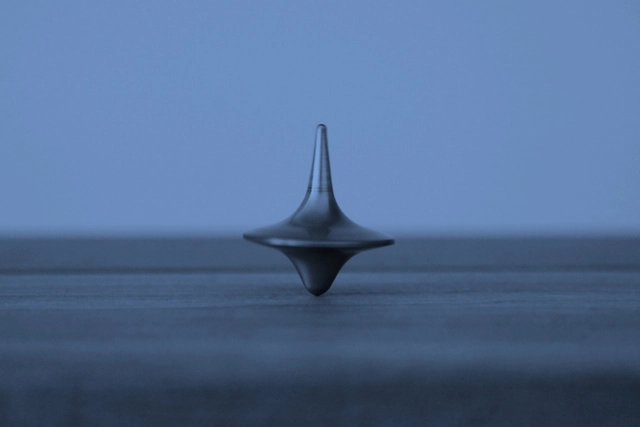
In the new episode of the Architecture and Cinema series, we talk with Janaina Pereira, a journalist specializing in cinema, and Laura Carone, an architect, set designer, and art director, about the film Inception, by British director, screenwriter, and producer Christopher Nolan. Released in 2010, the film features a stellar cast including Leonardo DiCaprio, Ellen Page, and Michael Caine, and received several awards, including Academy Awards for Best Cinematography, Best Sound Mixing, and Best Sound Editing.
In this doctoral thesis, architect Luciano Margotto, advised by Prof. Dr. Mônica Junqueira de Camargo, presents five lessons from architecture: Austerity, Generosity, Freedom, Public, and Spatiality. In his work, the author investigates the works of architects such as Carlos Millan, Marcello Fragelli, Eduardo Souto de Moura, Oscar Niemeyer, Vilanova Artigas, Fábio Penteado, Lucio Costa, Lina Bo Bardi, Paulo Mendes da Rocha, Brasil Arquitetura, Gabriel Guarda, Martín Correa, and Alvaro Siza. Below is the abstract of the thesis defended at FAUUSP in 2016.
https://www.archdaily.com/1122012/lessons-from-architecture-readings-through-poeticsPedro Vada
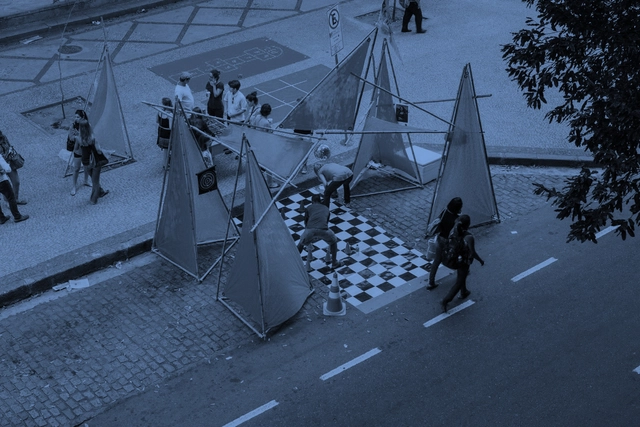
You have probably heard the term “tactical urbanism.” Though relatively recent, this approach to public space has gained visibility over the last decade, and today there are numerous examples of how to intervene in the city through a short-term, low-cost, and highly socially engaged lens. In episode #70, we chat with Rio-based architect and PhD in Urbanism Adriana Sansão, whose extensive practical work is backed by deep research on the subject. Click here to learn more!
Blind walls, or facades without openings, are rarely the primary design concept in homes, but rather the result of a need for privacy in certain spaces, especially when the setback from neighboring buildings is minimal or nonexistent. However, blind walls can take center stage in a building's overall composition—whether through the contrast between solids and voids, the enhancement of the wall in other ways (such as the application of paint, texture, vertical gardens, etc.), or, finally, by positioning the blind wall on the front facade. This creates a "role reversal" between the side facades, usually resigned to a lack of openings, and the front and/or rear facades, which normally feature them.
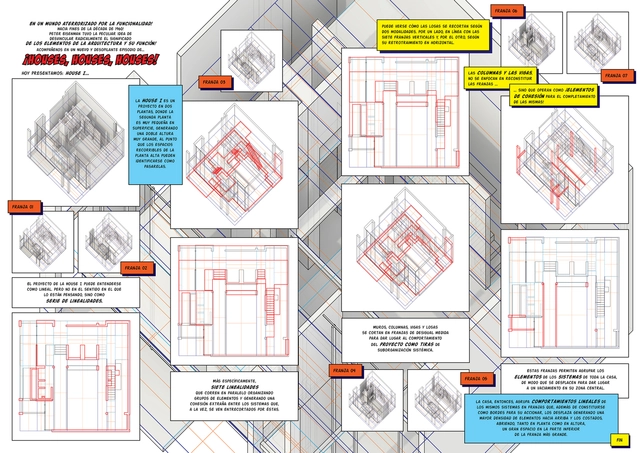
¡Houses, Houses, Houses!. Image Cortesía de Santiago Miret
Architecture, as a design discipline, relies heavily on visual communication. The advent of new technologies and the exploration of new digital graphic representation techniques reflect architects' growing interest in expressive fields. The need to convey a message and embody ideas, narrating the values and reflections that structure an architectural project, places graphic communication tools in a position of particular relevance.
If this intrinsic need to convey information exists within the architectural field, could comics, as a narrative medium, serve as a useful tool for design communication?
This article was originally published on May 23, 2019.
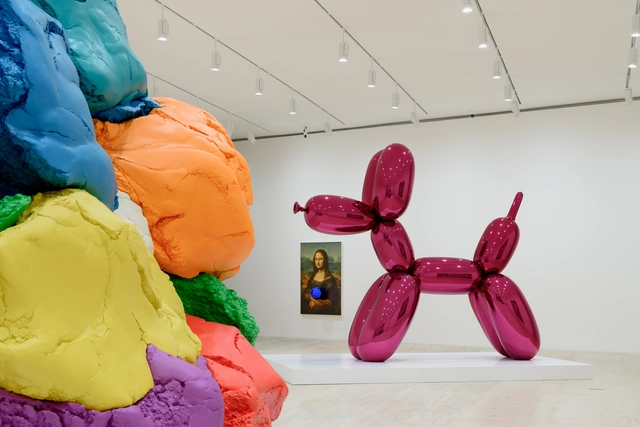
‘Appearance Stripped Bare’ is the exhibition that opened on May 19 at the Museo Jumex. It establishes a parallel fold right in the middle of the twentieth century, bringing face-to-face some of the most representative works of Marcel Duchamp and Jeff Koons—key figures in global contemporary art—to address concepts of objects, commodities, and the artist's relationship with society.
“On Growth and Form”, written by biologist and mathematician D’Arcy Wentworth Thompson [1860-1948], is considered the greatest work of prose in twentieth-century science, highlighting the role of physics and mechanics in determining the form and structure of organisms. The book immediately became a classic for exploring natural geometries in the dynamics of growth and physical processes. Thompson reveals himself to be a great scientist, sensitive to the fascination and beauty of the natural world, writing in a style that led the specialized press to call his work “as much good literature as science; a discourse on science as if it were a matter of humanity.”
Children playing on Paulista Avenue on a Sunday. Photo: Eduardo Augusto de Carvalho.
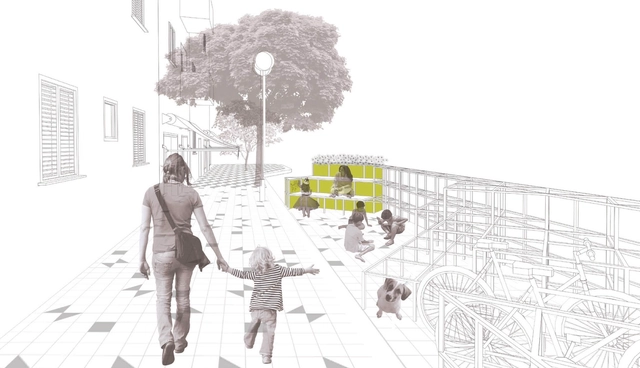
The theme of children's absence in the contemporary city, and the search for solutions that enable their mobility with greater autonomy and playfulness, guided a study of about 130 children, aged 7 to 12, from different social backgrounds, residing in the Consolação district of São Paulo. After walking, talking, and drawing with the children to map an ideal route between the local square and school, an intervention proposal [2] was developed, weaving together the Vila Buarque and Higienópolis neighborhoods, aimed at bringing children out to play in groups, outdoors, every day.
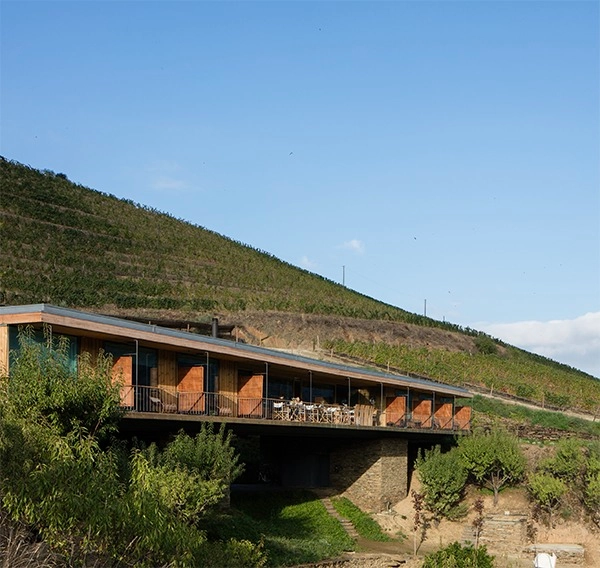
The 5th edition of Portugal's PNAM (National Wood Architecture Prize) was awarded on November 8 at the Monastery of Alcobaça. Organized by the Association of Wood and Furniture Industries of Portugal (AIMMP), the Portuguese Chamber of Architects (OA), and the Portuguese Construction and Real Estate Confederation (CPCI), the biennial award is open to Portuguese architects who choose wood as a primary material for their projects.
From nostalgic parquet flooring to more sophisticated wood species, timber is a material capable of providing a high degree of comfort when used as a floor finish in architectural projects. Beyond its obvious aesthetic appeal, its characteristics contribute to a welcoming ambiance and can also meet acoustic and thermal comfort parameters, which explains why the material is so prevalent in residential design.
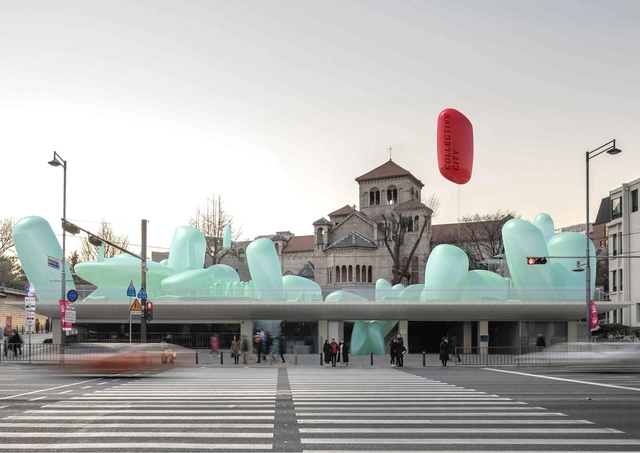
There is something compelling about the way air—an incredibly fleeting and invisible medium—can shape a wide variety of forms. This fascination has captured our imagination since childhood, when we were first drawn to the lightness, color, playfulness, and variety of inflatables.
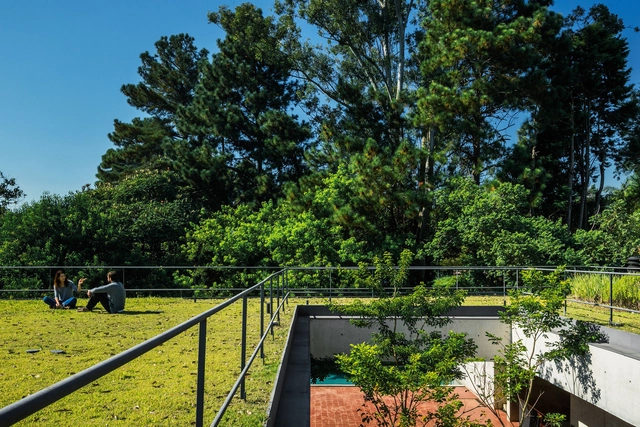
Occupying rooftops is an ancient practice; however, it was only with the Modern Movement and Le Corbusier's five points of architecture that the "fifth facade" began to be explored to its full potential. Pilotis, a free plan, ribbon windows, and a free facade combined with the rooftop garden to establish the guidelines for this new architecture. While Modernism as a universal language collapsed, many of its principles endure in contemporary architecture.
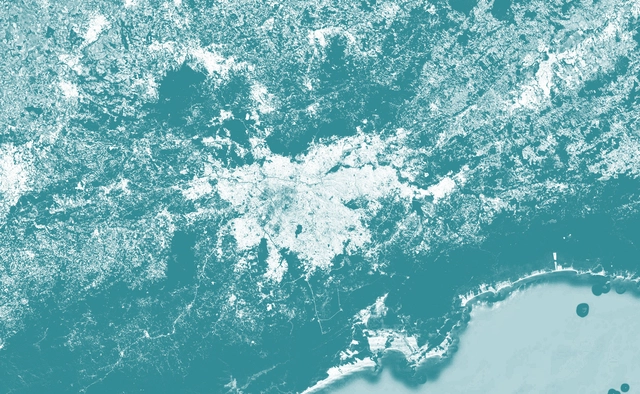
São Paulo Metropolitan Area - Modified image. Image
Following a debate held last Monday (04/08/19) at its headquarters regarding models for public metropolitan planning companies, the Instituto de Arquitetos do Brasil - Departamento de São Paulo (IABsp) expresses its concern over Bill (PL) 01/2019. Submitted by the State Government to the Legislative Assembly, the bill proposes, among other mergers and extinctions of public agencies, the shutdown of the Empresa Metropolitana de Planejamento (Emplasa). Established in 1975, Emplasa is responsible for regional planning and plays a key role in the necessary restructuring of inter-federative governance in the São Paulo Metropolitan Area, aligned with the guidelines of the Statute of the Metropolis, enacted in 2015.
According to the 2016 report by the United Nations Human Settlements Programme (UN-Habitat), there are 881 million people living in slums in cities across the developing world, and it is estimated that by 2025, another 1.6 billion people will likely need adequate and affordable housing. In light of these projections, there has been much discussion about Social Interest Housing (referred to as HIS in Brazil) and how projects in this field can help address the housing deficit. But what, exactly, does this term mean?
In Brazil, an increasing number of people are choosing to live in apartments rather than houses. Mirroring this trend, the supply of residential buildings with diverse floor plans and typologies has grown at a similar pace. In this context, and aiming to evoke the feeling of a standalone house, developers are increasingly offering lofts and duplex apartments. These layouts foster spatial openness, functional design, and enhanced natural light and ventilation through large openings and glass expanses. Additionally, double-height ceilings establish a visual connection between different floors, among other features that provide greater comfort to residents.
We can initially understand the concept of revitalization as a design practice or a socio-spatial process strategically led by specific groups associated with contemporary urban planning. The structuring of the contemporary city depends, according to Meyer (2000), on large-scale strategic urban projects. The strategic value of such projects, according to the author, hinges on their ability to trigger significant transformations in metropolitan space, enhancing its attractiveness and influence. Rather than simply offering localized and specific urban improvements, contemporary urban planning reveals itself, through the intentions of its proponents, as an instrument capable of promoting the cohesion of the metropolitan territory and organizing flows to prevent functional and spatial dispersion.
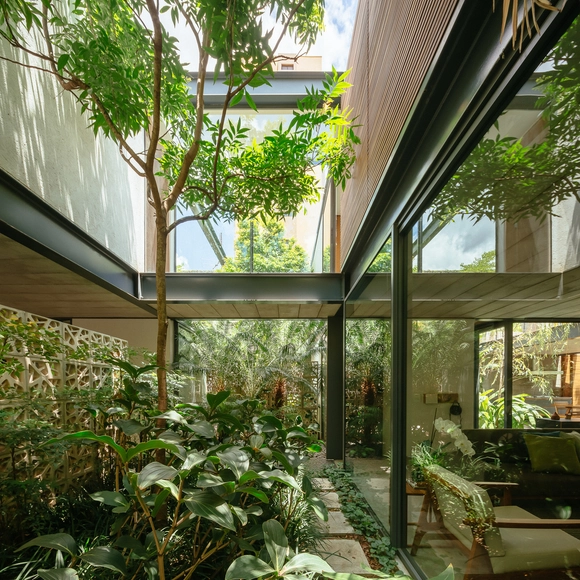
Landscape design is a fundamental component of various architectural typologies, particularly for integrating buildings with their surroundings and establishing connections between spaces. While vegetation is most commonly found outdoors, incorporating indoor gardens can completely transform a project's atmosphere.
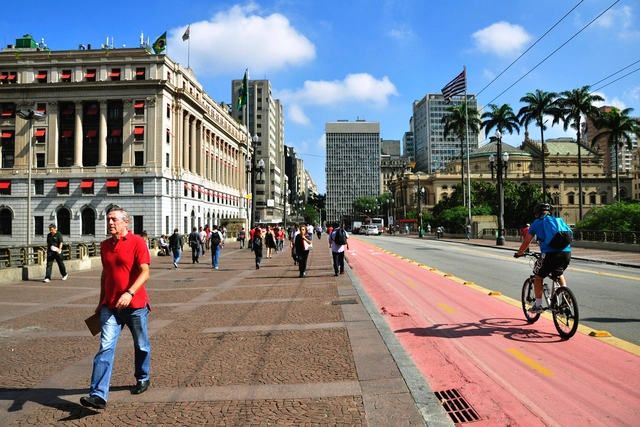
Downtown São Paulo. Photo: Mariana Gil/EMBARQ Brasil
Five Brazilians die in traffic accidents every hour. While highly critical statistics like this can spark positive reactions, they are not always enough to change reality on their own. However, knowing that in the city of São Paulo intersections concentrate more accidents per kilometer, and that these rose by 5% from 2017 to 2018, provides decision-makers with the concrete data needed to implement measures to reduce these numbers. Acting on the most dangerous intersections will save lives.
https://www.archdaily.com/1121376/how-sao-paulos-street-design-influences-traffic-accidentsWRI Brasil


.jpg?1556291339&format=webp&width=640&height=580)





.jpg?1572536478&format=webp&width=640&height=580)




.jpg?1570148721&format=webp&width=640&height=580)