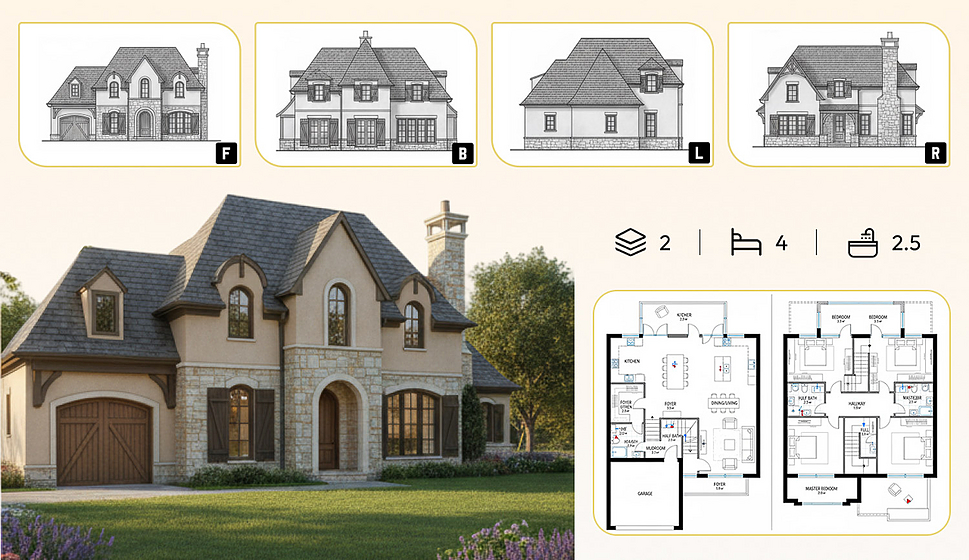
This guide covers a workflow that moves from project parameters to generated floor plans, 3D perspective views, exterior design exploration, and site context visualization, using AI tools in place of preliminary CAD and rendering work.
This guide covers a workflow that moves from project parameters to generated floor plans, 3D perspective views, exterior design exploration, and site context visualization, using AI tools in place of preliminary CAD and rendering work.
Indeed, an architect's primary responsibility is to protect the health, safety, and welfare of the public, which includes a diverse population with varying degrees of physical and intellectual abilities.
Neurodiversity refers to this intellectual and cognitive variability, encompassing a mix of neurotypical and neurodivergent individuals. Those who are "divergent" are typically recognized as having differences in communication, learning, or behavior. Consequently, an architect's goal is not to design a building exclusively for either neurotypical or neurodivergent populations, but rather to create spaces where all users feel welcome and comfortable.


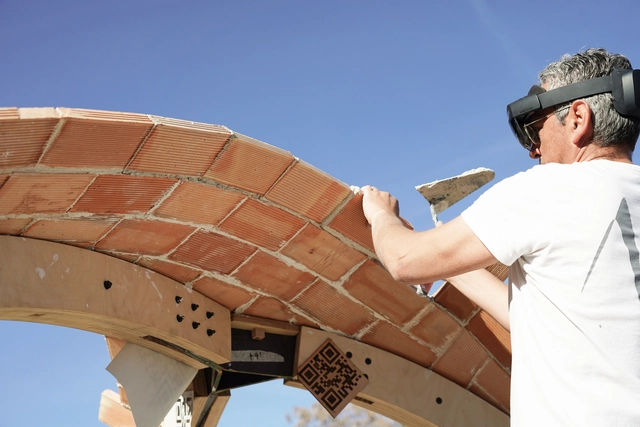
Although the architecture and construction industry has advanced in recent years into new areas such as artificial intelligence (AI), parametric modeling, virtual reality (VR), and other cutting-edge tools, their integration and systematization within the design process remains slow. In an increasingly connected and constantly evolving world, digital tools and emerging technologies are revolutionizing how architects design and build, rewriting the rules and expanding creative horizons. Therefore, it is essential to continue discussing how these tools are being integrated and how their potential can be further unlocked within the discipline.
This July, ArchDaily is exploring the topic of the design process. Within this framework, we want to open up the discussion to hear about your experiences, learn from your successes, challenges, and mistakes—and explore together how these new tools are transforming the practice of architecture.
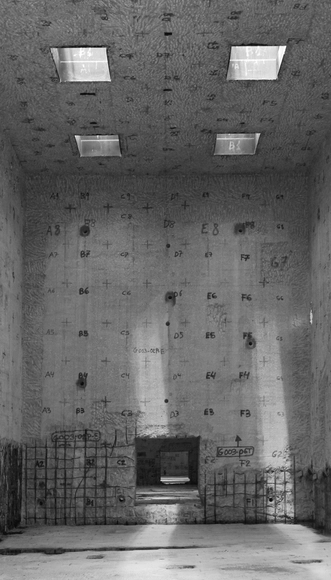
The last few decades have yielded a renewed conception of the ruin, shaped by the logic of contemporary society. These ruins can be found, for example, in the demolition of industrial buildings on a colossal scale. Yet they are stripped of their historical and enigmatic values, since we have witnessed their birth and coexisted with them in the present.

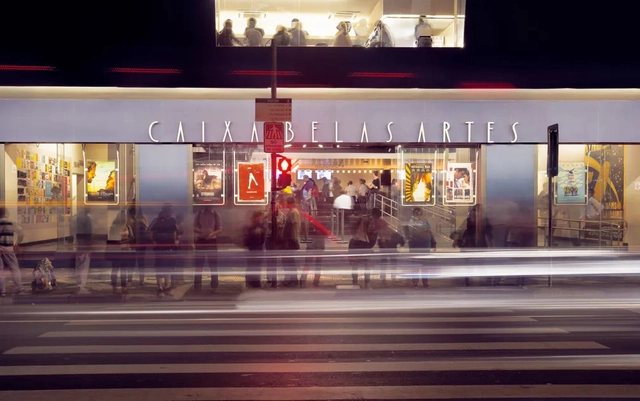
In the 1940s, as director of the Division of Studies and Heritage Listing at IPHAN, Lucio Costa sent his staff into the field to identify the cultural heritage scattered across Brazil, waiting to be discovered.
“Who,” “when,” and “how” were the questions his assistants had up their sleeves. Supposedly, they were meant to reveal the characteristics of the analyzed assets, in order to then categorize them as worthy or unworthy of heritage listing.
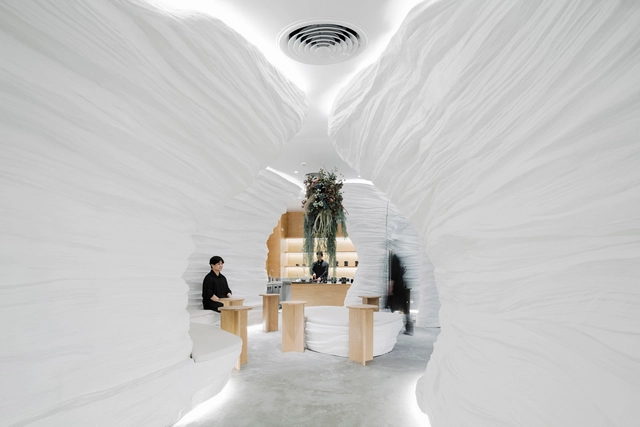
From Le Corbusier's polychromy to the aesthetic concepts of the Bauhaus, color has played an essential role throughout architectural history. Yet, we stand on the threshold of a new era of innovation where the meaning, application, and impact of color in architecture are constantly evolving. This evolution brings new questions to the fore: Could new materials and finishes revolutionize the color palette? What possibilities does color application hold in virtual spaces? What will be the upcoming color trends in the world of interior design?
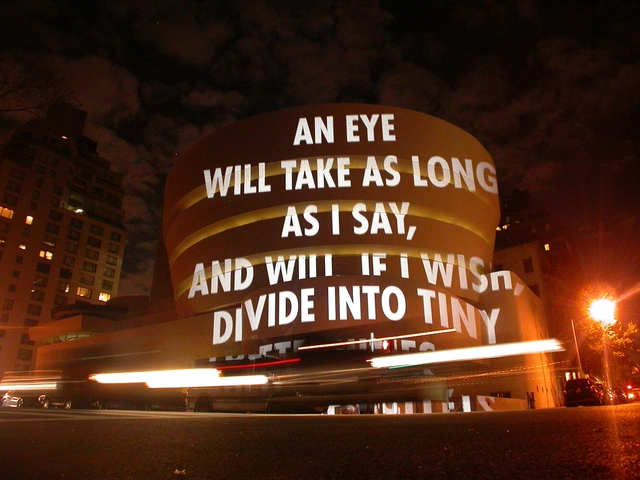
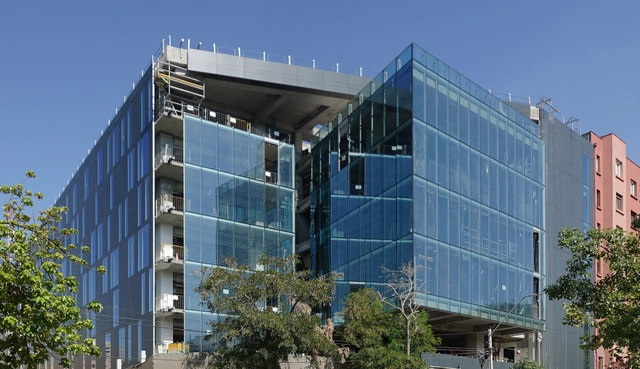
Vicuña Mackenna 20 (VM20), located steps from the Baquedano Metro station in the heart of Santiago, is a new project by the University of Chile. It aims both to become a hub for artistic and cultural outreach and to impact the public space recovery plan in the capital's central area.
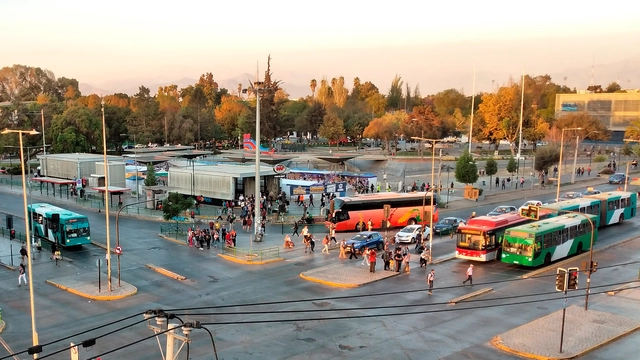
Tomás Vodanovic, mayor of the municipality of Maipú in Santiago, Chile, announced a new measure prohibiting high-rise construction along major thoroughfares, such as Pajaritos, Américo Vespucio, and 5 de Abril, in an effort to foster the aesthetic and sustainable development of the district.
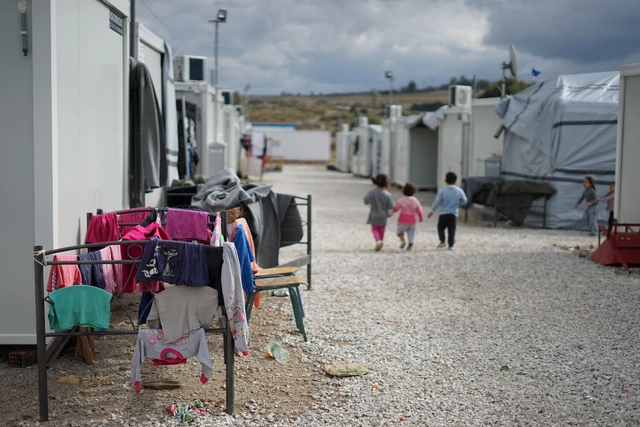
As the climate emergency worsens globally, an ever-larger number of people are forced to flee their homes due to natural disasters, droughts, and other meteorological events. These displaced populations are often referred to as “climate refugees.” This humanitarian crisis demands immediate action, but first we must understand who these individuals are and how the international community can appropriately address this growing issue.
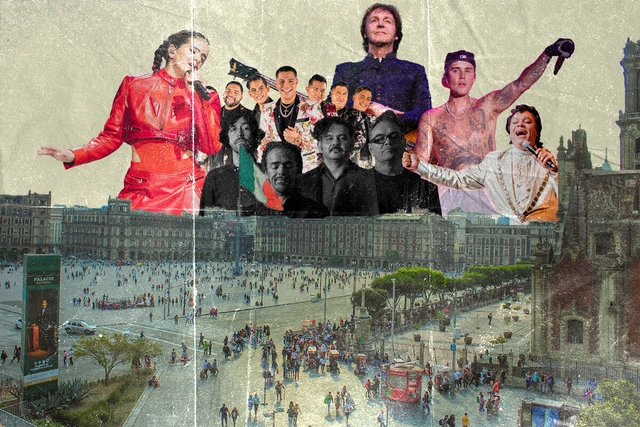
Being present has become the new currency, another way to accumulate symbolic capital, and a new way to validate status. It began with a sudden and rapid surge in museum attendance, alongside the visible crowding of specific areas of Mexico City. This points to an issue currently affecting us: gentrification and forced displacement.
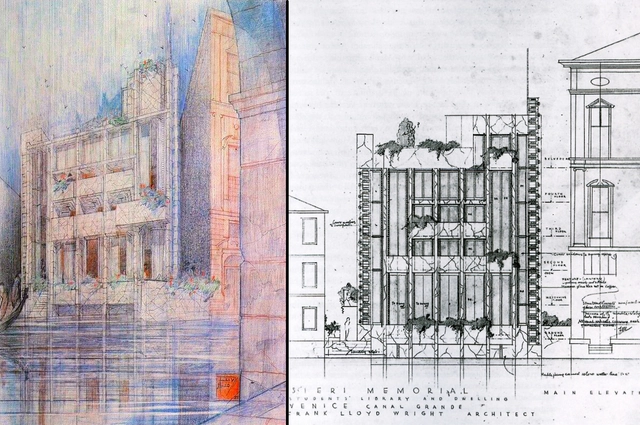
The history of architecture is filled with remarkable unrealized hypotheses, whether due to infeasibility, conceptual radicalism, or other specific factors. Even when conceived by the field's most prestigious minds, these ideas never overcame the inevitable constraints of material reality, nor could they be adapted to make them viable, even partially. Yet, the significance of these projects goes beyond the tangible. Beyond enriching the profession's intellectual heritage, these once-abandoned proposals were—and still are—a catalyst for reflection and a source of inspiration for diverse artistic approaches.
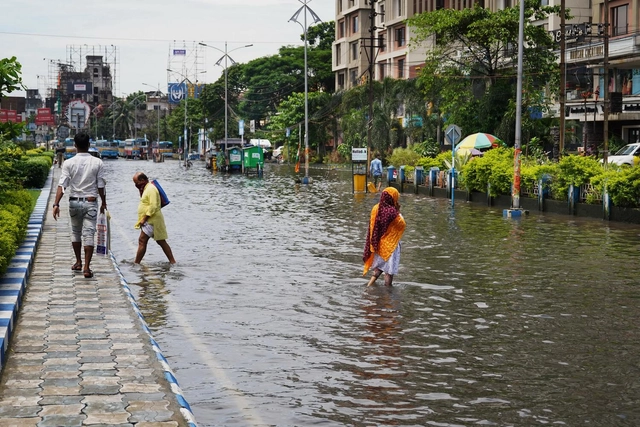
We have less than seven years to halve greenhouse gas emissions if we want to limit global warming to 1.5°C, the threshold scientists consider necessary to avoid some of the most dangerous impacts of climate change. In 2022, floods, droughts, and severe heatwaves claimed thousands of lives and affected millions worldwide, offering a glimpse of what to expect if we fail to take climate action. Since cities account for more than 60% of global emissions and are home to more than half of the world's population, changing how we manage the urban environment must be at the center of our efforts to curb the climate crisis.
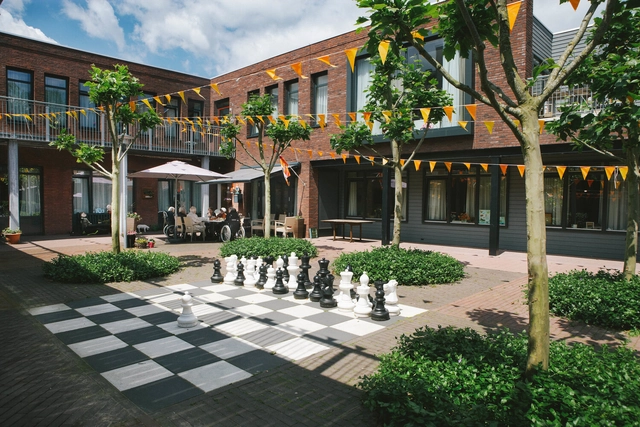
Dementia villages, or communities designed for people living with dementia, represent an innovative model of care for individuals experiencing cognitive decline, such as Alzheimer's disease. These environments are adapted and welcoming, fostering a sense of community while promoting resident autonomy and well-being.
Neuroarchitecture and dementia villages are closely linked, as both seek to create spaces that enhance the well-being and quality of life of those with dementia. Combining neuroscience with design, neuroarchitecture explores how the physical environment impacts the human brain and behavior.
Greenhouse gas emissions from the operation of existing buildings are significantly higher than those generated by new construction—that is, from materials and their use during construction, which account for 25%, while building operations represent 75% of emissions. And this is without accounting for the vast number of buildings falling under the concept of energy poverty.
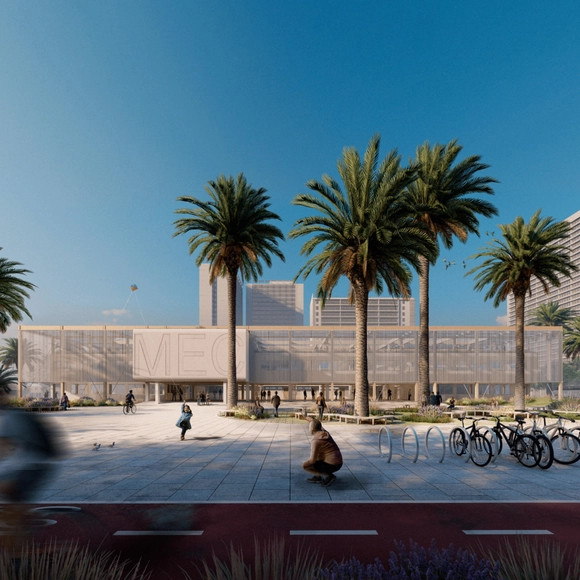
Against this backdrop, the 'Proyectar a Conciencia' (PAC) competition continues to advance the debate surrounding "building better versus improving what is already built" in its fifth edition. As always, the competition invited students and architects to present a vision of a better society through the energy retrofitting and partial physical transformation of institutional, private, or public infrastructure.
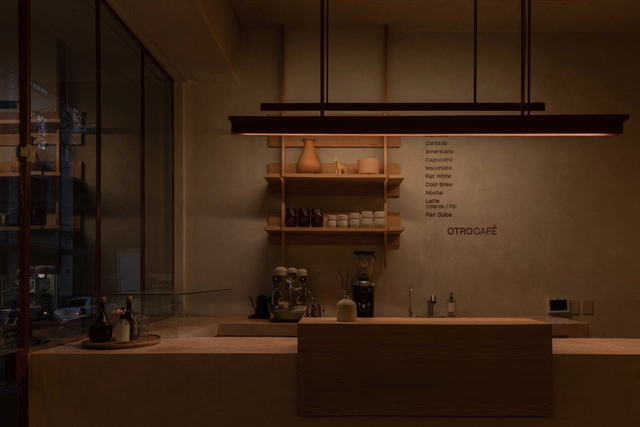
OTROCAFÉ is located on the ground floor of the iconic YWCA building, in the heart of Mexico City's Historic Center—a space steeped in over a century of history. The project was conceived as an integrated architecture and design proposal, a vision reflected in its creative framework. The cafe's design combines several key elements: subtle red accents, wood featured in both the custom furniture and as a continuous envelope wrapping the space, raw walls pigmented with a lime-based plaster, and soft, warm lighting that completes the atmosphere.
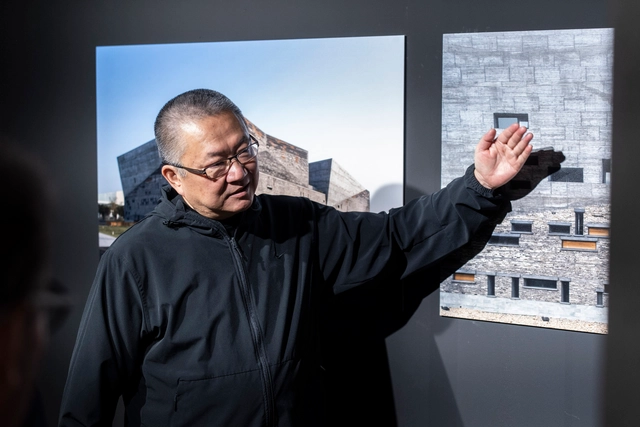
In October 2023, the Mugak International Architecture Biennial of the Basque Country opened its fourth central exhibition in the city of San Sebastián, Spain, the result of a collective dialogue between key figures from the architectural and artistic worlds. Positioned as one of the leading architectural events of the Atlantic Arc, this public meeting point engages with the trends and concerns of our time.
Running through February 2024 with free admission at the Basque Country Architecture Institute, the reflective exhibition "Habitar el Cambio" (Inhabiting Change) is structured around the concepts of "rebuilding, rehabilitating, and rethinking," responding to the current climate of complexity and crisis across economic, health, ecological, and social spheres.
Can we construct buildings using less water? Throughout June, ArchDaily opened the debate on water resources in architecture, inviting our readers to join the discussion.
Global water use data is discouraging, and the construction process accounts for a significant portion of this consumption. It was time to think about how to reduce this impact. The need to design buildings that do not require water offered a unique opportunity to explore innovative and sustainable alternatives to minimize or even completely eliminate water use in construction.
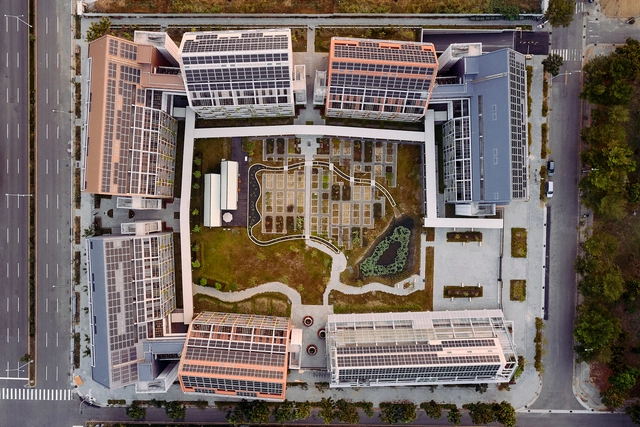
With 55% of the world's population living in cities, the concept of circular economy is increasingly prominent in discussions on architecture and urbanism. The goal of circularity is to reduce the environmental impact of the current production and consumption model through the efficient use of material resources and waste reduction. But how can this idea actually be applied to cities?
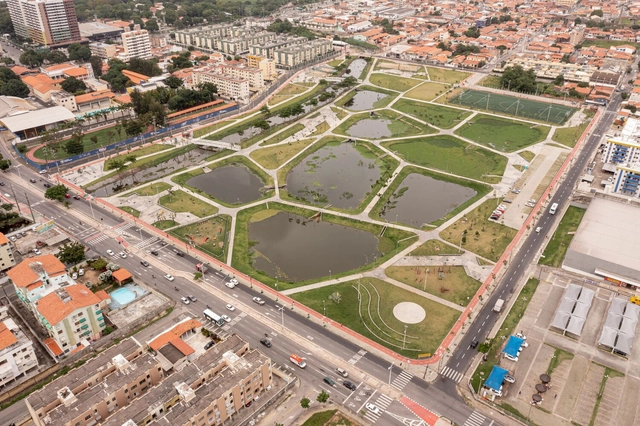
This February 2 marks another World Wetlands Day, held under the theme revitalize and restore degraded wetlands. The 2023 theme highlights that "if done correctly, these sites can offer the same benefits as the original natural wetland."
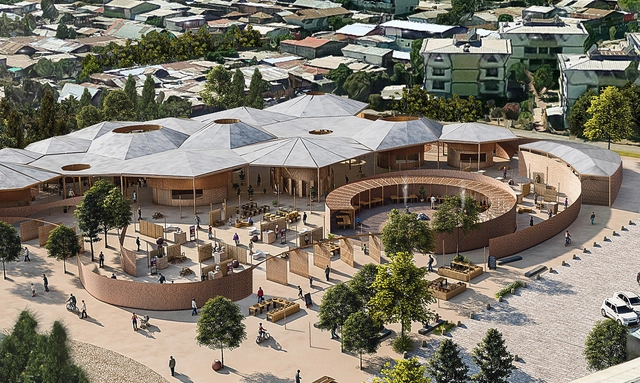
As part of the XXVI Arquisur Congress “Turns of Architecture,” held from October 11 to 13 at the Faculty of Architecture, Design and Urbanism of the University of the Republic of Uruguay, the winners of the 2023 edition of the Arq. José Miguel Aroztegui Award for Architecture Students, the Arquisur Research Award, and the Arquisur Outreach Award were announced.
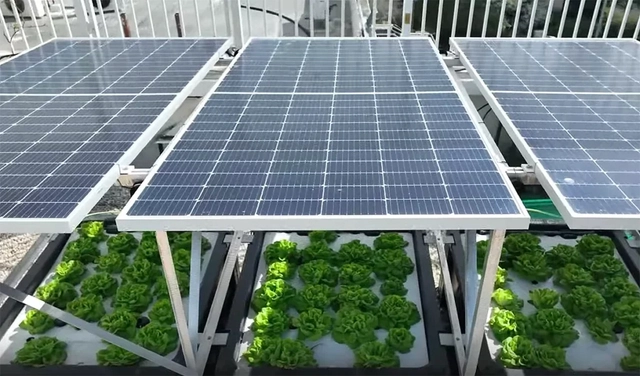
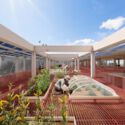
Bringing greenery and, in many cases, vegetable cultivation into urban areas yields countless benefits for city dwellers. Green roofs offer a solution for transforming underutilized areas into true natural oases, helping to mitigate urban heat islands, absorb rainwater, improve air quality, control noise levels, and attract biodiversity.
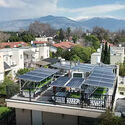
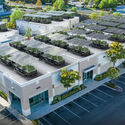
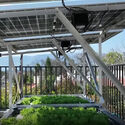
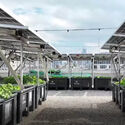

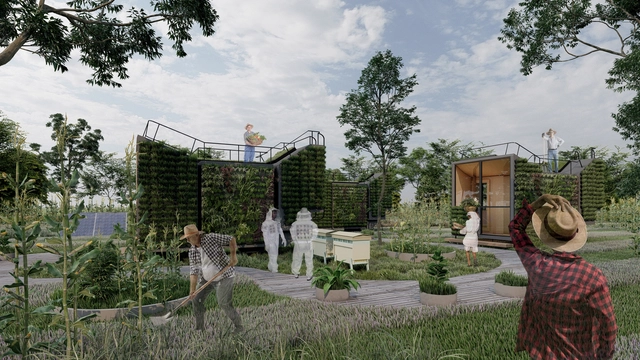
Habitat X is part of an ongoing research initiative developed over more than 12 years, led by Argentine architect Alejandro Borrachia, involving over 100 professors, students, and graduates from the University of Morón – School of Architecture and Design (UM-ESAD) alongside multidisciplinary actors and strategic partners from both the private and public sectors. Focusing on theoretical inquiry and the physical realization of a series of prototypes, the project engages with a specific program based on contemporary societal concerns and needs, connecting with processes, hypotheses, and case studies that spark unprecedented disciplinary shifts.
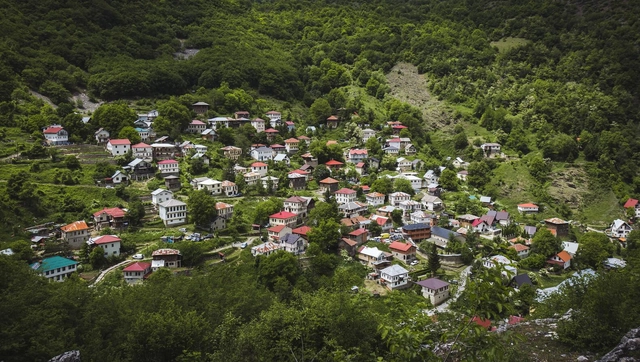
A resident of Vitória might not think of the Jucu River Basin forests when pouring a glass of water. Uruguayans likely do not think of the Amazon Rainforest when they watch rain fall on city parks. And residents of Addis Ababa are probably not thinking of the Congo Basin when they eat injera, a traditional Ethiopian staple made from teff grain.
Yet, forests near and far affect the daily lives of these people more than they realize.
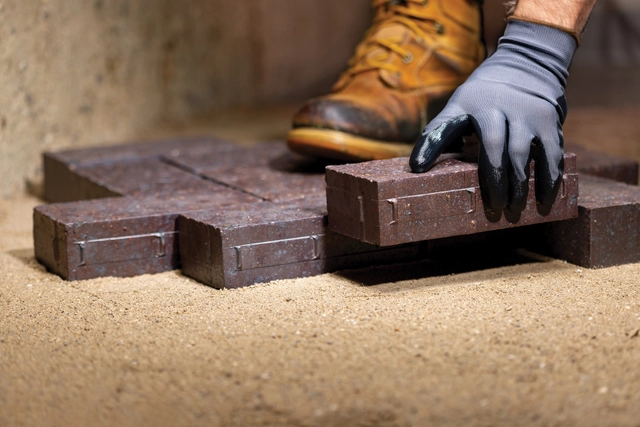
Composed of extremely fine mineral particles and formed through the long-term weathering and erosion of rock, clay possesses unique properties that make it highly versatile. When wet, it becomes highly plastic and malleable, allowing it to be molded into virtually any shape. Once dried and fired, it becomes hard and durable, leading to its widespread use in construction and ceramics. In outdoor applications, clay pavers are particularly common, favored for their durability, resistance to weathering and traffic, natural earthy tones, and ease of installation.