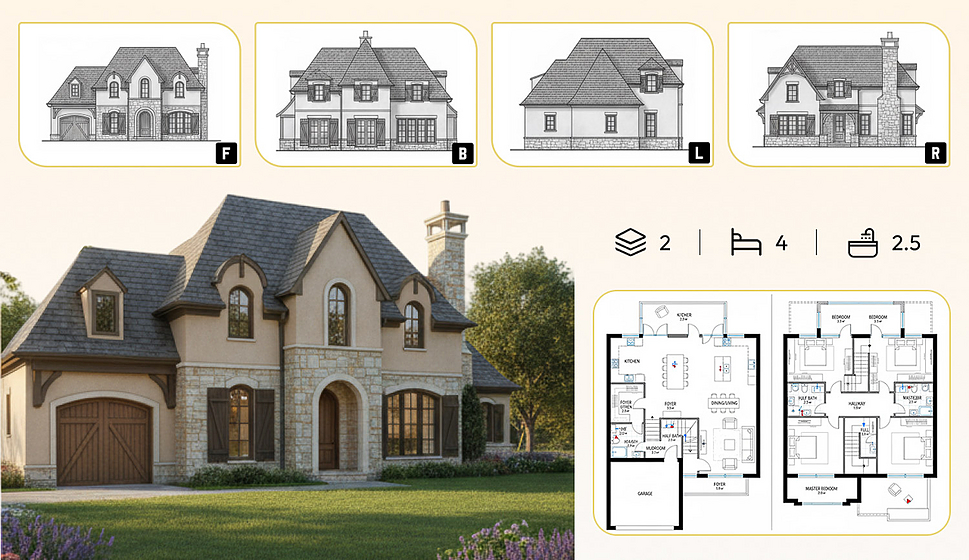
This guide covers a workflow that moves from project parameters to generated floor plans, 3D perspective views, exterior design exploration, and site context visualization, using AI tools in place of preliminary CAD and rendering work.
This guide covers a workflow that moves from project parameters to generated floor plans, 3D perspective views, exterior design exploration, and site context visualization, using AI tools in place of preliminary CAD and rendering work.
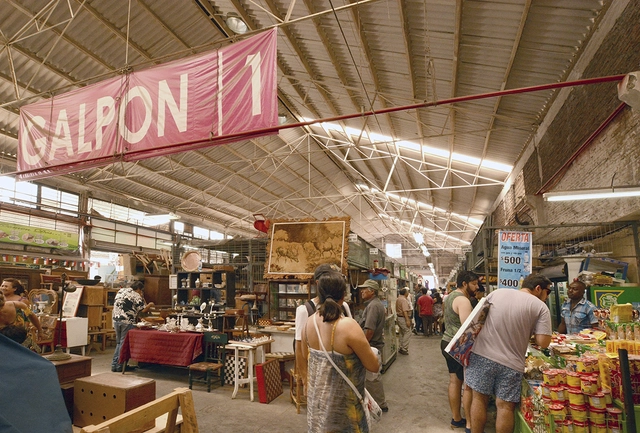
Between September 8 and 9, the annual Open House architecture festival—which began in London and is now held in more than 40 cities worldwide—will host its second edition in Santiago, Chile.
Aimed at anyone interested in exploring the city's architecture and urban design under the slogan "TENGO GANAS DE CONOCER SANTIAGO" (I Want to Get to Know Santiago), this free, weekend-long open-door festival offers access to spaces normally closed to the public or hidden within the city, showcasing their outstanding architectural, engineering, environmental, urban, social, and cultural value.
Explore a selection of participating venues for Open House Santiago 2018 below.

A few months ago, architect Filipe Vasconcelos shared his digital collages with us, exploring the similarities between architecture and objects. He creates scenes in which buildings are recontextualized in situations completely removed from their original contexts and uses.
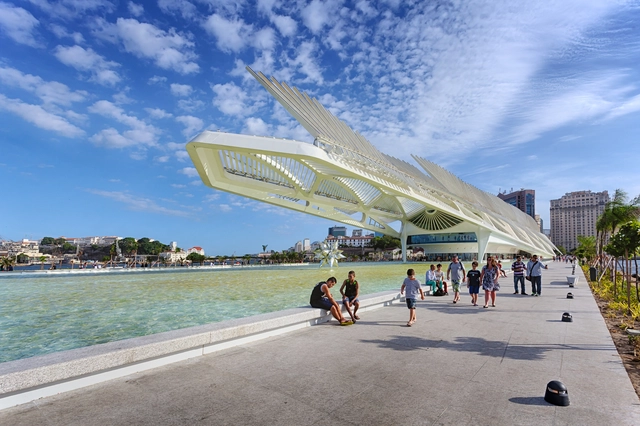
What do the arrival of the Portuguese royal family, Brazil's largest slave trade market, the murder of student Edson Luís during the military dictatorship, and the R$52 million bribe received by Eduardo Cunha have in common? They all took place in Rio de Janeiro’s port area and can now be (re)discovered through the Museum of Yesterday (Museu do Ontem), an app launched by Agência Pública that aims to rescue these stories and foster a new relationship with this important urban territory.

2018 was a busy year for ArchDaily Brasil. We had the opportunity to publish a wide range of content—articles, news, and projects—specially curated for you, our daily reader. Beyond our platform, our Instagram account served as a daily hub for sharing content through stories, IGTV, and, above all, the dozens of photographs shared each week.
With nearly 150,000 followers on our Brazilian profile (@archdailybr) who follow us daily and show their support for the best architectural photography of projects by Brazilian and Portuguese architects, we decided to put together a year-end roundup of the 15 most-liked photos. Check out the list below!
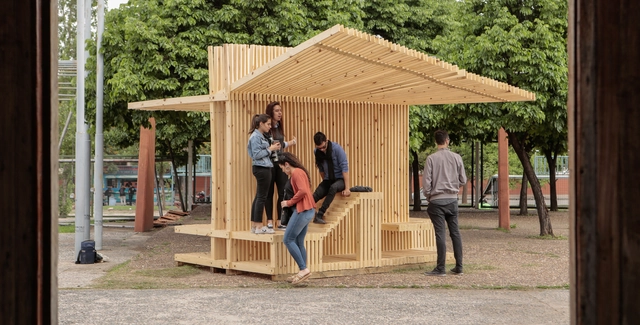
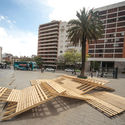
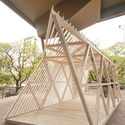
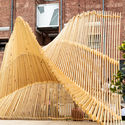
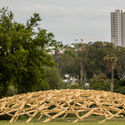
Jointly organized by the Cámara de la Madera, Mueble y Equipamiento de Córdoba (CAMMEC) and the Faculty of Architecture, Urbanism, and Design at the Universidad Nacional de Córdoba, the 'Toco Madera XL' workshop emerged within the framework of the Second Design Biennial in Córdoba, Argentina, with the primary goal of promoting the use of wood.
Nine teams made up of more than 200 students and 50 professors designed installations using this material exclusively, which were then placed in various public spaces across the city. The initiative sought to showcase and highlight the regional timber industry, positioning the city as a benchmark for local and international design.
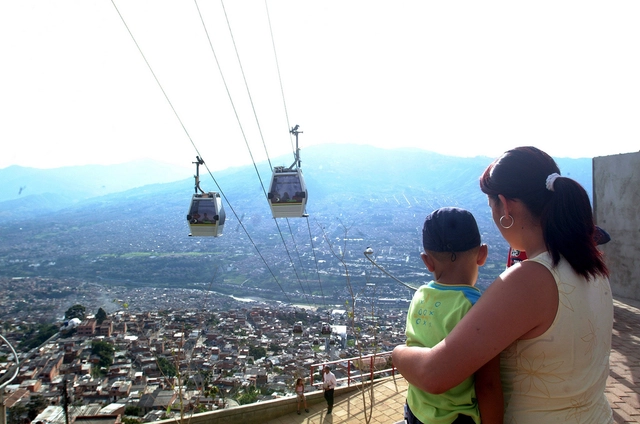
Some urban changes go deeper than the surface. These are transformative projects with the power to generate an impact far greater than aesthetic or infrastructural updates. They are initiatives that positively influence the economy, the environment, and the host community—in unexpected or even unprecedented ways.

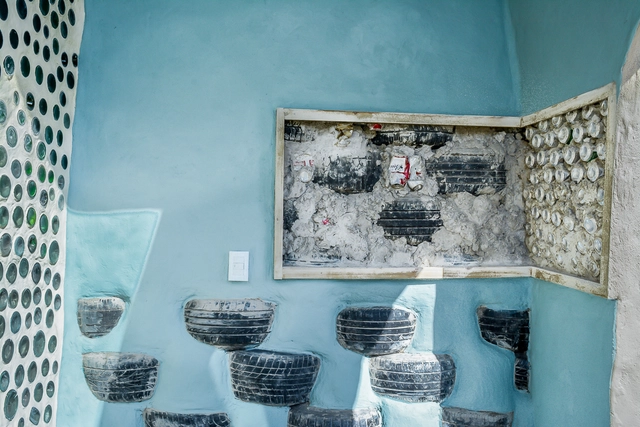
On April 19, Argentina's first sustainable public school was officially inaugurated in the town of Mar Chiquita.
The project was realized under the Una Escuela Sustentable program, an initiative by the Uruguayan organization Tagma that aims to build a symbolic regional network—with a sustainable public school in every Latin American country—in partnership with Garbage Warrior Michael Reynolds and his team at Earthship Biotecture.
Below, the organizers outline the seven core principles and the construction process of this project.
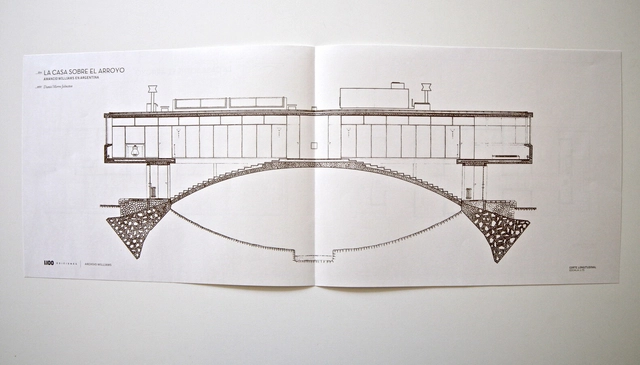
‘The smell of smoke mingled in the air, like poison,’ these captivating opening words already foreshadow a tragic end. The result of an unusual sequence of events, they demonstrate that the threads of fortunate—and unfortunate—circumstances are far more complex to weave and comprehend than a casual observer might think. The chain of stories sequenced by Daniel Merro Johnston in Casa sobre el Arroyo by Amancio Williams —published by Ediciones 1:100— does not merely outline a process and its parallel events; it highlights the singularity of the construction itself, serving as a testament to the complexity, the timelines, and the unforeseen circumstances involved in creating a ‘good’ work of architecture.

We have finally reached the last day of 2018, a year marked by a series of architectural trends, novel proposals presented in competitions, biennials, and architecture fairs, and above all, punctuated by a sea of projects reflecting the concerns of architects proposing new directions for the discipline. Now, after 365 days of many surprises for the world of architecture, it is time to celebrate and give thanks for another year—and what better way to welcome 2019 than to the sound of great music? With this in mind, our editorial team has curated a special selection: featuring the moving sounds of Coldplay and John Lennon, festive beats from Bruno Mars and Alok, and Brazilian classics by Elis Regina and João Gilberto.
Check out the full New Year's Eve playlist below.
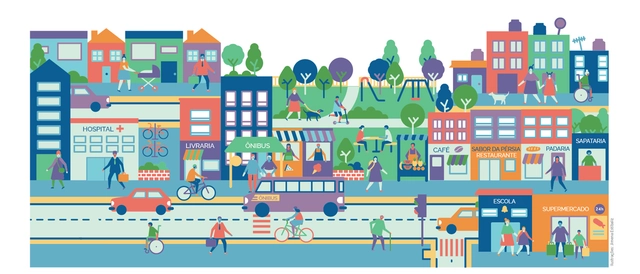
When there is a balanced combination of complementary activities in a given neighborhood (meaning a mix of housing, workplaces, commerce, and services), a significant portion of its residents' daily trips can remain short and walkable. Diverse uses, with different peak hours throughout the day, help keep streets busy and safe for longer, stimulating pedestrian and cyclist activity and promoting a lively human environment where people want to live. This also helps balance public transit demand, resulting in a more efficient and sustainable operation over longer periods of the day. People of all age groups, genders, and income levels can safely interact in public spaces.

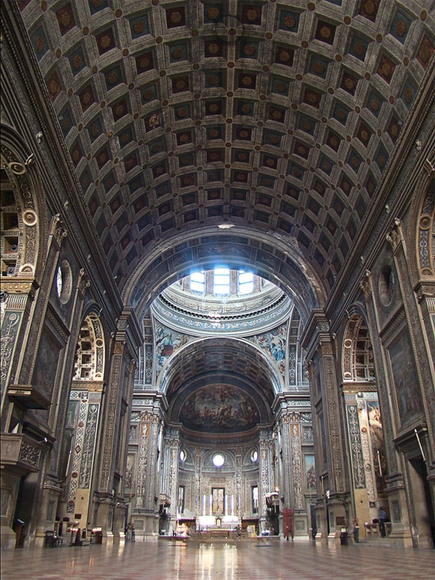
More than a decade ago, I decided to study contemporary architecture while simultaneously teaching history and criticism, with an emphasis on the last century. The thrilling trajectory of architecture during this period is as surprising and prolific as it undoubtedly was during the Renaissance. Names like Gropius, Jeanneret, Mies, Wright, Costa, Niemeyer, Tange, Bonet, Williams, Scharoun, Terragni, or Aalto represent a group of brilliant architects, much like historical figures such as Leonardo, Raphael, Michelangelo, Brunelleschi, Bramante, Tintoretto, Titian, Masaccio, Botticelli, Palladio, Alberti, and Vignola were to their art starting in the fifteenth century. Modernity in architecture and art undoubtedly possesses the character of a revolutionary period, one of monumental contributions and a turning point in history.
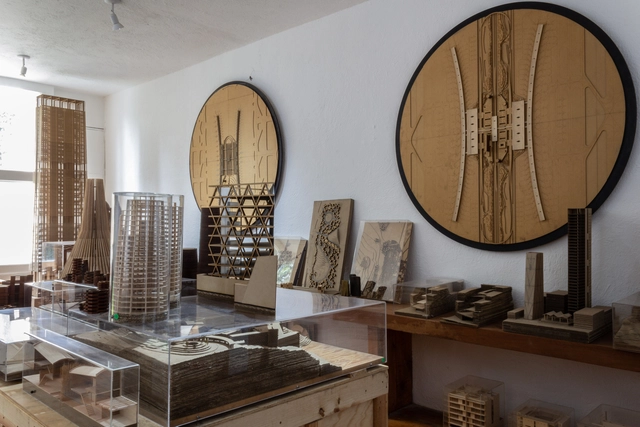
In 1988, upon the death of Luis Barragán, a process began to manage the assets he bequeathed to a group of architects based in Guadalajara, Jalisco. This led to the creation of the Fundación de Arquitectura Tapatía Luis Barragán, established to safeguard a portion of his real estate, his library, and certain personal belongings. Consequently, the foundation secured the necessary funding to acquire the Luis Barragán House and Studio, preserving it as the house-museum it is today.
We spoke with architect Salvador Macías, co-founder of Estudio Macías Peredo, who now directs this venue, which aims to provide a public space for reflection and the dissemination of architecture.
.jpg?1525787422&format=webp&width=640&height=580)
Documenting the urban landscape is a task photographers have undertaken almost since the birth of photography in the second half of the nineteenth century. Inexhaustible, the city continues to serve as raw material for photography, which, in turn, offers an image of the city that is simultaneously identical to and distinct from what is felt when experiencing the urban space.
Mauro Restiffe is perhaps one of the photographers who most deeply experiences the city and its residual spaces—an aspect that becomes immediately apparent upon viewing the selection of photographs chosen for the exhibition São Paulo, Out of Reach, on display at the Instituto Moreira Salles in São Paulo, curated by Thyago Nogueira. Bringing together photos that record moments of urban transformation and decay in places such as Cracolândia, Bom Retiro, Luz, Itaquera, and Ipiranga, among other neighborhoods, Restiffe composes a fragmented image of São Paulo between 2012 and 2014. Yet—partly due to his technique and, above all, his gaze—it also represents other eras of this metropolis.
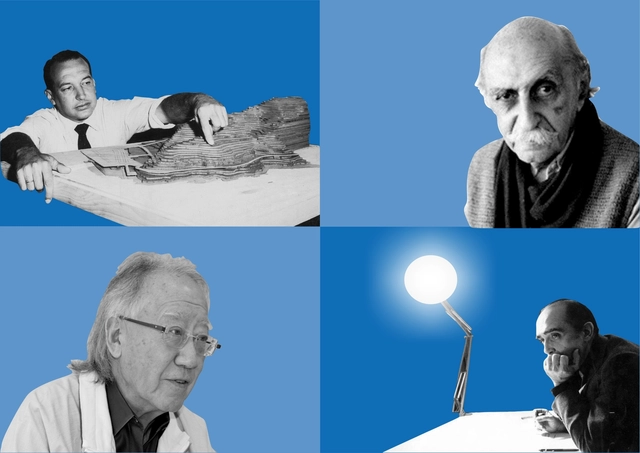
In any profession, it is common for children to follow in their parents' footsteps, motivated by the environment they grew up in and inspired by a passion for the craft. Architecture is no exception. Growing up surrounded by sketches, floor plans, and coffee seems to spark the desire to pursue the same career.
In celebration of Father's Day, observed in Brazil this coming Sunday, August 12, we have compiled a list of architects who followed in their fathers' footsteps. Read on below:
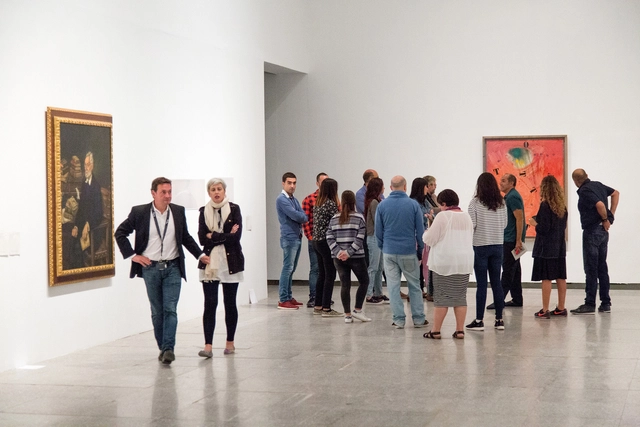
Adolf Loos, Joaquín Vaquero Palacios, Fernando Moreno Barberá, Norman Foster, and the bicentennial of the Museo del Prado are just some of the key names and milestones set to take over Spanish museums in 2018.
Here are 10 highly recommended architecture exhibitions for the new year that offer a rich and compelling cultural lineup. They span Spanish and international architects, iconic buildings from Spain's architectural history, and the profound impact of emerging technologies—such as artificial intelligence and virtual reality—on the field of architecture.

Few cities worldwide have had the courage to tax vehicle circulation—even though existing examples have, so far, been positive. It has fallen to Buenos Aires to launch the first policy of this kind in Latin America. Starting now, the city government will charge for the time saved by those who insist on driving in the historic center (known as Microcentro) of the Argentine capital and in the Retiro neighborhood between 11 a.m. and 4 p.m. The city joins a list whose prominent names include Singapore, London, Stockholm, and Milan.
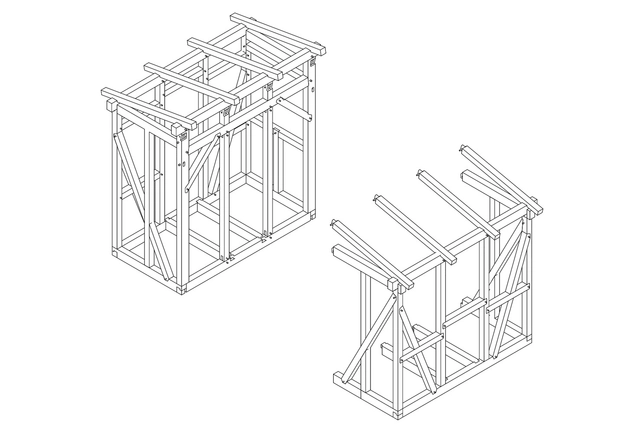
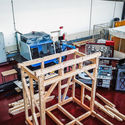
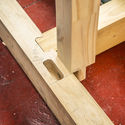
Aiming to offer low-income households genuine flexibility for expansion and adaptation during their housing process, the Robotic Timber Framing group at the Department of Architecture of the Universidad Técnica Federico Santa María, led by Luis Felipe González and Francisco Quitral, is developing timber housing structures that can be freely assembled and transformed by their occupants.
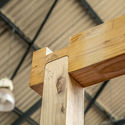
Without the need for metal fasteners, the components are joined using mortise and tenon joints, a process carried out by an industrial robot equipped with cutting tools.


I have been writing about gentrification for some time now. However, over the past week, two reports in particular caught my attention regarding how the topic is stirring up debate in two very different places: California and Berlin.
Interestingly, both cases boil down to the same underlying reason: the risk of gentrification in these cities is largely driven by the impact of innovation ecosystems on local real estate dynamics.
Therefore, this article aims to reflect on how Americans and Germans are tackling the issue, each in their own way. Furthermore, what lessons can we draw from these experiences, given that this could soon affect Brazilian cities rising in the national entrepreneurship and innovation scene?

In the constant ebb and flow of those moving through the city of São Paulo, you have likely noticed the distinctive graphic pattern repeated across various sidewalks. The classic pattern behind the modules that graphically form the map of the state of São Paulo was created in 1966 by architect and artist Mirthes dos Santos Pinto. It all began in the 1960s when then-mayor João Vicente Faria Lima launched a competition to design the city's new pavement. Mirthes, who at the time worked as a drafter for the São Paulo Municipal Works Department, created a stylized map of the State of São Paulo. Using square modules of black and white geometric tiles, the design alternated between solid colors and diagonally split tiles to create a continuous pattern.
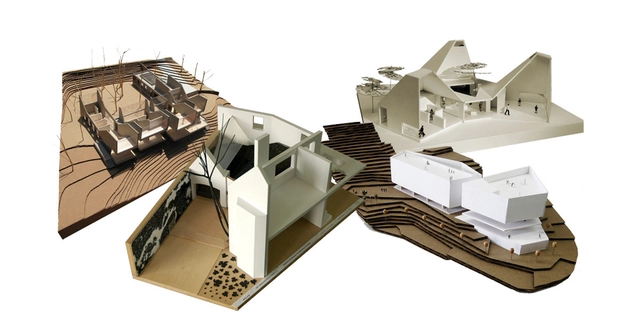
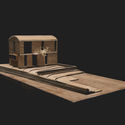
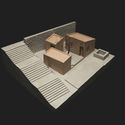
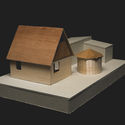
There are now more than 350 Colombian projects published on ArchDaily. To celebrate this milestone, we have curated a selection that highlights the invaluable role of architectural models in conceptualizing, designing, and constructing contemporary Colombian architecture.
Far from the photorealism now achieved by 3D rendering specialists, the physical model endures as a critical tool for conceptual, spatial, structural, and constructive exploration, as showcased in the following selection:
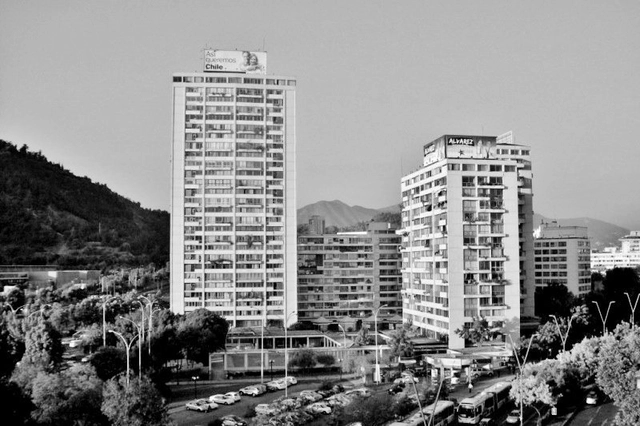
The lessons that can be drawn from visiting or studying a work of architecture are both many and varied. Whether we focus on programming, construction details, material solutions, relationship to context, siting, or any other aspect, these considerations yield clear concepts that can later be applied to our own projects.
With this in mind, and recognizing that there are multiple ways to approach an architectural problem, we have compiled a list of design strategies that define specific spatial qualities in classics of Chilean residential architecture, grouping together some of the most remarkable design moves from each case.
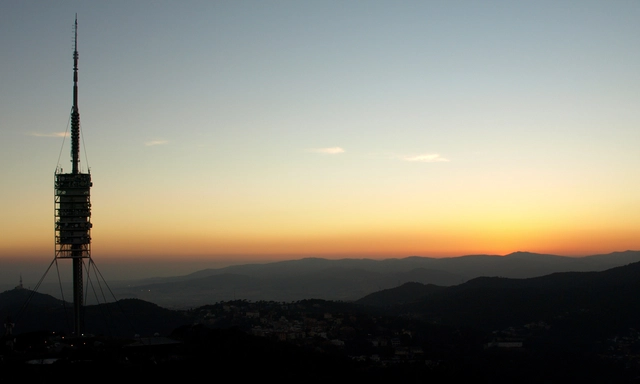
For optimal and wider propagation of TV and radio frequencies, antennas must be positioned in strategic and, above all, elevated locations. When the local topography is unfavorable, the construction of broadcasting towers and masts becomes essential. Yet, beyond serving a crucial function, these structures stand as visual landmarks, offering an extraordinary opportunity to transform urban infrastructure into pieces of unique aesthetic value. Renowned architects and their teams have designed radio and television towers that marry rigorous structural engineering with the plastic inventiveness of their chosen design solutions. We have selected a brief collection of television and radio transmission towers. See them below:
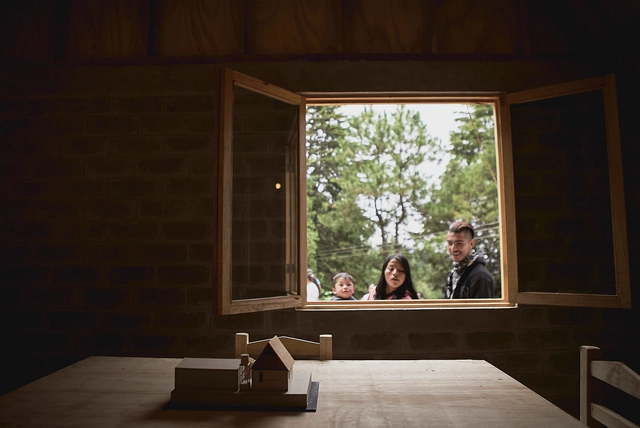
Nearly a year after an earthquake struck Mexico City and several Mexican states on September 19, 2017, we are beginning to see the fruits of the many efforts that arose in response to the slow—and at times nonexistent—government reaction, with citizens taking it upon themselves to organize and help. Various associations, foundations, and collectives joined the cause, and the architectural community was no exception.
This gave rise to ReConstruir México, driven by the determination to put architectural expertise at the service of those most in need, assisting in the reconstruction and conservation of affected heritage by providing technical support and advice, as well as designing and proposing solutions. However, goodwill alone was not enough; a multidisciplinary, integrating entity was needed to channel these efforts into physical housing for the victims. PienZa Sostenible stepped into this role, coordinating the process as a non-profit organization. As a platform for study, analysis, critique, engagement, and implementation addressing Mexico's current situation, PienZa Sostenible promotes outreach and drives projects aimed at improving quality of life, social development, economic growth, and environmental sustainability in line with the United Nations 2030 Agenda for Sustainable Development.
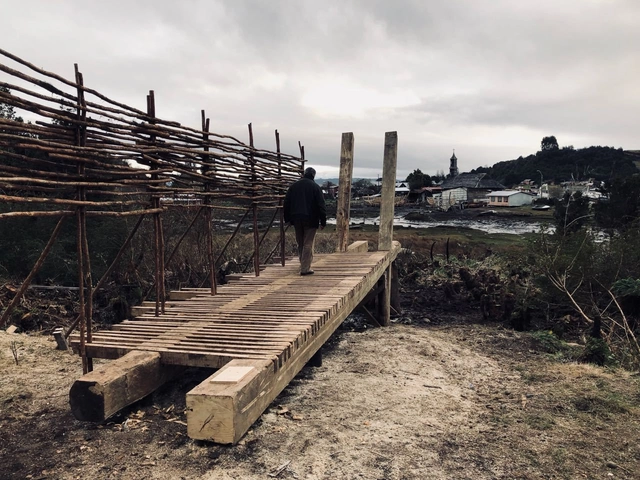
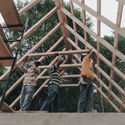
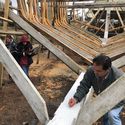
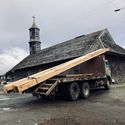
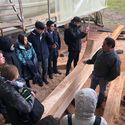
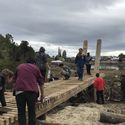
Over the course of five days, 36 third-year students from the UDD Architecture Program in Concepción, Chile, traveled to San Juan, Chiloé, to design and build a lookout for the local community. The main objective of this academic initiative was to connect students with physical materiality, marking the beginning of their professional degree cycle. The project is part of "Experiencia Detonante II" (Triggering Experience II), one of three hands-on experiences students undergo during their studies to engage directly with territory, materiality, and the discipline. Specifically, the Concepción campus, through its Escuela SurSur, fosters this connection to materiality by engaging with remote locations that preserve traditional local crafts.