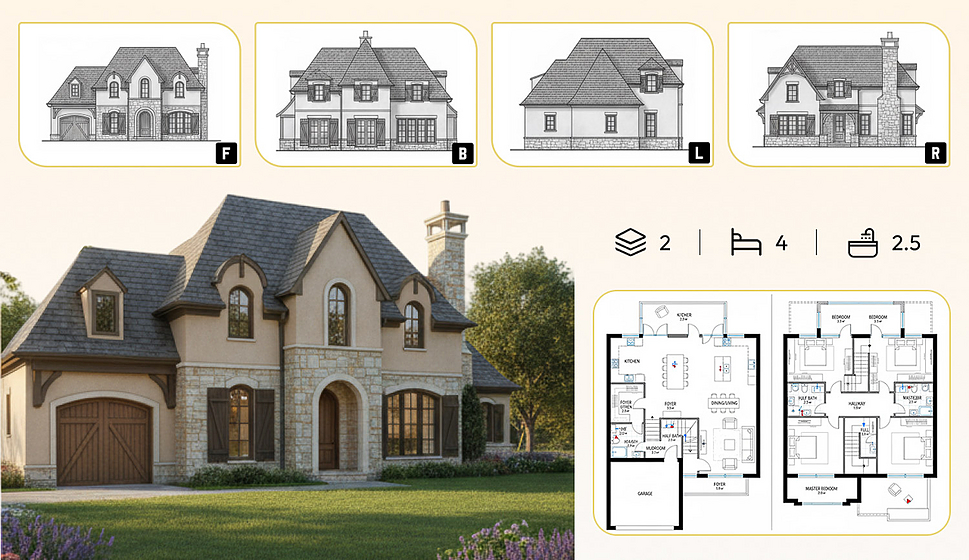
This guide covers a workflow that moves from project parameters to generated floor plans, 3D perspective views, exterior design exploration, and site context visualization, using AI tools in place of preliminary CAD and rendering work.
This guide covers a workflow that moves from project parameters to generated floor plans, 3D perspective views, exterior design exploration, and site context visualization, using AI tools in place of preliminary CAD and rendering work.
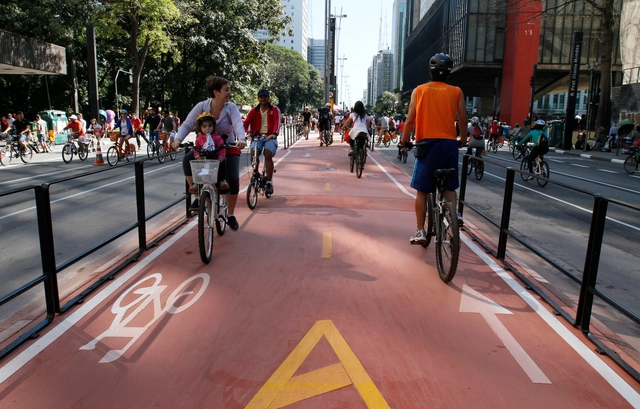
The study titled Prioritize Active Transportation by Bicycle!, published by the Center for Metropolitan Studies (CEM)—a research center at the Faculty of Philosophy, Languages and Literature, and Human Sciences (FFLCH) of the University of São Paulo—presents an analytical planning tool for São Paulo's cycling network, comparing the current scenario with future planning through the lens of inequality.
Journalist Flávio Soares, a master's student at USP's Polytechnic School (Poli), a member of the CEM research team, and one of the paper's authors, explains the key factors analyzed for the construction of bike lanes and cycle tracks in cities.
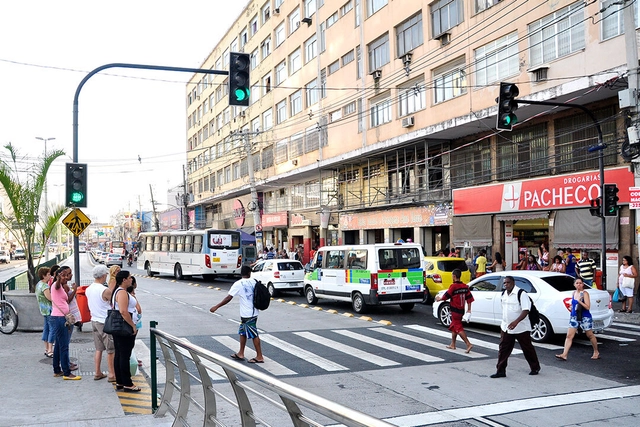
On the 6th, Rio de Janeiro Mayor Eduardo Paes requested CET-Rio, the municipal traffic management agency in the capital, to adjust the speed limits along the waterfront roads. This measure is of paramount importance given that, according to City Hall, more than 600 people lost their lives in traffic crashes in Rio last year, with over 60% resulting from pedestrians being struck by vehicles.
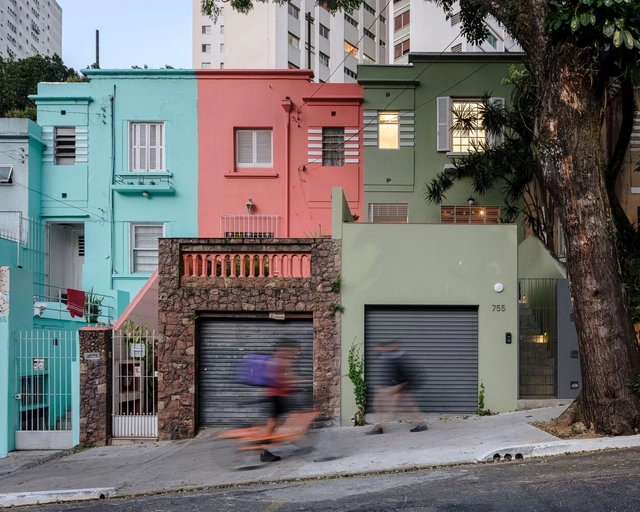
As the end of the year approaches, it brings the opportunity to reflect on the standout architectural moments of 2023. With this in mind, we looked at the most liked photos on ArchDaily Brasil's Instagram.
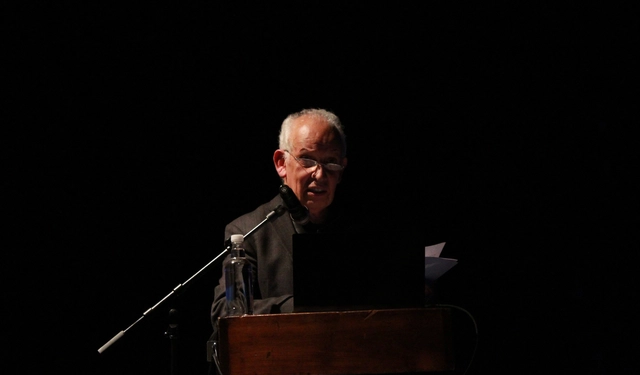
On December 2, the 26th National Congress of Architects concluded at the Bíobio Theatre with a moving ceremony that featured the presentation of the 2023 CA Awards, a keynote lecture by National Architecture Prize winner Fernando Pérez Oyarzún, and the submission of the congress's final resolutions, which will serve as a mandate for change for the National Board of the Chilean Association of Architects.
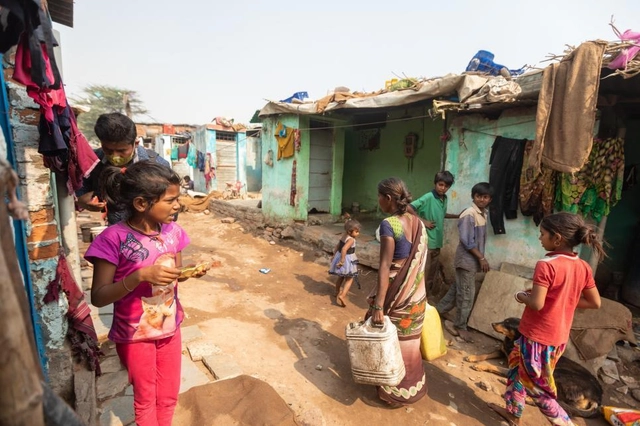
2023 broke temperature records worldwide. People across different regions of the planet are already facing historic heatwaves, wildfires, and droughts with just 1.1°C of warming above pre-industrial levels. Under current policies, which put the world on track for a warming scenario of 2.5°C to 2.9°C by 2100, the stifling heat felt this year is just a small taste of the future ahead.
The academic world has much to contribute to the field of architecture and urbanism. Its research and proposals foster inspiring visions, new materials, and concepts, sparking essential debates on how we perceive, occupy, and design the built environment. Across their entire spectrum, final graduation projects offer students an opportunity to put forward a final proposal before earning their degree, addressing diverse themes and touching upon urgent issues. Consequently, we host an annual call for submissions open to all Portuguese-speaking countries to present a panorama of outstanding projects that help us reflect on the past year and look to the future.
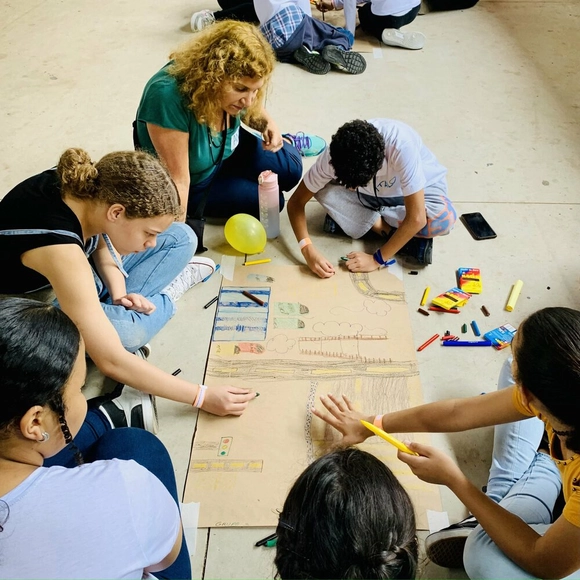
The Instituto Corrida Amiga works to bring people closer and connect them to the spaces they inhabit, aiming to transform citizens' daily lives through the perspective of active mobility, access, and the right to the city.
Part of the institute's initiatives consists of educational practices designed for diverse audiences, featuring playful-educational activities that encourage active participation and collaboration. This allows participants to express their opinions and desires, fostering decision-making, critical thinking, and empathy.
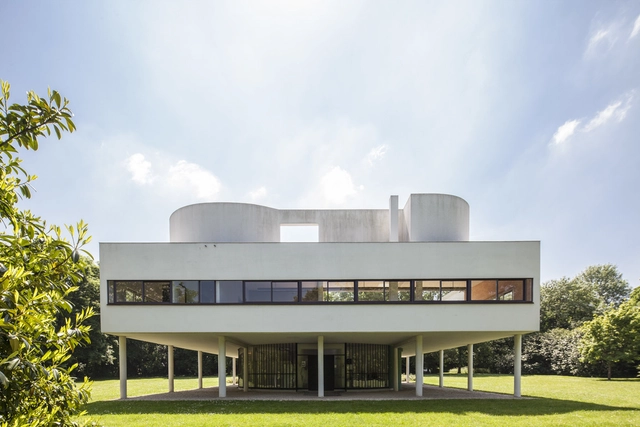
They say that it doesn’t matter what happens, but how you see it. They also say that literature does not reproduce reality, but rather creates another. It all starts with an idea. Just an idea. Image and imagination go hand in hand, meaning they constitute the mechanism of human perception, thought, language, and memory. And in essence, architecture is nothing more than organizing ideas. The question is: how do we organize these ideas? Or rather, how do you see things? Is there really perception without social and cultural context? The short answer is no. The long answer involves interpretive anthropology, a bit of theory, and a great deal of criticism.
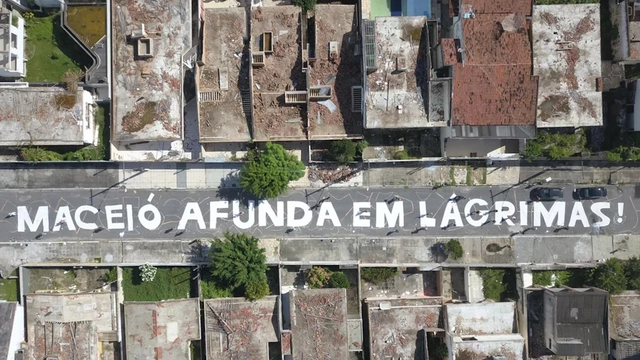
Since March 2018, when a 2.5-magnitude tremor on the Richter scale startled the residents of Maceió, the population of the Alagoas state capital has become aware of—and gradually had to grapple with—the consequences of a tragedy that would soon fully unfold. Following the appearance of a series of cracks and sinkholes across various neighborhoods, geological analyses identified the primary cause of the ground subsidence: the extraction of rock salt—a mineral used in the manufacturing of caustic soda and PVC—which had been carried out in Maceió for over 40 years by the petrochemical company Braskem.
With new tremors in November 2023 and the imminent risk of the mines collapsing, Maceió's crisis returned to the Brazilian headlines, shedding light on a range of complex urban issues tied to the tragedy. From physical damage to city infrastructure and forced displacement to inflation and real estate speculation, the unfolding disaster reveals painful scenes of what is already being called one of the worst urban tragedies in the world. Immersed in this crisis, the city's population suffers from incalculable damage: "The cracks weren't just in the buildings; they were in us, in our souls."




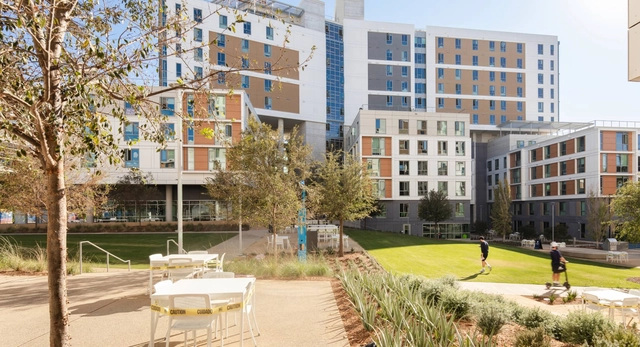
The interaction between architecture and human well-being is a field drawing increasing interest in the contemporary world. The role of architecture in daily life extends far beyond its aesthetic or practical functions; it directly shapes the experience and well-being of those who interact with built spaces. This fundamental link between architectural space and human well-being is being increasingly explored by researchers and practitioners seeking to understand and optimize the impact of the built environment on people's health and quality of life.
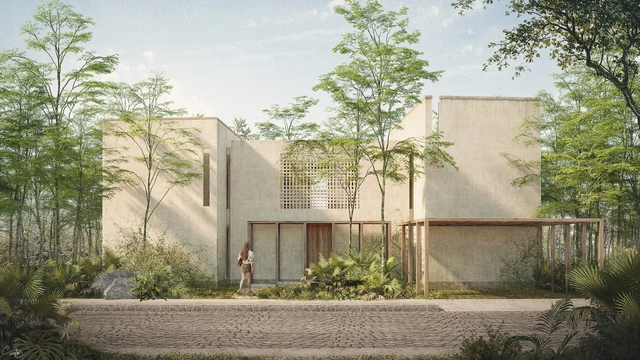
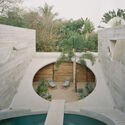
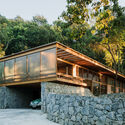
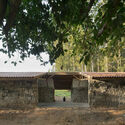
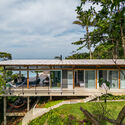
Mexico City- and Guadalajara-based firm Estudio AMA debuts with its "Riviera Ka’an Residencias" project, located in Xpu Ha, a town in the state of Quintana Roo, Mexico, situated south of Playa del Carmen and north of Tulum on the Caribbean coast. Estudio AMA presents itself as a creative space encompassing all fields of design: architecture, interiors, graphic design, and art.
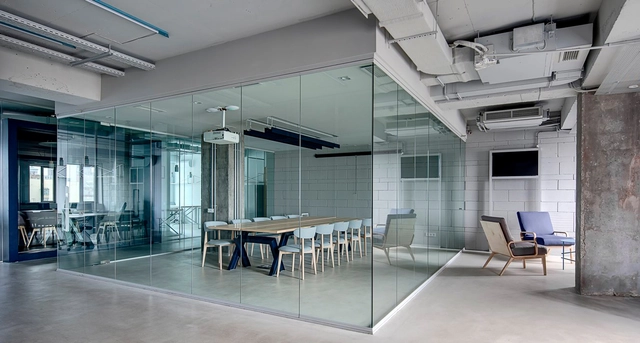
In the context of contemporary design, glass partitions have gained prominence in the world of interior design due to their versatility in harmoniously combining elegance, functionality, natural light, and spaciousness. One of their primary advantages is transparency, which allows for spatial division without obstructing natural light, offering a sense of openness and connectivity between areas. This is particularly beneficial in small spaces where light can make a significant difference in the interior atmosphere.
At the same time, construction methods are simplified by the clean and rapid installation of glass walls and doors, as well as their multiple mounting options, which adapt to structural conditions and construction sequencing. Moreover, while transparency is a key feature, glass partitions can also incorporate options to ensure privacy when necessary, utilizing various types of glass with digital printing, silkscreening, or satin finishes.
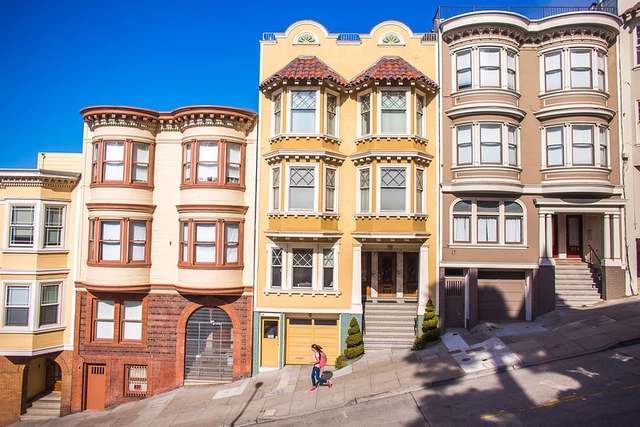
Promoting homeownership as an investment strategy is a risky proposition. No financial advisor would recommend taking on debt to put such a large portion of your savings into a single financial asset, whatever it may be, due to the high concentration of risk.
Worse yet, this risk is not random: it falls most heavily on low-income buyers, who receive poorer financing terms and whose neighborhoods are systematically more prone to lower or even declining home values, leading to devastating consequences for the racial wealth gap.

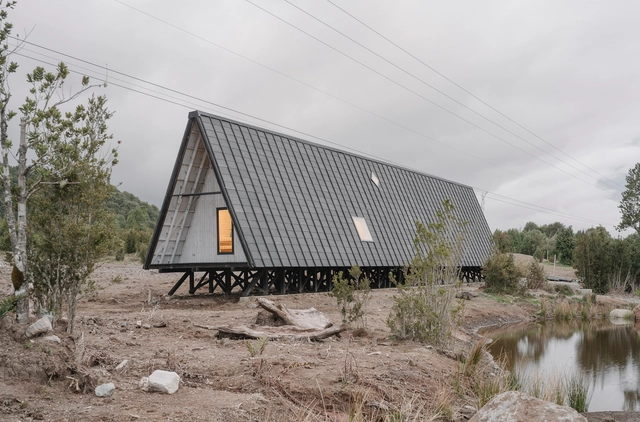
ArchDaily's curatorial team strives every day to present our readers with the most significant, inspiring, and innovative projects, while also ensuring a diverse representation of global architecture.
As part of our 2023 Year in Review retrospective on ArchDaily, we look back and reflect on what was published over the past year. Residential architecture remains one of our most visited categories of built projects, generating immense interest among our users worldwide. With this in mind, we have selected the 50 best houses published this year on ArchDaily en Español, offering a brief showcase of the form and character of residential architecture across the Spanish-speaking world.
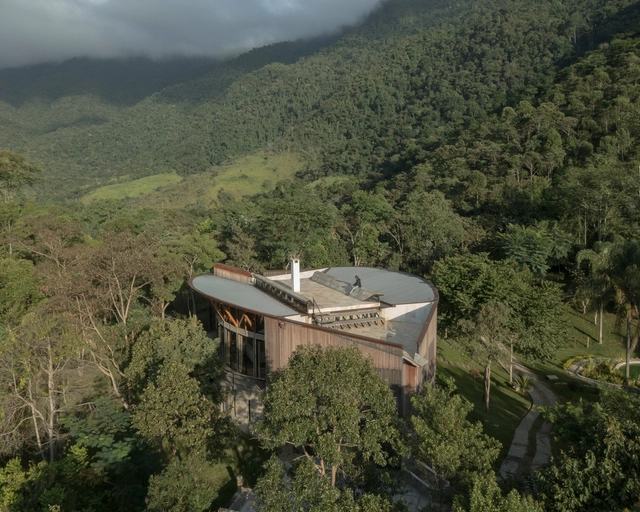
ArchDaily's curation team strives daily to present our readers with the most significant, inspiring, and innovative projects, expanding the knowledge and repertoire of students and architects worldwide. From small renovations to projects designed from scratch, residential architecture is a constant in the daily practice of most firms. Year after year, we see the deep interest this typology sparks: it remains the most popular category among our audience.
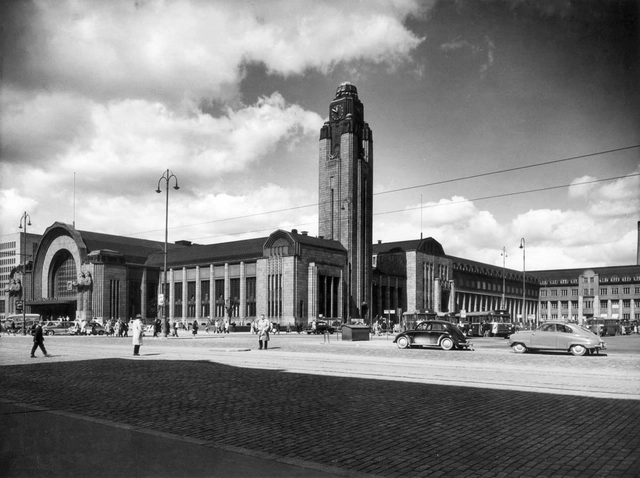
Kenneth Frampton, a prominent architectural critic, characterizes a group of late nineteenth-century works as belonging to the “New Tradition”: with its origins spanning from 1900 to 1914, he defines it as “a consciously modernized historicist style” (1997, p. 255). He proposes these buildings as a response to two significant historical events: on the one hand, nascent European Modernism, tending toward machine aesthetics, functionalism, and formal abstraction; on the other, the consolidation of national states occurring across the continent.
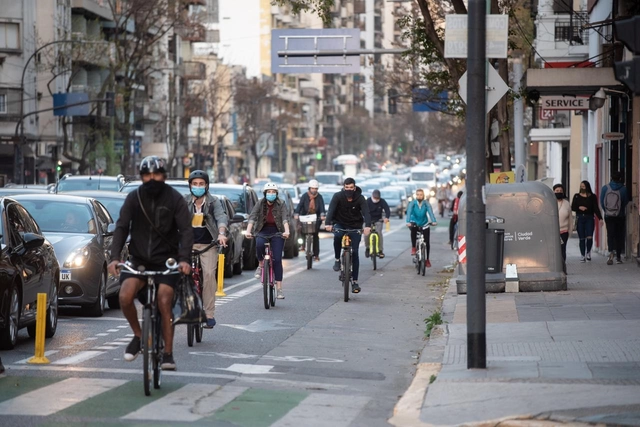
Bicycle infrastructure has grown rapidly in Latin American cities over the last decade. Cities like Bogotá and Santiago have more than doubled the extent of their bike networks. This is promising news, as studies show that cities prioritizing safe infrastructure record significant reductions in cyclist deaths and injuries and gain considerable economic benefits from reduced traffic congestion and fewer sick leave requests.
Nevertheless, much of the existing bicycle infrastructure in Latin American cities was built on local and secondary roads. While implementation may be easier on less busy streets, this approach also reduces the efficiency and overall impact of cycling, in addition to creating safety issues. Cyclists tend to seek shortcuts and the most direct routes, potentially leading to dangerous interactions with cars when they enter arterial roads not designed for non-motorized transport.
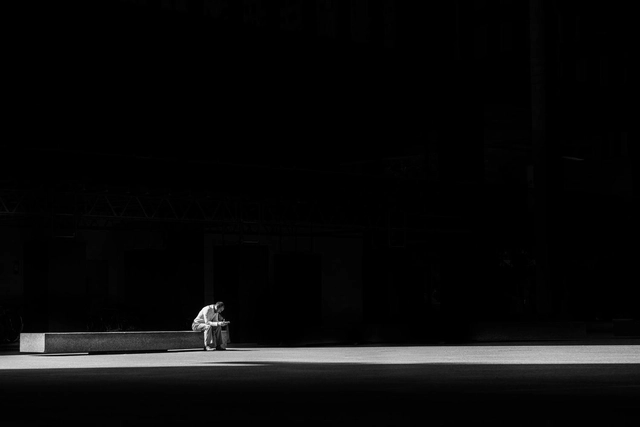
Architecture carries a strong archetype, one in which its purpose seems larger than the discipline itself. Embellished by a poetic image, its practitioners embody the symbol of great inventors who conceive space and establish new ways of living in society. It is undoubtedly an alluring trade, and one that certainly shapes the daily life of any culture. Yet it is increasingly marked by illusion and disappointment in a market that seems to gradually distance itself from theory and close itself off in niches of its own creation. Under ever-growing competition that fails to yield a significant improvement in the quality of what is produced, working in architecture gradually translates into frustration and insecurity.

Promoting homeownership as an investment strategy is a risky proposition. No financial advisor would recommend taking on debt to put such a large portion of your savings into a single financial asset, whatever it may be, as it represents a major concentration of risk.
Worse still, this risk is not random: it falls most heavily on low-income buyers, who receive worse financing terms and whose neighborhoods are systematically more likely to have lower or even declining home values, leading to devastating consequences for the racial wealth gap.
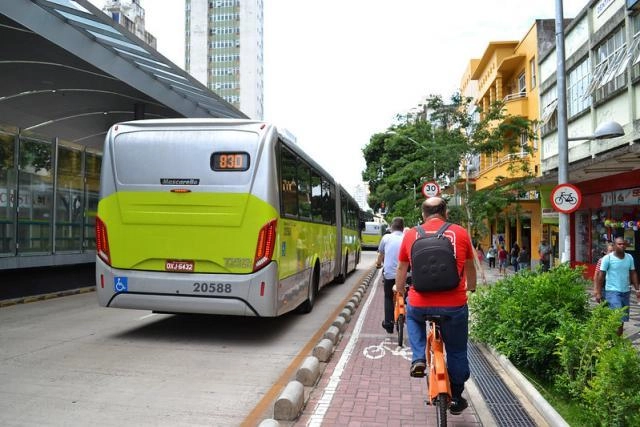
Cities are changing in many ways—some, fortunately, for the better. More Brazilians have come to see the bicycle as the best choice for urban mobility, and 67% of people would swap their cars or motorcycles for cleaner transit alternatives. While public perception of air quality is discouraging, awareness of climate change has grown, and 92% of people want electric buses in their cities.
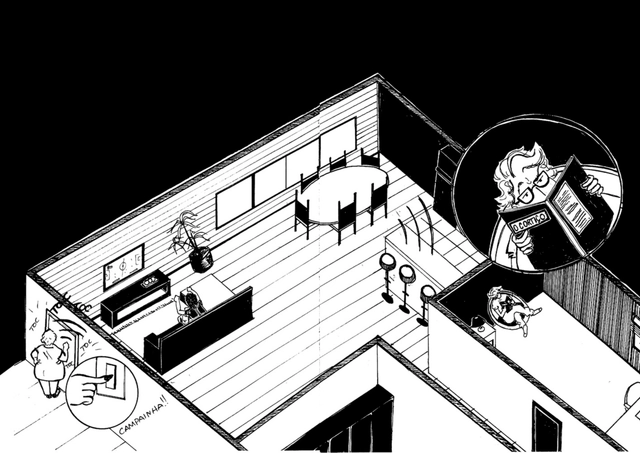
TEIA re(p)resents the city of São Paulo through a comic book narrative. The characters were developed as protagonists based on an empirical selection of twelve neighborhoods key to the city's history, whose residents served as the foundation for the character archetypes in the script. The graphic novel format provided the ideal medium to develop a language that allows for spatial thinking about the urban context and the observation of human relationships within this created and illustrated universe, highlighting its role as a communicative medium. Beyond experiencing and understanding the neighborhoods, the project aimed to explore the notion of belonging. The in situ experience in the neighborhoods and spontaneous conversations with residents—who served as references for the protagonists—allowed the narrative to reflect on the difference between being (of a place) and existing (in a place) in Brazil's most populous and diverse metropolis.
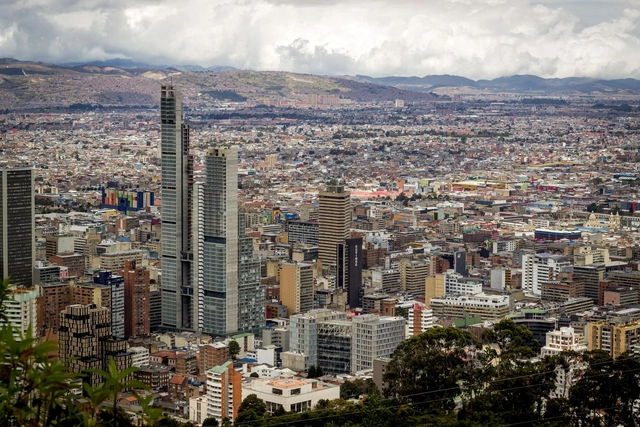
Shortly before taking office in January 2020, Mayor Claudia López committed to redesigning a major arterial road in Bogotá, aiming to transform it into a green corridor for active and sustainable mobility. To do so, the mayor also pledged to promote a planning process with broad public participation—a rather daunting task in a city of nine million people.
Known since the 16th century as Calle Real, Avenida Séptima is widely considered Bogotá's most important thoroughfare, stretching 23 kilometers and traversing the city's eastern zone. It is perhaps the only road that runs through every income bracket in the municipality, from the poorest to the very wealthy. It is also the most hotly debated space in the Colombian capital.

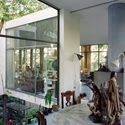
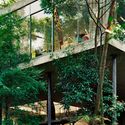
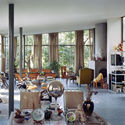
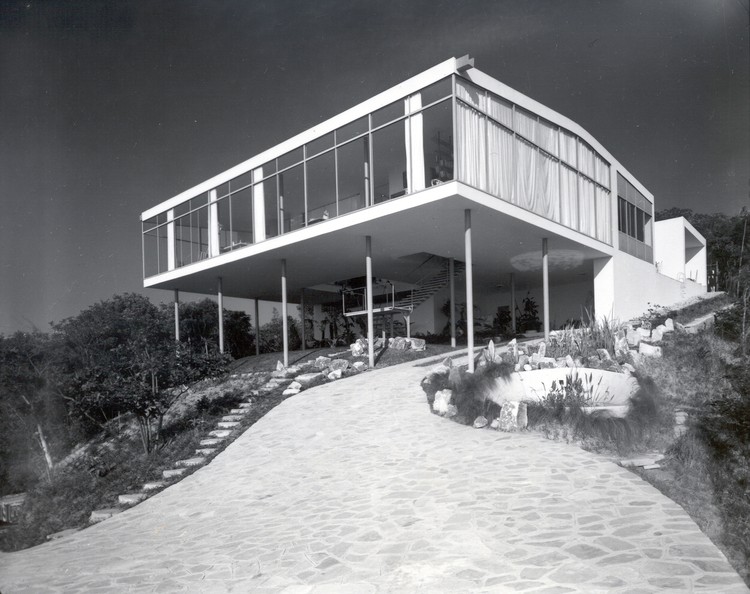
When we think of the residential designs of Italian architect Lina Bo Bardi, the immediate image that comes to mind is her private residence in São Paulo (1951)—more precisely, the image of its glazed social pavilion, captured from a low angle. This perspective further dramatizes the contrasting relationship between that light, suspended orthogonal volume and the steep natural slope of the terrain.
I would venture to say that no other work of Brazilian architecture is as well-known from a single photograph. This image, which has illustrated nearly every publication on the architect since the building's completion nearly 70 years ago, and which indeed justifies its famous moniker, the “Glass House,” exposes the unequivocal modern condition of this project—or, at least, the portion revealed by the angle of this celebrated photograph: a transparent, prismatic volume suspended on slender pillars set back from the edge of the floor slab and, consequently, free-standing within the elevated space.
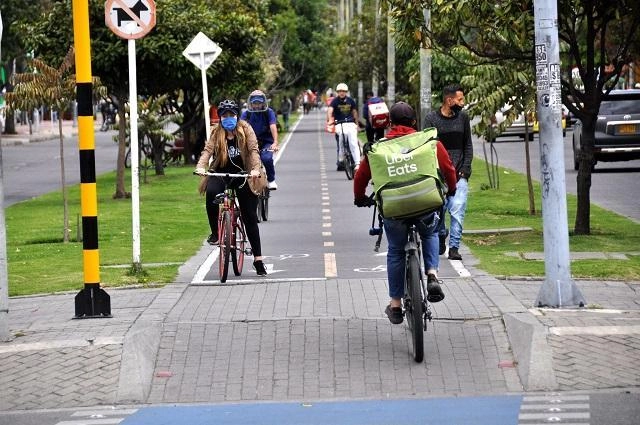
When the Covid-19 pandemic broke out, concerns over virus transmission on public transit prompted many to opt for alternative mobility options—chiefly, cycling. Bicycles gained popularity for both recreation and transport, a trend especially evident in the United States, Mexico, Colombia, Germany, and France. In France, Germany, and the United States, the weekly average of bicycle use increased by 4%, 7%, and 20% respectively compared to 2019 figures.