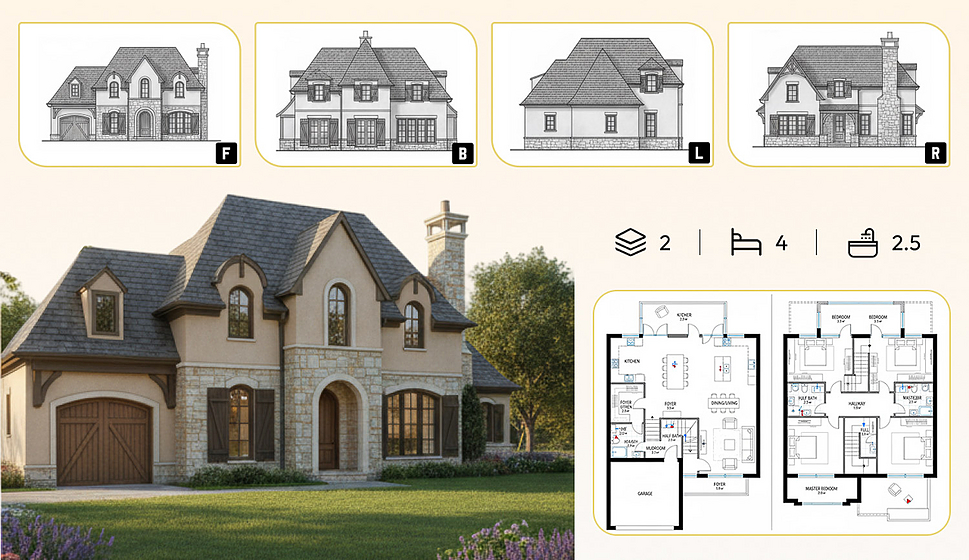
This guide covers a workflow that moves from project parameters to generated floor plans, 3D perspective views, exterior design exploration, and site context visualization, using AI tools in place of preliminary CAD and rendering work.
This guide covers a workflow that moves from project parameters to generated floor plans, 3D perspective views, exterior design exploration, and site context visualization, using AI tools in place of preliminary CAD and rendering work.
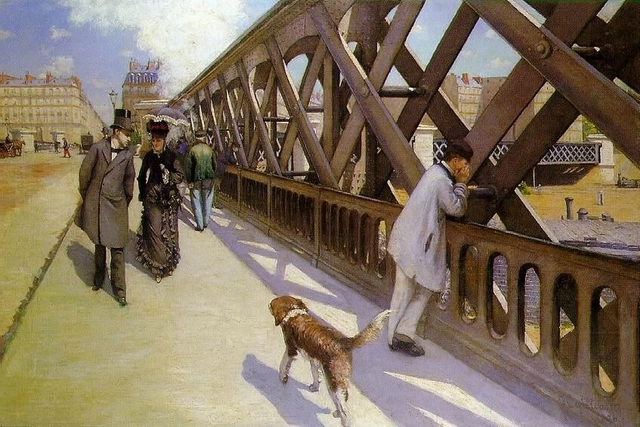
In the early 19th century, in a Paris on the verge of having its medieval fabric torn open by Haussmann's grand boulevards, novelist George Sand dressed as a man to walk the streets. According to her journals, "in trousers and boots I could fly from one end of the city to the other, regardless of the weather, the hour, or the place." No one paid her any attention, no one guessed her disguise, and no one stared or criticized; she was just another "atom lost in that immense crowd." Thanks to her male attire, Sand experienced fearless incursions and solitary wanderings like a true flâneur—experiences that would later become fundamental to crafting her successful narratives.
Cities have never been more engaged in climate action. At the 2021 UN Climate Change Conference (COP26), more than 1,100 cities representing a quarter of global CO2 emissions joined the Cities Race to Zero initiative. By doing so, these municipalities committed to ambitious, inclusive, and equitable actions to keep global temperature rise below 1.5°C. In November of this year, at COP27, these cities presented their progress and shared how they plan to deliver on their commitments.

Mired in a housing crisis for about a decade, New Zealand has modified its zoning laws to allow more medium-density housing to be built in the nation's largest municipalities.
The initiative comes in response to a shortage of housing units, soaring property values and rents, and is aimed at narrowing the widening “chasm” between household incomes and housing costs, as detailed in a report by The Guardian.

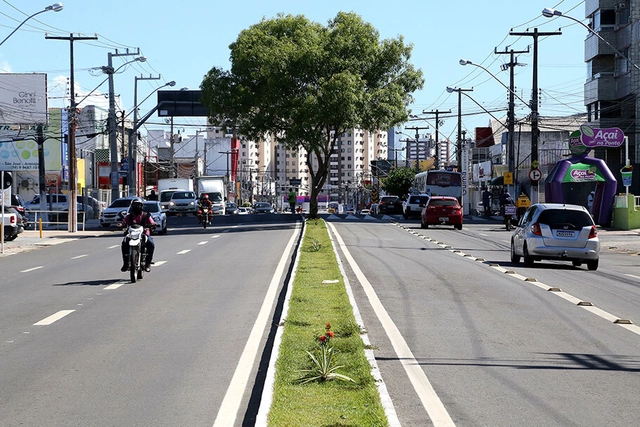
Among the various problems stemming from the excessive use of cars in large and medium-sized cities, traffic congestion and time lost in transit are undoubtedly those that receive the most attention from the media and society.
Drivers tend to overlook other issues, however severe, such as traffic fatalities and tragedies, air pollution, the stressful noise generated by motorized vehicles, urban sprawl—which makes cities dysfunctional, expensive, and far-flung—or the hydrological problems caused by the excess of asphalt and concrete dedicated to cars. Generally, these issues are ignored or seen as inevitable, whereas gridlock is highly visible, instantly perceived as a nuisance demanding immediate solutions.





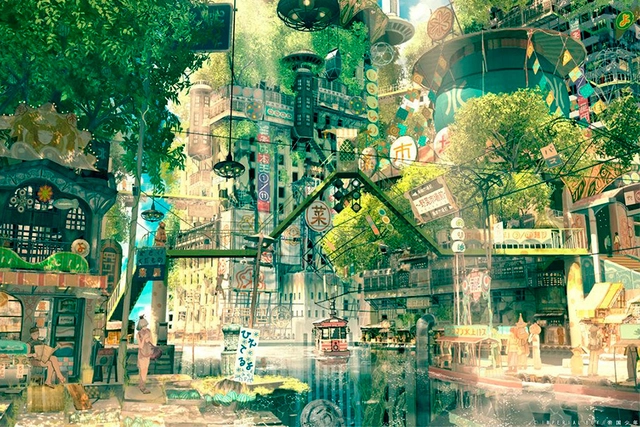
The illustration above is a famous image by the artist Imperial Boy (帝国少年), who works in the anime industry. I sometimes claim that the entire *solarpunk* genre was inspired by this image. That is an exaggeration, of course—some people have thought very seriously about *solarpunk* design principles—but the influence and appeal of Imperial Boy's design are undeniable. Moreover, other *solarpunk* art, though often lovely, tends not to immediately resemble the kind of cities you would actually want to build; it is either an image of a high-tech farm, or some variation of "slap a tree on the side of every building."
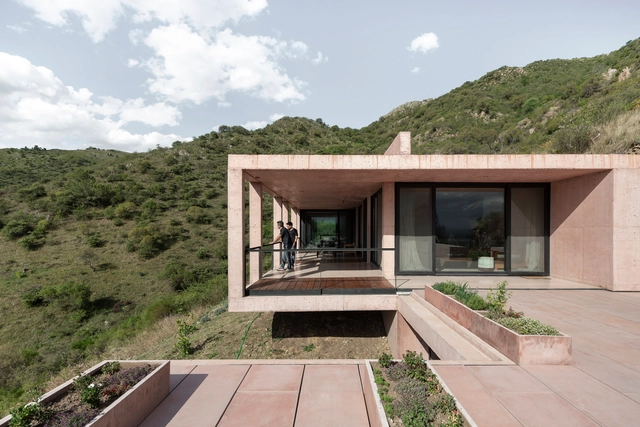
Beyond Pelé and Maradona, November marks the celebration of Brazil-Argentina Friendship Day. Established in 2018, the date (November 30) aims to highlight diplomatic and commercial relations between the two nations. Together, Brazil and Argentina account for 63% of South America's total land area, 60% of its population, and 61% of its GDP, establishing themselves as key trading partners.
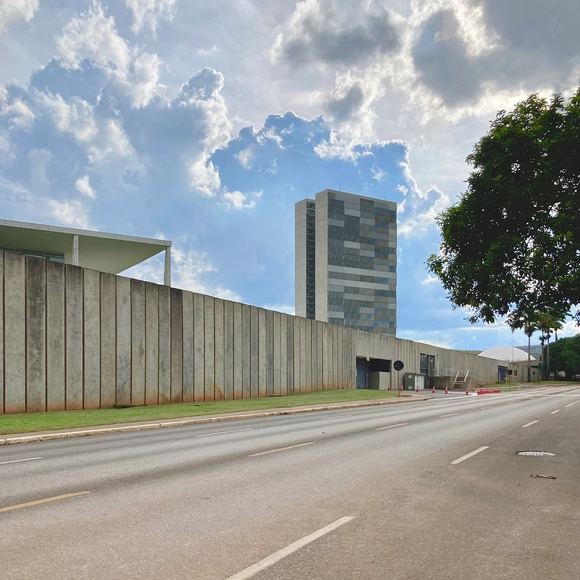
“If I said that Brasília is beautiful, people would immediately see that I liked the city. But if I say that Brasília is the image of my insomnia, they see this as an accusation; yet my insomnia is neither beautiful nor ugly — my insomnia is me, lived, it is my astonishment.” — Clarice Lispector
In 2020, Brasília turned 60. The anniversary almost slipped by, but in times of isolation, I recalled the walks I had the opportunity to take there last year — walks that opened my eyes to the beautiful, the unbeautiful, and the “unobvious” in this famous modernist city. That said, I would like to share my astonishment in exploring this machine-city on foot.
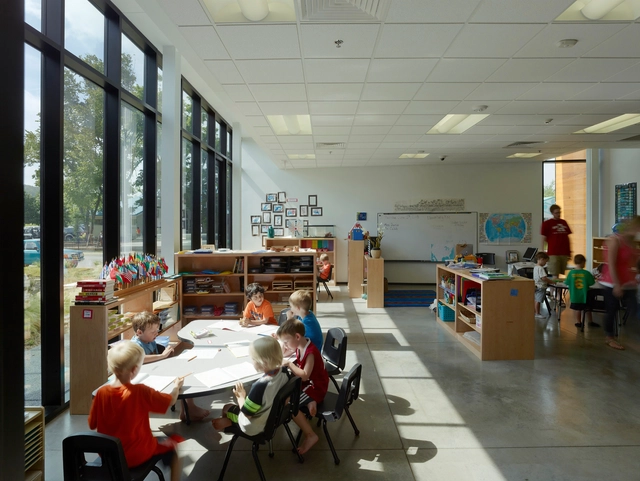
It could be argued that indoor air quality has never received its due attention throughout history. While atmospheric pollution has been considered a threat since the time of Hippocrates in 400 BC, becoming a tangible concern with industrialization during the Industrial Revolution, little is said about comfort conditions in indoor environments. This issue is increasingly critical given that humanity spends about 90% of its time indoors, and the quality of these spaces directly affects long-term well-being and health. In fact, Indoor Environmental Quality (IEQ) encompasses far more than just indoor pollution. It refers to a balance between air quality, acoustics, lighting, temperature, and other factors that contribute to a pleasant and, above all, healthy environment for occupants. Under the motto “every space can be a healthy space,” Armstrong has developed solutions to help improve the environments where we spend the most time, such as educational and healthcare facilities, offices, and homes.

With the rapid urbanization of our cities, animals that once called these environments home have been displaced, forced to seek refuge elsewhere.
Birds are perhaps among the species hardest hit by urban growth, as they are drawn during flight by stimuli like artificial light and wind currents—both of which can be radically altered by how a city is built and laid out.




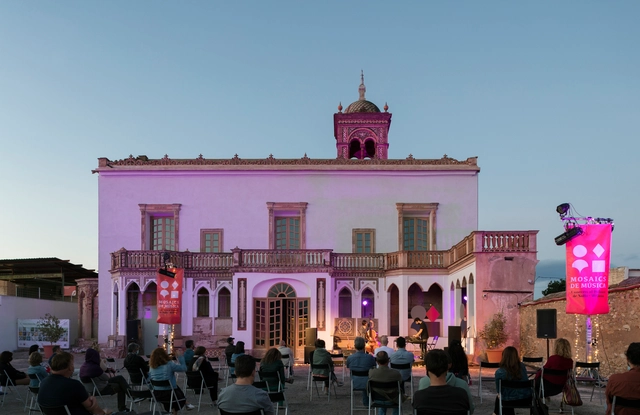
An emblematic building for Meliana and the entire region, the Palauet Nolla dates back to the 17th century and has long served as a symbol of the famous Nolla mosaic factory. Situated within the landscape of Valencia's northern agricultural region (the huerta norte), after decades of neglect, the building had fallen into ruins by 2010. Its conservation status was critical, marked by a lack of exterior woodwork, a compromised structure, collapsed roofs, and severe natural and human-caused damage to its ornamentation, among many other issues.
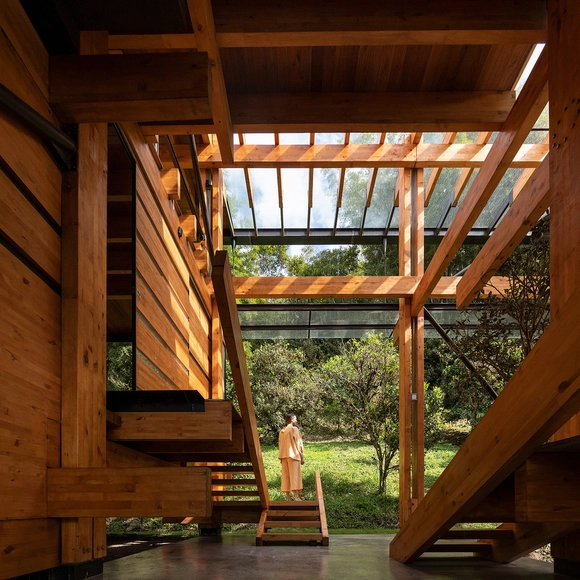
As another year comes to a close, the ArchDaily team looks back at the year's architectural highlights, compiling a selection of projects to review the content featured in 2022. As part of this retrospective, our curation team presents one of our readers' favorite categories—residential architecture—bringing together the projects that represent the very best of a vast year of architectural production, as chosen by our audience.
At a time marked by anticipation for the future of architecture, yet also by reflection on what has been accomplished over the past year, we present the 50 most-visited houses on ArchDaily in Spanish in 2022. In doing so, we continue our ongoing mission to provide tools, inspiration, and knowledge to everyone working toward a better built environment.

Faced with the challenge of the housing deficit—defined as the number of new homes needed to accommodate doubled-up families and replace uninhabitable dwellings—the construction industry must seek new design strategies to address this issue. How can we address the housing deficit through quality housing? Alongside constructing new homes, architecture must propose designs that ensure habitability, which largely depends on solutions that promote effective thermal conditioning.
Through its building materials, products, and systems, ETEX Chile develops thermal strategies focused on habitability and comfort, responding to the specific climatic conditions that characterize each region of the country.
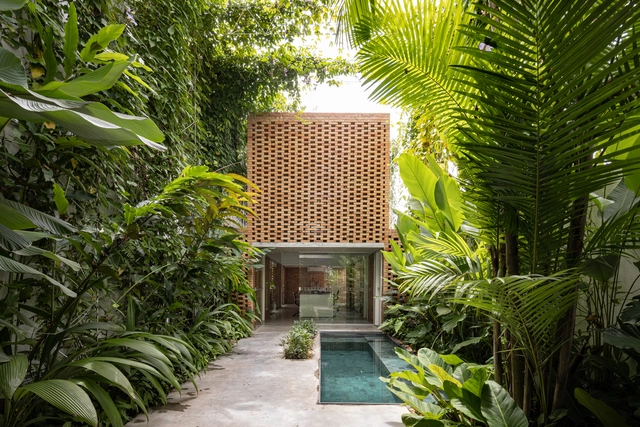
As 2022 draws to a close, it is time to look back at the most memorable moments of the past year. This time, we highlight the most-liked photographs on the ArchDaily Brasil Instagram account.
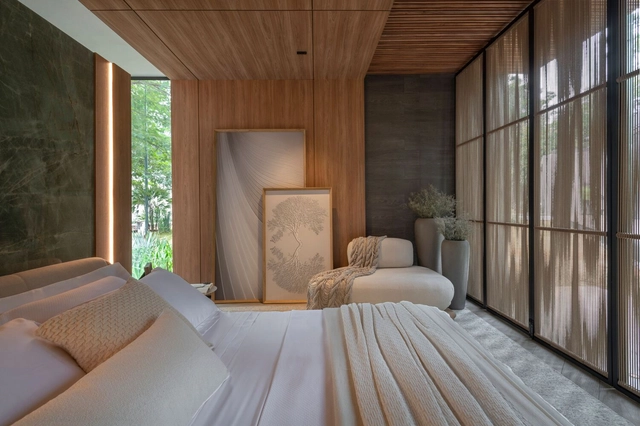
The bedroom is one of the most intimate spaces in a home. It is where we rest and escape our daily routines to recharge. Many view the bedroom as a sanctuary, a sacred space of intimacy and care. Beyond a comfortable bed, the room can be styled with elements that foster rest, leisure, and retreat.
While comfort is highly subjective, general design principles can help guide your decisions to create the best possible bedroom layout. Beyond large windows with breathtaking views, you can transform a bedroom simply by changing the layout and the type of bed, adding decorative or functional objects, or even incorporating other zones, such as a home office or a TV area. Below, we explore some ideas on how to transform and style your bedroom.
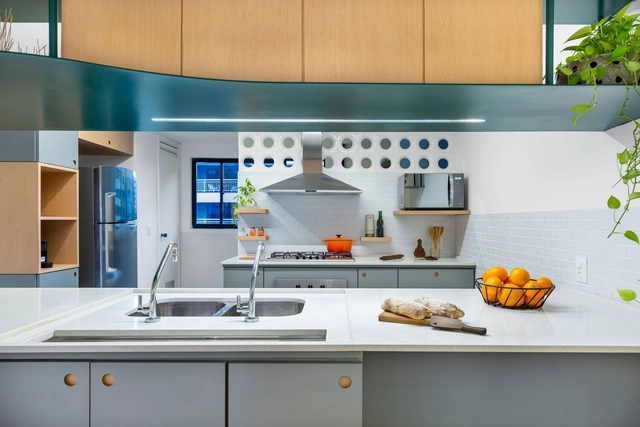
We are used to looking at architecture as large objects situated within the urban fabric or natural landscape, establishing new relationships with their surroundings. However, our daily lives also unfold inside these buildings as we enter, occupy, and interact with them. Consequently, we establish relationships with the built environment immediately around us. Architecture must therefore address the macro scale—such as climate and neighborhood context—while simultaneously attending to the micro scale of finishes, textures, and colors.
Numerous details shape the experience of a building's residents and users; when carefully explored, they elevate the quality of the project and stimulate the senses. These details can be structural, aesthetic, or functional.
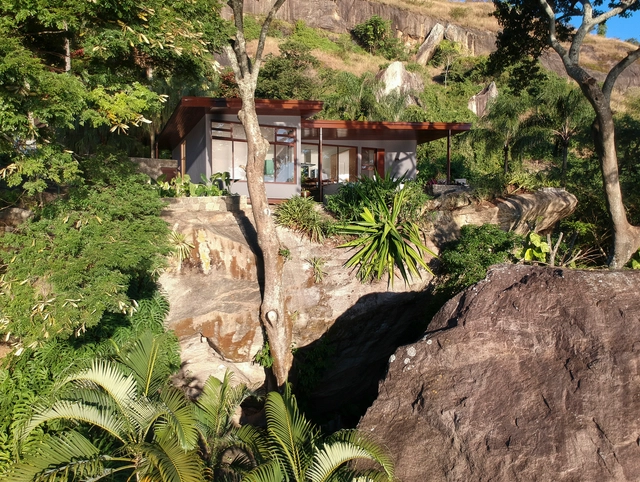
Italian architect Vittorio Gregotti frequently asserted that “creating the place” is the primordial architectural act, its very origin, since simply placing a stone on the ground already marks the beginning of the “modifications” that will transform a site into architecture. Driven by this urge for transformation, we see ideas materialize into relationships and concepts that often bring the genius loci to the fore through a phenomenological approach, establishing an intimate connection between architecture and context, redefining places, and reaffirming the human connection to the world.
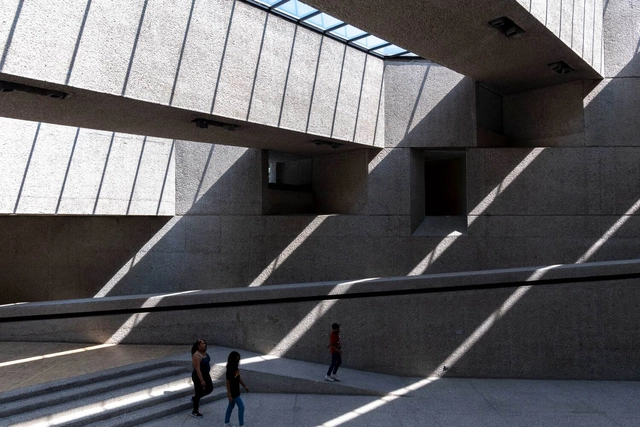
'Escenas de museos' is a photographic project that seeks to capture scenes that unfold naturally within the diverse museums of Mexico City, where the intersection of architecture, subject, and time projects both our reality and parallel worlds. The objective is to document, through a photographic series, a spontaneous and reflective look at the relationship between museum visitors and the museum itself, presenting it not merely as an architectural object, but as a space that catalyzes memories.
'Domingos Libro' is an outreach project presented by Carmelo Rodríguez of Enorme Studio, delving into forgotten architectural publications—books and magazines from the 1960s, 70s, and 80s that harbor the most fascinating backstories.
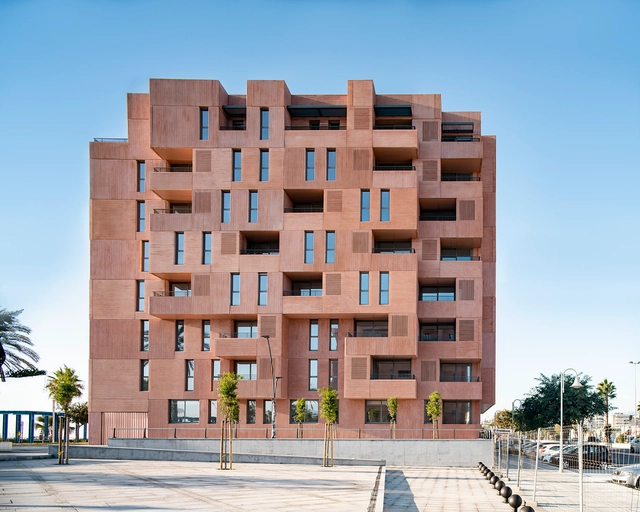
Known as building envelope surfaces that define and condition spaces, enclosures play a key role in architecture. In response to the need to ventilate, heat, and provide maximum comfort inside the home, enclosure systems have evolved in both composition and functionality. Along with closing and opening spaces, their primary function today is to act as a barrier between the interior and exterior, responding to climatic variations and providing thermal comfort to building occupants.
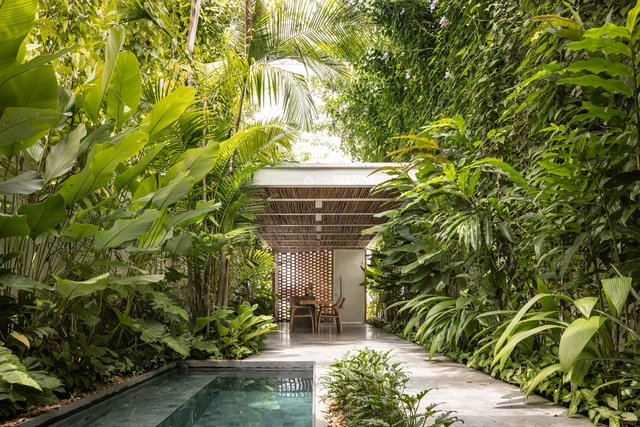
Creating a landscape that dialogues with architecture through natural elements that shape the space. Bringing together different textures, materials, and species. Harmonizing the rhythm of nature with that of construction. Many phrases could attempt to summarize landscape design, which, guided by its drawings, references, and concepts, is fundamental not only for enhancing the beauty of a place, but also its comfort and quality.

Iris Barrel is a designer born in Queens, the only child of a Russian mother and an American father who owned a mirror company. She studied art at the University of Wisconsin and began her career at WWD, a benchmark publication in the fashion industry.
In 1948, alongside her husband, Carl Apfel, she founded a successful textile brand that was even featured in the White House decor during the administrations of nine US presidents. Although they sold the company in 1992, the couple continued working for the brand for another 13 years—until 2005. Iris Apfel was fully retired from the interior design industry when, at 84, she was invited by Harold Koda—curator of the Met’s Costume Institute—to exhibit her collection of clothing and accessories.
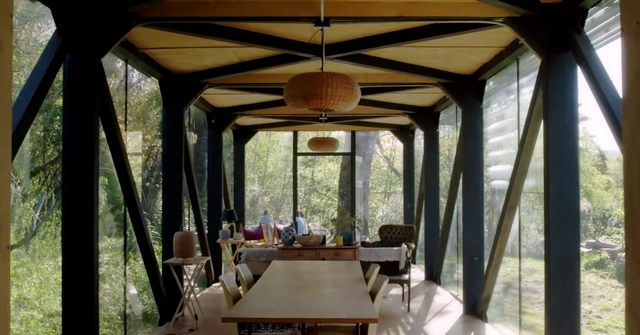
'Los Ríos Territorio Arquitectura' is a program that seeks to highlight the value of architecture in Chile's XIV Region, while bringing visibility to the work of the territory's architects through three short films featuring interviews with 15 professionals across 22 different locations.
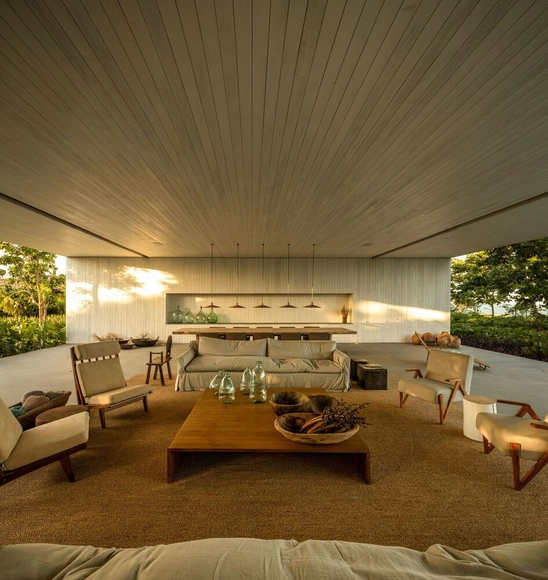
Furniture is essential to enhancing the quality of residential interiors. The choice of colors, textures, and materials applied to each design is crucial to a successful spatial composition. Whether through a curated selection of furniture or a standalone piece that takes center stage, each item helps shape the spaces and the circulation flow of a project.
I am a software engineer (commonly called a programmer). Creating software involves many different roles. Different companies have different roles and different names for them, but it typically involves software engineers, product managers, and UX (user experience) designers.
Each role has its own strengths and its own responsibilities. Product managers identify user needs and dictate what we should build. UX designers determine the look and feel of the product — the layout, different screens, copy, images, branding, etc. Software engineers handle the actual implementation: they solve the technical problems required to build the product.