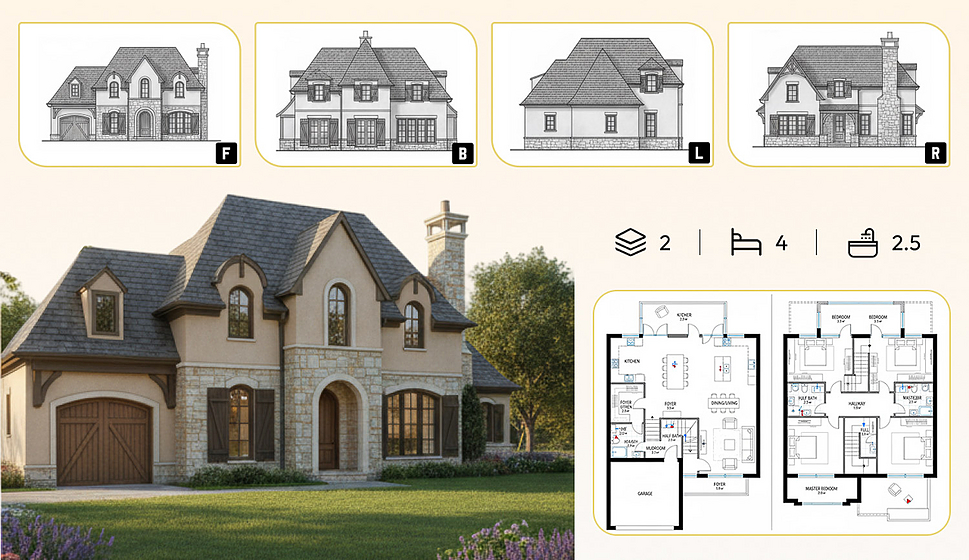
This guide covers a workflow that moves from project parameters to generated floor plans, 3D perspective views, exterior design exploration, and site context visualization, using AI tools in place of preliminary CAD and rendering work.
This guide covers a workflow that moves from project parameters to generated floor plans, 3D perspective views, exterior design exploration, and site context visualization, using AI tools in place of preliminary CAD and rendering work.
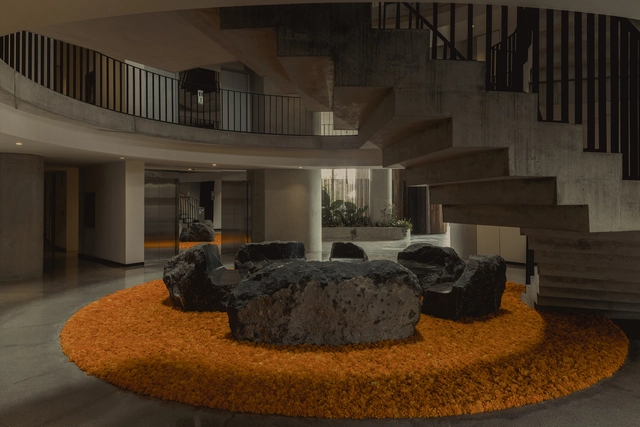
To mark one of Mexico's most important celebrations, architect Miguel de la Torre designs an annual installation for November 1 and 2. The celebration features cempasúchil (Mexican marigold) flowers, a plant native to Mexico that blooms in autumn. According to traditions dating back to pre-Hispanic times, the yellow and orange petals are used to guide the deceased during their visit, as they are believed to hold the light and warmth of the sun.
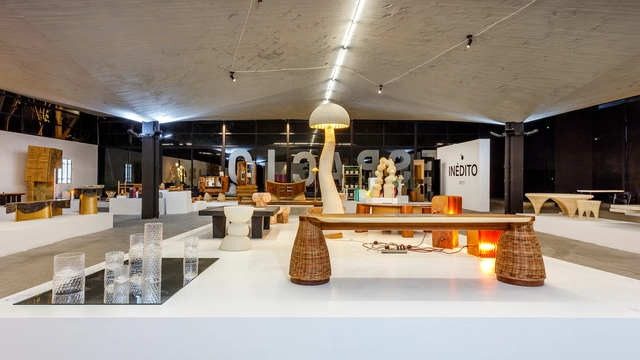
As part of the annual collaborative efforts of the Design Week team in Mexico City, the "Inédito" exhibition opened on October 14 at the Espacio CDMX Arquitectura y Diseño gallery. This showcase is part of the seventh consecutive edition of this open call, which aims to support, disseminate, and promote utilitarian design projects across several categories: social impact, environmental impact, innovation, function, aesthetics, concept, user experience, materials, and processes. Rather than being competitive, the exhibition—divided into professional, university, and limited-edition categories—opens up new opportunities in both national and international markets for exceptional design with commercial and production viability.
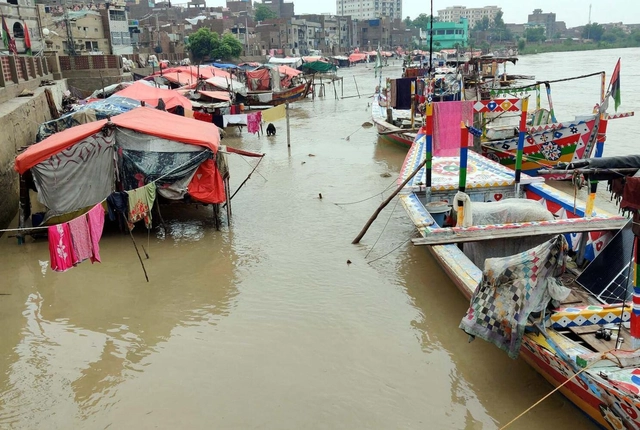
This year's United Nations Climate Change Conference, COP27, takes place against a backdrop of multiple global crises.
The cascading effects of COVID-19 and Russia's invasion of Ukraine have pushed energy prices to record highs. At the same time, unprecedented climate disasters are causing devastating and widespread disruptions. Historic levels of rainfall, heat, drought, wildfires, and storms are battering virtually every corner of the globe.
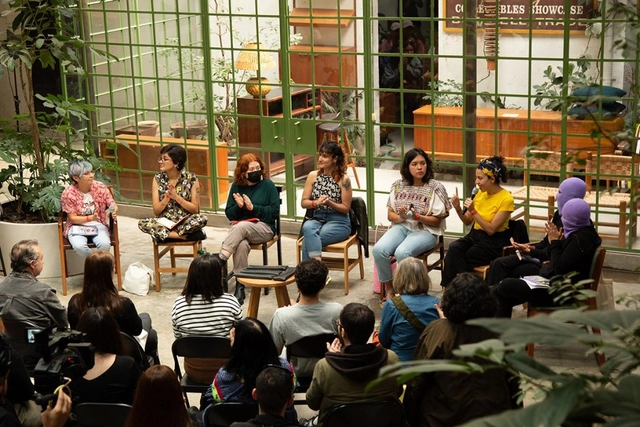
On October 19, 21, and 22, Laguna in Mexico City hosted the second edition of the first design festival created by Coolhuntermx, conceived by and for projects led by cis women, trans women, and dissident communities. This festival was conceived with an inclusive, diverse, and collective approach, curated by designers Andrea Soler and Taina Campos. Following a first edition filled with key learnings and shared knowledge, the objective remains the same: to serve as an inclusive platform for design proposals and other creative expressions seeking alternative dialogues to those taking place during Design Month. This year, various forums were held to address topics such as "Social and Community Impact," "Representation and Decision-Making," "Activism for Transformation," and "Design of Care." In addition, the "Voces Estudiantiles" (Student Voices) exhibition showcased posters addressing various contemporary topics being explored in universities. Similarly, a mural by Artsynonym and Flaminguettes captured some of the core concepts and guiding principles of the festival. The event also featured 'Mujeres de la Tierra' (Women of the Earth), a collective of Indigenous women who defend the land and their lives against violence: "we stand in solidarity with the struggle by planting, cooking, and sharing knowledge." Attendance and participation during the event were highly diverse, enriching the panels to foster a horizontal dialogue addressing specific concerns. It is increasingly necessary to create these spaces to bring visibility to the collective struggles resisting day-to-day dynamics. Therefore, if you were unable to attend, the full talks are available below on coolhuntermx's Twitch channel; simply click on the link for each session. DAY 1
Panel: Social and Community Impact
WATCH THE RECORDING HERE
The panel featured Alessandra Cireddu (Moderator): National Director of the Architecture Program, Tecnológico de Monterrey (@alitac); Talachas Girl (Speaker): EXCLUSIVE SERVICE FOR WOMEN AND LGBTQ+. Remodeling, interior design, recycling, savings, construction, and creation (@talachas.girl); CACEH. Marcelina Bautista (Speaker): Domestic worker for 22 years, currently director of CACEH, a civil society organization that empowers and professionalizes domestic workers (@caceh_nacional); and Colectiva Argamasa (Speaker): A women's collective seeking to coordinate the presence of women in spaces through cross-cutting architectural interventions (@colectiva_argamasa). Panel: Representation and Decision-Making
WATCH THE RECORDING OF THE TALK HERE
The panel featured Vulvísima, Avelina Fonseca (Moderator): Feminist activist, B.A. in Political Science from UNAM, specializing in emancipatory feminist economics and the social organization of care. Creator of Vulvísima (@vulvisima); Ashby Solano (Speaker): Creative Direction. Digital Fabrication Jedi. Multidimensional creative being (@ashbysolano); GirlUp (Speaker): Passionate advocates for gender equality, sexual and reproductive rights, climate action, mental health, and other social injustice issues (@girlupmx); Marbella Figueroa (Speaker): Co-creator and collaborator of Afrochingonas, a self-managed project addressing and problematizing Afro-descent and racism in Mexico (@marbellabrilhinho); and Astra Lem (Speaker): Graphic designer and trans activism (@astra.lem). DAY 2
Panel: Activism for Transformation
WATCH THE RECORDING OF THE TALK HERE
The panel featured Dora Bartiloti (Moderator): Multimedia artist. She explores the material qualities of textiles and electronics as tactical mediums for feminist activism and collective action (@dorabartilotti); Zines por Morras (Speaker): The project aims to share experiences of harassment against lesbian and bisexual women in Mexico City (@zinespormorras); Alina Kiliwa (Speaker): "As a lettering artist, I seek to reclaim the sign-painting tradition and revalue the practice through participatory processes" (@alinakiliwa); Mi calle Nuestra Calle (Speaker): Urban laboratory of participatory futures [futures + feminist urbanism + community art] (@micalle_nuestracalle); and MOFA (Speaker): Feminist collective of young women from the urbanism, landscape, architecture, and industrial design programs at the Faculty of Architecture, UNAM (@mujeres_organizadas_fa). Panel: Design of Care
WATCH THE RECORDING OF THE TALK HERE
The panel featured Sofía Probert (Moderator): Illustrator. Through her work, she invites political and philosophical questioning around socio-environmental issues (@sofia.probert); Jovenas Comuneras de Milpa Alta. Daniela Moreno (Speaker): "We are a space for meeting and constructing action-participation to defend and care for our territories, land, and our existence within them" (@jovenascomuneras); Eli Caballero (Speaker): Environmental care and support for ADHD (@hazcompitas); Madres desobedientes (Speaker): Mothers parenting and transforming the world. Disseminating women's artistic projects and supporting feminist parenting (@madresdesobedientes); and Mariana Robles (Speaker): Gynecologist with a feminist perspective. Non-conscientious objector. Health at Every Size. Mom of two (@dra.mariana.robles). For more information, visit Diseña Mexicana.

In 1972, Caetano Veloso announced in the song Triste Bahia that “the steamboat from Cachoeira no longer sails on the sea.” Indeed, ours is a generation unfamiliar with Salvador's nautical capacity, since most of us have not had the opportunity to experience the daily rhythm of a port city. A brief look at the records of photographers such as Marcel Gautherot, Pierre Verger, and Lázaro Roberto, from the 1950s to the 1970s, reveals that the daily dynamics along the waterfront were vastly different from those of today.
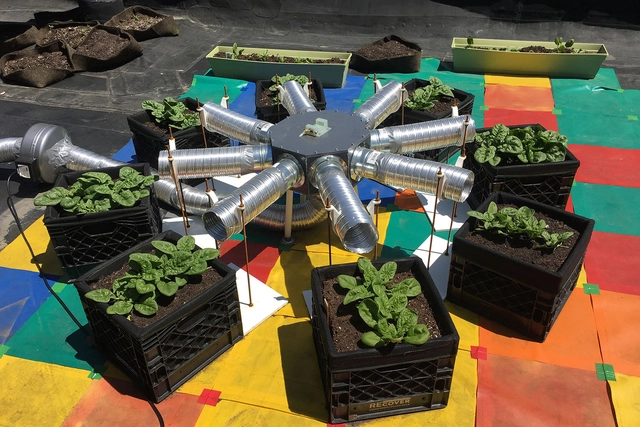
Rooftop farms and urban gardens are popular options for providing food in cities while mitigating heat islands, increasing building thermal insulation, and improving air quality. However, these plants often end up smaller and less healthy, as they suffer from higher solar radiation, wind exposure, and low soil moisture.

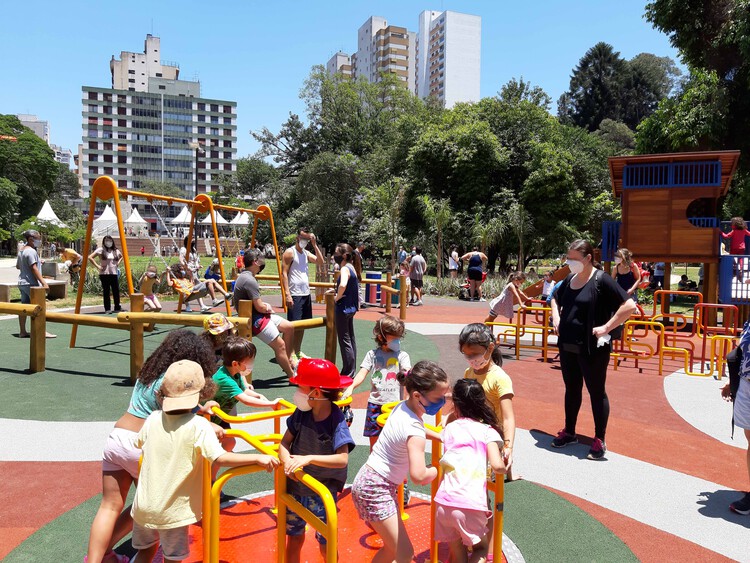
In November 2022, Augusta Park celebrated its first anniversary of reopening to the public. The park reached maximum capacity on its opening day and, today, has welcomed over 1.5 million visitors. The site went through a long journey before reaching consolidation. The nearly 50-year struggle for the park deserves to be highlighted, and public participation in its creation must be recorded and shared so it can inspire new campaigns for public spaces across the city.
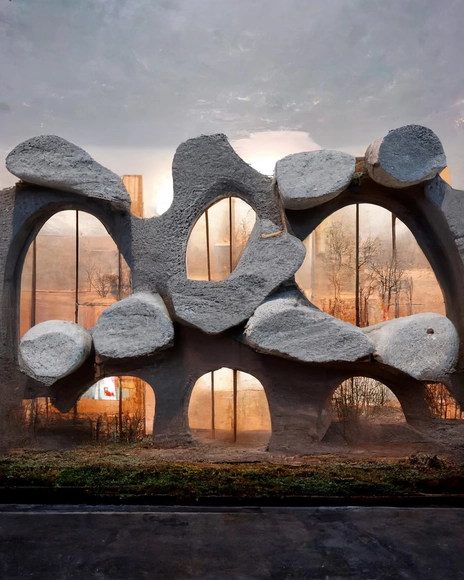
Much has been said about the power of artificial intelligence and how its rise could transform the architectural profession. This topic has already been explored in previous articles here.
The primary tool causing concern among industry experts is DALL-E, a machine learning-based software that generates images from text prompts entered by the user. Other platforms offer similar capabilities, such as Midjourney and Stable Diffusion.
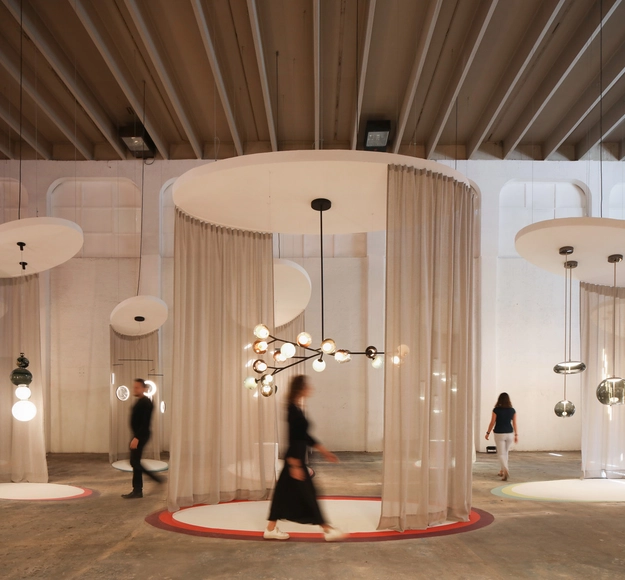
On November 10, Diez Company launched the fourth edition of Maison Diez Company to Mexican and international audiences. This space, dedicated to lighting design, brings together designers, creatives, architects, interior designers, business partners, lighting experts, and representatives of international brands to celebrate light.
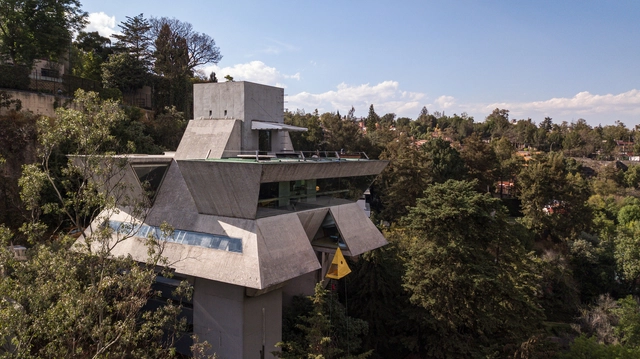
Today, November 10, the National Academy of Architecture, through a statement issued by Arch. José F. Reygadas Valdéz (President) and Arch. Antonio Gallardo E. (Secretary General), announced the passing of Mexican architect Agustín Hernández Navarro, an Emeritus Academic of the institution.
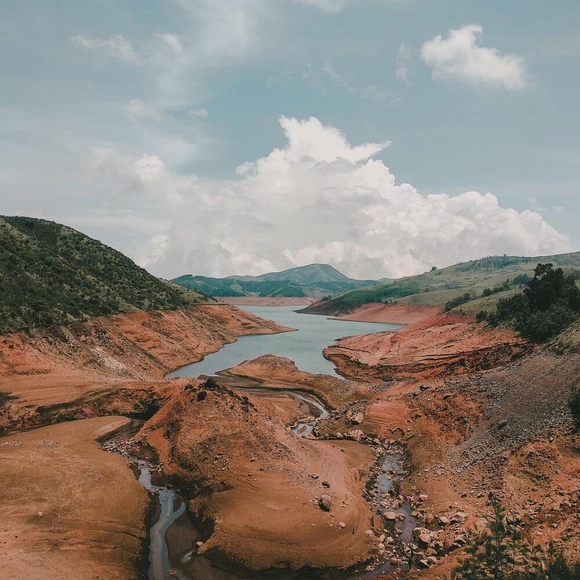
The city of Sharm El Sheikh, Egypt, hosts the 2022 United Nations Climate Change Conference, COP27, from November 6 to 18. The conference builds on the negotiations of COP26 in Glasgow, Scotland, in 2021, with the expectation that countries will demonstrate climate ambition and urgency to limit the rise in global temperature to 1.5°C.
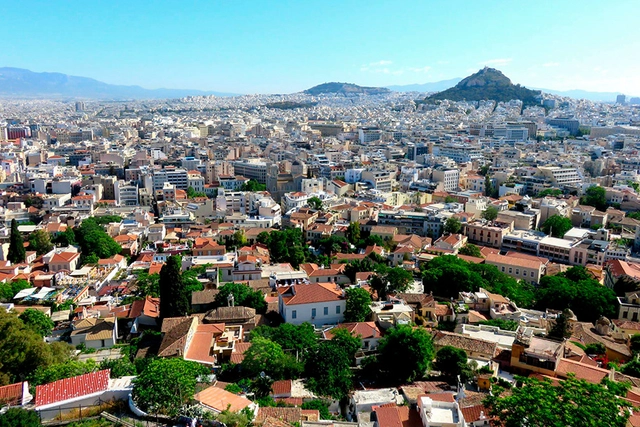
Various studies have indicated that, to prevent temperatures from rising more than 1.5°C, there must be a major drop in greenhouse gas (GHG) emissions. To achieve this, it is necessary to develop compact cities designed for pedestrians, cyclists, and transit users, as well as rapidly and strategically adopting electric vehicles, with a focus on public transportation.

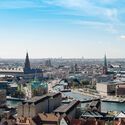

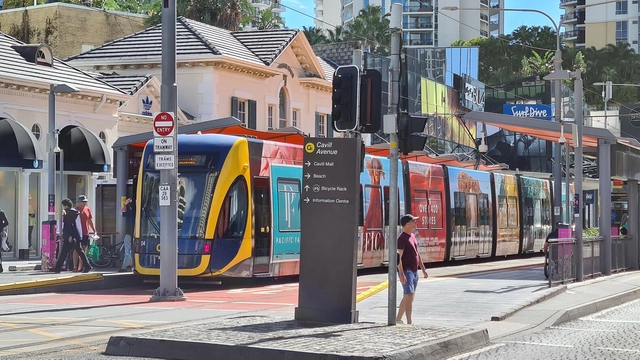
Cities have never been more engaged in climate action. At the 2021 UN Climate Change Conference (COP26), more than 1,100 cities representing a quarter of global CO2 emissions joined the Cities Race to Zero initiative. By doing so, these municipalities committed to ambitious, inclusive, and equitable actions to keep global temperature rise below 1.5°C. In November of this year, at COP27, these cities presented their progress and shared how they plan to deliver on their commitments.

In the early 19th century, in a Paris on the verge of having its medieval fabric torn open by Haussmann's grand boulevards, novelist George Sand dressed as a man to walk the streets. According to her journals, "in trousers and boots I could fly from one end of the city to the other, regardless of the weather, the hour, or the place." No one paid her any attention, no one guessed her disguise, and no one stared or criticized; she was just another "atom lost in that immense crowd." Thanks to her male attire, Sand experienced fearless incursions and solitary wanderings like a true flâneur—experiences that would later become fundamental to crafting her successful narratives.
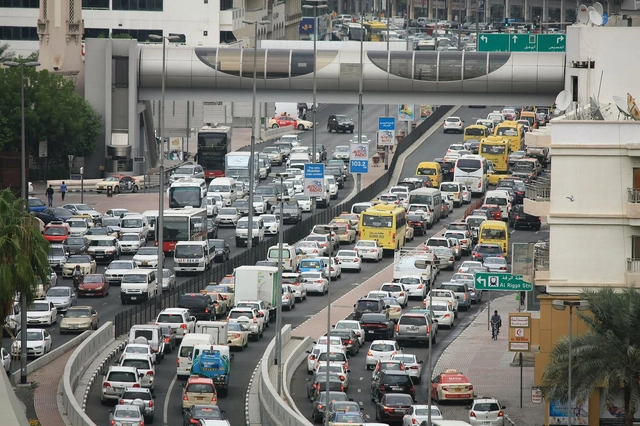
Among the various problems stemming from the excessive use of cars in large and medium-sized cities, traffic congestion and time lost in transit are undoubtedly those that receive the most attention from the media and society.
Drivers tend to overlook other issues, however severe, such as traffic fatalities and tragedies, air pollution, the stressful noise generated by motorized vehicles, urban sprawl—which makes cities dysfunctional, expensive, and far-flung—or the hydrological problems caused by the excess of asphalt and concrete dedicated to cars. Generally, these issues are ignored or seen as inevitable, whereas gridlock is highly visible, instantly perceived as a nuisance demanding immediate solutions.





The illustration above is a famous image by the artist Imperial Boy (帝国少年), who works in the anime industry. I sometimes claim that the entire *solarpunk* genre was inspired by this image. That is an exaggeration, of course—some people have thought very seriously about *solarpunk* design principles—but the influence and appeal of Imperial Boy's design are undeniable. Moreover, other *solarpunk* art, though often lovely, tends not to immediately resemble the kind of cities you would actually want to build; it is either an image of a high-tech farm, or some variation of "slap a tree on the side of every building."
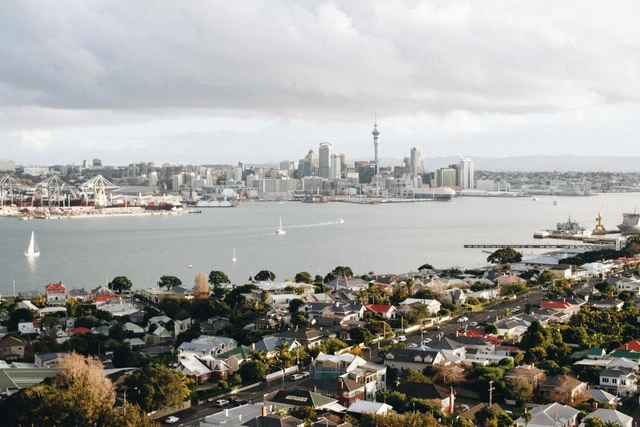
Mired in a housing crisis for about a decade, New Zealand has modified its zoning laws to allow more medium-density housing to be built in the nation's largest municipalities.
The initiative comes in response to a shortage of housing units, soaring property values and rents, and is aimed at narrowing the widening “chasm” between household incomes and housing costs, as detailed in a report by The Guardian.
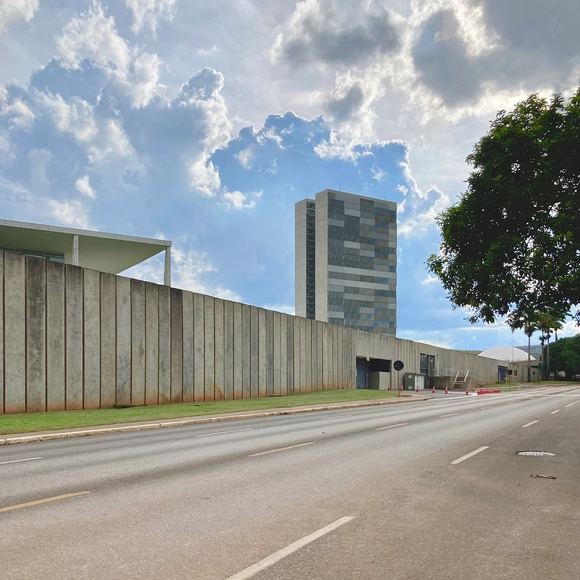
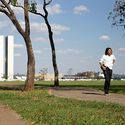
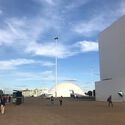
“If I said that Brasília is beautiful, people would immediately see that I liked the city. But if I say that Brasília is the image of my insomnia, they see this as an accusation; yet my insomnia is neither beautiful nor ugly — my insomnia is me, lived, it is my astonishment.” — Clarice Lispector
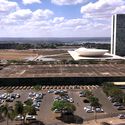
In 2020, Brasília turned 60. The anniversary almost slipped by, but in times of isolation, I recalled the walks I had the opportunity to take there last year — walks that opened my eyes to the beautiful, the unbeautiful, and the “unobvious” in this famous modernist city. That said, I would like to share my astonishment in exploring this machine-city on foot.
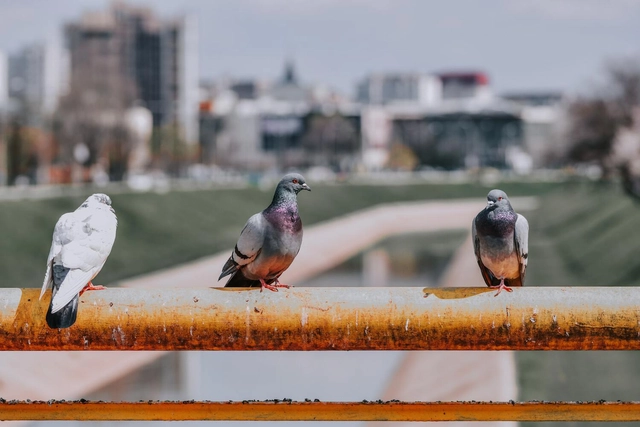
With the rapid urbanization of our cities, animals that once called these environments home have been displaced, forced to seek refuge elsewhere.
Birds are perhaps among the species hardest hit by urban growth, as they are drawn during flight by stimuli like artificial light and wind currents—both of which can be radically altered by how a city is built and laid out.


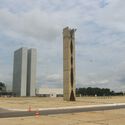

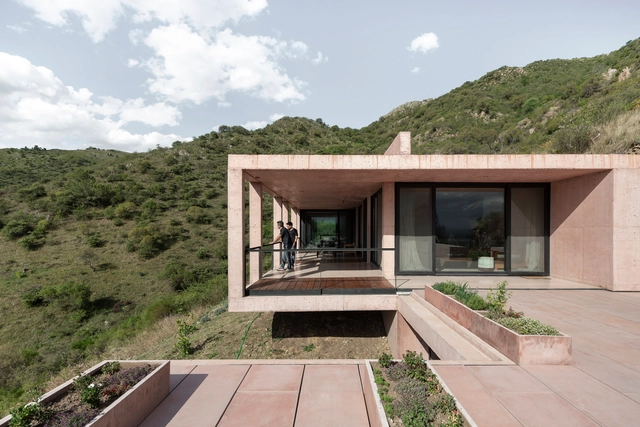
Beyond Pelé and Maradona, November marks the celebration of Brazil-Argentina Friendship Day. Established in 2018, the date (November 30) aims to highlight diplomatic and commercial relations between the two nations. Together, Brazil and Argentina account for 63% of South America's total land area, 60% of its population, and 61% of its GDP, establishing themselves as key trading partners.
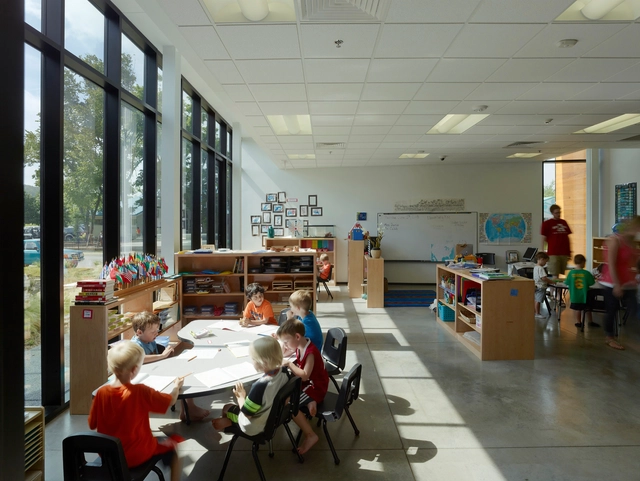
It could be argued that indoor air quality has never received its due attention throughout history. While atmospheric pollution has been considered a threat since the time of Hippocrates in 400 BC, becoming a tangible concern with industrialization during the Industrial Revolution, little is said about comfort conditions in indoor environments. This issue is increasingly critical given that humanity spends about 90% of its time indoors, and the quality of these spaces directly affects long-term well-being and health. In fact, Indoor Environmental Quality (IEQ) encompasses far more than just indoor pollution. It refers to a balance between air quality, acoustics, lighting, temperature, and other factors that contribute to a pleasant and, above all, healthy environment for occupants. Under the motto “every space can be a healthy space,” Armstrong has developed solutions to help improve the environments where we spend the most time, such as educational and healthcare facilities, offices, and homes.
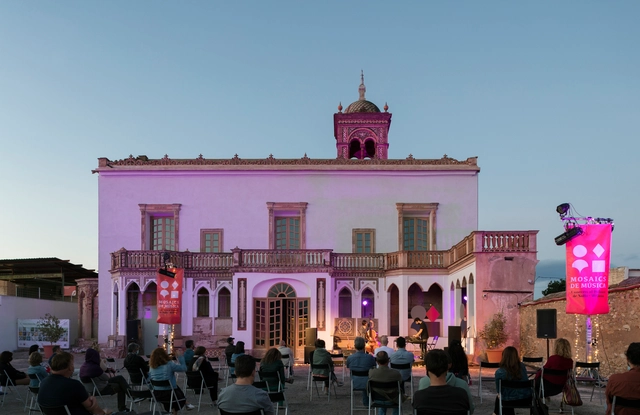
An emblematic building for Meliana and the entire region, the Palauet Nolla dates back to the 17th century and has long served as a symbol of the famous Nolla mosaic factory. Situated within the landscape of Valencia's northern agricultural region (the huerta norte), after decades of neglect, the building had fallen into ruins by 2010. Its conservation status was critical, marked by a lack of exterior woodwork, a compromised structure, collapsed roofs, and severe natural and human-caused damage to its ornamentation, among many other issues.

Faced with the challenge of the housing deficit—defined as the number of new homes needed to accommodate doubled-up families and replace uninhabitable dwellings—the construction industry must seek new design strategies to address this issue. How can we address the housing deficit through quality housing? Alongside constructing new homes, architecture must propose designs that ensure habitability, which largely depends on solutions that promote effective thermal conditioning.
Through its building materials, products, and systems, ETEX Chile develops thermal strategies focused on habitability and comfort, responding to the specific climatic conditions that characterize each region of the country.
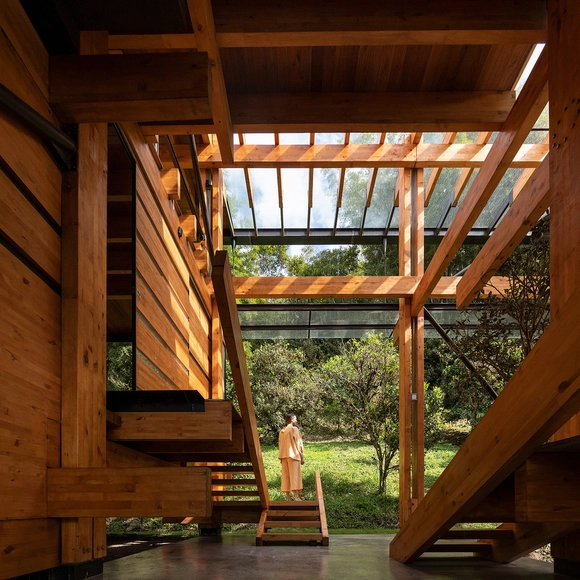
As another year comes to a close, the ArchDaily team looks back at the year's architectural highlights, compiling a selection of projects to review the content featured in 2022. As part of this retrospective, our curation team presents one of our readers' favorite categories—residential architecture—bringing together the projects that represent the very best of a vast year of architectural production, as chosen by our audience.
At a time marked by anticipation for the future of architecture, yet also by reflection on what has been accomplished over the past year, we present the 50 most-visited houses on ArchDaily in Spanish in 2022. In doing so, we continue our ongoing mission to provide tools, inspiration, and knowledge to everyone working toward a better built environment.