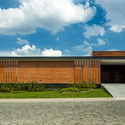
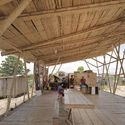
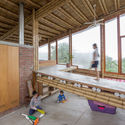
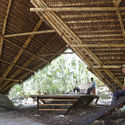
In Latin America, the concept of emergency architecture refers to spaces that serve as temporary shelter in the face of adverse circumstances, such as earthquakes, floods, and migration. Various countries, including Mexico, Chile, Colombia, Ecuador, Uruguay, and Panama, have faced events that required redefining emergency housing according to each nation's specific needs.
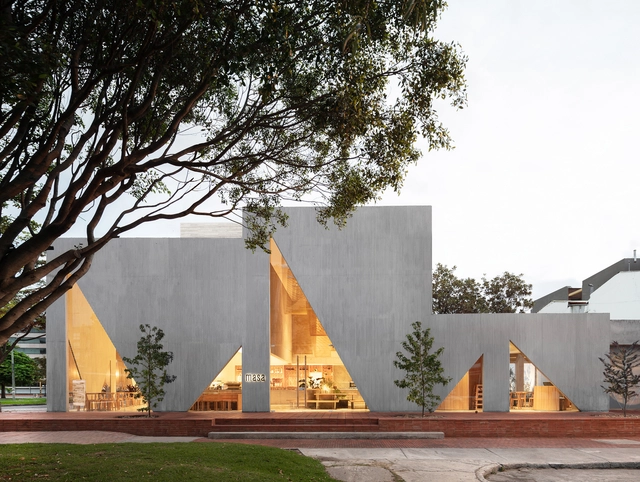
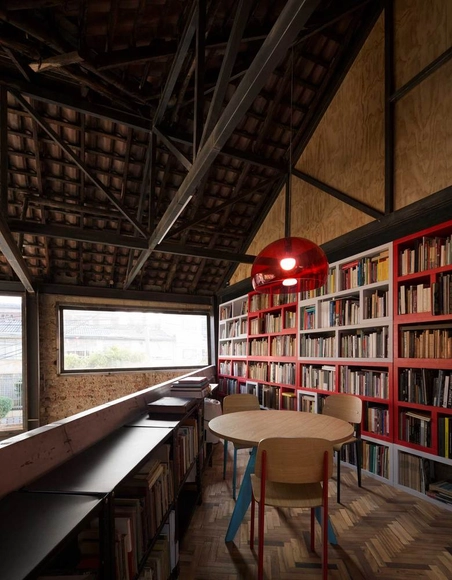
Bookshelves are one of the elements present in almost every interior space, whether in homes, retail, offices, or even pavilions. Yemail Arquitectura, a Bogotá-based firm, shares its exploration of this element, which plays a key role in the spatial configurations of its multi-use projects.
Moving forward also means looking back. Fulfilling the mission of creating safe and inclusive bathrooms that meet the needs of a diverse range of people of different ages, genders, religions, and abilities requires a broad perspective. To understand how we arrived at the current "stalemate" regarding the debate over the design of these spaces, we must consider that bathrooms were and are designed within a particular social and historical context.
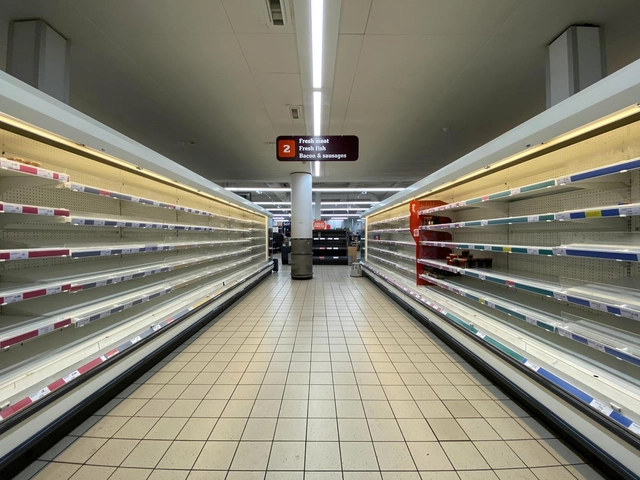
Fear of the economic recession caused by the COVID-19 pandemic left supermarket shelves empty worldwide. Photo by John Camero, via Unsplash
Cities offer opportunity, diversity, and economies of scale, which ultimately attract more residents and retroactively drive their growth. Despite decades of predictions foretelling the demise of cities due to the telephone, the internet, videoconferencing, or virtual reality, cities and face-to-face interactions continue to grow. Large urban areas continue to draw more and more people. Driven by more than just tourism, the travel industry has also grown year after year, demonstrating how much people want to be physically present where things are happening—whether for meetings, events, concerts, or simply to gather with friends and family.
The state of Querétaro is located in the north-central region of Mexico, bordered by the states of San Luis Potosí, Guanajuato, Hidalgo, Estado de México, and Michoacán. Covering an area of 11,684 km², it is one of the most expansive regions in the country. Its capital is Santiago de Querétaro, which is also the state's most populous city. Among its most popular Pueblos Mágicos (Magical Towns) are Bernal, Tequisquiapan, Jalpan de Serra, Cadereyta de Montes, San Joaquín, and Amealco de Bonfil. Additionally, the state boasts four UNESCO World Heritage sites and one entry on the Intangible Cultural Heritage list: the Historic Monuments Zone of Santiago de Querétaro, the Franciscan Missions of the Sierra Gorda, the Otomí Chapels, and the living traditions of the Otomí-Chichimeca culture, respectively.
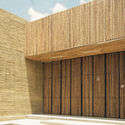
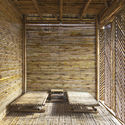
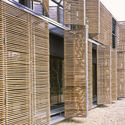
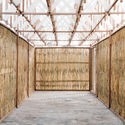
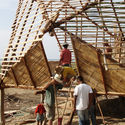
Historically, bamboo has been used as a raw material in low-resource traditional construction, serving as a substitute for other woods to build structures, enclosures, and even furniture. Today, owing to its numerous advantages related to durability, strength, versatility, and low environmental impact, it has earned the moniker "vegetable steel" and gained a privileged position within the construction industry. The ongoing search for new materials for sustainable development has generated new construction fusions that bring contemporary materials and techniques into play with traditional elements, merging and enhancing the qualities of local materials in each region.
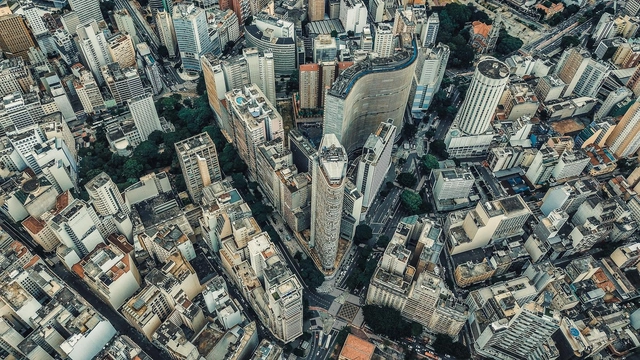
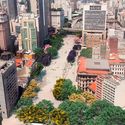
Aerial view of downtown São Paulo. Photo by Sergio Souza, via Unsplash
Why stay in the city?
For many urban dwellers, the answer is obvious: “It’s hard to find a job in a smaller town. Plus, there’s not even a movie theater, restaurant options are limited, and the schools aren’t that great.”
The Guadalajara region in Mexico is home to one of the country's most prominent cities, ranking as one of the most populous urban areas alongside Mexico City, Tijuana, the State of Mexico, and Monterrey. However, the exponential growth experienced by cities in the 20th century resulted in an urban sprawl that expanded far beyond traditional geographic boundaries. The capital of the state of Jalisco was no exception, ultimately leading to the definition of the Guadalajara Metropolitan Area, which integrates the key municipalities surrounding the capital.
Fachada do pavilhão de Yolana Lemos. Image Cortesia de Cabana de Arte
Still largely overlooked by the international media, Angola's contemporary architectural production faces, much like many of its African neighbors, social and economic realities that do not favor its dissemination. When the typical challenges of architecture are compounded by others stemming from an intense process of neocolonialism, taking good ideas off the drawing board and actually building them becomes a formidable task. Stretching the relationship between the physical and the digital, the Angolan collective Banga turns to virtual space to bring to life projects that blend architecture, sensory experiences, and art.
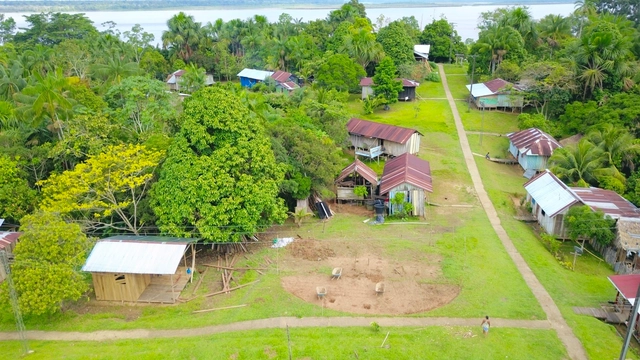
Colombia has an immense territory with some of the greatest biodiversity in the world thanks to its privileged geography, and human presence spans the majority of this territory, regardless of how far it is from urban centers. Below, Sebastian Contreras of Estación Espacial Arquitectos presents the experience and both the human and architectural challenges of building a Maloca with and for the Ticuna community deep in the Colombian Amazon.
Spring’s fallen blossoms, summer’s thunderstorms, autumn’s mountain mists, and winter’s drifting snow. Once again, our annual **yearbook** arrives as promised, and we thank you for accompanying us through another year. Time flew by: only yesterday we were talking about buildings on the verge of completion, yet construction has been delayed until next year—as if this year was stolen from us. Fortunately, we have left behind space. While we may forget the viral gossip of the internet, architecture stands as a constant reminder of the stories of our era.
On July 31, during the 103rd Ordinary Plenary Session, the CAU/BR Temporary Commission on Gender Equity released the 1st "Gender in Architecture and Urbanism" Diagnosis. Conducted online from July 2019 to February 2020, the survey was answered by 987 professionals (767 women and 208 men), with a margin of error of plus or minus 3.11%.
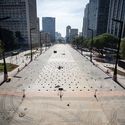
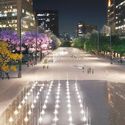
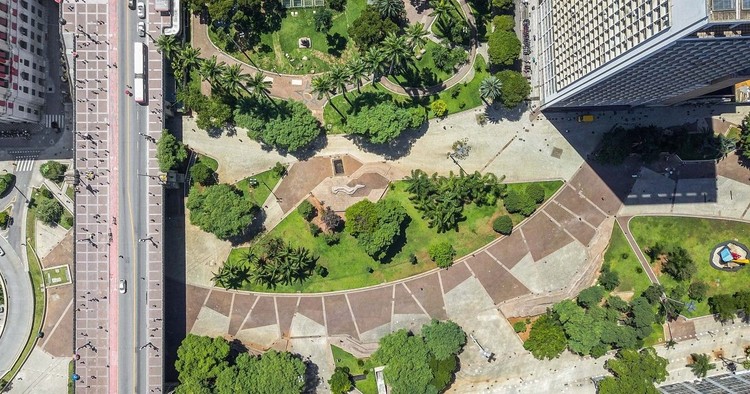
Image of the 1981 winning design for Vale do Anhangabaú. Photo: Bruno Niz, 2019
The place where we are born, where we live, and our urban reference points are part of history and shape our identity. Can we decipher what these spaces tell us? Can we express our perception of them? Vale do Anhangabaú signals an essential part of São Paulo's development and is woven into the imaginary of those who have built memories there. This article is an exercise in traversing different themes to instigate multiple possibilities—collective and individual, real and utopian—of experiencing this space.
The following article is the result of a thesis research project by Colombian architect Sebastián Rojas (Pontificia Universidad Javeriana), which explores the materialities and vernacular construction techniques across 23 prototypes from regions such as the Coffee Axis, the Colombian Amazon, the Cundiboyacense Highlands, and the North Coast.
An architect colleague of mine once mentioned that her firm had hired a new intern. He was a competent, dedicated student in the middle semesters of his architecture program. His hiring was primarily due to his strong skills in BIM (Building Information Modeling) software, with a portfolio filled with well-resolved, medium-scale projects.
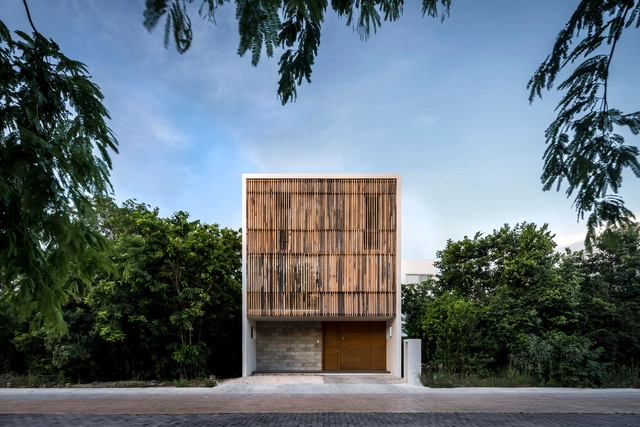
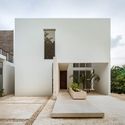
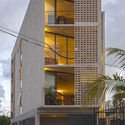
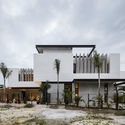
As one of Mexico's most internationally renowned tourist destinations, Cancun is a city founded just 50 years ago. Since then, it has woven a unique narrative, both in its urban layout and in the culture and heritage that residents actively seek to elevate to foster a shared historical consciousness. While primarily known for its massive resort complexes and nightlife, Cancun is much more than that. Several emerging practices, such as Warm Architects and TAFF Arquitectos, are constantly striving to promote a regional architecture that responds to the unique ways of living in this tourism-driven area.
Due to its climate and territorial characteristics, Ecuador possesses an immense diversity of bamboos: it has 6 genera and 42 identified species, of which 11 are endemic. Among them, Guadua angustifolia cane is considered the most important species in terms of abundance and physical and mechanical properties. The indigenous term guadua was used by the native communities of Ecuador and Colombia to designate this species of "native bamboo," which was later renamed "Guadua angustifolia"—meaning "narrow leaf"—and taxonomically belongs to the Poaceae family and the Bambusoideae subfamily. The use of this material is so ancient that, according to the book *Nuevas técnicas de construcción en bambú* (1978), remains have been found in buildings in Ecuador estimated to be 9,500 years old.
Interior design offers almost limitless creative possibilities, especially when it comes to commercial use. Within this realm, dining venues introduce a layer of experience defined by the temporary habitation of these spaces. These experiences are shaped as much by the food as by the atmosphere, and it is in this latter aspect where interior design plays a crucial role.
The founding of Guadalajara's first School of Architecture is a story often told as an almost ‘heroic’ feat, brought to fruition after years of effort. Once a series of fortunate events aligned, the capital of Jalisco finally achieved creative, architectural, and urban independence, fostering its own professionals to build a better Guadalajara.
Corporate logos of the six architecture collectives, taken from https://arquitecturascolectivas.net/, http://www.recetasurbanas.net, http://zuloark.com, http://www.boamistura.com, http://www.eeestudio.es, https://enormestudio.es, and https://assemblestudio.co.uk/. Image via Revista rita_
This article by Alberto Bravo de Laguna Socorro was originally published in the 12th issue of revista rita_ under the title "Transgression, experimentation and communicability of the graphic in collective architectures: Indices of an engaged graphic expression."
https://www.archdaily.com/1123405/transgression-experimentation-and-the-communicability-of-the-graphic-in-collective-architecturesAlberto Bravo de Laguna Socorro
Finishes are the skin of the projects we build, serving as the canvases and frames that contain the atmospheres of the spaces we inhabit. As Pritzker laureate Peter Zumthor expresses in his book Atmospheres, it is through the consonance of materials—by joining, mixing, or altering their formats—that a harmonious effect is created in relation to the spatial atmosphere.
Infraestructuras del agua / Estrategias para el buen manejo de los recursos hídricos. Image Cortesía de Juan Pablo Zuleta Álvarez
Within the framework of the 27th Colombian Biennial of Architecture and Urbanism (BICAU XVII), the Colombian Society of Architects (SCA) has announced the winners of the parallel IV Colombian Biennial of Architecture Students. For these awards, the proposals were selected across four categories: Architectural Project; Research, Theory, and Criticism; Urban, Rural Design, and Territory Planning; and Architects as Agents of Change. Meet them below:
Brutalisim is an architectural movement that emerged in Europe in the 1960s and became one of the most controversial yet popular styles worldwide. This was due to various factors, including its use of raw concrete and, more broadly, its ideals focused on public service through monumental works. Furthermore, it became a new medium for expressing contemporary political stances through functional public spaces.
Mixed-use buildings are urban devices characterized by a diversity of uses. Sharing an existence fraught with obstacles and setbacks, those that manage to get built endure as true survivors of a vigorous species that thrives in areas of opportunity, carving a path through real estate speculation.

__Wikimedia__Bajo_dominio_público.jpg?1594117881&format=webp&width=640&height=580)
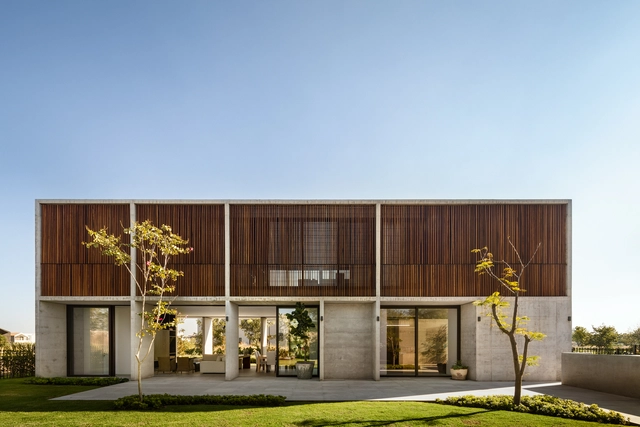
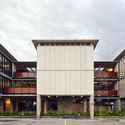
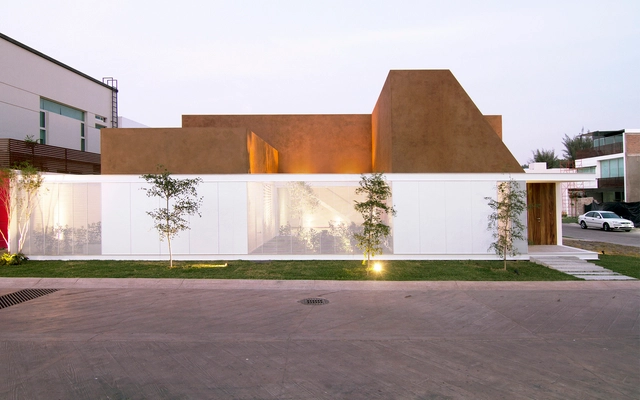
.jpg?1602009335 "Rivera House / Taller de Arquitectura Miguel Montor. Image © Onnis Luque")