
Details of the Conference


Details of the Conference
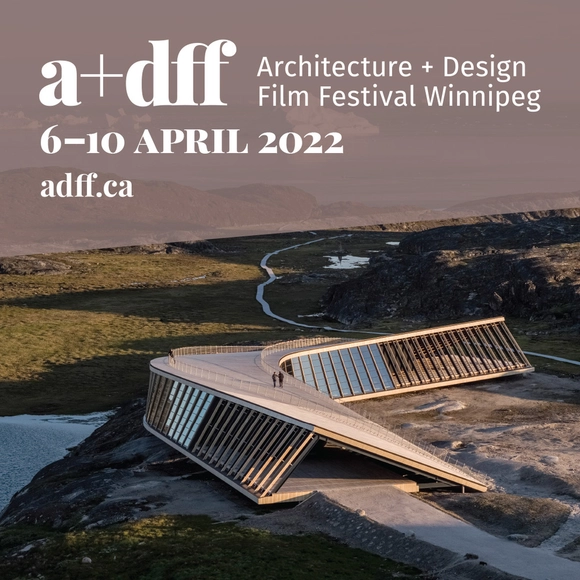
Now in its eleventh year, the annual Architecture + Design Film Festival, organised by the Winnipeg Architecture Foundation, presents critically acclaimed films focusing on the importance of architecture and design in everyday life. The films cover a range of design-oriented topics from architecture and urban design to graphics and product design. is the only festival in Canada devoted solely to architecture and design.This year’s festival will include in person screenings at Cinematheque,100 Arthur Street, as well as the option to stream at home across Canada. There are 17 films from UK ,Italy, Lithuania, Denmark, US, Canada, Cambodia, Israel, Australia and Austria. The only Canadian based festival showcasing architecture and design. The full programme is online at: adff.ca/films.

USC Architecture The Blueprint 2022
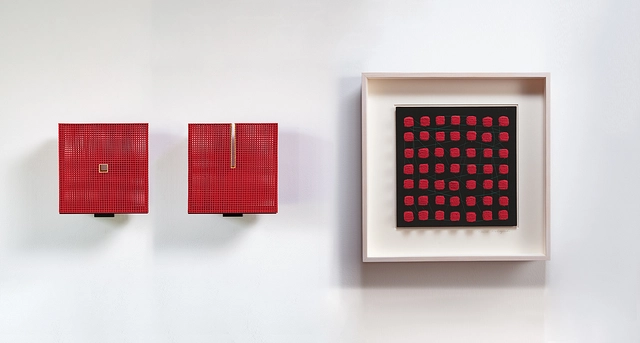
browngrotta arts presents their Spring 2022 Art in the Barn exhibition, Crowdsourcing the Collective: survey of textile and mixed media art at 276 Ridgefield Road Wilton, CT 06897 from May 7 to May 15, 2022. 40 artists from a dozen countries illustrate the vitality of the newly prominent art textiles, ceramics and mixed media. The exhibition reflects the astonishing range of materials and techniques that make this work so attractive for collectors including, tapestries of silk and agave, sculptures of seaweed, seagrass and willow, wall works made of sandpaper, hemp and horsehair and ceramics of Shigaraki clay.

A free online festival with live tours of extraordinary housing across the globe.

Roundtable discussion along with Safdie Architects, Zweig Group, and WallaceLiu moderated by Sara Kolata, on How to run a successful architecture firm.
What is success in Architecture and how do you define it?
How do you strategize for growth?
How to create a business that reflects your values and works for you financially.
How to overcome obstacles and come out bigger on the other side?

The NYCxDESIGN Festival returns this May 10-20, 2022 for its tenth anniversary edition. As the city’s official celebration of design, the Festival has attracted thousands of visitors to New York City each year to celebrate global creative accomplishments, share new ideas, and inspire through design. The Festival also encompasses renowned trade shows including WantedDesign and ICFF, as well as immersive public design experiences like Design Pavilion, and hundreds of additional partner events across the five boroughs of New York City.
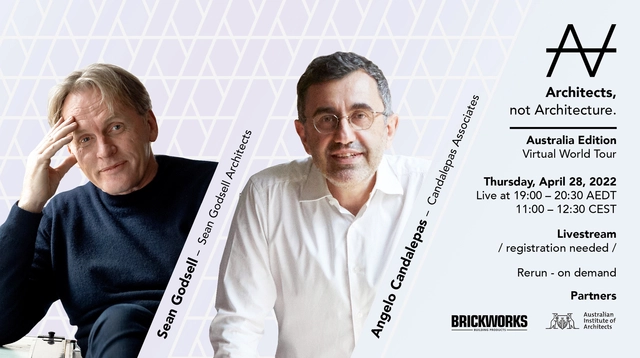
After an amazing response to the first Virtual World Tour, during the peak of the pandemic in late 2020 early 2021, "AnA" has decided to continue the global digital approach to connect the architectural community on a personal level.

SPACE10, IKEA’s independent research and design lab, introduces the first look at its two-week design program in Mexico City. Held in the exhibition space, LOOT, the pop-up explores the theme ‘Beyond Human-Centered Design’ to rethink design that embraces both people and the planet. Featuring over 45 speakers, the pop-up includes daily panels and keynotes, exhibitions, multiple workshops, a live radio show, and immersive food and drink experiences. Taking place from 26 March-9 April 2022, the program promises a comprehensive and jubilant exploration of how design and technology can be a powerful force to reimagine and create a better everyday life.

Join us for a FREE 2 Day Live Grasshopper Masterclass on the 26/27th March at 3PM GMT.

Le Concours Suisse, a culture of architecture is the title of this ambitious exhibition that aims to highlight the incredible democratic tool that we have at our disposal in Switzerland.
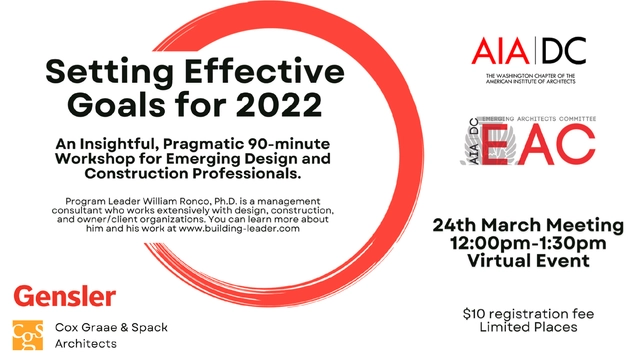
You don’t have to have goals to earn your architecture paycheck. There’s enough activity, good people and productive firms to keep you busy and employed. However, particularly in architecture, effective work with goals generates big rewards. March is a great time to set fresh goals and reboot your career development. Our Setting Effective 2022 Goals Workshop will help you both write and fully implement professional and personal goals that are inspirational, pragmatic, and meaningful.
________________________________________
Learning Objectives:
○ Learn key concepts about what effective goal-setting and goal achievement
○ Develop a 1-page Goals Plan to clarify and implement a goal that’s important to you
○ Work with and learn from peers to deepen your understanding of and effective use of goals
○ Create a consistent practice routine that will allow you to follow-through on achieving results
________________________________________
Presented by:
William Ronco, PhD
Program Leader William Ronco, Ph.D. is a management consultant who works extensively with design, construction and owner/client organizations. You can learn more about him and his work at www.building-leader.com
________________________________________
Organized by:
AIA|DC Emerging Architects Committee
________________________________________
Sponsored by:
Gensler
Cox Graae + Spack Architects
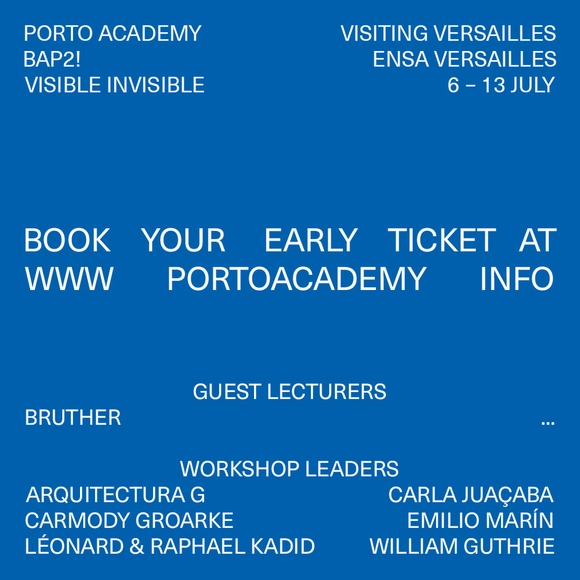
Porto Academy is the result of an enormous passion for architecture as a discipline. Porto Academy started in 2013 as a manifesto of pluralism and opportunity based on close tuition from a diverse range of architects, artists and curators. It is an alternative educational experience, unburdened by established rules or dogmas, where students learn first hand from the singular visions of practice exemplified by invited tutors.

WE ARE LOOKING FOR YOU!

EASA Launches Call for Workshops for the Summer Assembly EASA 1:1

The registration for the RAIC 2022 virtual Conference on Architecture has officially launched. Building on the success of the 2020 and 2021 virtual conference delivery, the RAIC will present weekly live broadcasts scheduled over several days in June.

The SBE22 conference brings together pioneers, practitioners and futurists in an event where sustainable, regenerative innovations and applications will be presented and debated.
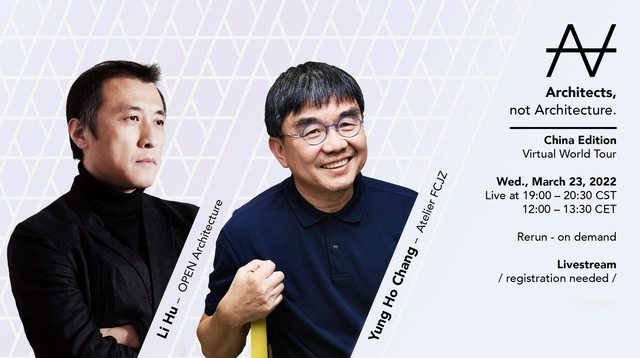
After an amazing response to the first Virtual World Tour, during the peak of the pandemic in late 2020 early 2021, "AnA" has decided to continue the global digital approach to connect the architectural community on a personal level.