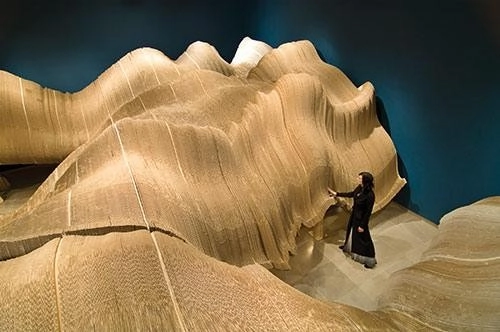
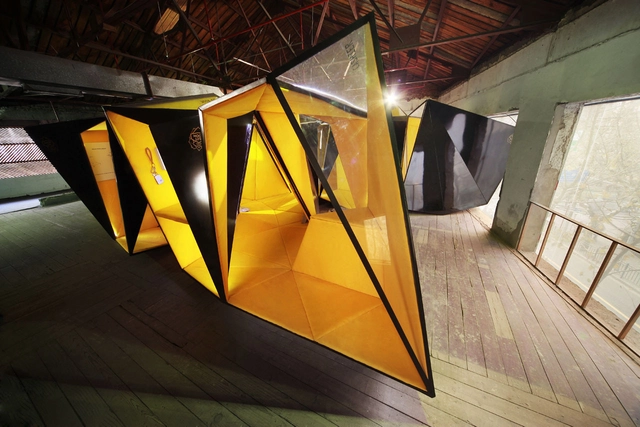
Ball-Nogues Studio, Rip Curl Canyon, 2006, Cardboard, plywood, screws, and hardware, 44 x 40 x 11 ft., Commissioned by Rice Gallery in collaboration with The Museum of Fine Arts, Houston, TX, Courtesy the Artists. Photo: Nash Baker
The Museum of Contemporary Art Santa Barbara (MCASB) welcomes six Los Angeles-based creatives whose work embraces cross-fertilization, collaboration, and adaptation—thus creating new methodologies for research and implementation in the fields of architecture and beyond.
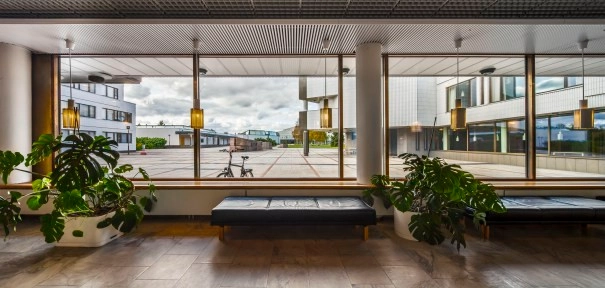
View of the Civic Square From Rovaniemi Town Hall, Hallituskatu 7. Photo: Jukka Suvilehto/Provincial Museum of Lapland
Aalto’s architecture in Rovaniemi, a new exhibition at the Alvar Aalto Museum, takes an in-depth look at Alvar Aalto’s work in and around Rovaniemi. As well as the administrative and cultural centre, the works on show include lesser-known residential and commercial buildings. The exhibition, collated by the Provincial Museum of Lapland, will be open in the Gallery at the Alvar Aalto Museum from 1.11.2013 to 2.2.2014.
A first for the AEC Industry, the AEC Hackathon is a non-profit event that brings together teams of Silicon Valley technologists and industry stakeholders to help shape the future of our built environment. Formatted as a traditional "hack", the AEC Hackathon provides a playful, exploratory environment where disruption, innovation, and creative ideas are brought to life.
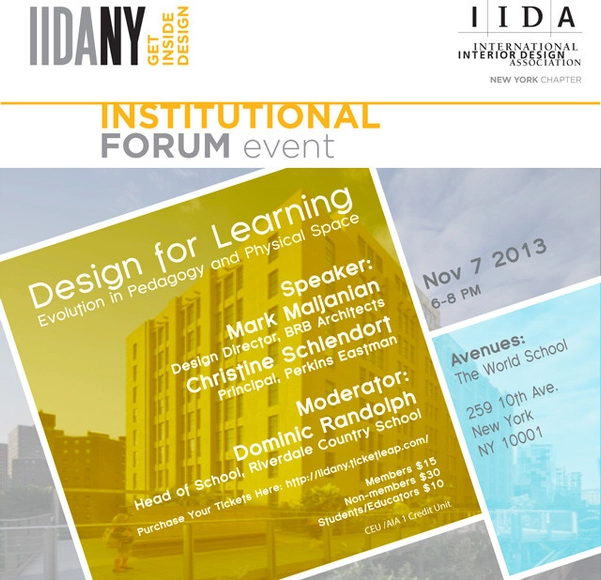
This course will discuss the principal changes in pedagogy and how it affects institutional design. The evolution of pedagogy can be summarized by the following four principals: Learning is at its best constructivist, experimental, connected, and lifeline and informal. Using these principals we will explore different case studies of contemporary institutional design (k-12 and higher education), and see how these changes in pedagogy affect the way students learn , teachers teach, and architects and designers design.
Starchitecture has come to Miami — in a big way. Developers are using the name recognition of some of the world’s star architects to bring in buyers for their posh towers.
The Battle of Ideas is an annual, weekend-long series of panel discussions hosted at the Barbican in London, ranging across subjects from neuroscience to music and everything in between. With a strong thread of architecture and urbanism, this year offered a spectacular chance to probe the popular trends and fads in today's design culture.
Read on after the break for the highlights of the event.
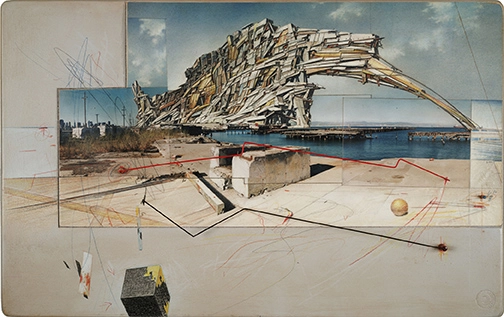
From November 22 through March 2, 2014, the Eli and Edythe Broad Art Museum at Michigan State University presents Lebbeus Woods, Architect, bringing together over 100 works from the past 35 years by one of the most influential architects working in the field. Recognized beyond architecture, Lebbeus Woods (1940–2012), who was born in Lansing, Michigan, has been hailed by leading designers, filmmakers, writers, and artists alike as a significant voice in recent decades. Notably, Zaha Hadid, architect of the Broad’s newly inaugurated building, cities Woods as a key influence.
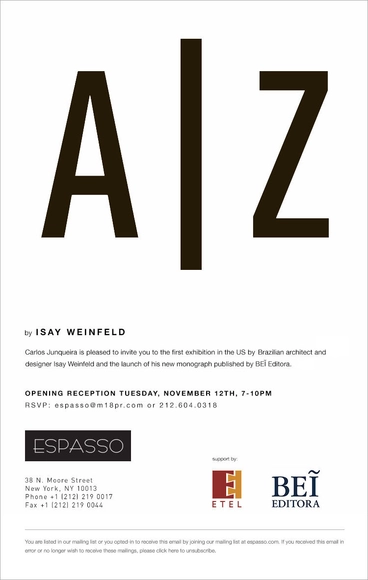
Isay Weinfeld, the multi-award winning Brazilian architect and designer, will be opening his first ever US exhibit at Espasso in conjunction with the launch of a new monograph that takes a closer look at his recent projects.
As part of the Architecture Week in Madrid, the "Past, Present and Future of Sol" exhibition was inaugurated and the brief for the International Ideas Competition was publicated.
PIENSA SOL is a reflection about the future of Madrid's Puerta del Sol plaza. Its objective is to compile proposals through an international ideas competition to profile the path of its evolution looking to improve the Puerta del Sol context. To get to this objective PIENSA SOL is planned in a structured process base in four complementary phases: COMPETITION, EXHIBITION, CITIZEN PARTICIPATION AND REFLECTION.
https://www.archdaily.com/443080/think-sol-international-ideas-competitionPola Mora
Courtesy of UABB / Transformation of the Guangdong Float Glass Factory
Now in its 5th edition, the Bi-City Biennale of Urbanism/Architecture (UABB) is the only biennial exhibition in the world to be based exclusively on the themes of urbanism and urbanization and is co-organized by Shenzhen and Hong Kong, making it one of the most important events on its type in the region.
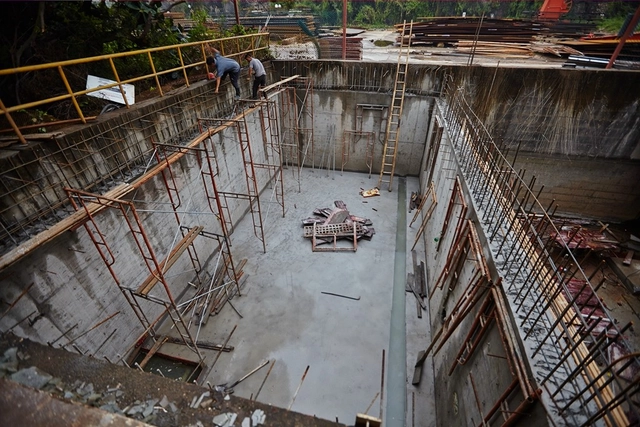
The curator for this year is Ole Bouman, and amajor attraction of the 2013 Shenzhen Biennale is the creative and dramatic transformation of an old Shenzhen glass factory into one of the Biennale’s core venues for this year. Spearheaded by Ole Bouman, the UABB’s curator and creative director, the project adhered to his manifesto statement of “Biennale as risk.” The revitalisation effort not only provides a unique and functional exhibition space for the Biennale but it reclaims a piece of heritage and history. As a broader objective, the makeover is also a step in redefining Shenzhen’s identity. In completing the urban intervention, Mr. Bouman now calls it a ‘Value Factory’ to manufacture ideas and knowledge.
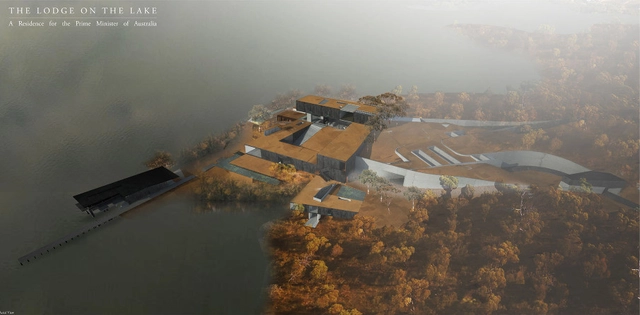
In light of the strong responses to their Lodge on the Lake competition, organized in collaboration with the University of Canberra and won by Henry Stephens, Nick Roberts and Jack Davies in May, the Gallery of Australian Design is hosting an exhibition of the submissions to the competition, including models of the entries created specially created for the exhibition.
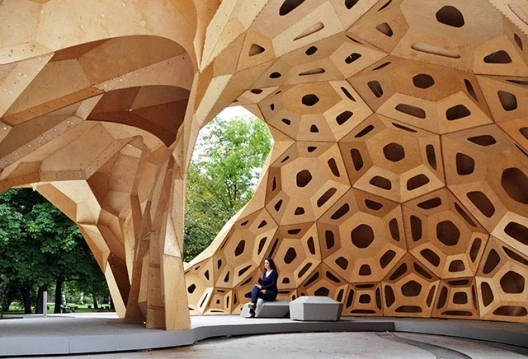
ICD | ITKE Research Pavilion 2011 / ICD / ITKE University of Stuttgart, part of the ArchiLab 2013 exhibit
Currently on view at the FRAC Centre in Orléans, ArchiLab 2013 introduces the latest progress in terms of research in digital architecture and its interaction with the sciences, permitted by the simulation of growth phenomena in the living world.
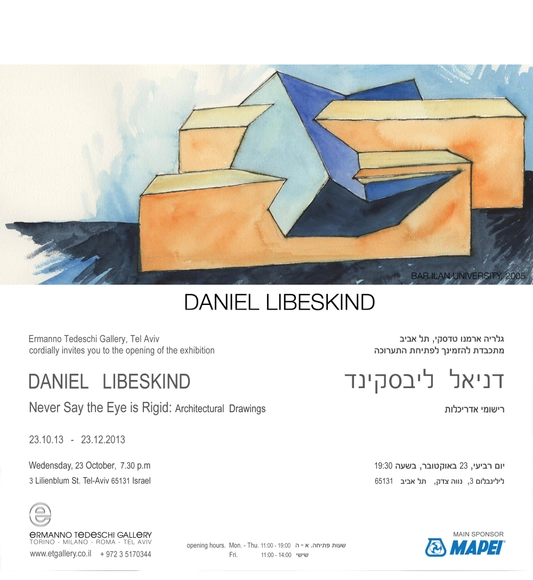
On October 23, 2013, Tel Aviv’s Ermanno Tedeschi Gallery will open its newest show, “Never Say the Eye Is Rigid: Architectural Drawings of Daniel Libeskind”. The exhibition, in collaboration with the Ermanno Tedeschi Gallery (Milan, Turin, Rome ,Tel Aviv), which brings together 52 original drawings will include depictions of the architect’s signature work, the Jewish Museum Berlin (2001), and his 2003 master plan for Ground Zero in New York City.
Daeyang Gallery and House, Seoul, Korea (2012), Steven Holl Architects
On November 8, Philips and Parsons The New School for Design will bring together architects, lighting designers and researchers for a symposium on the dualistic relationship between natural light and the latest electric lighting technologies, and the influence these systems have on human well being. The event is part of Luminous Talks, a programming series now in its second year, which was developed by Philips and Parsons to inspire dialogue around relevant topics in the field. This year’s theme, Nature and Man-Made, builds on last year’s focus on human health and well being to consider the human presence amidst these forces and their psychological and physiological impact.
All too often when it comes to the issue of women disappearing from the architecture profession, the question is: why? But perhaps we really should be asking: how? How can we keep women in the profession? How can more women advance to positions of power? And how can women start earning the money they deserve?
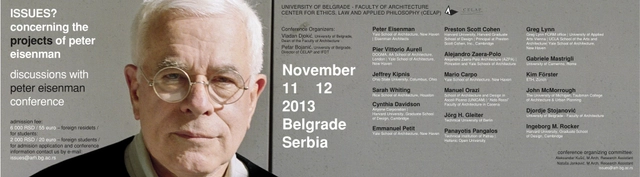
The conference will focus on Peter Eisenman's long and outstanding oeuvre.Thematization of almost 50 years of his theoretical and educational work and almost 25 years of his full-time architectural practice is seen here as vital to the understanding of both the past and the presence of contemporary architecture. From the questions related to Renaissance heritage to the problems associated with disciplinary autonomy and the digital, the conference aims to provide a space for a critical debate among architects and theorists.