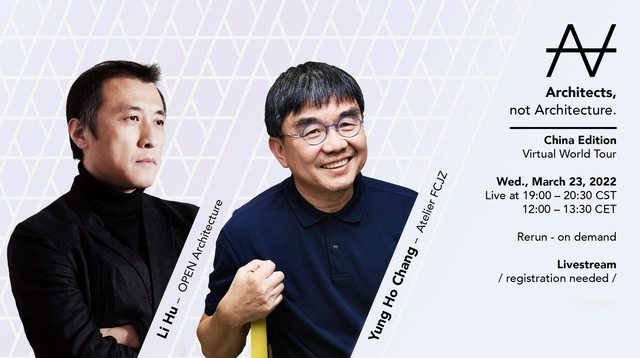
After an amazing response to the first Virtual World Tour, during the peak of the pandemic in late 2020 early 2021, "AnA" has decided to continue the global digital approach to connect the architectural community on a personal level.


After an amazing response to the first Virtual World Tour, during the peak of the pandemic in late 2020 early 2021, "AnA" has decided to continue the global digital approach to connect the architectural community on a personal level.
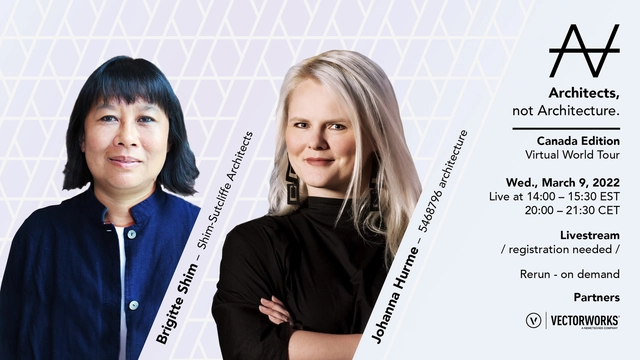
After an amazing response to the first Virtual World Tour, during the peak of the pandemic in late 2020 early 2021, "AnA" has decided to continue the global digital approach to connect the architectural community on a personal level.

“Skip Forward to the Future of Design”
Computational Design: NEXT
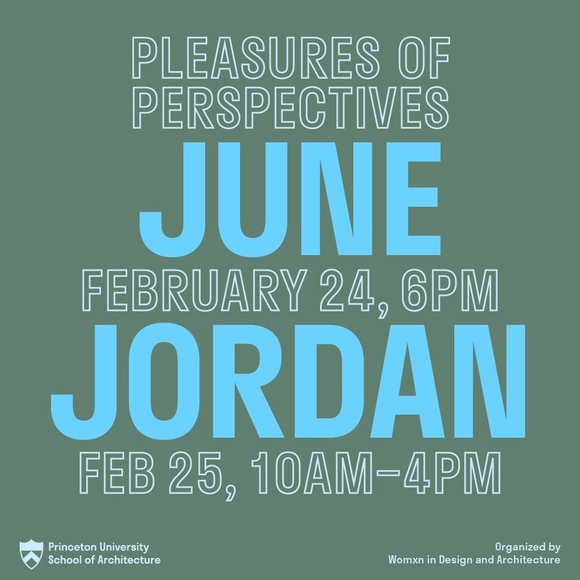
June Jordan’s visionary practice reimagines the role of the built environment in creating just futures. Deeply committed to human rights and political activism, she used language to design a model for pedagogy and activism centered on ecology, care, and justice. While Jordan’s literary contributions reflect her work as a poet, author, teacher, and activist, what does it mean to call June Jordan an architect?

Following the success of the previous editions of "Urban Planning & Architectural Design for Sustainable Development," the 7th edition of the conference will be an opportunity to benefit from and exchange knowledge with experts in this field.
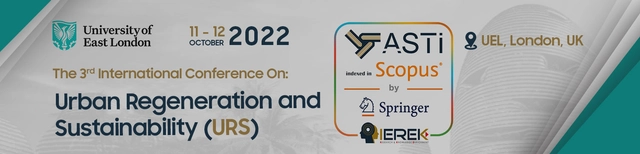
Following the success of the 1st Edition and 2nd Edition international conference on “Urban Regeneration and Sustainability”, this year's 3rd edition will address all the aspects of the urban environment. Urban regeneration is discussed thoroughly in this conference, by rendering it as a process and a strategy that aims to transform and renovate areas in hopes of upgrading public housing, public buildings, private buildings, infrastructure, and services. It could also be considered as a highly effective way to improve urban performance by targeting countless areas and taking their economic levels and developments into consideration which could affect society either negatively or positively.

Seeking to actively respond to the climate-related challenges of the 21st century, VELUX's sustainability strategy includes a series of measurable steps towards positive change as we focus on how buildings can help solve global challenges with sustainable solutions and practical actions. One of these steps is Build for Life, a pioneering, multidisciplinary initiative launched in 2021 to help connect people and the planet through better building design.
The Build for Life 2021 Conference will be held on November 15-17, and is an open invitation to join a global conversation on how buildings can benefit the environment and improve the quality of life for people around the world.

IEREK is organizing the 2nd edition of the international conference on "Utopian and Sacred Architecture Studies (USAS)." The conference aims to discuss the history of Utopia, political and social sciences, art, and literature of various civilizations that happened over the past centuries. It also exhibits visual cultures, presented in gothic and monastic architecture, and displays works of historic architects.
Moreover, the conference will address the misconceptions and misunderstandings of ancient Utopian cultures and their relation to modern religious ideas and futuristic Utopia. IEREK aims to provide scope for researchers interested in studying Utopian cultures to reflect on history, religion and development, and architecture of ancient cities and to find links between the past, the present, and the future.
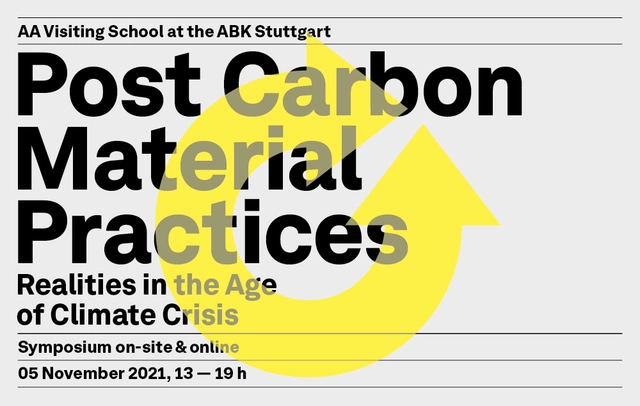
This international transdisciplinary symposium examines new material practices in architecture and design in the age of climate crisis. It takes place in hybrid form at the Stuttgart State Academy of Art and Design (ABK) situated adjacent to modernist icon and UNESCO World Heritage Site Weissenhof Estate and is open to a global audience. The event is organized by The Laboratory / AA Visiting School Stuttgart, a cross-disciplinary initiative of the AA at the ABK that brings together architects, artists, designers and researchers to speculate about our life in the future.

The opening conference of the “AURA on Saturday” series in 2021 Fall Semester will host architect, professor emeritus, writer Juhani Pallasmaa and architect, writer Hüseyin Yanar.

Organized jointly by the Departments of City and Regional Planning of Middle East Technical University (METU) and Yildiz Technical University (YTU), “AESOP 16th Young Academics Conference” will be held in Istanbul between 5-8 April 2022. The deadline for abstract submission is 15 November 2021.

Daring Cities is the global virtual forum for urban leaders boldly tackling the climate emergency, especially in light of COVID-19.

As with every year, the anchor highlight of Singapore's Archifest will be its returning Annual Conference. Set to take place virtually on Zoom over three days between Oct 12 and 14 October 2021, the conference will bring together globally acclaimed voices in the industry.
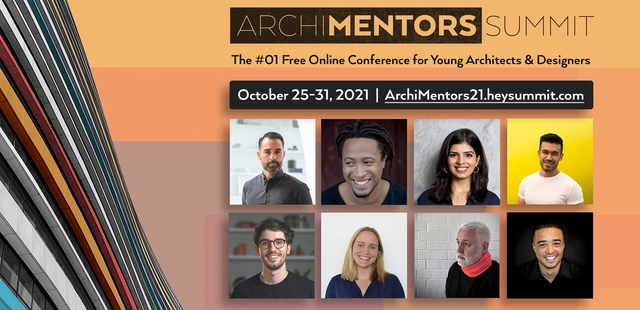
The ArchiMentors Summit 2021 is a free online conference for young architects and designers which aims to inspire and educate through sharing journeys, experiences, and expertise of amazing speakers who have done it before and (often non-traditionally) created their ideal careers within the architecture and design industry!

Join the American Institute of Architects New York's (AIANY) Emerging New York Architects Committee (ENYA), the Future of Practice Committee, and a distinguished body of global computational design leaders on Saturday, November 6, for a one-day symposium and workshop to explore how computational thinking can be used to solve design problems.
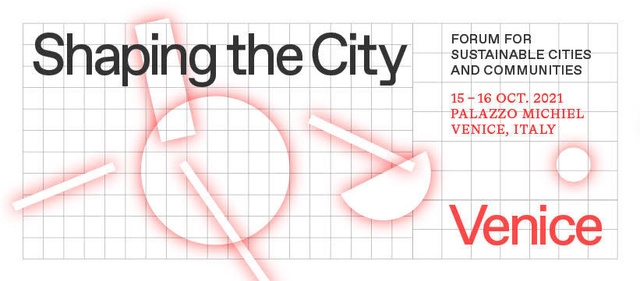
Shaping the City: A Forum for Sustainable Cities and Communities is a
forum organized by the European Cultural Centre in the context of its Venice
Architecture Biennial Exhibition titled Time Space Existence.
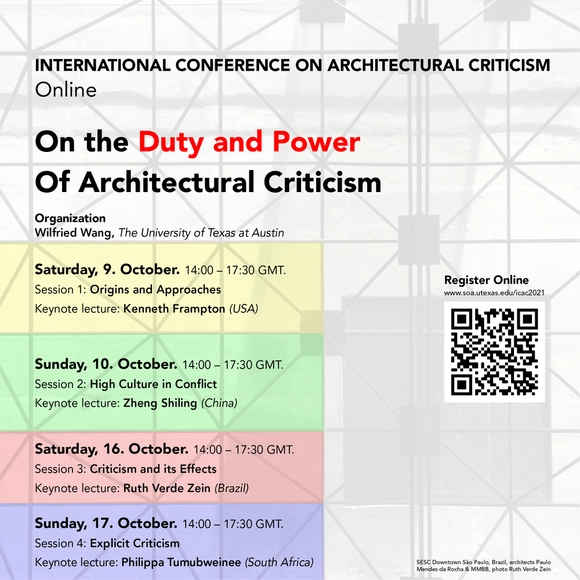
"On the Duty and Power of Architectural Criticism" is an online conference organized by Professor Wilfried Wang taking place October 9-10 and October 16-17, 2021.
Should architectural criticism be enlightening? Should it help in the creation of a better built environment? Is there a factual basis to it? Does it have a duty to present evidence in the evaluation of a building? Or should it take on what architects say about their designs?

After an amazing response to the first Virtual World Tour, during the peak of the pandemic in late 2020 early 2021, "AnA" has decided to continue the global digital approach to connect the architectural community on a personal level.