The first architecture course in Brazil was established more than 200 years ago as part of the "French Mission" of 1816. The Royal School of Sciences, Arts, and Crafts of Rio de Janeiro offered the only course in the country for over fifty years. It was an institution geared toward educating the Brazilian elite, lacking any research purpose, and training an "architect-artist in service of the court."
According to architect and researcher Sônia Marques, the requirements for admission to the Royal School were "knowing how to read, write, and count," and the curriculum of the architecture course consisted of subjects such as: ornamental drawing, ornamental sculpture, archaeology and applied mathematics, perspective and shadows, and stereotomy (the technique of cutting construction materials), among others. Its foundation aimed to meet the needs of a clientele consuming symbolic goods—a demographic developed and fostered primarily by the recent presence of the Portuguese court in Brazil. [1]


























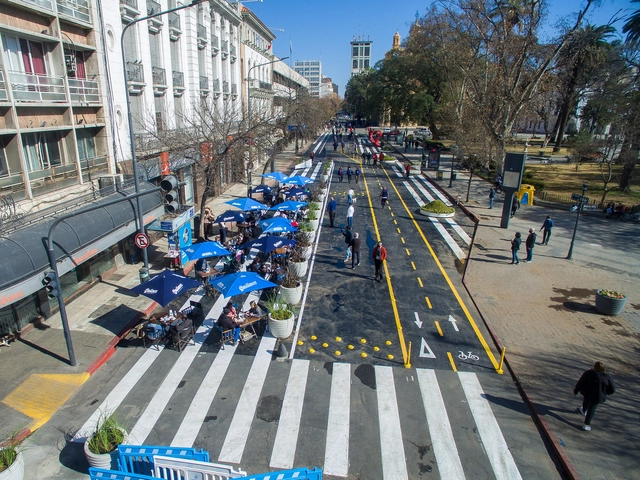
.jpg?1607603966 "Unit of the Centro Aberto (Open Downtown) Program implemented in Largo de São Francisco, downtown São Paulo. Photo: SP Urbanismo")
.jpg?1607603889 "Scenic lighting of historic buildings shapes the public space in downtown Mexico City. Photo: Danielle Hoppe / ITDP Brasil")
.jpg?1607603882 "In Fortaleza, since 2018 all revenue from paid on-street parking has been directed toward cycling infrastructure policies. Photo: ITDP HQ")

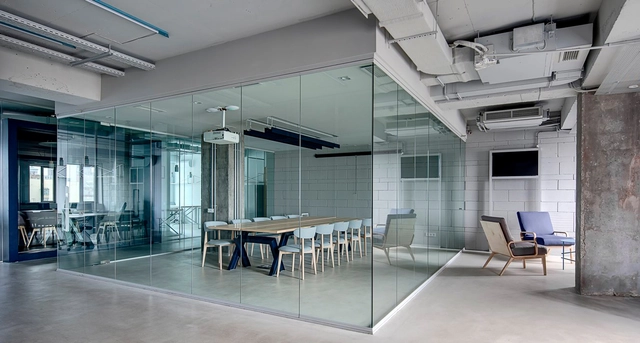





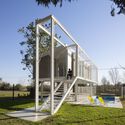
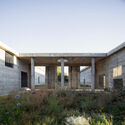
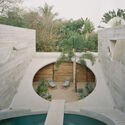

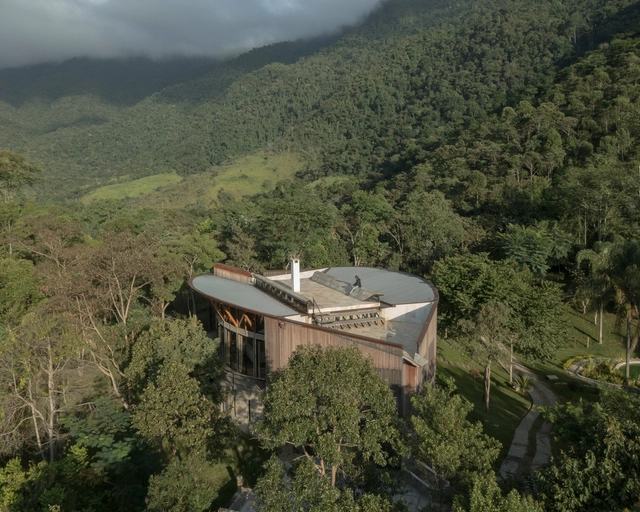


.jpg?1608552262 "View of the AA Earth Gallery virtual exhibition")