This article is part of a collaboration with the website coolhuntermx. It was originally published on February 2, 2020, under the title "Un parque moderno para Guadalajara" and written by David Lozano Díaz.
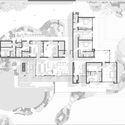
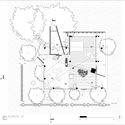
In 1971, architect Fernando González Gortázar, at 29 years of age, was commissioned to build González Gallo Park. This commission served a dual purpose: to commemorate the late former governor José de Jesús González Gallo and to provide a substantial new public space for the developing neighborhoods in eastern Guadalajara.
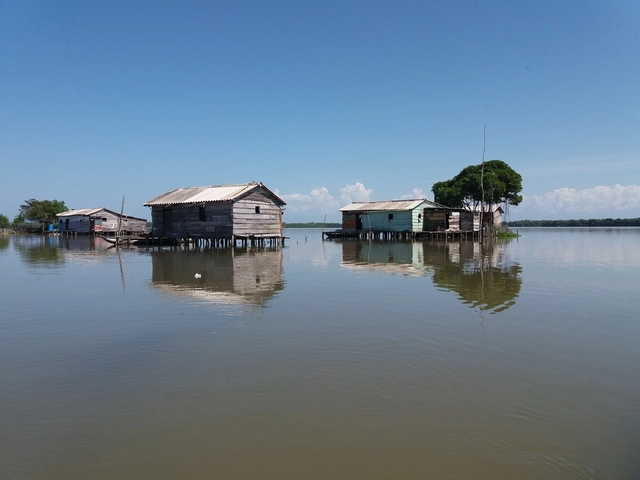
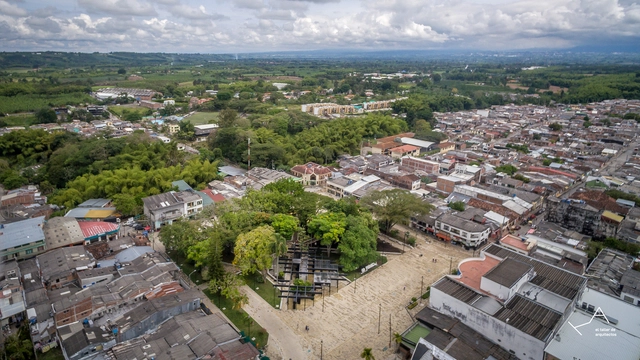
Stilt settlements have existed throughout the world wherever populations sustain their lives through constant interaction with water. In Colombia, the settlements of the Ciénaga Grande de Santa Marta, in the department of Magdalena, are a local benchmark that has endured since pre-Hispanic times. Today, these are informal dwellings, unrecognized in the official land registry. The Pontificia Universidad Javeriana and AGRA have shared their research, compiled in a book that supports the documented formalization of these dwellings using architectural representation standards, specifically by identifying the typologies of Nueva Venecia.
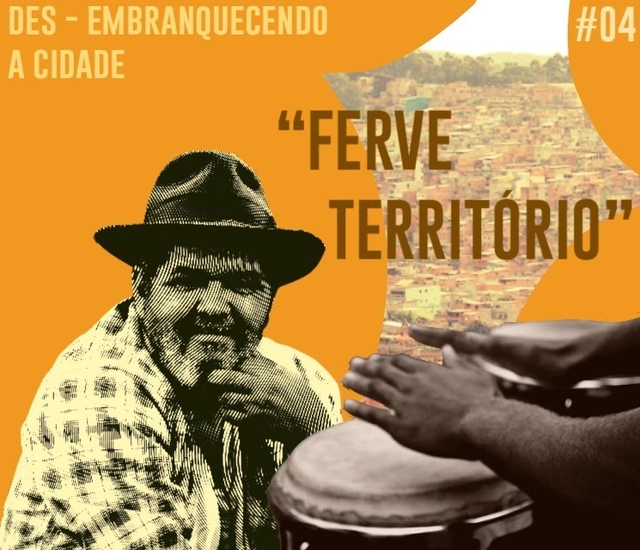
The Terra Preta Cidade collective is a space created from the desire of five Black women living in Salvador, São Paulo, Rio de Janeiro, and Belo Horizonte to bypass geographical distance in order to promote and celebrate coming together. Emmily Leandro, Gabriela Gaia, Luciana Mayrink, Malu de Barros, and Natalia Alves give shape and voice to this exercise of creating a shared virtual territory—which is as much a political statement as an aesthetic one—through the podcast Des-embranquecendo a Cidade, which reaches its fourth episode with the theme: "Boiling Territory — Permanent Steadfastness."
https://www.archdaily.com/1123679/de-whitening-the-city-number-4-territory-boils-permanent-steadfastnessTerra Preta Cidade
This article is a contribution from the Medellín-based firm El Taller de Arquitectos, who share their experience in structuring their practice by understanding and approaching architecture competitions as commissioned projects. Read on to explore their insights.
https://www.archdaily.com/1123680/el-taller-de-arquitectos-how-to-approach-architecture-competitions-as-commissions-in-colombiaEl Taller de Arquitectos
Photo by Fernando Stankuns on Visualhunt / CC BY-NC-SA
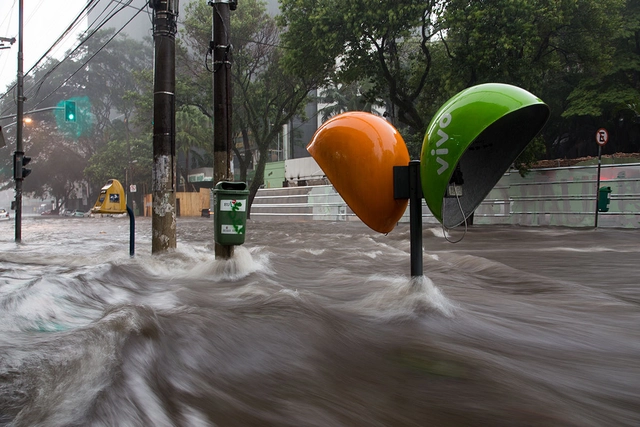
Recent floods in Belo Horizonte and other cities in Minas Gerais have alarmed residents. Videos showing the force of the torrents dragging cars and toppling structures shocked the entire country. This state of emergency was not confined to Minas Gerais. Much of the Southeast faced heavy rains, causing widespread disruption. In Espírito Santo, for instance, more than 5,000 people were forced to leave their homes, while São Paulo was placed on high alert for flooding. Meanwhile, in Rio de Janeiro, an algae bloom in water sources led to the opposite extreme: a water crisis triggered by the poor quality of the water reaching people's taps.
https://www.archdaily.com/1123688/natural-infrastructure-can-prevent-disasters-like-the-floods-in-minas-gerais-and-sao-pauloWRI Brasil
Located on the Mexican border as the southern gateway to the United States, Ciudad Juárez encompasses a territory that blends multiculturalism, migration, and resilience. Together, these elements form a phenomenon of hybrid roots that, over decades, has shaped “border culture.”
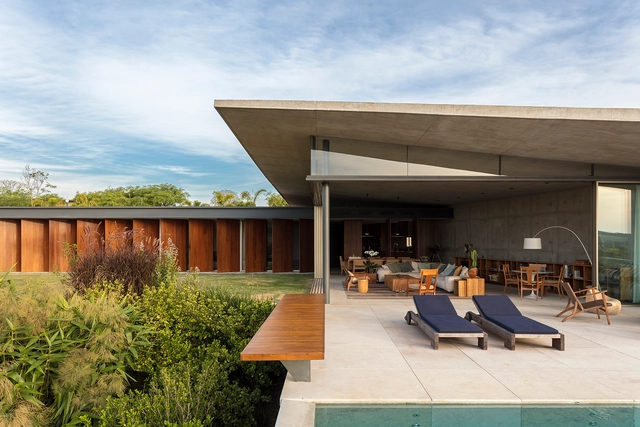
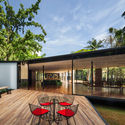
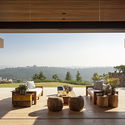
Countries with a predominantly tropical or equatorial climate, such as Brazil, allow homes to foster a more fluid relationship between the indoors and outdoors, with little to no need, across most of the country, for architectural features that restrict this connection to retain heat. In regions marked by warmer temperatures, integrating indoor and outdoor spaces is particularly beneficial, promoting greater natural ventilation and daylighting within the home, alongside its inherent aesthetic appeal.
As part of the cultural programming of the Mexico City-based art gallery, MASA presents the exhibition Recover / Uncover, a space featuring unique and limited-edition pieces by designers and artists whose work seeks to challenge labels. In doing so, MASA celebrates contradiction as a reflection of an ongoing process of self-definition and evolution over time, presenting objects as tools for life and contemplation.
In early October, a new space opened in Mexico City under the name Design House at Público Coworking, showcasing a series of interventions that integrate disciplines such as design, architecture, and interior design. Over the past ten years, Design House has presented cutting-edge concepts from more than one hundred participating firms across various venues, collaborating with showrooms on the Design Route (Ruta del Diseño) that provide the pieces and accessories featured in the diverse installations.
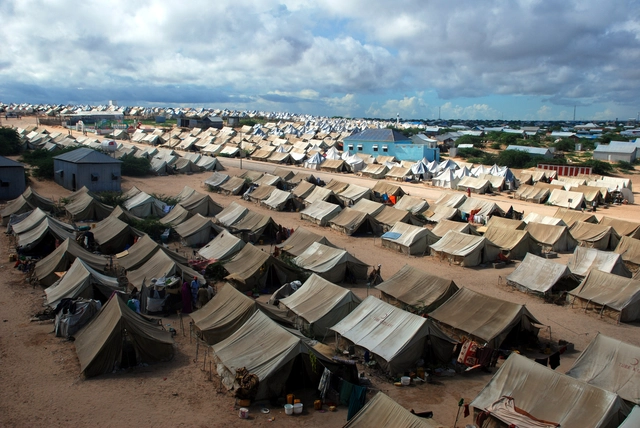
Currently, most global citizens have been directed into lockdown due to COVID-19. After spending more than two months under these circumstances, two broad reflections emerge—regardless of the personal challenges faced by each household. The first is that we might adapt and live in relative harmony within our living spaces; the second is that our living space may not be adequate for our comfort. We will delve into this second point to empathize with vulnerable populations who choose to abandon their lives in one place to migrate toward better opportunities, and to examine how architecture addresses—or fails to address—the migration emergency.
Architecture does not feed upon itself. Unlike Francisco de Goya's painting, Saturn Devouring His Son, architecture looks to other arts, sciences, and technologies for nourishment before turning upon its own kind. Without these fundamental tributaries, it could not exist. Its richness is directly proportional to the presence of these supporting contributions.
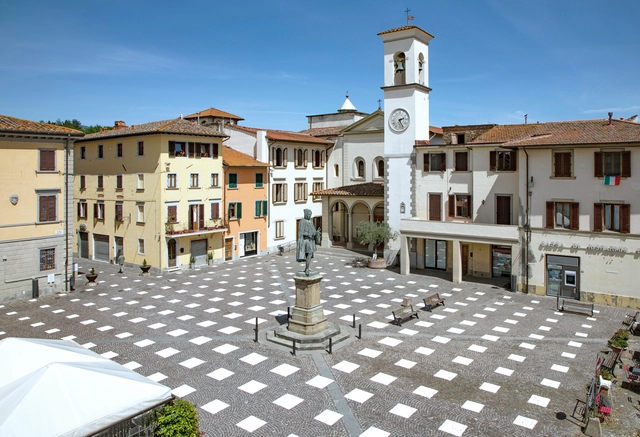
Since its origins, architecture has maintained a close relationship with measurement—an obsession that represents the transition between creative art and construction technology. Art and technique, united by measurement. First came the body, then proportional and regulatory elements, and finally, complex metrics of various kinds. Historically, the treatises of Vitruvius, Leonardo da Vinci, and Leon Battista Alberti taught us the mathematical relationships between art and nature as the fundamental basis of architecture.
https://www.archdaily.com/1123529/the-new-metric-reflections-on-norms-and-measures-in-times-of-social-distancingManuel Amaya D.
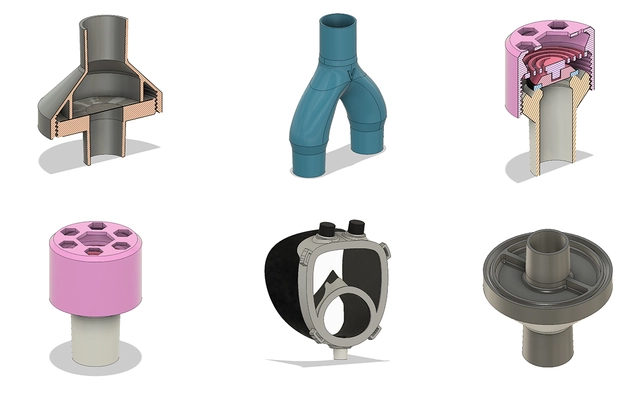
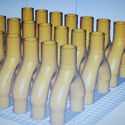
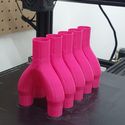
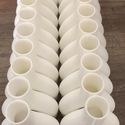
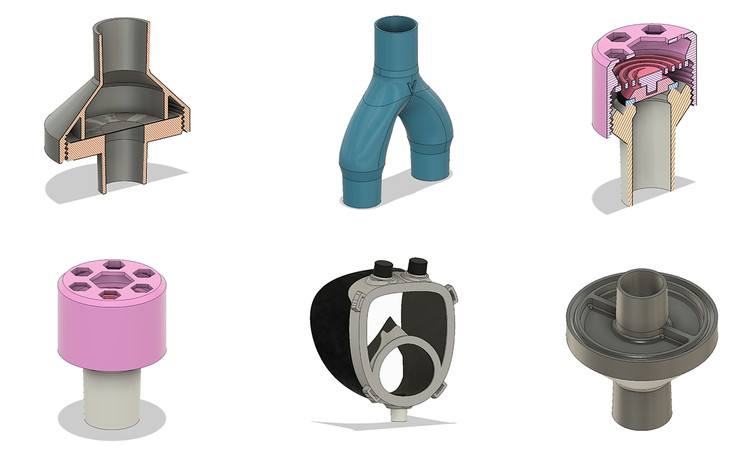
As part of an initiative by Makers México, a group of nearly 300 creative professionals from various fields continues to come together to address the COVID-19 pandemic. Architects such as Juan Carlos Baumgartner and Michel Rojkind, along with designer Ariel Rojo, have joined this effort to contribute in various ways, creating 3D-printed parts to be donated to hospitals across the country. Currently, they are working on a splitter—which allows two patients to be connected to a single ventilator in the event of a shortage—protective masks for doctors and patients, as well as other components to complement their operation.
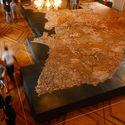
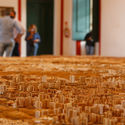
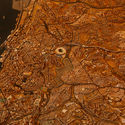
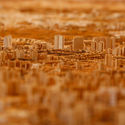
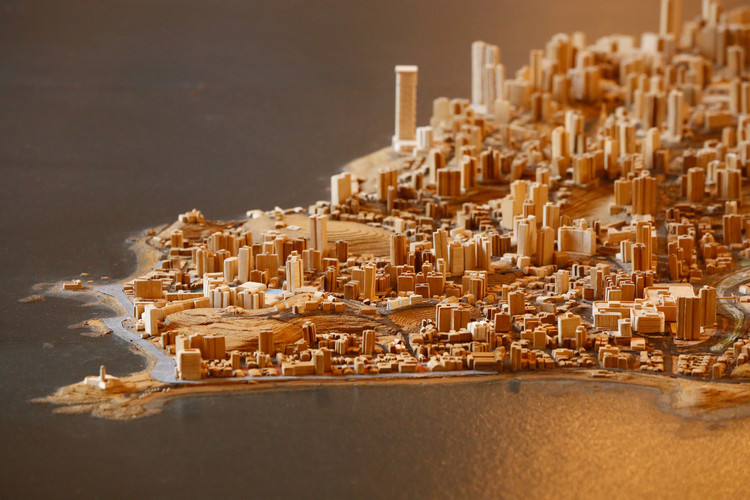
On August 20, the landmarking process began for the scale model of Salvador, which is currently on display at the Associação Comercial da Bahia in the state capital [1]. The model, which will remain open to visitors by appointment until September 18, 2020 [2], was first conceived in the early 1970s by architect Assis Reis. Since then, it has been continually updated by a team of craftspeople from the Salvador Municipal Government to represent the city's urban changes, thus preserving the original vision behind its creation.
The government-mandated lockdowns in response to the COVID-19 pandemic—and, in some cases, the fear of going outside—have recently underscored the value of domestic space, transforming it into the stage for the most evident and characteristic human actions and reactions within a capitalist and patriarchal system.
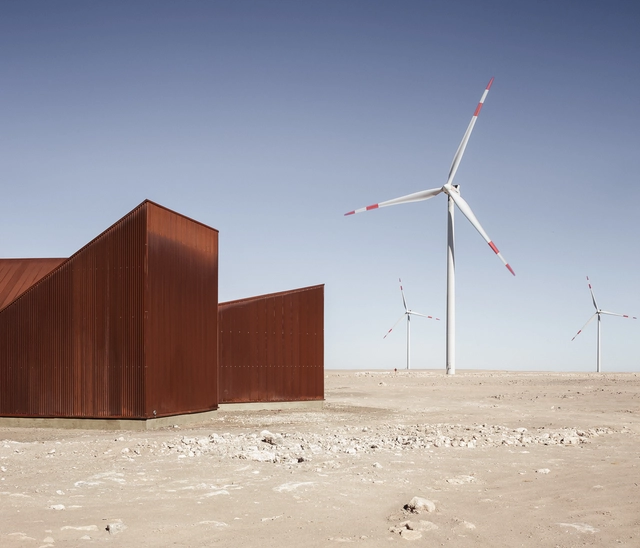
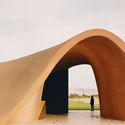
"The hardest thing in architecture is building in the desert. It is terrible, there are no references," Álvaro Siza once remarked. Paradoxical as it may seem, complex site constraints are often the starting point for architectural reasoning. Dealing with steep slopes, significant pre-existing structures, or endemic vegetation might initially seem like an obstacle to the creative process, but in many cases, this very confrontation is what makes a project unique and anchors it to its site.
Brick stands as one of the defining materials of Latin American architectural culture. The diversity and versatility of this masonry unit have led to a wide array of uses and applications. Whether chosen for economic or aesthetic reasons, exposed brick—left unfinished and without exterior cladding—is widely used across the region's designs, showcasing the rich textures and tones inherent to the material.




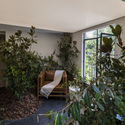
.jpg?1592235861 "Jungle House / Studiomk27 - Marcio Kogan + Samanta Cafardo. Image: © Fernando Guerra | FG+SG")