Architect Cristián Boza Díaz, known for designing the Parque Fluvial de la Familia, the Centro de la Justicia, and the Universidad San Sebastián in Santiago, Chile, passed away today at the age of 76 following a liver disease that afflicted him in his final years.
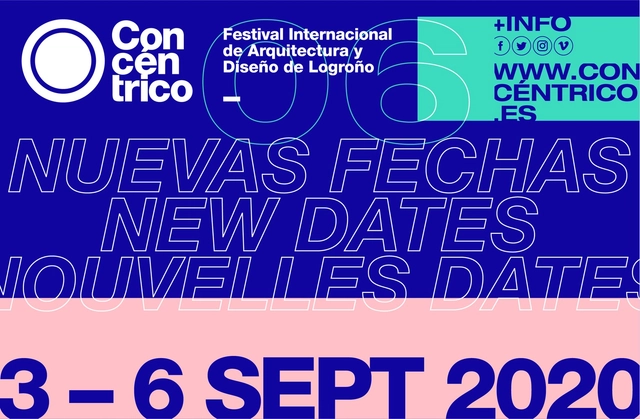
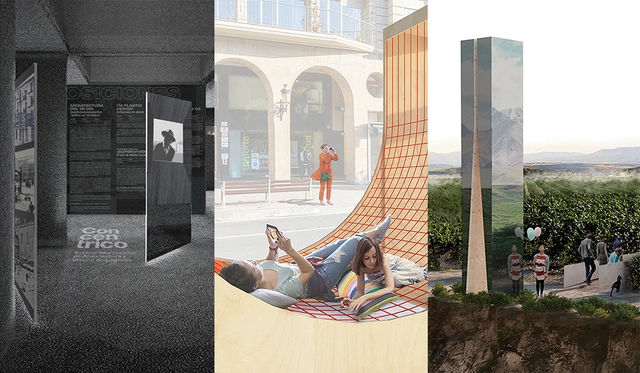
Due to the global coronavirus pandemic, the sixth edition of the Concéntrico International Architecture and Design Festival has been postponed, with new dates set for September 3 to 6, 2020. The postponement is accompanied by an innovative online coverage initiative called the "Concéntrico Marathon," which will take place during the originally scheduled dates, from April 29 to May 3, 2020.
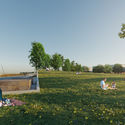
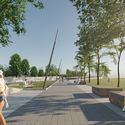
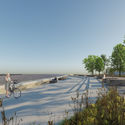
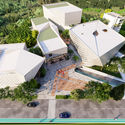
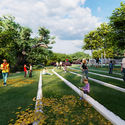
The winners of the Buenos Aires and the River "Salguero Park" National Ideas Competition, Young District CABA, have been announced. Promoted by the Government of the City of Buenos Aires and organized by the Central Society of Architects (SCA) and the Faculty of Architecture, Design, and Urbanism of the UBA (FADU), the call invited participants to develop comprehensive urban ideas for the "Costa Salguero - Punta Carrasco" complex of the Young District across its 32 hectares and 2,535 linear meters along the Río de la Plata.
For more than 70 years, Guatemala's professional associations have sought to preserve a spirit of unity among their fields. In 1958, in an effort to enhance communication and interaction, a new headquarters was established to bring the different professional associations together in a single space for the first time. Later, the Assembly acquired its own land, and between 1971 and 1972, an architectural design competition was held, resulting in the design of the current complex. Today, Guatemala's professional population is growing steadily, and the complex designed nearly fifty years ago is no longer sufficient to house all the associations and their members. For instance, several organizations, such as the associations of engineers and psychologists, do not operate out of the main headquarters. Therefore, there is a clear need to expand the infrastructure of the professional headquarters to accommodate all current and future associations in a single complex, adequately meeting the needs of their members.
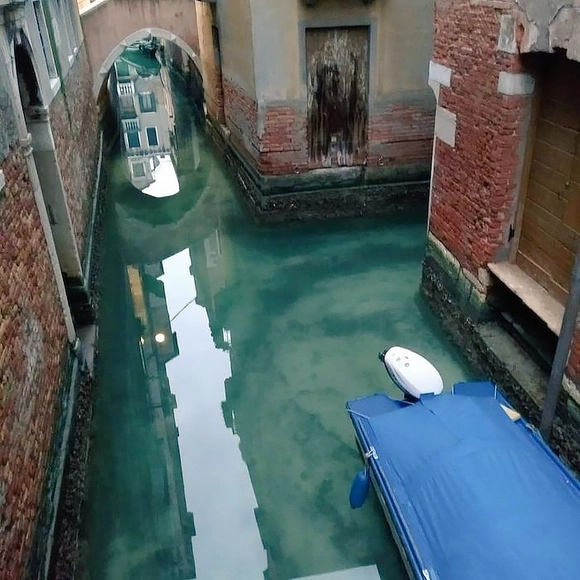
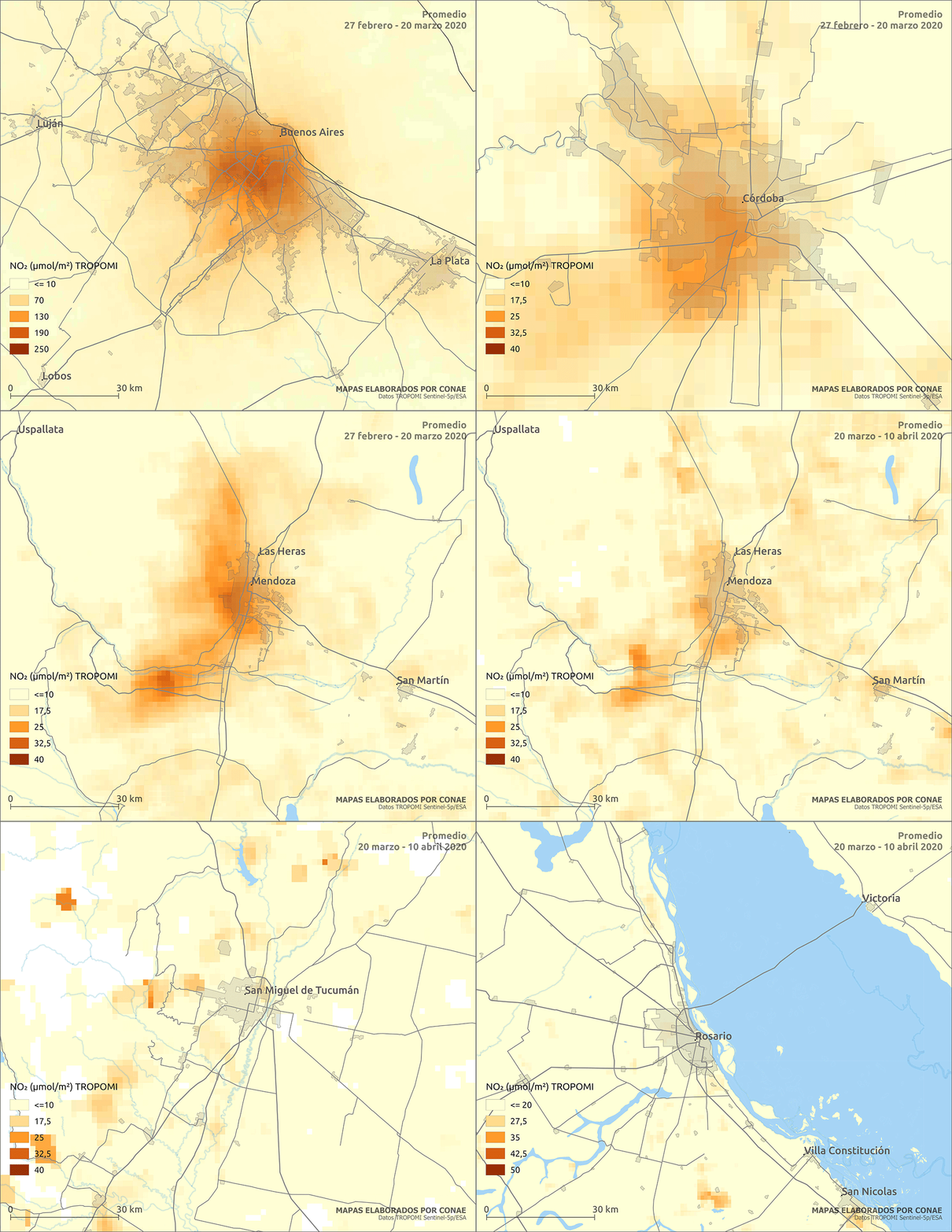
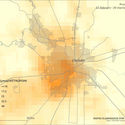
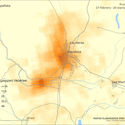
The spread of the coronavirus is affecting the entire world, and difficult times lie ahead. However, as people's movement decreases, many cities are experiencing a significant reduction in their environmental issues.
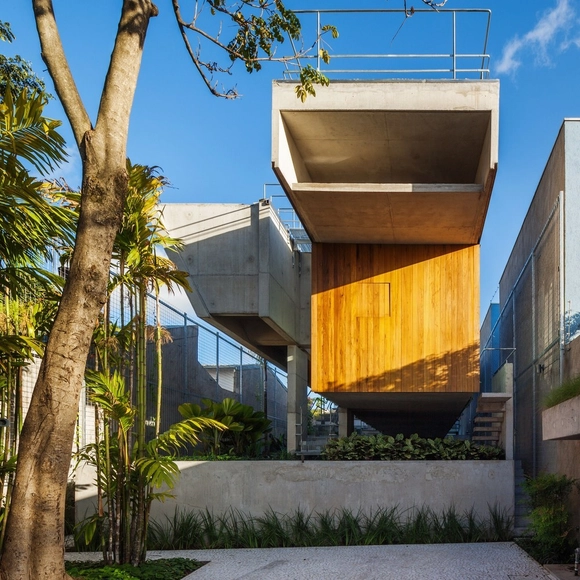
The São Paulo-based firm SPBR Arquitetos, led by Angelo Bucci, has launched a new version of its website, making vector CAD drawing files of its projects available. In addition to the drawings, photographs of the works, model images, texts, and other information about each building are also available for download.
ConArq is the first National Congress of Architecture organized by students in Argentina. It stems from the desire to discuss, listen to, and propose architecture across the country's different schools, aiming to strengthen student education and make significant contributions to the practice of the discipline, ultimately creating a space for debate.
During social lockdown, the CNM (National Commission of Monuments, Places, and Historical Assets of the Ministry of Culture), is offering a free online course to discover the great treasures of Argentine architectural heritage, spanning different eras, styles, and regions. Led by renowned experts in each field, the classes will cover a broad overview ranging from the Cueva de las Manos in Santa Cruz Province to modern buildings throughout the country.
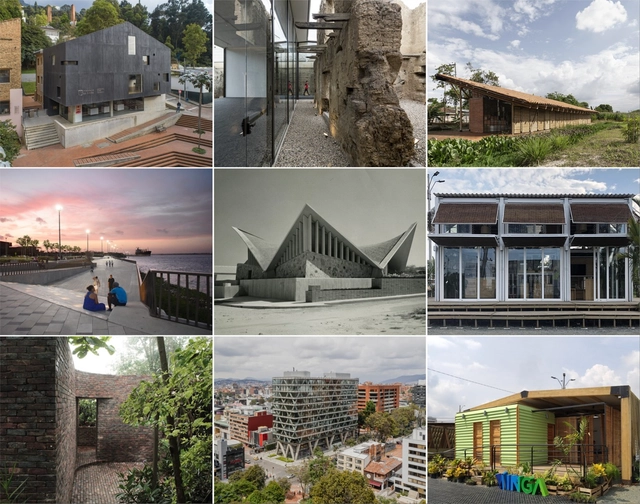
The Colombian Society of Architects (SCA) has announced the finalists for the 27th Colombian Biennial of Architecture and Urbanism (BICAU XVII) across all categories. The selected projects, which you can explore below, will receive either an Honorable Mention or be named winners of their respective categories; the winner of the National Architecture and Urbanism Prize will also be chosen from among them.
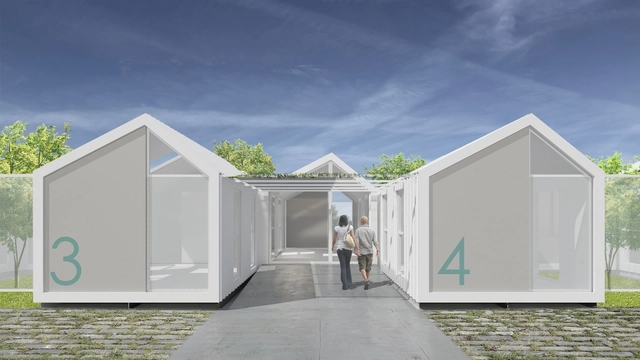
Following recent global events surrounding the crisis caused by the COVID-19 virus and its impact, we have witnessed the creation of numerous sanitary camps, field hospitals, and retrofitted halls, indoor arenas, and exhibition centers. These facilities aim to care for the hundreds of patients expected as infections continue to grow exponentially.
Posibles proyecciones. Image Cortesía de Estudio TAC
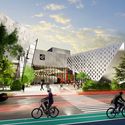
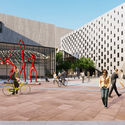
The winners of the Berlin Architecture Museum International Ideas Competition have been announced. The open call invited students and young architects from around the world to design an Architecture Museum for the city of Berlin—a building whose primary mission is to disseminate architectural culture and to transmit and generate knowledge about the discipline, while honoring the immense value of Berlin's architectural and urban heritage.
Videos
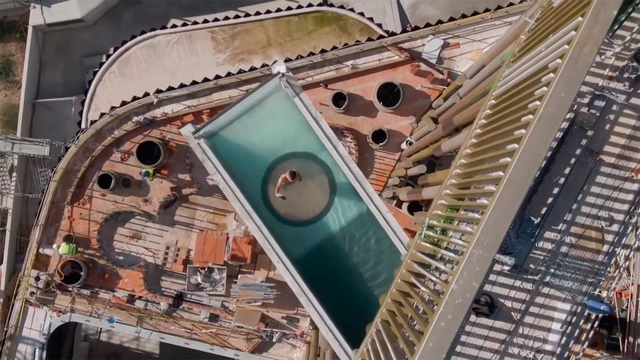
Video capture Odiseo: totem and urban oasis courtesy of Clavel Arquitectos
Clavel Arquitectos is behind the design and construction of Odiseo, a building designed to function as an urban oasis and leisure center in Murcia, Spain. The most striking feature from the exterior is what will be Europe's largest cantilevered pool—and the second largest in the world.
Concéntrico 06 is the Logroño Architecture and Design Festival, open to all citizens and visitors, which invites them to discover and rediscover key spaces in the city's historic center.
The winners of the National Ideas Competition for the renovation of the Downtown Campus of the School of Architecture, Urbanism and Design of the National University of Córdoba have been announced. Organized by the Provincial College of Architects, the call invited architects from across the country to develop proposals for the programmatic and spatial reconfiguration of the FAUD UNC Downtown Campus in Argentina, repurposing the building for activities related to culture, research, outreach, and postgraduate studies.
The levels of air pollution reached by major urban centers around the world in recent years reveal the troubled relationship we have maintained—and continue to maintain—with our environment. The gravity of the issue lies in the fact that this not only affects the overall balance of the planet, but according to the World Health Organization, the current state of the atmosphere also causes, through the simple act of breathing, the death of around seven million people each year. Shortly after governments in various countries announced measures to prevent the spread of the coronavirus—lockdowns and isolation—numerous studies began to show an unexpected and promising trend: air pollution levels in many cities began to drop significantly within days of the measures being announced due to reduced traffic and a decline in industrial emissions.
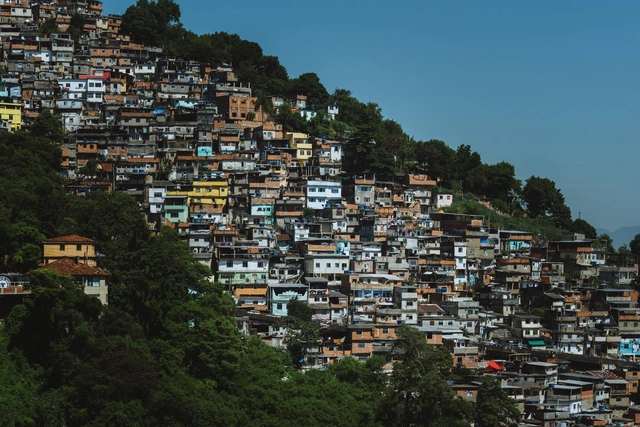
The Mapa Corona nas Periferias, a digital initiative by the Marielle Franco Institute and the Favela em Pauta channel, is now live. The digital map highlights solidarity initiatives combating COVID-19 in socially vulnerable areas such as favelas, communities, quilombos, or rural hinterlands.
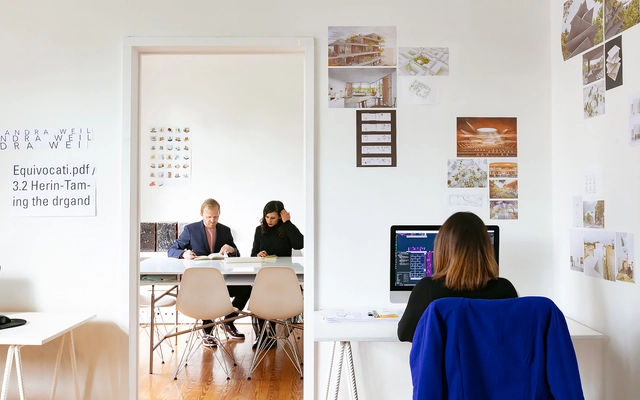
The National Social Distancing Campaign (Jornada de Sana Distancia) in Mexico began on March 23, 2020. However, a couple of weeks earlier, despite the federal government's recommendation to continue normal activities, people on social media were already choosing to replicate the European model of self-isolation. Some architecture firms immediately decided to close their physical spaces and transition to remote work, while others took a few more weeks. Still, this period of social and physical (spatial) distancing is experienced differently in every household. The months of this pandemic have exposed not only inequality regarding basic needs in dense urban areas, but also the fragility of our social order. Whether at a macro or micro scale, all these experiences are shaped and influenced by the built environment, making architecture both a judge and a party to the equation.
.jpg?1579619906&format=webp&width=640&height=580)
.jpg?1595432199&format=webp&width=640&height=580)
.jpg?1595432199)








.jpg?1589245986 "Kaspé House / Zeller & Moye. Image © Dane Alonso")