Imagine that Eurasia has been brought to absolute destruction - by wars over religion, ethnicity or countries, or maybe even nuclear destruction. Cities, towns and villages across the super-continent are left in rubble or abandoned; all forms of organization are a fairy tale from a bygone era. Thousands of years of culture and civilization, gone.
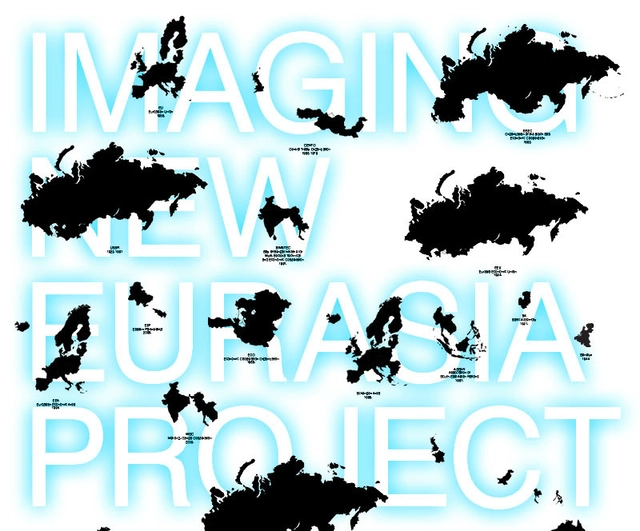
What if a new Eurasia could arise from the remnants of this destruction? What artifacts and memories would remain, to seed the creation of a new Eurasia? Imagining New Eurasia, commissioned by Asia Culture Center in Gwangju, South Korea, invites anyone living in, or from Eurasia to submit their ideas, in the form of drawings, sketches, text, artwork, found objects, photographs, maps, memorabilia or any other kind of artifact, on how the future of a New Eurasia may pan out.
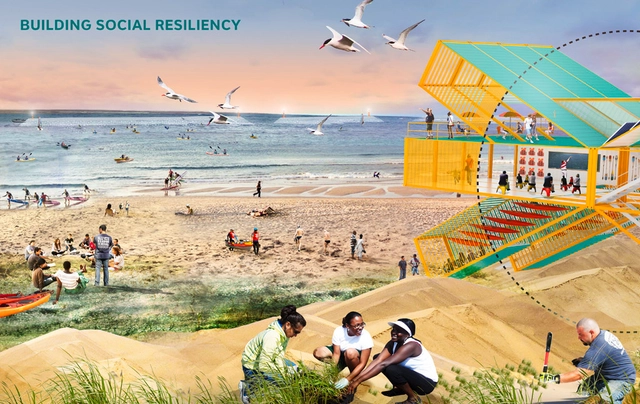
Located in the underdeveloped Pingdi Subdistrict of Shenzhen, the project site is a part of the Shenzhen International Low Carbon City, a roughly 53 square kilometer area less than two hours away from Hong Kong with the goal of utilizing low-carbon and carbon-zero technologies in order to significantly boost sustainable development.
IBR is calling for submissions from individuals, teams, and even research institutes, design institutions, and any others, to participate in one, two, or all three of the competition’s categories.
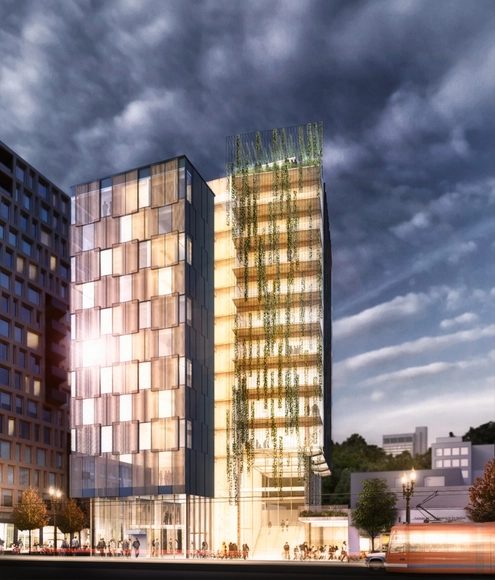
Framework; Portland, Oregon / Framework, LLC. Image Courtesy of LEVER Architecture
US Secretary of Agriculture Tom Vilsack, in partnership with the Softwood Lumber Board and the Binational Softwood Lumber Council, has announced the winners of the US Tall Wood Building Prize Competition. The two winning projects—Framework, by Framework, LLC, and 475 West 18th, by 130-134 Holdings LLC—will each receive $1.5 million in funding for their development in Portland and New York, respectively.
Each of the projects took a unique perspective on wood building systems, fulfilling the competition’s call “to showcase the safe application, practicality, and sustainability of a minimum 80-foot structure that uses mass timber, composite wood technologies, and innovative building techniques.”
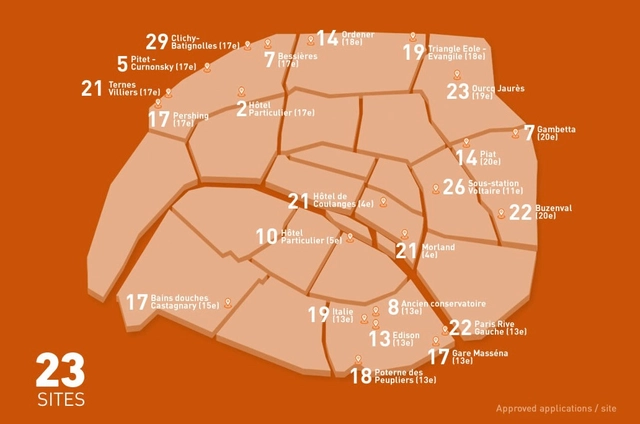
Dominique Perrault, David Chipperfield, OMA, Shigeru Ban, Sou Fujimoto, and Jacques Ferrier are among 75 teams that have been selected to move onto Phase 3 of the highly anticipated "Reinventing Paris" competition. The first of its kind, the competition is calling on architects and designers to envision innovative projects to solve some of Paris' most pressing problems over 23 sites, from abandoned electricity substations to open spaces in the heart of urban areas.
Pershing Square Renew, a public/private partnership formed by Los Angeles City Council member José Huizar, has launched an international design competition to re-imagine the five-acre urbanpark at the heart of downtown Los Angeles.
Utah-based community project Summit has announced Mountain Architecture Prototype (MAP), an SPM Design Competition, "to select the design of a cabin prototype in an effort to push forward the conversation around what it means to build responsibly at 8,400 feet in the Wasatch [Mountain] Range.”
The competition seeks submissions for a structure of up to 2,500 square feet, which will be located on a 12 degree sloped site at SummitPowder Mountain. Sustainable designs are highly encouraged, particularly with the use of natural materials.
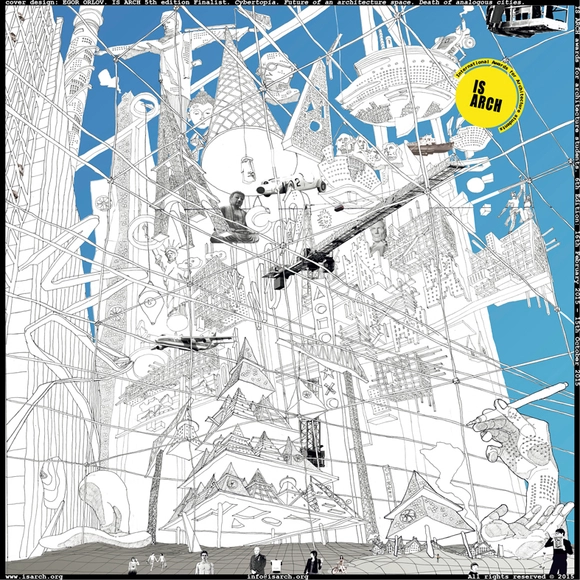
Open to any student of architecture or architect who has graduated within three years prior to their submission, the ISARCH Awards are international awards providing a platform for debate surrounding student solutions to architecture’s problems. The competition highlights avant-garde trends and recognizes new research emerging from university studies. By extending the traditional relationship of student to university, young people are encouraged to join the debate on architecture, contributing fresh new visions and opinions.
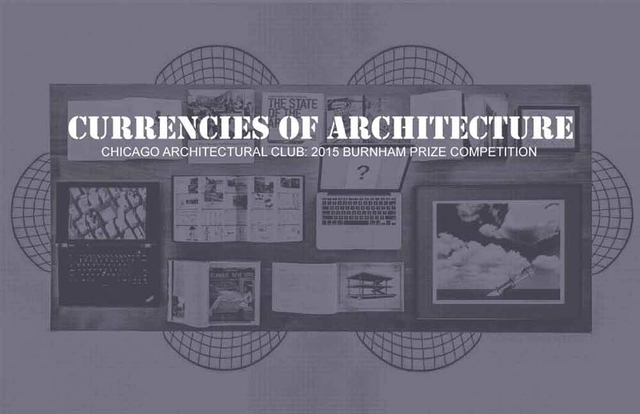
UPDATE: The deadline for submissions for the Burnham Prize has been extended to September 7th, 2015 with the announcement of the winning entries to occur on September 30th, 2015. In addition, student entry fees have been reduced to $25.00.
Affiliated with this year’s ChicagoArchitecture Biennial, the Chicago Architectural Club has announced the 2015 Burnham Prize Competition: Currencies of Architecture. This year’s Burnham Prize was inspired by the Chicago Architecture Biennial’s title, “The State of the Art of Architecture,” and explores the question: what is the state of the art of architecture today? Entrants are challenged to create a single image that exemplifies a point of view on the current state of architecture – whether it is a celebration, a challenge, a statement or anything else.
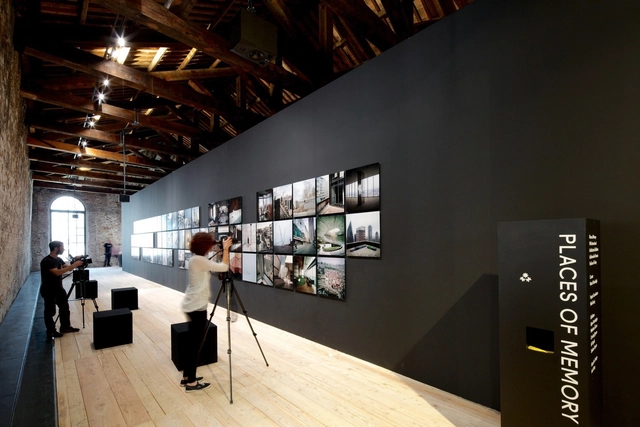
The Istanbul Foundation for Culture and Arts (IKSV) is hosting an open call for proposals for the Pavilion of Turkey's exhibition at the 2016 Venice Biennale. The call is open to all people and institutions of relevant fields, including architects, designers, artists, historians, curators, theoreticians and critics.
The Buckminster Fuller Institute has announced 15 semi-finalists for its 2015 Fuller Challenge, which calls for “innovative solutions to some of humanity’s most pressing problems."
As the 8th cycle of the competition, this year’s Fuller Challenge drew the strongest application pool to date, receiving entries from 136 countries. Out of the many entries, one winner will receive a $100,000 prize to support the development and implementation of their design.
The proposals were evaluated by the Challenge Review Committee, which focused on how the works are “visionary, comprehensive, anticipatory, ecologically responsible, feasible, and verifiable.”
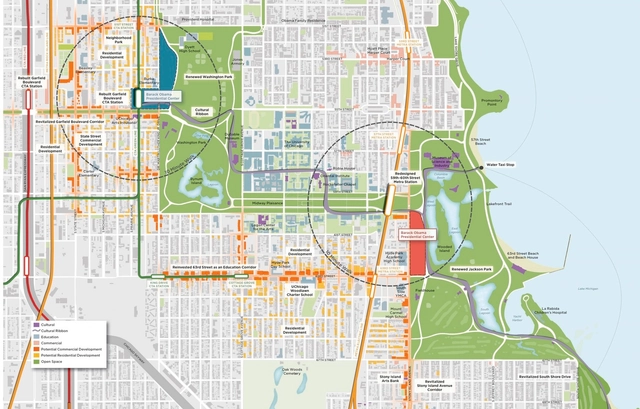
In May, the University of Chicago was selected to host the Barack Obama Presidential Library and Museum. Now referred to as the Barack Obama Presidential Center, the building's task force is expected to cast a global call in search of an architect. As the Chicago Tribune reports, officials sent a request for qualifications to a select group of architects yesterday, although others are welcome to submit. All those interested must send their credentials by September 16.
"The foundation and its advisers wanted to present the president and first lady with a strong and broad list of options," a foundation spokeswoman told the Chicago Tribune. "We are looking at architects who represent a broad range of approaches and styles, but who all have a position of eminence within the architecture profession and have achieved some degree of public recognition."
Research grants of up to $15,000 will be awarded to one or two mid-career professionals who have an academic background, professional experience and an established identity in one or more of the following fields: historic preservation, architecture, landscape architecture, urban design, environmental planning, architectural history and the decorative arts. The James Marston Fitch Charitable Foundation will consider proposals for the research and/or the execution of the preservation-related projects in any of these fields. Applications for 2016 funding are now being accepted. Applications must be submitted by October 15, 2015, 11PM EST. More information here.
You have until September 1 to apply for the American Institute of Architect's (AIA)Upjohn Research Initiative. The Upjohn program funds up to six research grants of $15,000-$30,000 per recipient annually for projects completed in a six to 18 month period. Proposals should address the value of design, practice issues, or novel materials and methods of construction. The research should relate to architectural knowledge that can readily be applied/transferred within the discipline. Read on for 2015's preferred themes.
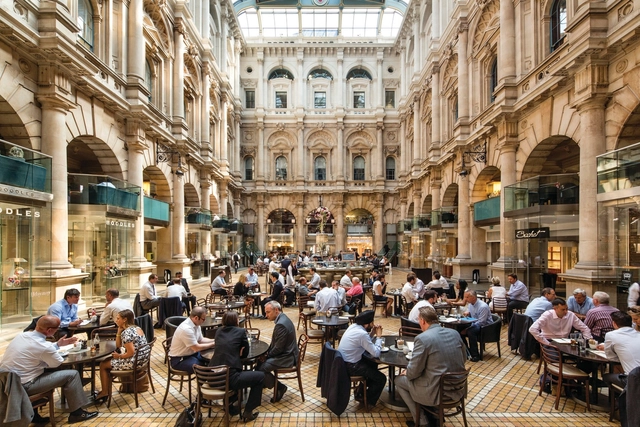
London-based architects Aukett Swanke, in partnership with the Royal Exchange and Oxford Properties, has announced its new competition for recent graduates to design six new market barrows located at The Royal Exchange in London. The deadline is September 11, so act fast!
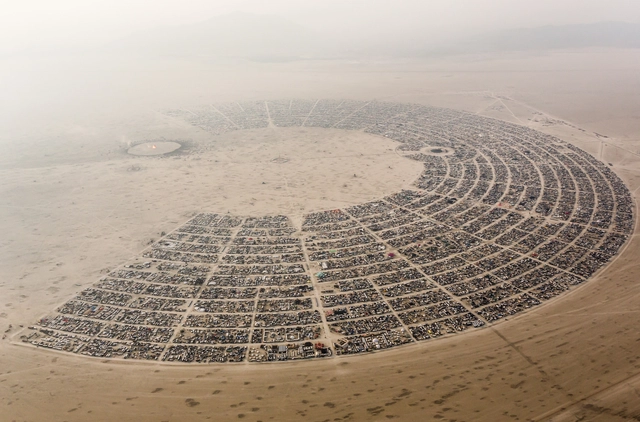
Correction Update:This article was first published on Sunday 16th August, and originally stated that "the Burning Man management team will ultimately select a winner" and that "the final design plan will be implemented for the 2017 event." However, since then it has been brought to our attention that this is not an official competition, and the Burning Man organization is not planning to update their current design.
ArchDaily would like to apologize for this grave error, which arose because we did not realize that the Black Rock City Ministry of Urban Planning (BRCMUP) had no official ties to the organizers behind Burning Man, and is therefore not a part of Burning Man's management team. For their part, Burning Man have stated "we love the ingenuity of Burners and are curious to see what they come up with through this competition. We will certainly take a look at all the top designs in this competition, not just the winner, out of curiosity and admiration... But there are no plans to redesign Black Rock City."
The article has been updated to correct our errors. If you wish to find out more, you can do so at the competition website or Burning Man's blog post about the competition.
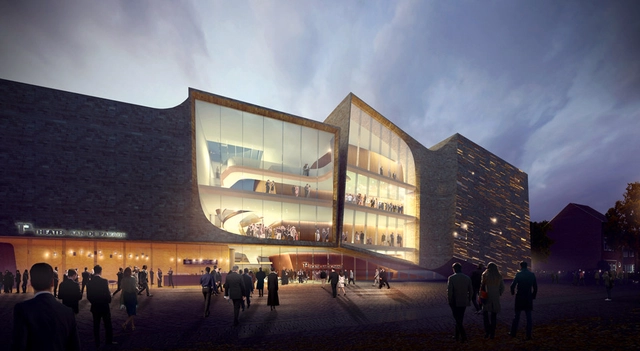
Recently, staff at ArchDaily spotted an interesting trend: thanks to the opportunities afforded by the internet, the results of many architectural competitions and other proposals have been opened up to public opinion like never before. Whether via competitions that post all of their entries online for public viewing such as the Guggenheim Helsinki or Battersea Bridge competitions, designer Karim Rashid's informal poll of his Facebook followers to pick their favorite facade for his design, or a competition that is actually decided by public vote such as Den Bosch's city center theater, it has never been easier for members of the public to make their opinions known about the future of their cities. Even this morning, the US World War I Centennial Commission published the finalists in the competition for the redesign of the National World War I Memorial, actively soliciting public feedback on the proposals.
With that in mind, we asked our readers to share their thoughts on this empowerment of the public. Does allowing ordinary people to vote on such matters represent a radical new architectural democracy, or does it undermine the expertise of the architect? The responses we got were interesting and very varied - find out what people had to say after the break.
One of the five finalists: "An American Family Portrait" by STL Architects, Chicago. Image Courtesy of The US World War I Centennial Commission
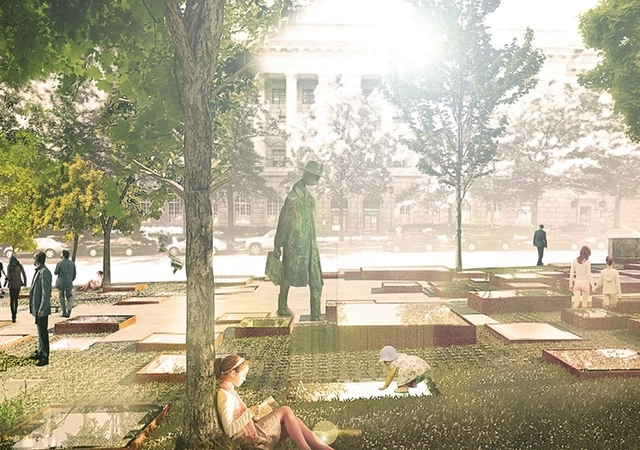
In May, the US World War I Centennial Commission launched its design competition for the redesign of the National World War I Memorial, located in Washing DC. Though some concerns about the fate of Pershing Park, which currently occupies the site, have been voiced, the competition will continue nonetheless, aiming to fulfill the Commission's stated aim "to transform Pershing Park from a park that happens to contain a memorial to a site that is primarily a national World War I memorial, within a revitalized urban park setting with a distinct sense of place."
After cycling through a first stage of entries, the competition has reached its second stage, which entails a public viewing and commentary of the top five designs, before a winner is selected in January 2016.
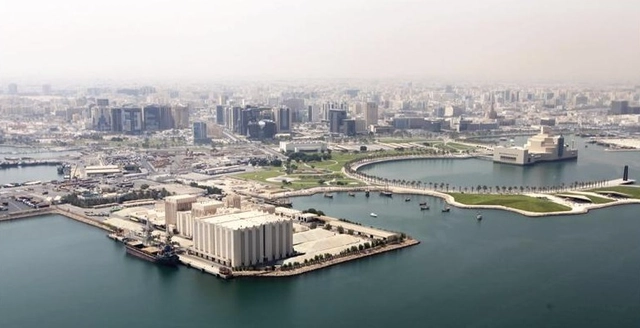
Renzo Piano, David Chipperfield, Sou Fujimoto, Miralles Tagliabue EMBT and ELEMENTAL are among 26 celebrated architects that have been longlisted in an international competition that seeks to transform the Qatar Flour Mills in Doha's Arabian Gulf into a massive "Art Mill." Moving on to the competition's second stage, the remaining architects will now develop site strategies that focus on the mill's connection to the city. The complete longlist includes:
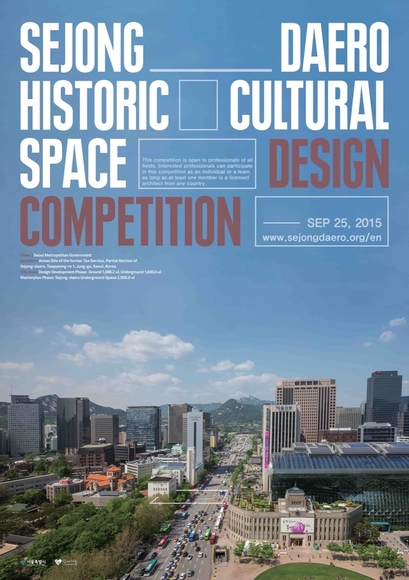
The Seoul Metropolitan Government has announced its Sejong-daero Historic Cultural Space Design Competition, which seeks creative designs for the site of the former National Tax Service Building, as well as a greater conceptual blueprint for the central Seoul area.
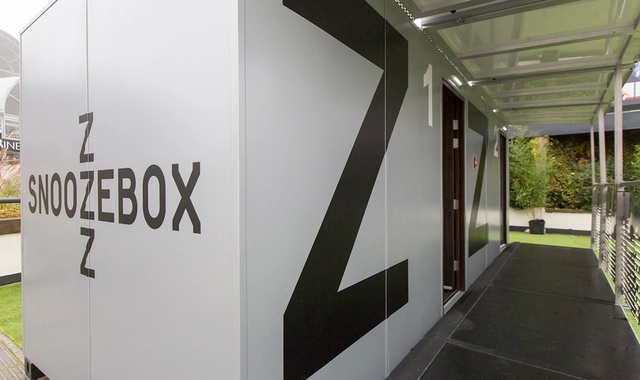
Sleep, an international hotel design event, is working with Snoozebox to host a competition to design a new portable hotel room. Snoozebox has produced unique, and award-winning portable hotels for major events and festivals worldwide. This competition is an opportunity for designers to lend their ideas, and make a mark in the international hotel design industry. The winning team will work with Snoozebox and contractors to fully realize their idea in time for an exhibition at Sleep in November.
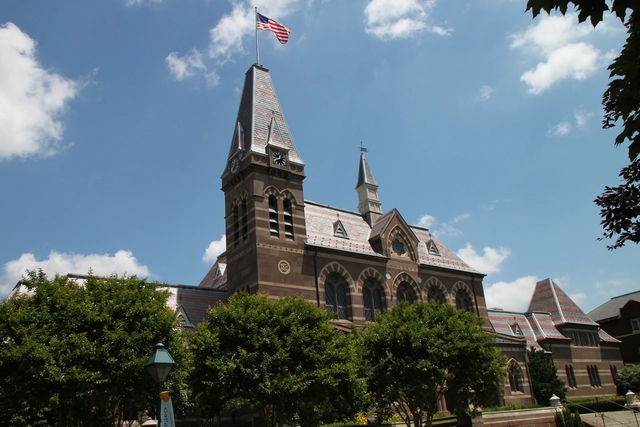
Gallaudet University, the world’s only university for deaf and hard of hearing students, has launched an international competition to re-design its historic Washington DC campus. Participants will be challenged to "create a new campus gateway and redefine the University’s urban edge as a vibrant, mixed-use, creative and cultural district." Design proposals are not required during the competition's first stage; teams will be shortlisted based on their "understanding of the institution and project, team composition and past experience."
For this week's edition of The Urbanist, Monocle's weekly "guide to making better cities," the team discuss urbanism projects that were planned and never realised, what 'paper architecture' really is, and the importance of the architectural competition.
In The Urbanist, Andrew Tuck explores how a terrace of old town houses in central London (152-158 The Strand, near Somerset House) have been recently saved from demolition by the efforts of campaigning journalists and a sympathetic public. In Brazil, the yet to be seen high-speed train link between Rio di Janeiro and São Paulo meets scrutiny while in Toronto, five unsuccessful architectural bids are examined. Finally, ArchDaily Editor James Taylor-Foster visits their London studio to talk about the architectural competition, from Brunelleschi to Guggenheim and Den Bosch.
https://www.archdaily.com/771480/monocle-24-explore-architectural-competitions-and-failed-bidsAD Editorial Team
For decades, one of the most pressing questions surrounding architecture and urban planning has been "who gets to decide what is built?" Various systems have been tried, but one of the most popular strategies to emerge in recent years has been "The Public Vote." Thanks to the new possibilities afforded by the internet, it's becoming increasingly common to display all the entries to competitions to the public, as in the Guggenheim Helsinki competition, and even to have the public vote for their favorite, as in the recent competition to design Den Bosch's city centre theatre, or even Karim Rashid's informal poll of his Facebook followers to choose a facade for one of his designs. In some ways these approaches seem like the perfect response to years of complaints that decisions are made behind closed doors, away from the people who they affect.
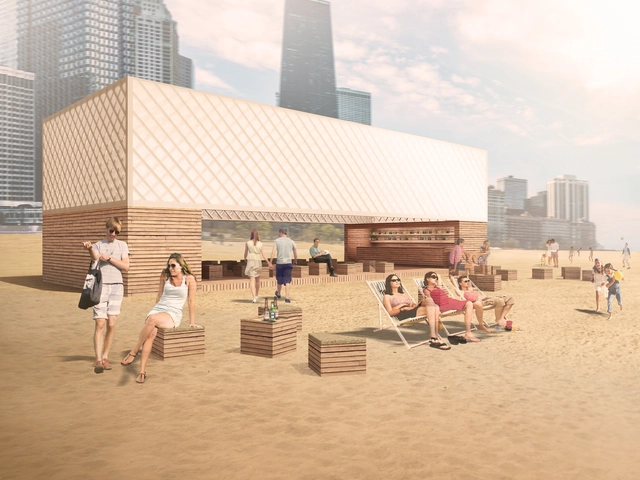
Finalist: Lakefront Kiosk / TRU Architekten. Image Courtesy of The Chicago Architecture Biennial
The Chicago Architecture Biennial, in partnership with the Chicago Park District and BP, has announced the winner of its Lakefront Kiosk Competition, which sought out designs for an innovative lakefront kiosk to be inaugurated on October 3 for the opening of the Biennial.
In addition to the winner of the competition, the Biennial is also partnering with local schools—the Illinois Institute of Technology, the School of the Art Institute of Chicago, and the University of Illinois at Chicago—in order to build three more kiosks to be featured at the Biennial. View the grand prize design, as well as three competition finalists, honorable mentions, and the three architecture school designs after the break.