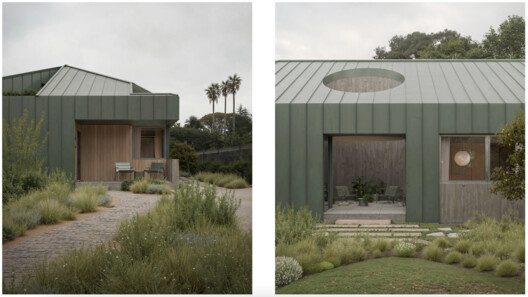
The SCI-Arc Resilient Futures Task Force was created to rethink standard rebuilding methods after the January 2025 fires in Los Angeles exposed deep weaknesses in Southern California's default residential standards. Bringing together teachers, researchers, and students, the initiative gives displaced homeowners direct, practical help with building safety, soil toxicity, emergency funding, and insurance claims through public community meetings.
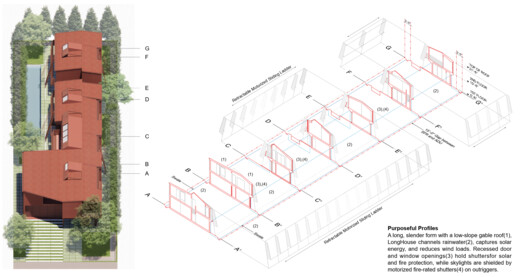
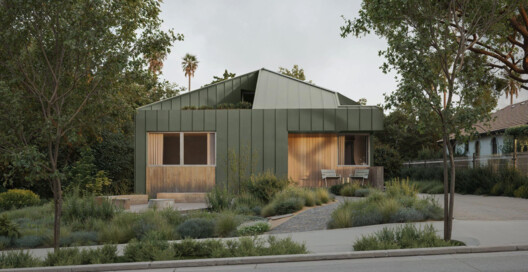
Nearly two years later, residents are still rebuilding their lives as wildfires become more frequent and severe. Instead of repeating past mistakes caused by outdated safety codes, standard construction habits, and insurance gaps, this crisis presents a critical moment to create safer, long-term architectural designs in fire-prone areas.
SCI-Arc Harnesses Global Expertise for Resilient Building
Grounded in the institution's tradition of critical design research, the Resilient Futures Task Force connects academic expertise directly with real-world disaster recovery. The coalition brings together an international network of architects, structural engineers, scientists, material specialists, non-profit developers, and financial strategists. Key collaborators and participating institutions include Code Red Consultants, Angel City Lumber, SGH, JPMorgan Chase, Century Housing, Clearinghouse CDFI, Builders FirstSource, Plant Prefab, Sexsmith Architects, Timberlab, ReSAWN, Urban Machine, and TU Delft.
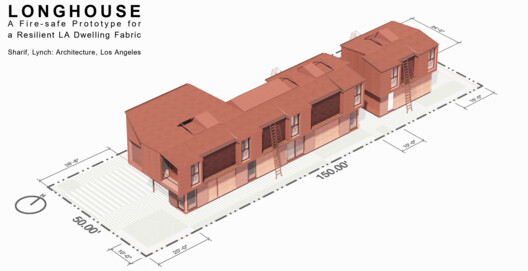

Extending its focus from temporary aid to permanent resilience, the Task Force organized public panels on alternative building materials, mass timber construction, rebuilding economics, and fire-adapted landscaping to help communities make informed, long-term architectural decisions.
Drafting New Material and Spatial Paradigms
The initiative's first year concluded with Architecture After the Fires, a landmark public exhibition showcasing nearly 70 speculative and actionable home design proposals tailored for fire zones. As the largest collection of Wildland-Urban Interface (WUI) architectural proposals to date, the showcase featured ongoing work from prominent practices including Lorcan O'Herlihy, SPF, Studio Murnane, Morphosis, Heather Flood and Story Dimson Studio, Knowhow Shop, and Scott Uriu.
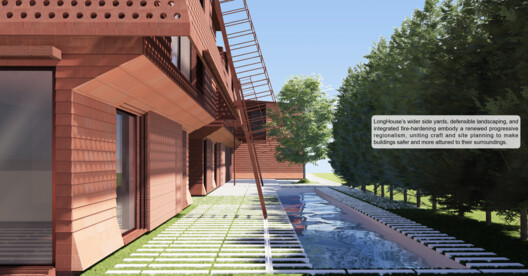
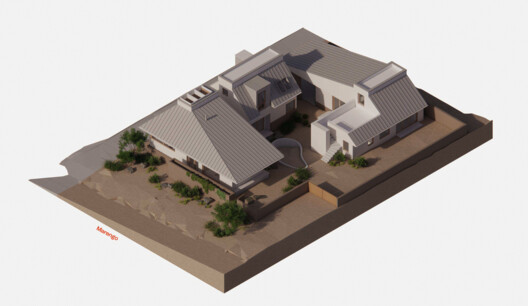
The Task Force is publishing a comprehensive book documenting these projects, creating a permanent reference guide for building in high-risk environments. Next, SCI-Arc plans to expand its research through institutional partnerships that combine artificial intelligence, environmental risk modeling, and advanced simulation to shape resilient building standards across the region.
Project info:
school: SCI-Arc | @sciarc
location: Los Angeles, California
Resilient Futures Task Force: sciarc.edu/institution/resources/resilient-futures