Subscriber Access

Post-Disaster Reconstruction: How to Integrate Memory and Identity into a Completely Rebuilt Territory

Natural disasters, whether or not compounded by human activity, are becoming increasingly frequent in today's world.

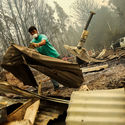
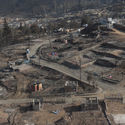
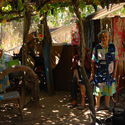
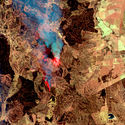
Chile has a long history of natural disasters, many of which have occurred in recent years, underscoring the dramatic and disheartening toll on its population. It is as if the country lives in a permanent state of reconstruction.
Post-Disaster Reconstruction: How to Integrate Memory and Identity into a Completely Rebuilt Territory - Image 2 of 5Post-Disaster Reconstruction: How to Integrate Memory and Identity into a Completely Rebuilt Territory - Image 3 of 5Post-Disaster Reconstruction: How to Integrate Memory and Identity into a Completely Rebuilt Territory - Image 4 of 5Post-Disaster Reconstruction: How to Integrate Memory and Identity into a Completely Rebuilt Territory - Image 5 of 5Post-Disaster Reconstruction: How to Integrate Memory and Identity into a Completely Rebuilt Territory - More Images

Content Loader

Image gallery

See allShow less
About this author
Cite: Gonçalves, Raquel. "Post-Disaster Reconstruction: How to Integrate Memory and Identity into a Completely Rebuilt Territory" [Reconstrução pós-desastre: como integrar memória e identidade em um território reconstruído por completo ] 22 Mar 2021. ArchDaily. (Trans. Romullo Baratto) Accessed . <https://www.archdaily.com/1127958/post-disaster-reconstruction-how-to-integrate-memory-and-identity-into-a-completely-rebuilt-territory> ISSN 0719-8884
Submerged house in Dichato, Chile, after the 2010 earthquake and tsunami. Photo by El Increíble Dr. Peligro, via Visualhunt

灾后重建:如何在彻底重建的区域中融合记忆与认同

是否

You've started following your first account!

Did you know?

You'll now receive updates based on what you follow! Personalize your stream and start following your favorite authors, offices and users.