From September 24 to 26, 2021, the seventh edition of Open House Madrid will take place. This international architecture festival offers free access to Madrid's architecture, featuring tours of more than 100 landmark buildings and spaces across the capital that are typically closed to the public. Under the theme "I don't even know where I live," the event aims to promote architectural culture, rediscover the city through its built environment, and provide an experience that helps people connect with and appreciate their surroundings.
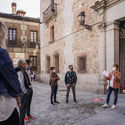
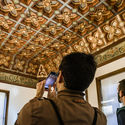




Open House Madrid is a non-profit initiative designed to promote and showcase architectural heritage. The festival is open to anyone interested in discovering Madrid's architecture. All activities are free, with the exception of a few that, for safety reasons, require prior registration through the official Open House Madrid website. This year's theme invites reflection on how little we know about our surroundings; as a result, the festival produced "I don't even know where I live," a three-minute social experiment exploring this theme through a series of interviews.
- Related Article:
Open House Madrid Premieres Micro-Series on Inaccessible and Iconic Buildings in Madrid


The program includes guided tours of 78 buildings and 28 architecture studios. Half of these do not require prior registration, and as an added bonus, 30% will be led by the project's architects. To experience the city's architecture outdoors, 12 outdoor routes have been designed. With a total of 118 visits, the festival also features activities such as exhibitions, the City Awards, and an annual congress bringing together leading professionals to open a dialogue on the future of cities.
“Our goal is to allow citizens to experience architecture and the city in a unique way” - Paloma Gómez Marín, Founder and Director of Open House Madrid

The main theme of the Congress, titled Re-thinking the future, is “rethinking the city.” The event will evaluate the capacity of cities to sustain their transformation by addressing issues such as public health, sustainability, climate change, energy generation, and the creation of vibrant downtown districts and mixed-use spaces. The goal is to foster the exchange of knowledge and experiences in urban environments through a cross-cutting, multidisciplinary approach.

Additionally, the City Awards recognize projects that are currently transforming cities—or will do so in the near future—and shaping their direction both professionally and socially. Viewing design and innovation as essential elements for urban quality of life, the awards feature three categories: urban design (for placemaking, space creation, and innovative projects addressing current and future demands for better urban living conditions, energy needs, and best practices), mobility proposal (initiatives directly linked to lifestyles, extending beyond technical aspects and efficient transport planning), and innovative solution (where the implementation of innovation and technology serves as the driver for smart urban change).
“Well-designed buildings and public spaces are vital to creating and maintaining a vibrant and equitable city” - Victoria Thornton, founder of Open House
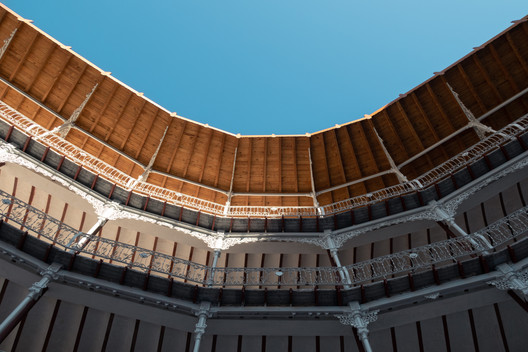
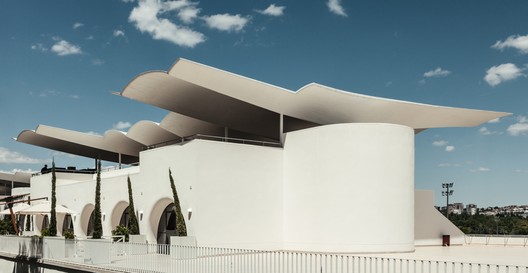
The experience features several new buildings belonging to the city's historical heritage, such as the Frontón Beti-Jai, the Liria Palace, and the Ateneo de Madrid, as well as the typically inaccessible Maudes Palace and Santa Cruz Palace. Notably, all of these possess significant architectural value and are protected under the Assets of Cultural Interest (BIC) category. Other featured spaces include the Los Cubos Building, the Ortega y Gasset – Marañón Foundation, and the WPP Campus - La Matriz, all of which have been recently renovated to improve energy efficiency and create flexible spaces for new uses without losing their original architectural essence.
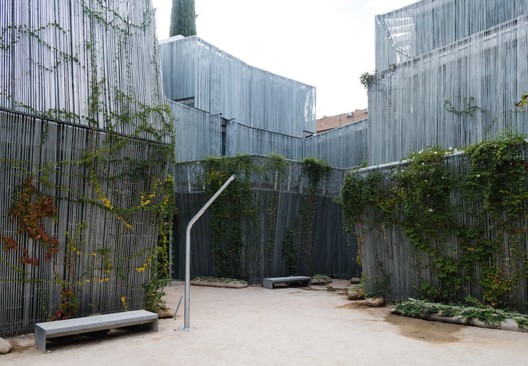
Tours range from recently completed homes shown by their architects to iconic buildings such as the IE Tower - Torre Caleido, Ciudad BBVA, Ecobox - Fundación Metropoli, the Hexagons Pavilion, and the Hotel Puerta de América, along with lesser-known spaces like the Francisco Giner de los Ríos Foundation and LAUFEN Space Madrid, which features the exhibition “Fragments of Madrid.”


Featured routes include OPENFAMILY - Sentir la Arquitectura, a sensory experience designed for younger generations; Madrid Modernism; Salón del Prado, exploring the UNESCO World Heritage Site; and the Plaza España Remodeling with Porras Guadiana Arquitectos, a tour led by the architects of the final construction stages of one of the capital's most significant urban interventions.
Helping bring architectural culture closer to Madrid's residents, more than 400 volunteers—including students, professionals, and architecture and design enthusiasts—are participating. This year, the festival will collaborate with the Madrid Young Tourist Guides Association, who will work alongside volunteers to lead guided tours with a consistent focus on architecture and urban planning.


As in previous years, the festival highlights an architect of major significance. In 2021, the event **pays tribute to architect Luis Gutiérrez Soto** (June 6, 1900 - February 4, 1977, Madrid), a key figure of modern architecture in Spain who helped shape the visual identity of Madrid.
- Related Article:
Open House Madrid 2021 Pays Tribute to Luis Gutiérrez Soto, a Benchmark of Modern Architecture in Spain
Complete details on the buildings featured in this seventh edition and instructions on how to attend the event can be found on the festival's website or social media channels.
This article was written by Agustina Iñiguez. The translation is powered by AI.


