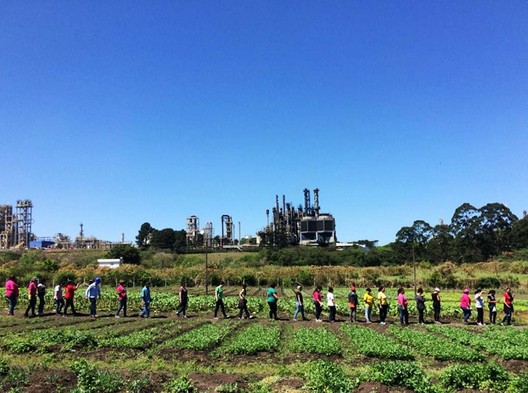
This article explores a term widely used to describe self-organized collective labor, but which also carries a meaning of anti-hegemonic struggle when used as a synonym for self-managed projects. The practice of mutirões prompts a reflection on the importance of collective work and grassroots struggle, and how architectural practice and civil construction relate to these themes.



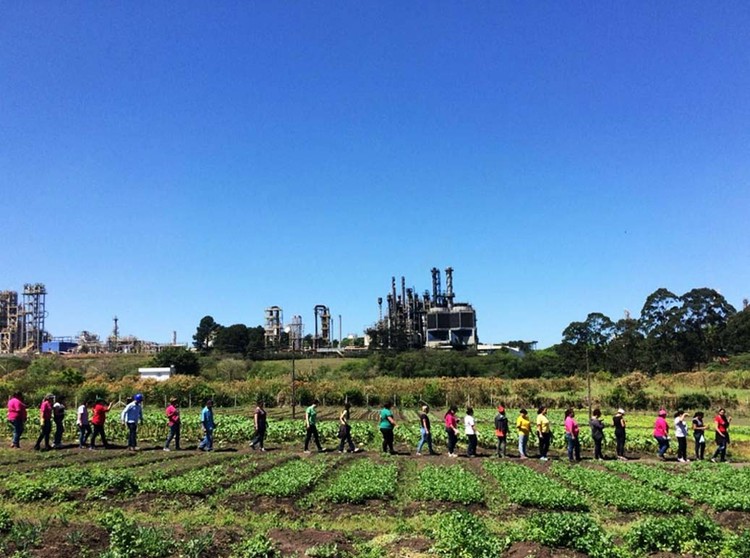
The word mutirão comes from the Tupi-Guarani mutyrõ, meaning common, joint, or collective work. This concept can only be fully understood by considering Brazilian colonization, the years of formalized enslavement of Indigenous and Black bodies, and how this marginalization and structural racism materialize in Brazilian territory—specifically, though not exclusively, in major metropolitan centers and their peripheries.


