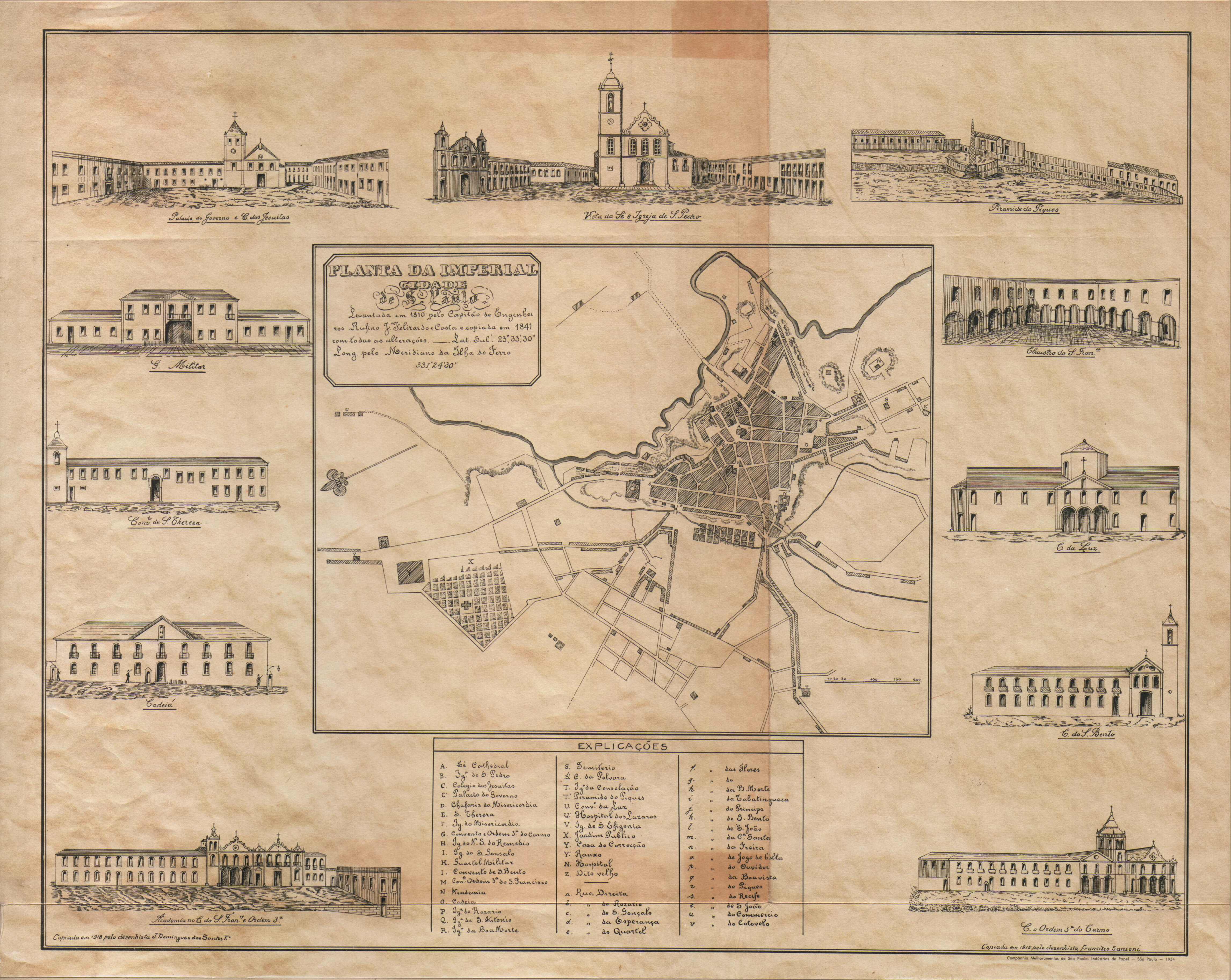
Everything built through human physical and intellectual labor carries meaning. It is within physical matter that we find the remains of ancient civilizations, and through these records, we understand their characteristics, the technologies involved, and their social organization. Cities and major urban centers hold layers upon layers of events recorded in their streets, buildings, plazas, and parks. Often, depending on the development of the place, this evidence is gradually erased, disregarded, and altered.



History is the perpetually problematic and incomplete reconstruction of what no longer exists. Memory is an ever-actual phenomenon, a lived bond in the eternal present; history, a representation of the past. [...]. Memory takes root in the concrete, in space, in gesture, in image, in object. History binds itself only to temporal continuities, to evolutions, and to the relations between things. Memory is absolute and history knows only the relative. – NORA, 1984. cited in BALDISSERA, BRINO, KNIES, 2014