In modern architecture, designing involves analyzing, predicting, and determining spaces and functions with precision, leaving no room for error. Throughout the second half of the 20th century, this rationalizing character, driven by maximum efficiency, was harshly criticized, and "erring"—in the sense of wandering, roaming without aim or destination—became recognized as an inevitable part of the human experience.
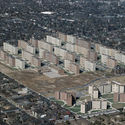

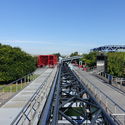
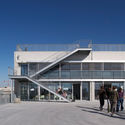

The following cases exemplify different ways of designing for error: two modern projects that denied or ignored it, and two contemporary ones that embrace deviation, yielding interesting, versatile, and lasting solutions.