
How can architecture and urbanism contribute once again to the debate and production of Social Interest Housing (HIS)? This was one of the central questions guiding the creation of the Social Interest Housing Guidelines Manual for Jardim Lapena, developed by the Tide Setubal Foundation and BlendLab for the East Zone of São Paulo. This manual gathered a set of guidelines on housing, management models, implementation, and integration with the urban environment, directing the proposals for the +Lapena Habitar Call for Projects held in late 2022.
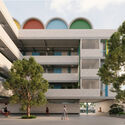
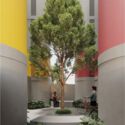

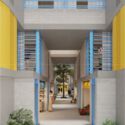

The Call brought together 5 architecture teams to address the themes identified by the Guidelines Manual within the +Lapena Habitar Program. These themes focused on the challenges of peripheral housing, such as ways of living, family structures, diverse urban implementation contexts, construction methods, pre- and post-occupancy processes, and live-work configurations. In addition to these points, the Program is built on three core strategies: producing HIS using private capital, under a rental model, and through civil society management. While Brazil boasts a vast and rich history of social housing, this heritage lacks a repertoire capable of responding to these new challenges. Ultimately, the +Lapena Habitar Program seeks to identify, understand, and respond to the emerging challenges of Social Interest Housing in Brazil.


