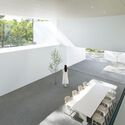
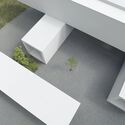
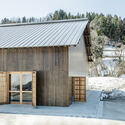
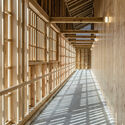
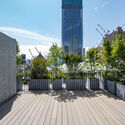
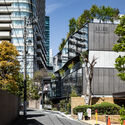
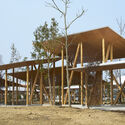
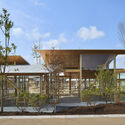
House of Kashiba / Horibe Naoko Architect Office

© Kei Sugino

Architects: Horibe Naoko Architect Office / Naoko Horibe
Location: ,
Project Area: 85.58 sqm
Project Year: 2010
Photographs: Kei Sugino

Guest House Tokyo / KINO Architects

© Hiroyuki Hirai

Architects: KINO Architects /  Masahiro Kinoshita
Location: ,
Collaborator : SAK Architects / Yu Sakuma
Structural Engineer: Yasushi Moribe
Project Area:  45.72 sqm
Photographs: Hiroyuki Hirai

Ina no ie Residence / Horibe Naoko Architect Office

© Kaori Ichikawa

Architects: Horibe Naoko Architect Office / Naoko Horibe
Location: Minoh-Shi,
Project Area: 111.85 sqm
Project Year: 2010
Photographs: Kaori Ichikawa

House in Sanno / Studio NOA

Courtesy of

Architects: STUDIO・NOA Architect & Associates
Location: , Japan
Project Year: 2008
Project Area: 38 sqm
Photographs: Courtesy of Studio NOA

52 / Suppose Design Office

© Toshiyuki Yano

Architects: Suppose Design Office
Location: ,
Project Team: Makoto Tanijiri, Masashi Shiino
Construction Company: Mitsuko Terada
Structural Engineer: Ohno JapanProject Year: 2010
Project Area: 127,333 sqm
Photographs: Toshiyuki Yano

Adzuki House / Horibe Naoko Architect Office

© Eiji Tomita

Architects: Horibe Naoko Architect Office / Naoko Horibe
Location: Himeji-Shi,
Project Year: 2010
Project Area: 73.55 sqm
Photographs: Eiji Tomita

The Evolution of the Japanese Tea House

Photo by Kenta Mabuchi - http://www.flickr.com/photos/kentamabuchi/

Tea ceremonies have evolved a great deal since they first got their start in the ninth century, and as the ceremonies have grown and shifted in purpose, so have the tea houses that hold them.

Initially tea was seen as a medicine used to cultivate the mind, body and spirit; tea was seen as good for monks because it helped them to stay awake for long periods of meditation. For this reason, the military class sponsored the construction of large zen temples for monks to drink tea in. As tea began to grow in popularity beyond the temple, tea ceremonies became a source of entertainment for members of the upper class who could afford to gamble, read poetry and attend tea parties in extravagant pavilions. More information after the break.

Black slit house / THREE.BALL.CASCADE.

Courtesy of

Architect: THREE.BALL.CASCADE.Architecture Design Office.
Location: Okayama City,
Contractor: KONO CO.,LTD.
Structure Engineer: Shuji Tada
Site Area: 250 sqm
Total Area: 200 sqm
Photographs: Courtesy of THREE.BALL.CASCADE.

Doughnut House / Naoi Architecture & Design Office

© Hiroshi Ueda

Architects: Naoi Architecture & Design Office
Location: Ibaraki Prefecture,
Project Year: 2010
Structural Engineer: Inoue Structural Engineers
Project Area: 133.27 sqm
Photographs: Hiroshi Ueda

Sakae Aromatic / aoydesign

© Yuichi Higurashi

Architects: aoydesign
Location: Saitama prefecture,
Structural Engineering Design: G.Design
Facility Engineering Design: ZO consulting engineers
Sign Design: Gaku Yamada
Constructor: Fujiki Komuten Co., Ltd
Project Area: 1,576 sqm
Project Year: 2008
Photographs: Yuichi Higurashi,

House in Hatsugano / Horibe Naoko Architect Office

© Kaori Ichikawa

Architects: Horibe Naoko Architect Office / Naoko Horibe
Location: Osaka,
Project Year: 2010
Project Area: 86.38 sqm
Photographs: Kaori Ichikawa

House in Onomichi / Studio NOA

Courtesy of Studio NOA

Architects: STUDIO・NOA Architect & Associates
Location: ,
Project Year: 2010
Project Area: 109 sqm
Photographs: Courtesy of Studio NOA

Cafe Day / Suppose Design Office

© Toshiyuki Yano

Architects: Suppose Design Office / Makoto Tanijiri, Hajime Nagano
Location: , Japan
Project Year: 2010
Project Area: 73.71 sqm
Photographs: Toshiyuki Yano

Casa ‘na’ / Studio Architect Shuji Hisada

© Nacasa & Partners Inc. - Atsushi Nakamichi

Architect: Studio Architect Shuji Hlsada – Shuji Hlsada
Location: ,
General Contractor: Kusukame Comuten Co. Ltd. – Tadahiro Takada
Area: 145.75 sqm
Project Year: 2007-2010
Photographs: Naca’sa & Partners Inc. – Atsushi Nakamichi

House in Yotsukaido / Studio NOA

Courtesy of

Architects: Studio NOA Architect & Associates
Location: Chiba,
Project Year: 2011
Project Area: 160 sqm
Photographs: Courtesy of Studio NOA

h8s House / aoydesign

©

Architects: aoydesign
Location: , Japan
Constructor: Eishin construction Co., Ltd.
Site area: 45 sqm
Project area: 52 sqm
Project Year: 2011
Photographs: aoydesign

The Leimond Nursery School / Archivision Hirotani Studio

© Kurumata Tamotsu

Architects: Archivision Hirotani Studio / Hirotani Yoshihiro and Ishida Yusaku
Location: ,
Structural Engineering: Umezawa structural engineers
Mechanical Engineering: Azu planning
General Contractor: K.K.Okuda Koumuten
Client: Social Welfare Corporation Lemonkai
Project Year: 2011
Photographs: Kurumata Tamotsu

AD Classics: Museum of Modern Art, Gunma / Arata Isozaki

© Wiiii / Wikimedia Commons

Considered one of Arata Isozaki’s greatest masterpieces, the Museum of Modern Art, stands as a testimony to Isozaki’s architectural ideology and represents a summary of his achievements. The form is a conceptual statement about the museum as void and frame. Utilizing a 12-meter cube as a metaphorical form to express a frame, Isozaki turned the museum into a stage and a container for displaying and isolating artwork. More about the Museum of Modern Art, after the break.

House in Izumiku / Studio NOA

Courtesy of

Architects: STUDIO・NOA Architect & Associates
Location: Kanagawa,
Project Year: 2008
Project Area: 58 sqm
Photographs: Courtesy of Studio NOA

The International School of Sacred Heart / Atelier SNS

Courtesy of Atelier SNS

Architects: Atelier SNS
Location: ,
Project Year: 2011
Photographs: Courtesy of Atelier SNS

Static Quarry / Ikimono Architects

© Takashi Fujino /

Constructed solely out of concrete this design by Ikimono Architects serves as a multi-family dwelling. The various openings and closing allow a range of interactions between the residents, and create shifting moments of light.

Architect: Takashi Fujino / Ikimono Architects
Location: , Japan
Planning: TTA Inc.
Structural Engineers: Structural Design firm Accurate
Landscape: Atsuo Ota / ACID NATURE 0220
General Contractors: Hashizume Industrial Inc.
Design: 2009.12 – 2010.8
Construction: 2010.9 – 2011.4
Structure: Reinforced concrete
Site area: 624.56 sqm
Building area: 329.92 sqm
Floor area: 659.84 sqm
Use: Apartment
Roof: Reinforced concrete
Exterior: Reinforced concrete
Photographs: Takashi Fujino / Ikimono Architects