How to visualize architectural concepts in SketchUp using D5 Lite for faster design exploration.
How to visualize architectural concepts in SketchUp using D5 Lite for faster design exploration.

The current phase of capitalist development manifests itself through a very diverse range of spatial byproducts: data centers, warehouses, container terminals, logistics parks, and many others. Generally considered as mediocre and banal examples that sit outside of pre-established disciplinary canons, these architectural episodes are extremely relevant. They are relevant not for their aesthetic or historic qualities but for what they represent – for the system of values these spaces embed. They express specific power relations, exacerbate issues of labor, and generate dramatic processes of subjectivity. Most importantly, these architectures, despite their formal and typological heterogeneity, belong to a common paradigm: the EXTERIORLESS.

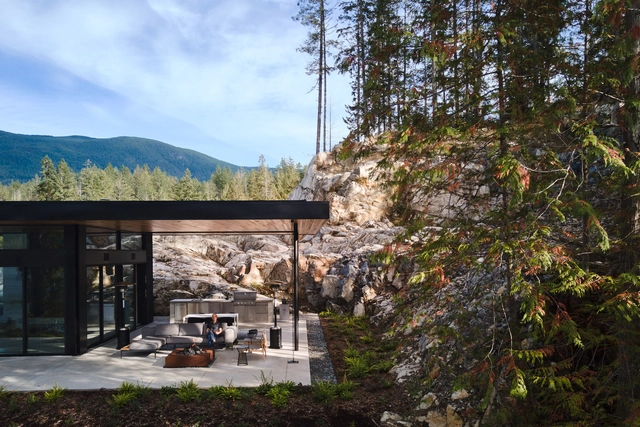
The weather across the northern hemisphere is getting warmer, and with rising temperatures comes the urgent need for many of us to spend as much time outside as possible. While a variety of outdoor activities bring with them their own sense of accomplishment and relaxation, one in particular combines feelings of leisure, indulgence and community: outdoor cooking. But how did this tradition start? And what has it evolved into?
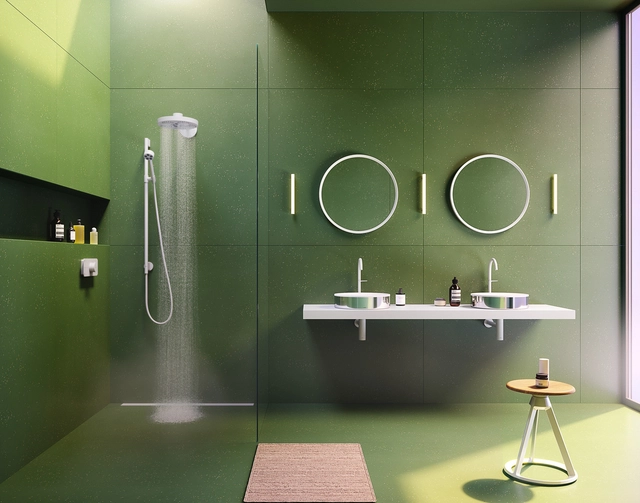
When designing bathrooms, maximizing space is key for creating functional layouts that meet user needs and enhance their well-being, while also being aesthetically pleasing. In addition providing guidance on where to best place each element, AXOR’s bathroom collection elevates these spaces through an array of features, including mixers, showers, wash basins, bath tubs and accessories. These elements seamlessly blend with carefully chosen color schemes, materials and finishes to build the space.
Being one of the most intimate spaces in our homes, the creation of personalized bathrooms has a direct impact on our daily lives. With Make it yours!, AXOR dives into customized luxury and how to apply it in bathroom design. Exploring diverse styles, powerful colors, and individualized detailing, their collections are able to reflect multiple personalities by designing unique spaces through the inspiration of unique bathroom concepts from leading designers. In collaboration with London-based Barber Osgerby, AXOR developed the ‘Skyline’ concept, a customizable project designed with individual distinction.
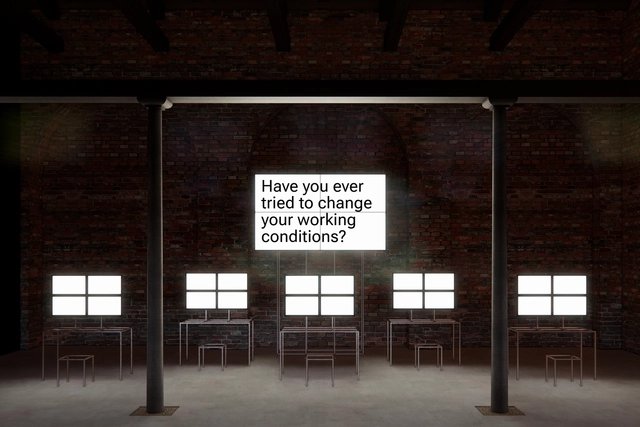
The National Pavilion of the Czech Republic presents the exhibition “The Office for a Non-Precarious Future” at the 18th International Architecture Exhibition of La Biennale di Venezia. The exhibition investigates current pressing issues faced by the architectural profession and especially by young practitioners by asking the initial question: ”How can architects design a better world if they themselves work in a toxic working system?.” The pavilion is commissioned by Helena Huber-Doudová and will present the works of exhibitors Eliška Havla Pomyjová, David Neuhäusl, and Jan Netušil. As the Czech ad Slovak Pavilion at the Giardini della Biennale is under reconstruction, the Czech Republic will exceptionally use the Arsenale in the Artiglierie section as its exhibition space. The Czech and Slovak Pavilion in Giardini will serve only as a digital hub to complement the main presentation.

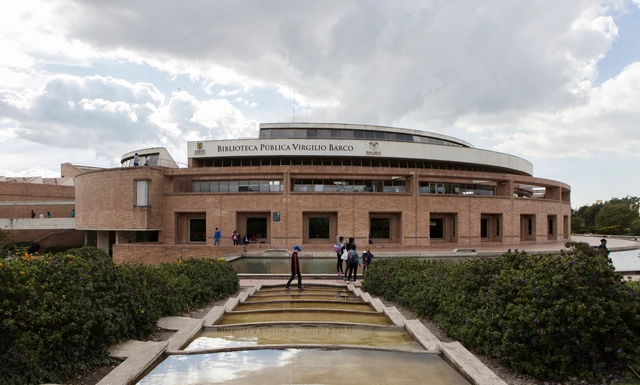
Located in the Teusaquillo neighborhood, in the northeastern sector of Bogotá, the Virgilio Barco Library forms a complex integrated by the Simón Bolívar Metropolitan Park and the Virgilio Barco Library Park. The consolidation of the social, recreational, and cultural development center displays the library a particular approach between the built work and the natural capital environment. Through its tour, it progressively reveals the solution of a program designed to form a cultural and landscape ensemble omitting its position within the city.
Recognized as one of Rogelio Salmona's emblematic works, its circular forms open to the environment attract between 60,000 and 65,000 visitors a month. Initially, it was to be called the Simón Bolívar Park Library, due to its proximity to the metropolitan park, but because of the patronage it received from former Colombian president Virgilio Barco, it ended up taking his name.
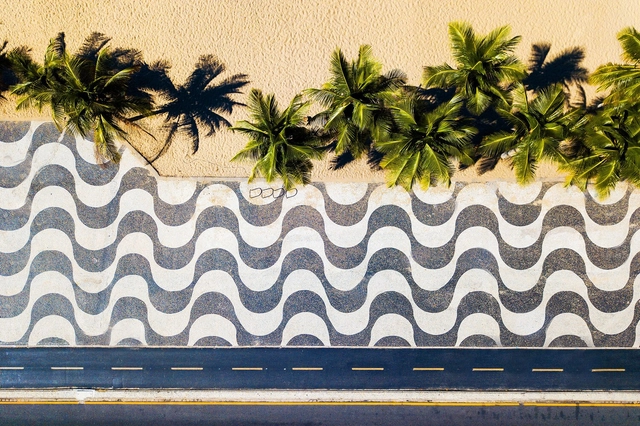
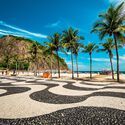
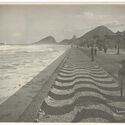
The Copacabana calçada (Copacabana sidewalk) is one of the greatest symbols in the stunning landscape of Rio de Janeiro. What not everyone knows is that its history (and design) precedes the intervention of Roberto Burle Marx in the 1970s. The origin of the design, as well as its stones, is Portuguese.
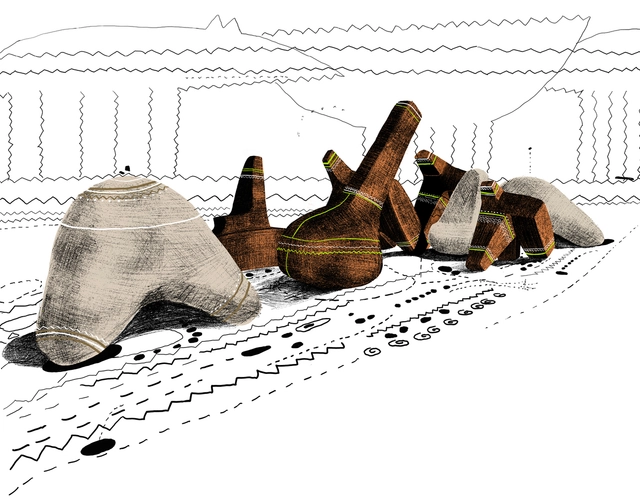
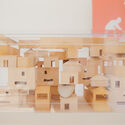
For the 18th International Architecture Exhibition – La Biennale di Venezia, the South African Pavilion explores the architectural representation of social structures through an exhibition titled “The Structure of a People.” Prior to the exhibition, the pavilion curators, Mr. Stephen Steyn, Dr. Emmanuel Nkambule, and Dr. Sechaba Maape, conducted a national architecture competition titled “Political Animals,” aimed at gathering artifacts crafted by lecturers and architecture students to represent the structures of their schools or universities. The resulting models and miniature architectures, produced by ModelArt, will be exhibited within Zone III, Political Animals, as part of the South African Pavilion.
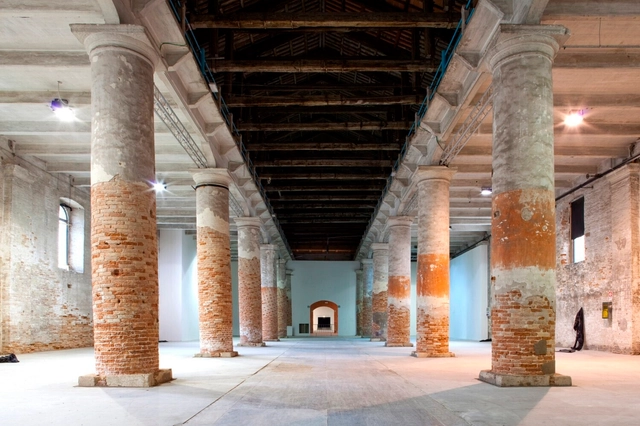
Titled The Laboratory of the Future and curated by Lesley Lokko, the 2023 Venice Architecture Biennale will be holding the 18° International Architecture Exhibition from May 20 to November 26, 2023.
The 2023 edition of the Biennale will include 63 national participants allocated in the Giardini, at the Arsenale, and in the historic city center of Venice, Italy. Additionally, the exhibition will welcome Niger for the first time, along with Panama, which will have its own pavilion. The Holy See will also return to the Biennale Architettura with a pavilion on the island of San Giorgio Maggiore.
Please find below the full list of national participants at the 2023 Venice Architecture Biennale.


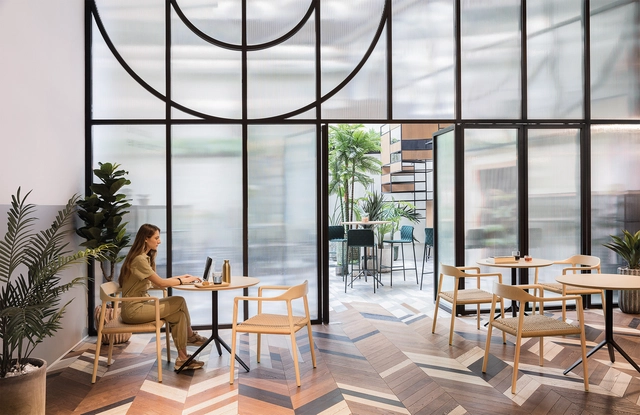
How can a space that is no longer essential become valued again? The traditional office as we know it is disappearing with the changes brought about by technological advances and globalization, all of which was accelerated by the impositions of the pandemic. As living and working become inseparable activities and hybrid, flexible work arrangements are now the norm in many fields, offices will need to become increasingly sustainable, healthier, and also more comfortable. But how can architects and designers design workspaces so that people will continue to want to inhabit them? What solutions and furnishings can meet the needs of occupants, with flexible solutions that can adapt to a variety of activities and purposes?