How to visualize architectural concepts in SketchUp using D5 Lite for faster design exploration.
How to visualize architectural concepts in SketchUp using D5 Lite for faster design exploration.
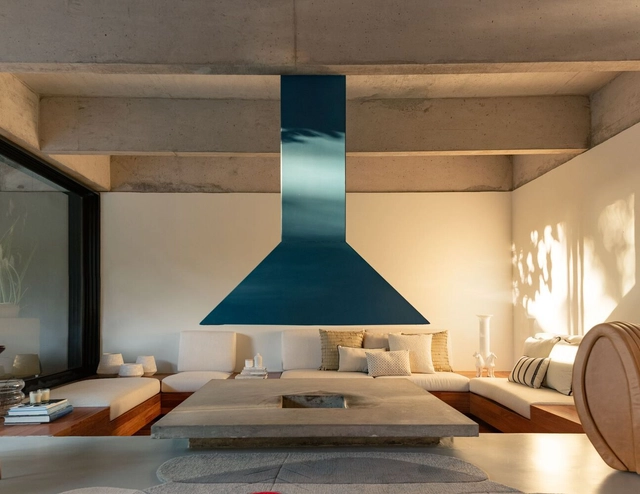
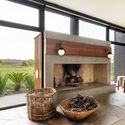
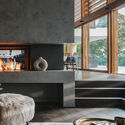
We are about to enter the coldest season of the year in the Southern Hemisphere: winter. When considering how to heat a home, one of the first solutions that comes to mind is the fireplace. After all, the fire brings warmth and provides a cozy gathering space. In addition, its design and placement can be key to the spatial composition of a room.
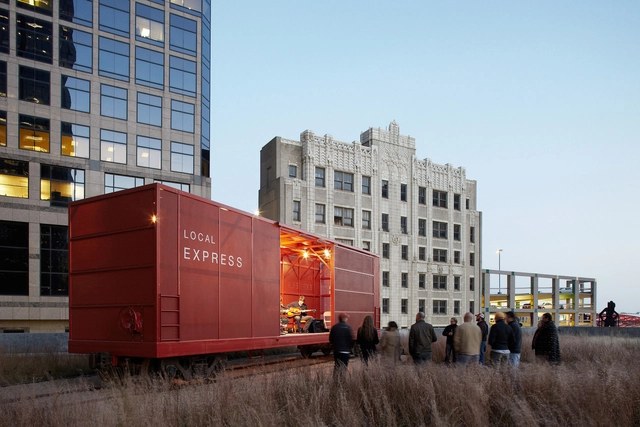
Almost 500,000 buildings have arrived at the Port of Los Angeles in 2021. Well- not exactly. Over 490,000 shipping containers have arrived, though. If there’s a design trend that has caught the world by storm over the past decade, it’s been the rise in transforming shipping containers into buildings as a form of architecture. But are shipping container buildings just a fad that was used to propel ideas about taking every day or is there more substance to creating giant Jenga-inspired structures?


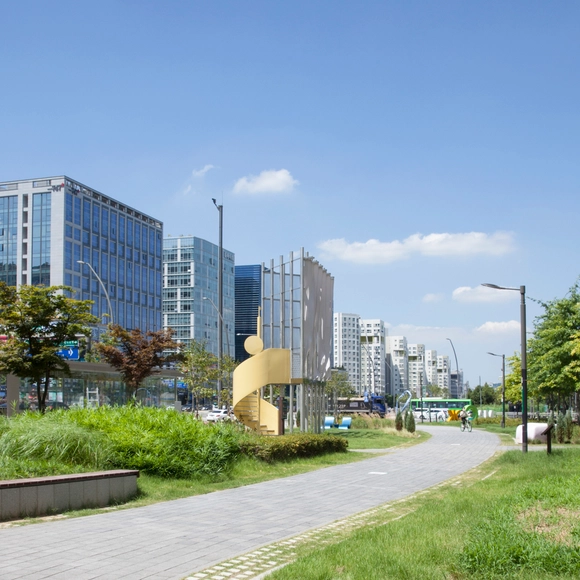
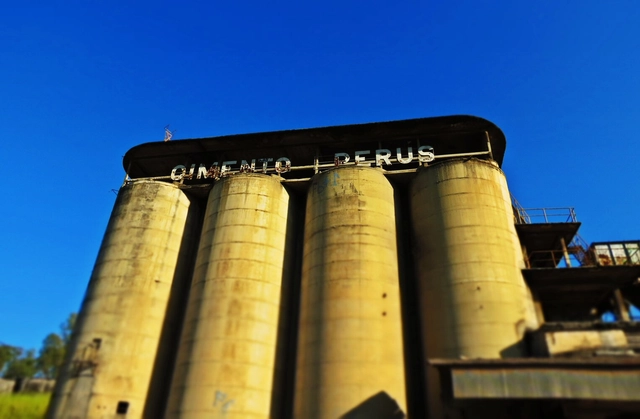
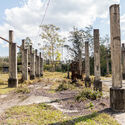
Nearly one hundred thousand square meters make up the site of one of Brazil's most important industrial heritage landmarks. Opened in 1926 by a Canadian group, the Perus Portland Cement Factory in São Paulo was crucial to the region's growth, leaving a legacy that goes far beyond its architectural remains.
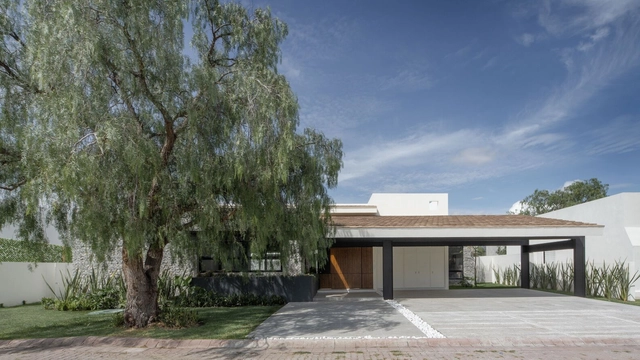
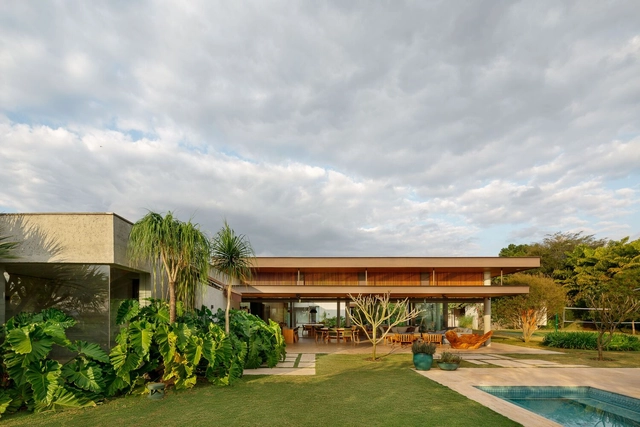
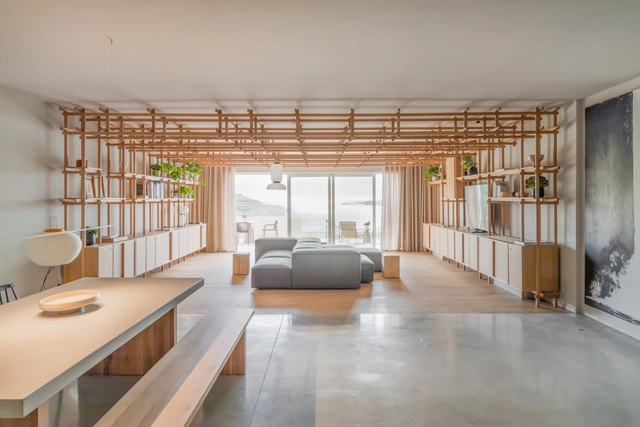


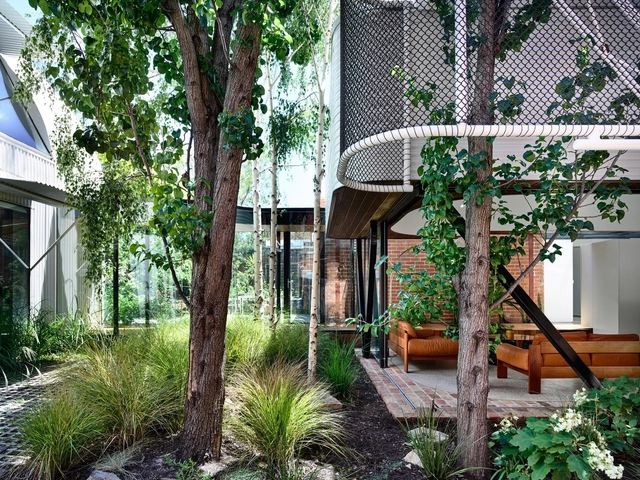
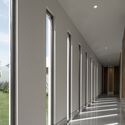
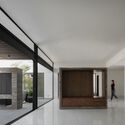
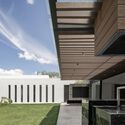
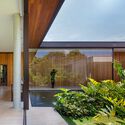
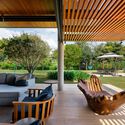
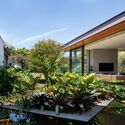
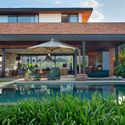
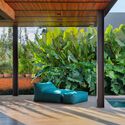
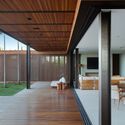
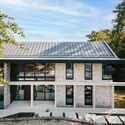
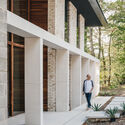
A healthy environment that is also visually appealing in our homes has become increasingly sought when it comes to designing houses and residential spaces, especially during the world’s current context. One of the most successful ways of achieving this is through a thoughtful design of the landscape that complements the built project. The art of landscaping is the arrangement of nature’s raw material elements, like vegetation and planting, combined with nonliving elements, such as exterior structures, paving, and decking, in order to create site-specific solutions that enhance the exterior spaces of a project.
Studio KO’s curation of the Uzbekistan Pavilion for the Venice Biennale is based on research, curiosity, workshopping, and experimenting with the senses. For over two years, the studio has worked alongside the Arts and Cultural Development Foundation, designing the Center for Contemporary Arts and their initiatives to restore and rehabilitate vernacular houses, transforming them into artist residencies. While exploring the 18th International Architecture Exhibition onsite in Venice, ArchDaily had the chance to speak with the founders of Studio KO, Karl Fournier, and Olivier Marty, curators of Uzbekistan National Pavilion. Their exhibition for this year’s theme, “The Laboratory of the Future,” focuses on the country’s rich heritage as a potential tool and inspiration for developing a more sustainable future.
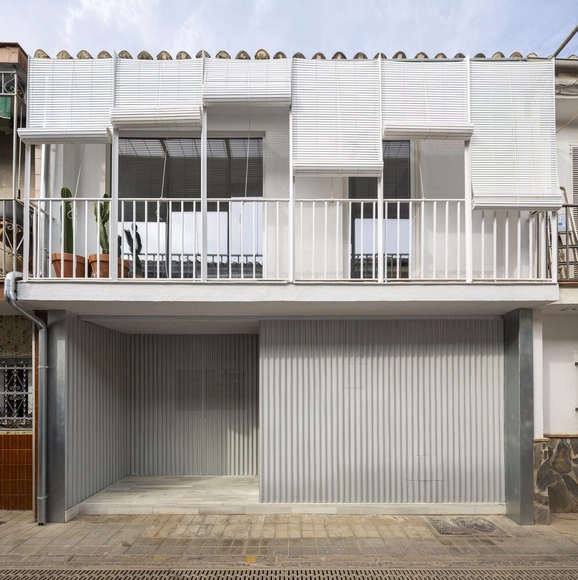
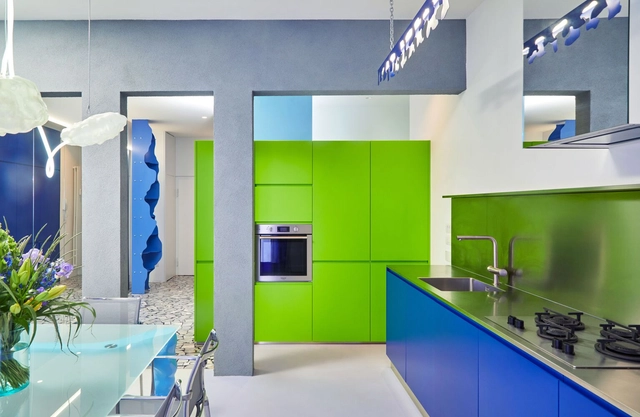



















_Frans_Parthesius__-_02_Villa_Fifty-Fifty_Design_Studioninedots_Photography_Frans_Parthesius.jpg?1620679031 "© Frans Parthesius")
_Jeremias_Thomas_MeMo_House_IMG_2037_01.jpg?1620678960 "© Jeremias Thomas")

_Peter_Eckert_01_-_04_Hood_River_Residence.jpg?1620679227 "© Peter Eckert")