How to visualize architectural concepts in SketchUp using D5 Lite for faster design exploration.
How to visualize architectural concepts in SketchUp using D5 Lite for faster design exploration.

Join us for the launch of the children's book "Vou a Pé"!


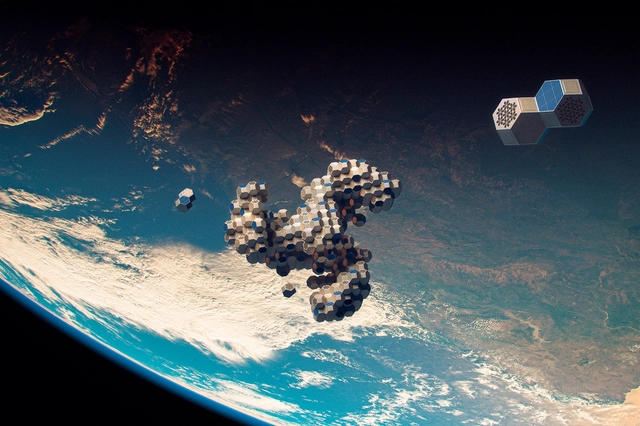
Architecture is likely to exist in any place or physical space inhabited by human beings. Moreover, our inherent curiosity and exploratory spirit constitute an integral aspect of our humanity. Fueled by our inventive capacity, drives us to venture into future scenarios that we can explore as individuals and as a society. Consequently, the possibility of a future in space has sparked the imagination of scientists and designers, resulting in conceptual and science fiction designs where human beings inhabit space.
The inventive and imaginative human capacity can be traced through the work of artists such as Jean-Marc Côté, who, in the early 20th century, envisioned a series of retro-futuristic illustrations depicting what life would be like in the year 2000. There are also notable literary references, such as the works of Ursula K. Le Guin, renowned for her speculative fiction exploring humanity's journey as a spacefaring species. Undoubtedly, the future and space are two captivating topics that have inspired the development of a long-term vision for society in space.
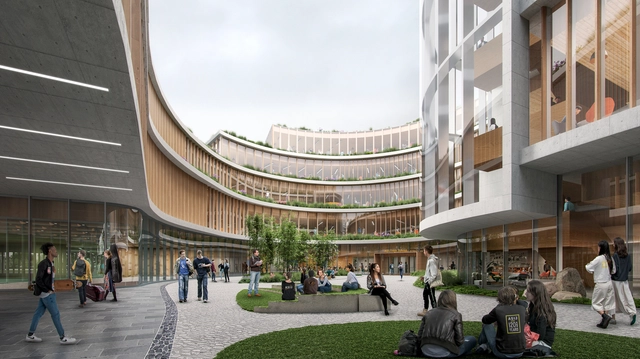
Ennead Architects has been enlisted to redefine the campus of The American School in Japan (ASIJ) to align the international school’s academic mission with its environment. Currently defined by its aging and fragmented infrastructure, the campus is set to become a dynamic and innovative space, encouraging integrated learning, cohesion, and collaboration across age groups. Sustainability principles, along with the experience of Japanese heritage, also play an important role in the design of the master plan, which proposes a toolkit of solutions intended to help create a unified, sustainable and resilient campus.
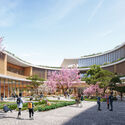
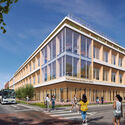
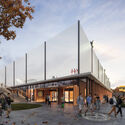

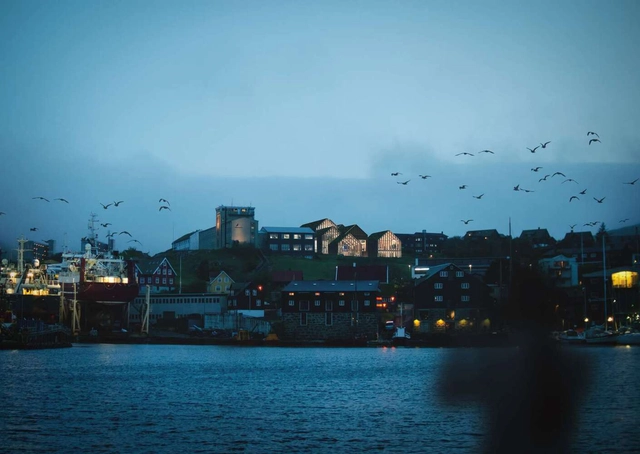
Henning Larsen Architects has just won the competition to design a new university campus building in Torshvan, Faroe Islands. The 8000m2 campus is primarily inspired by the Faroese settlements and indigenous lands, drawing on various ancient methodologies of building for extreme weather conditions. The new design “extends the comfortable outdoor season by 150 days each year,” transforming the campus into an ideal space for learning.
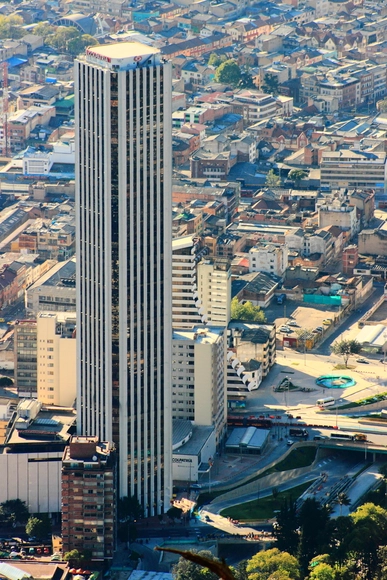
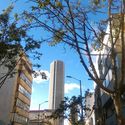
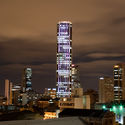
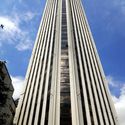
Considered a heritage of the modern movement in Colombia, the Colpatria Tower rises in the San Diego sector of the renowned International Center of Bogotá. With 50 floors and a height of 196 meters, it was the tallest building in the country for many years until the construction of the BD Bacatá in 2016, also in Bogotá. The implementation of innovative construction techniques and its location at the intersection of two major arterial roads of the capital - Carrera Séptima and Avenida El Dorado (Calle 26) - made it an architectural landmark of the city. Its sober and assertive design contributed an unprecedented pattern to the urban profile in the 1970s.
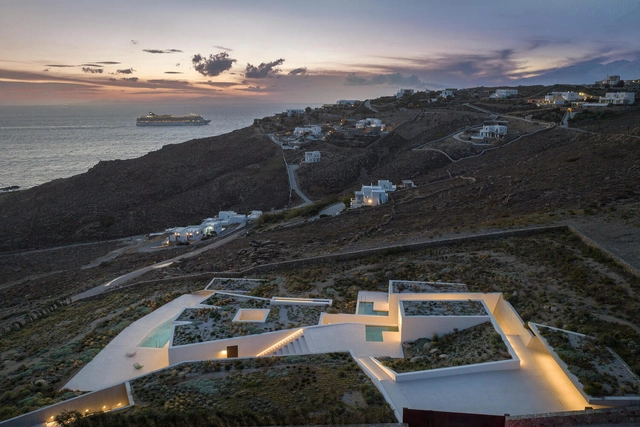
Ever since humans started building (about 10,000 years ago), settlers looking for sites to build new villages or homesteads have kept a simple list of criteria: access to water, proximity to arable land, and, ideally, as flat as possible. Modern development sites instead look for industry and transport links rather than water and farmland, but a level site is still the preferred option.
Whether you cut and fill into the landscape by digging in a retaining wall, or balance the structure above the hillside on stilt supports, building on sloping ground always adds time, cost, and difficulty to the project. With immense views and extra space both inside and out, however, the results can be worth the extra effort.




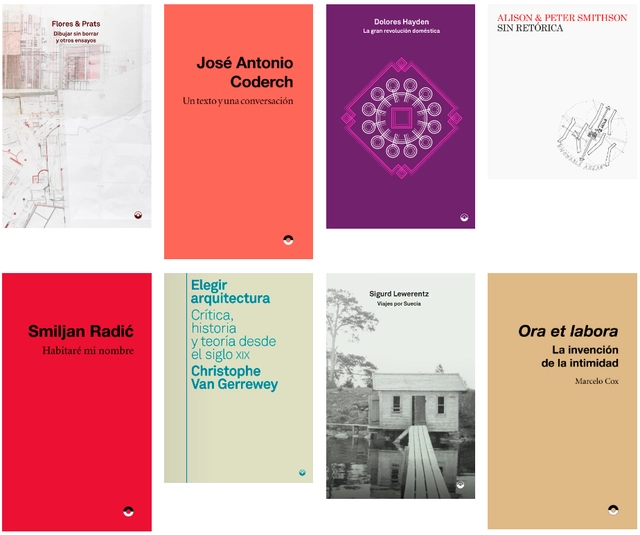
Based in Barcelona, Puente Editores is an independent architecture and art publisher directed by Moisés Puente that seeks to serve as a platform for independent projects.
From Dibujar sin borrar by Flores & Prats to Elegir arquitectura by Christophe van Gerreway, we present a selection of their latest titles below.