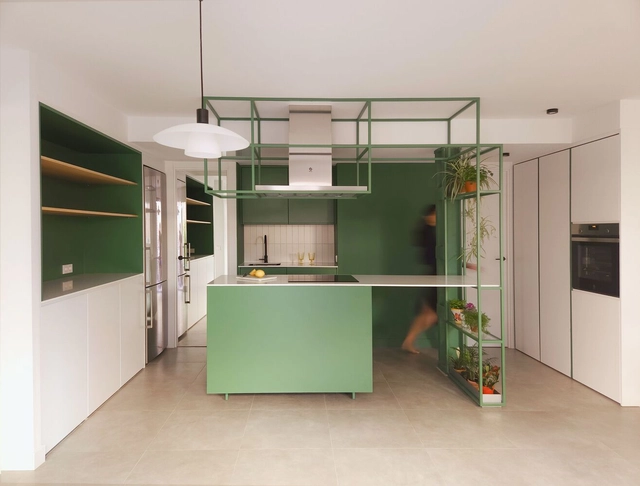
House J29 Renovation / SUAV


https://www.archdaily.com/1003608/house-j29-renovation-suavPilar Caballero
The Tropical Architecture of Monsoon Asia
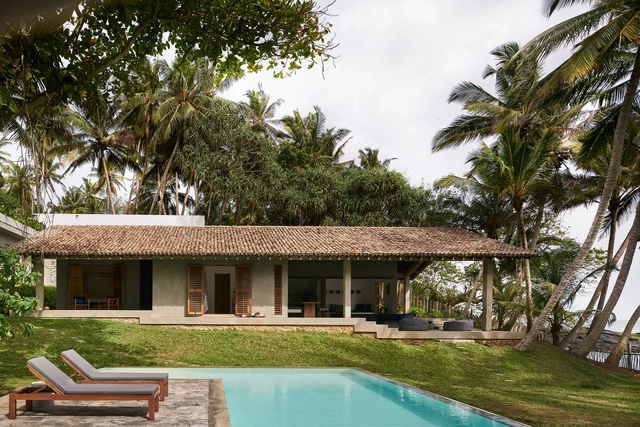
Tropical architecture, a term widely used in architectural discourse, lacks a consistent definition. The adjective ‘tropical’ relates to the zone between the Tropics of Cancer and Capricorn, which covers more than 40% of the earth’s surface. Heat is possibly the only shared characteristic of this belt. The tropical zone holds a range of climates from arid to wet, as well as a variety of geographic, social, and economic contexts. Unlike in temperate or arctic zones, a single umbrella term is used to describe the architecture of the tropics.


https://www.archdaily.com/999602/the-tropical-architecture-of-monsoon-asiaAnkitha Gattupalli
Maintenance 1:1 – Creating a Meeting Place / ETH Zürich + University of Antwerp




-
Architects: ETH Zürich, University of Antwerp
- Area: 34 m²
- Year: 2023
https://www.archdaily.com/1004866/maintenance-1-1-creating-a-meeting-place-eth-zurich-plus-university-of-antwerpPaula Pintos
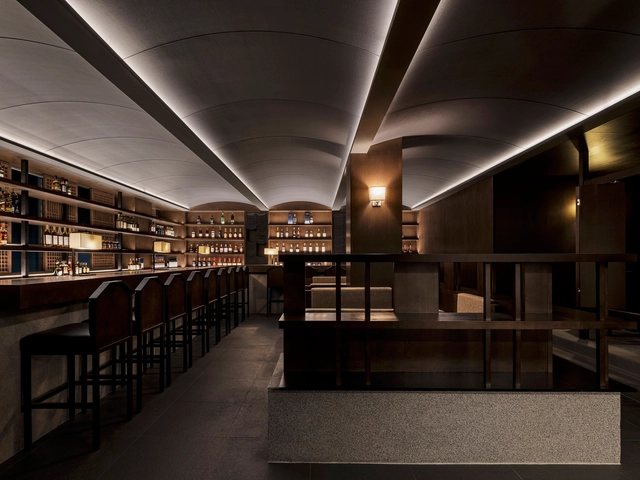
TENT Whiskey Bar 2nd / Plainoddity


-
Architects: Plainoddity
- Area: 99 m²
- Year: 2023
-
Manufacturers: &Tradition, TERRACO
https://www.archdaily.com/1004945/tent-whiskey-bar-2nd-plainoddityPilar Caballero
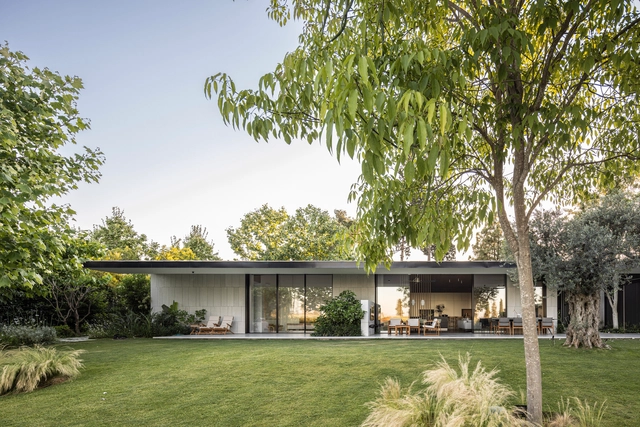
Landscape House / Ruth Packer Rona Levin Architects


-
Architects: Ruth Packer Rona Levin Architects
- Area: 400 m²
- Year: 2022
-
Professionals: Ziv Salomon engeneer, Itamar landscape design
https://www.archdaily.com/1004987/landscape-house-ruth-packer-rona-levin-architectsPilar Caballero
BLOQyard Restaurants and Cafés / Sixseven Studio


-
Architects: Sixseven Studio
- Area: 500 m²
- Year: 2023
-
Manufacturers: WKBlock
-
Professionals: Another Landscape
https://www.archdaily.com/1004963/bloqyard-restaurants-and-cafes-sixseven-studioValeria Silva
"Barrier-Free" Exhibition
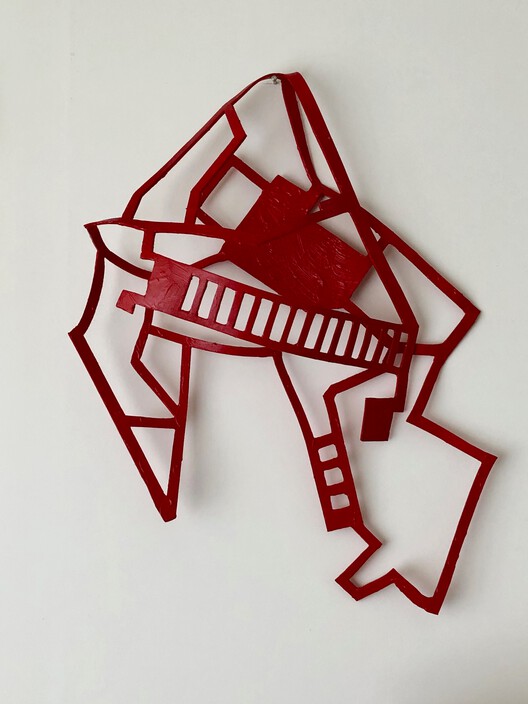
After a three-year hiatus, Galeria Paulo Branquinho has returned to the art scene in full force, opening a new collective exhibition on Saturday, August 12. "Sem Barreiras" (Without Barriers), the new exhibition hosted in the 18th-century Lapa house, features 16 artists who present works across a variety of media, styles, techniques, and materials. Alessandro Caròla, Ana Pose, Analu Nabuco, Eda Miranda, Edna Kauss, Gustavo Alves, Ira Etz, Istefânia Rubino, Jacqueline Dalsenter, José Senna, Laura Bonfá Burnier, Marcia Rommes, Maria Cecília Leão, Maria Eugênia Baptista, Maria Lúcia Maluf, and Teresinha Mazzei share a common goal: to capture the visitor's attention and evoke a range of emotions.
https://www.archdaily.com/1050401/barrier-free-exhibitionRene Submissions
Seba House / Etéreo Arquitectos


https://www.archdaily.com/1005007/seba-house-etereo-arquitectosBenjamin Zapico
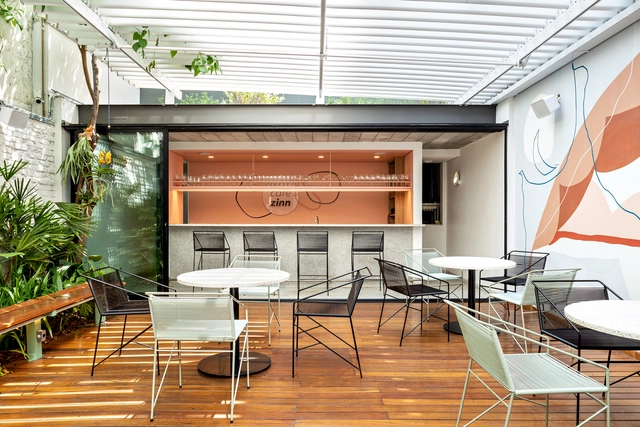
Cafezinn Café / Vapor arquitetura

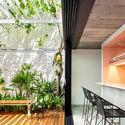
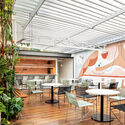
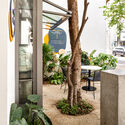

-
Architects: Vapor arquitetura
- Area: 245 m²
- Year: 2021
https://www.archdaily.com/1005008/cafezinn-cafe-vapor-arquiteturaAndreas Luco
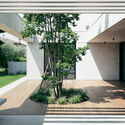
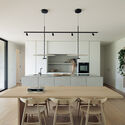
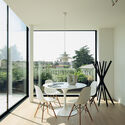
House NF / Didonè Comacchio Architects

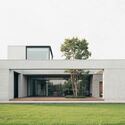

-
Architects: Didonè Comacchio Architects
- Area: 220 m²
- Year: 2023
-
Manufacturers: Louis Poulsen, Vibia, Fantini, Ytong
https://www.archdaily.com/1004960/house-nf-didone-comacchio-architectsValeria Silva
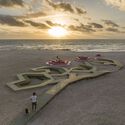
Morning Glory Installation / Paula de Solminihac + Vicente Donoso





-
Architects: Paula de Solminihac, Vicente Donoso
- Year: 2022
https://www.archdaily.com/1004982/morning-glory-installation-paula-de-solminihac-plus-vicente-donosoBenjamin Zapico
How Neighborhoods Rely on Graffiti to Protest Gentrification
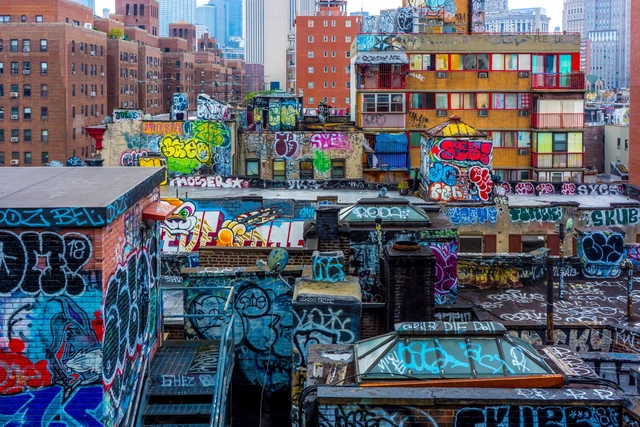
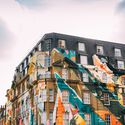
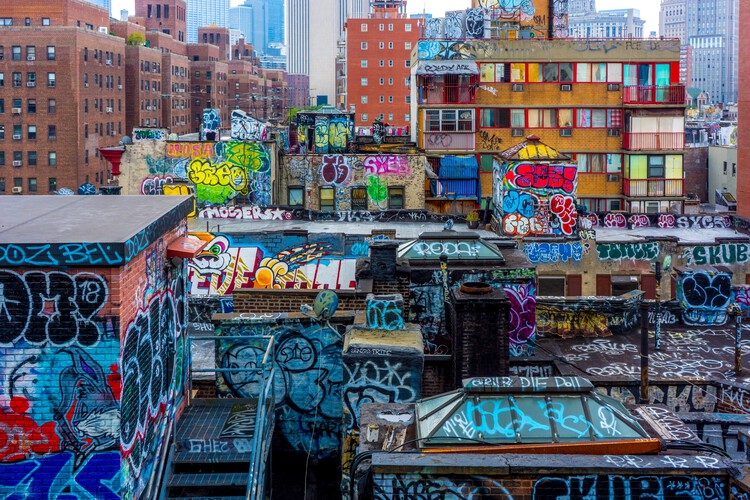
Graffiti, as an art form, has a complex relationship with gentrification. On one hand, it has engaged the streets and urban fabric as a canvas for people to express themselves culturally and socio-politically. This expression could be a form of rebellion by ethnic minorities and disadvantaged groups in certain neighborhoods, or it can build up a sense of cultural uniqueness and social expression, giving a neighborhood a positive character and attracting newcomers. However, over the years, the latter has been an agent of gentrification, spiking up property values to accommodate richer residents and alienating the native communities of those neighborhoods.
In certain instances, artists recognize their role in this urban scheme and tweak their art form through its style, message, location, and action as direct forms of protest to fight against gentrification. From Brixton, Shoreditch, and Hackney in London, Williamsburg and Bushwick in New York, to The Canal Saint-Denis and Belleville in Paris, the use of graffiti on the streetscapes of these neighborhoods can either protest or inspire different forms of development.



https://www.archdaily.com/1004971/how-neighborhoods-rely-on-graffiti-to-protest-gentrificationPaul Yakubu
Artist Residency Farm8 / Studio Array


-
Architects: Studio Array
- Area: 600 m²
- Year: 2023
-
Professionals: S.K Metal Industries, Jai Shree construction
https://www.archdaily.com/1001754/artist-residency-farm8-studio-arrayPilar Caballero
Natural or Artificially Pigmented Materials? Exploring Color Variations and their Effects
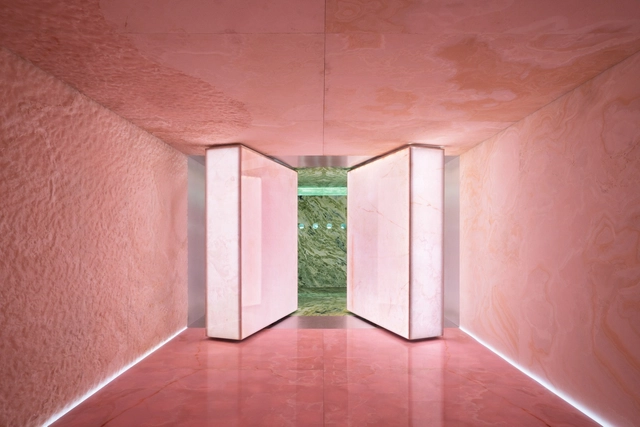
Materiality is a determining factor in shaping the character and experience of a building. Playing with the aesthetic and tactile qualities of materials, the design process encompasses their analysis, selection, and arrangement to create purposeful and sensory-rich spaces. Alongside textures and patterns, exploring materiality also involves the study of color possibilities. The versatile role of color in architectural materials extends beyond mere aesthetics, as it can broaden design opportunities and influence emotional responses, functionality, cultural relevance, and environmental performance.
Even though each material has its distinctive inherent color, the addition of artificial or natural pigments can modify them in favor of the project’s identity. Delving into the debate on maintaining raw aesthetics or changing a material’s natural hues, we showcase various projects to study the differences between using natural versus artificial pigmentation of glass, concrete, brick, stone and wood.


https://www.archdaily.com/1004712/natural-or-artificially-pigmented-materials-exploring-color-variations-and-their-effectsCamila Prieto
Nieto Sobejano Arquitectos Wins Competition to Reimagine the Dallas Art Museum
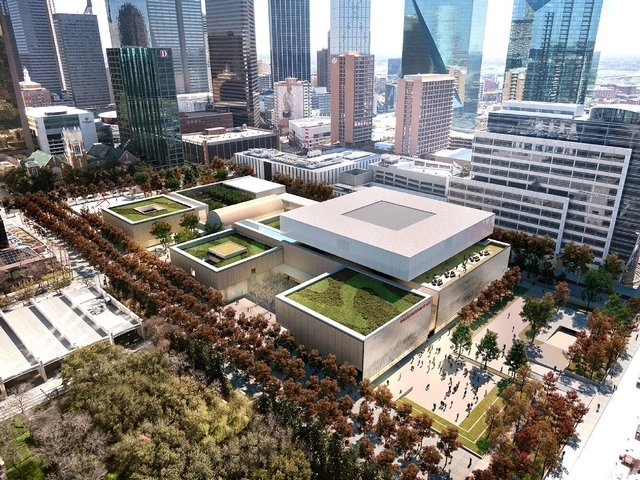
The Dallas Museum of Art (DMA) announced Madrid-based practice Nieto Sobejano Arquitectos as the winner of the international design competition Reimagining the Dallas Museum of Art. The project was selected out of 154 submissions from around the world, and a shortlist featuring internationally recognized names such as David Chipperfield Architects, Diller Scofidio + Renfro, Johnston Marklee, Michael Maltzan Architecture and Weiss/Manfredi. The winning proposal was conceived ‘as a reflection of the original building, transforming the relationship between art, landscape, and community into a balance of memory and innovation,’ according to the architects. The winner’s concept design is available to view in a free presentation on Mezzanine Level 2 at the DMA through this Fall and on the competition website.



https://www.archdaily.com/1005004/nieto-sobejano-arquitectos-wins-competition-to-reimagine-the-dallas-art-museumMaria-Cristina Florian
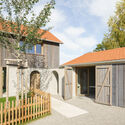
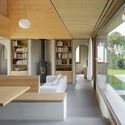
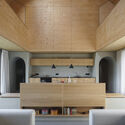
House in Mitterfischen / Florian Nagler Architekten



-
Architects: Florian Nagler Architekten
- Area: 255 m²
- Year: 2020
https://www.archdaily.com/1004991/house-in-mitterfischen-florian-nagler-architektenPaula Pintos
"This is Air:" The National Gallery of Victoria Announces Architecture Commission by Nic Brunsdon

The National Gallery of Victoria 2023 Architecture Commission has chosen a colossal inflatable sphere, named (This is) Air, as its centerpiece. This unique creation is a collaboration between architect Nic Brunsdon and ENESS, aiming to bring the invisible into view by highlighting a fundamental aspect of life: breathing air.
https://www.archdaily.com/1004978/this-is-air-the-national-gallery-of-victoria-announces-architecture-commission-by-nic-brunsdonNour Fakharany
Plano House / Studio Bloco Arquitetura


-
Architects: Studio Bloco Arquitetura
- Area: 255 m²
- Year: 2022
-
Manufacturers: AutoDesk, Chaos Group, Schneider Electric, Trimble
https://www.archdaily.com/1004910/plano-house-studio-blocoValeria Silva