How to visualize architectural concepts in SketchUp using D5 Lite for faster design exploration.
How to visualize architectural concepts in SketchUp using D5 Lite for faster design exploration.

What will our built environment look like?
As editors and curators of the largest architecture website in the world, our team is in a vantage position that allows us to be exposed firsthand to massive amounts of architectural insights from all over the world and enables us to imagine what the future of our cities might look like.
As our mission is to spread the best information to our readers, we bear the responsibility to keep an eye out for successes and innovations that would one day become benchmarks and tools for a better Urban and Living setting.
Part of our job is to deduce context-specific and recurring patterns that form what we might call trends; that we regularly showcase through our site in various formats.
Here are some indicators as to how to navigate Trends in ArchDaily.
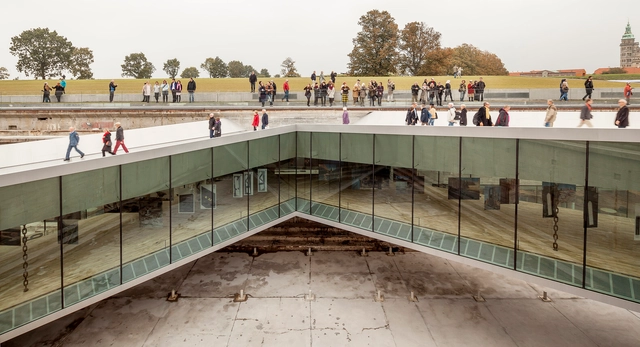
This year, the torch of the World Capital of Architecture passed from Rio de Janeiro to Copenhagen. For Audrey Azoulay, Director-General of UNESCO, “Copenhagen will build upon Rio’s achievements, by continuing to show the way in which architecture and culture can respond to the challenges of our time, especially in the environmental field.”
Through the perspectives of various Danish architects, such as Marie-Louise Høstbo, Head of Design at Fritz Hansen, we venture into the unique character of North Copenhagen. Exploring some of her favorite locations –all of which exemplify the city’s culture and sustainable approach– we analyze how Copenhagen upholds a strong legacy and how architecture and urban development play an essential role in shaping its urban identity, while promoting sustainability and liveability. From the serene coastal escape at Bellevue to the reimagined dry dock echoing the city’s maritime history, Høstbo showcases how the World Capital of Architecture seamlessly integrates “design, art, and architecture from the past, present, and future.”

Zaha Hadid Architects has unveiled plans for a striking 330-meter-tall skyscraper within the Trojena ski resort, situated in the Neom development in Saudi Arabia. The design was first presented at the Cityscape Conference in Riyadh as part of an exhibition focused on the Neom project. The new crystal-like skyscraper will be located on a mountain overlooking a central artificial lake, as it is planned to become an integral element of the Trojena, a region allegedly master-planned by LAVA architects. Zaha Hadid Architects have also revealed the design of a second structure within Trojena, a lookout pavilion located next to the skyscraper.
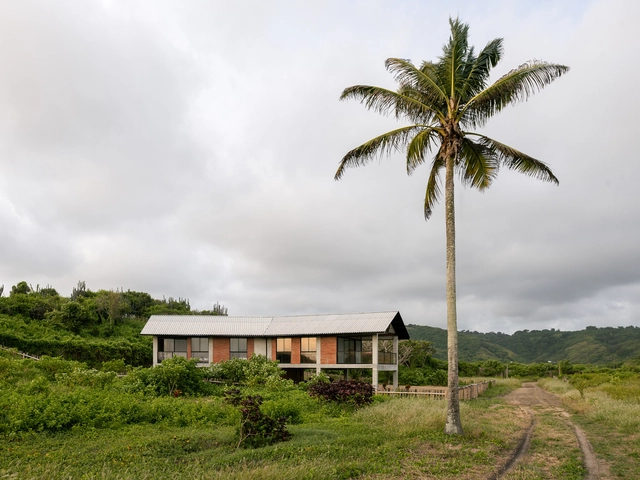
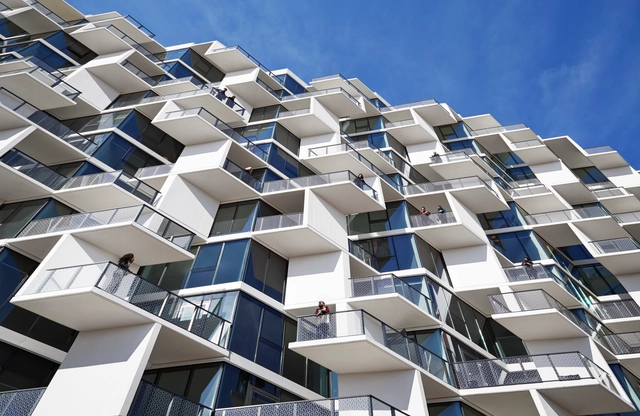
As part of the 6th edition of “Time Space Existence”, the European Cultural Center (ECC) presented the “Reconceptualizing Urban Housing” exhibition. Taking place from May 20 to November 26, 2023, it brings together a diverse array of women-led architecture practices from around the world, each offering a unique perspective on collective housing, particularly within urban settings. The showcased projects feature approaches from Europe, North America, and more developing countries like Uganda, Malaysia, and Mexico.
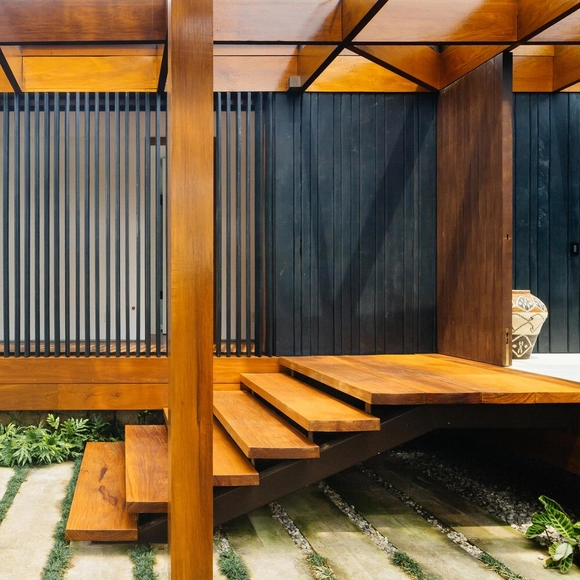
Wood in contemporary construction is often associated with coziness, simplicity, and a certain sense of nobility. Despite requiring more frequent maintenance compared to materials like concrete, wood is increasingly considered a viable option within the concept of regenerative design, owing to its place in the natural organic cycle of our planet. While wood has been a staple in architectural design, carbonized wood, known as yakisugi, is gaining significant attention as a finishing choice.
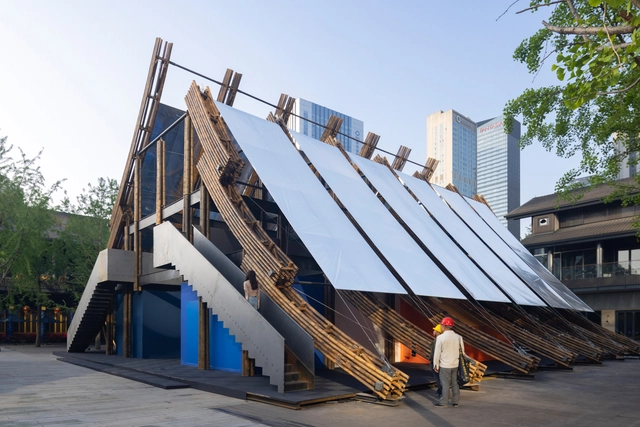
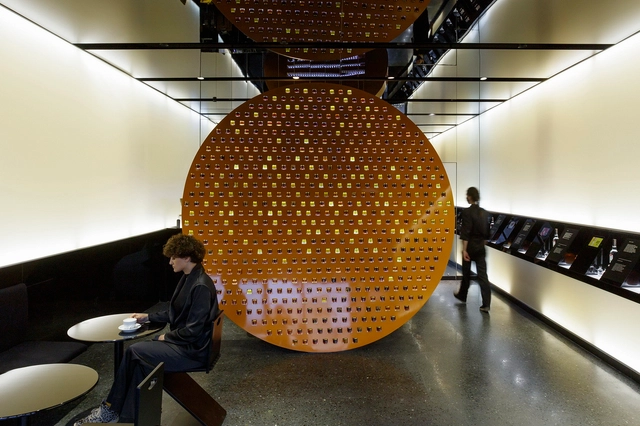
RoarcRenew Architects has been selected for ArchDaily's 2023 New Practices. In two of Shanghai's busiest commercial districts, Anfu Road and Columbia Circle, stores designed by RoarcRenew Architects attract large crowds. Within spaces covering just a hundred square meters, they meticulously design every architectural element, continuously exploring and innovating. Their recent bamboo installation, done in collaboration with Taikoo Li, is a remarkable showcase of sustainable design in commercial spaces.
Roarc Renew consistently conveys a clear architectural concept in its projects. The construction logic mirrors the fundamental principles governing our world, involving substances and joints: joints can both represent the substances in the physical world and connect them all. In their projects, Roarc Renew has introduced the JointsPavilion (JP) series for the construction system and the SoftJoints (SJ) series for home furniture systems. This allows them to utilize their expertise in creating elegant connections that simplify and enhance the beauty of various elements.
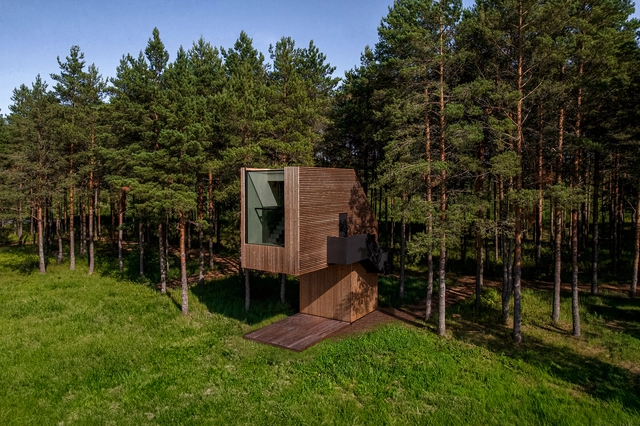


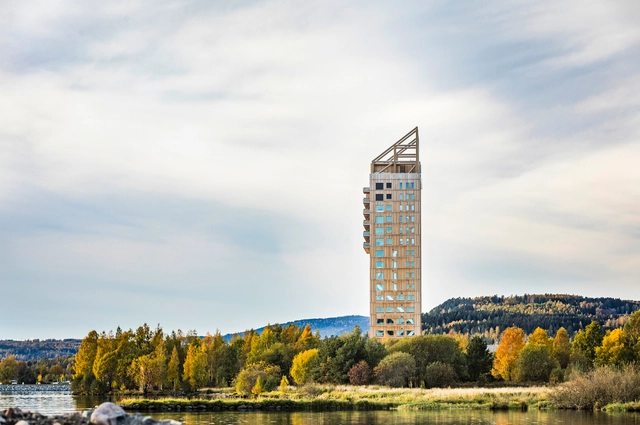
Atrium Ljungberg unveiled Stockholm Wood City in Sweden, the world's largest urban construction project in wood, and in Norway, just four years ago, Voll Arkitekter completed the Mjøstårnet Tower on Lake Mjøsa, one of the tallest wooden buildings in the world at 18 stories. On the other side of the planet, the Tamango project by Tallwood Architects is an example of the challenges and opportunities of wood construction in Chile, as it could become the first 12-story building with a prefabricated wood structure in Latin America. Meanwhile, in Peru, the Construye para Crecer project by Poggione+Biondi Arquitectos won the XIX National Architecture Biennial 2022 with a residential complex to be built mainly of wood. Nearby, Uruguay recently concluded its social housing in wood competition, paving the way toward innovation in social interest architecture. Furthermore, in 2020, Vicente Guallart won an international competition to define the standards for the buildings of a new city in China. The project, titled The Self-Sufficient City, was already a design that materialized a new urban model in wood across four city blocks.
Across the globe, sustainability and innovation in construction are constantly evolving, and wood structures are presented as a promising option. ArchDaily presented The Future of Wood as its monthly topic, opening up a discussion to explore and hear predictions and thoughts from our readers regarding the future of this material in architecture and urbanism. Is wood the key to a more sustainable and livable urban future? Or are there challenges we must address before embracing this trend? What are the implications for architecture, cities, the economy, and the environment?