How to visualize architectural concepts in SketchUp using D5 Lite for faster design exploration.
How to visualize architectural concepts in SketchUp using D5 Lite for faster design exploration.




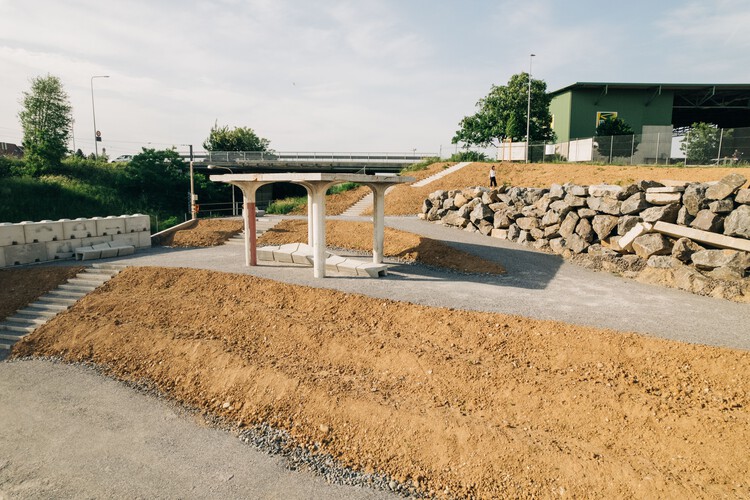
In an effort to bolster public care and personal hygiene services for the unhoused population, the Ministry of Human Rights and Citizenship (MDHC) has established the Street Support Points Program (PAR). The initiative aims to provide public spaces and facilities managed in partnership with civil society organizations.

The second round of award winners of the 2023 World Architecture Festival have been announced, following Day Two of live presentations at Marina Bay Sands in Singapore, in which hundreds of shortlisted projects were presented by practices from around the world. Amongst today’s category award winners of the world’s largest international live-judged architectural event there were six projects from Australia and four projects each from Iran and the United Kingdom.
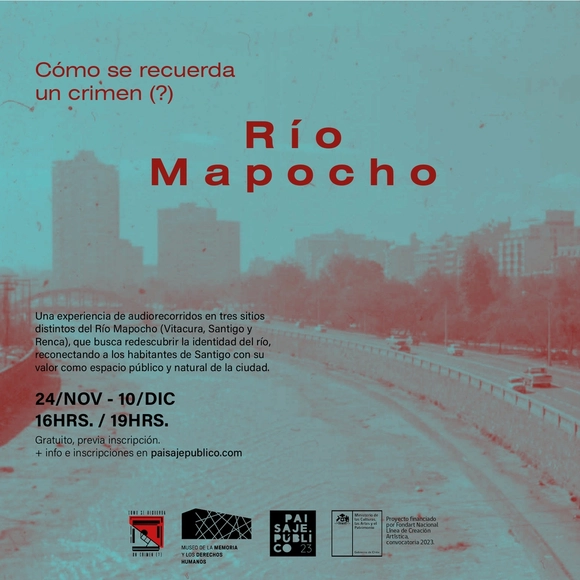
“How to Remember a Crime: Mapocho River” is a free performance that, through a walking tour guided by soundscapes, voiceovers, and testimonies, encourages reflection on the connection to nature, civic development, fundamental rights, and crimes against humanity committed during the dictatorship.
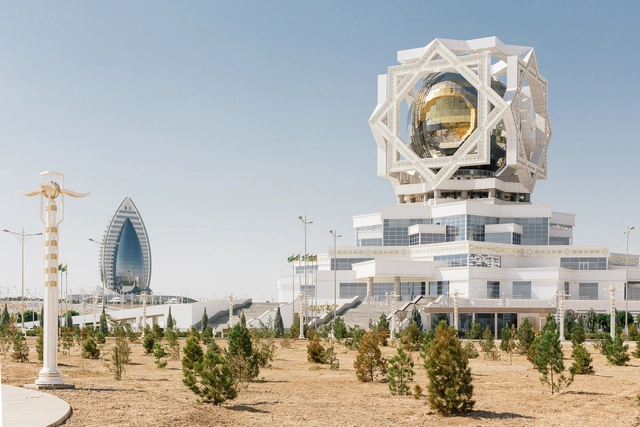
Arnau Rovira is a photographer who found himself in Turkmenistan by accident. From Barcelona, he recalls the story of how he found himself in its capital, Ashgabat, accompanying sports journalists for the 2017 Asian Indoor and Martial Arts Games. This Central Asian country, a former colony of the USSR, is known not only for its strict access and control restrictions but also for its white and golden structures that create a futuristic city near the border with Iran.
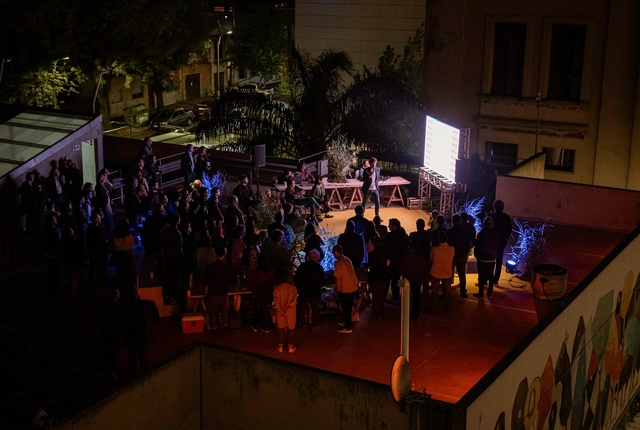
With its sights set on the future, in 2024, the Universidad Católica del Uruguay is adding the Architecture, Design, and Environment program to its academic offerings. Felipe Reyno, PhD in Architecture and director of this new degree program, reflects on the need to train architects with a contemporary, contextual, diverse, critical, and collaborative perspective.
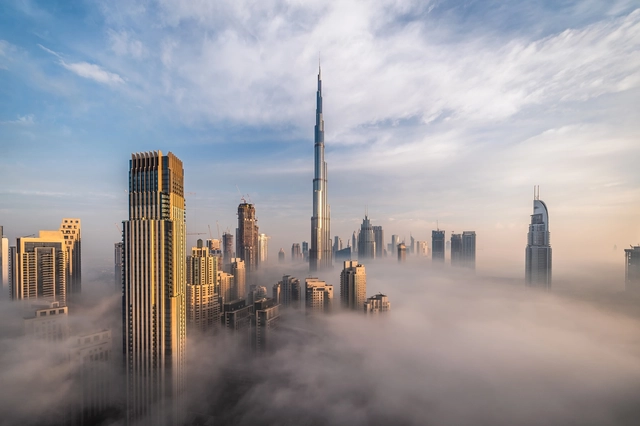
On November 30, 2023, the UN COP28 climate summit begins in Dubai, the United Arab Emirates. The name stands for the Conference of the Parties under the UNFCCC, and symbolizes the annual meeting of world governments for the purpose of establishing strategies to limit the extent of climate change and its adverse effects. Last year’s summit concluded with several important measures, including the promise of a global fund aimed at providing financial aid to developing countries affected by climate disasters.
The main purpose of COP is to reinforce the commitments of the Paris Agreement, signed in 2015, which strives to keep the global temperature rise under 1.5C degrees. As the construction industry accounts for 39% of global emissions, architecture plays an important role in helping to lower our carbon footprint, making COP28 a crucial event for architects.
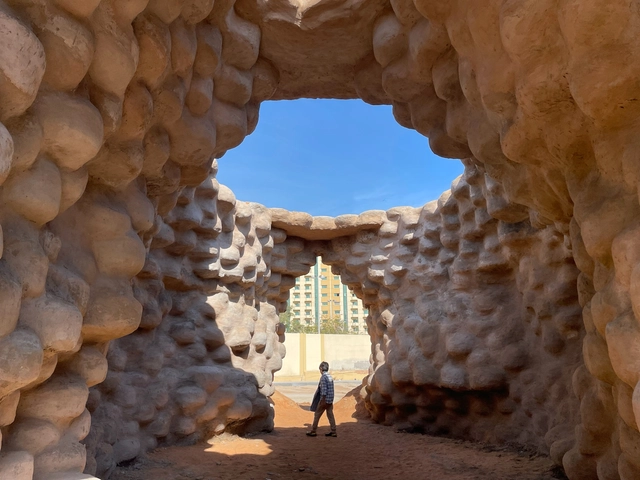
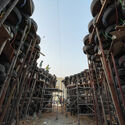
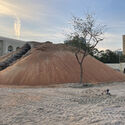
The Sharjah Architecture Triennial opened on November 11, 2023, with the theme of The Beauty of Impermanence: An Architecture of Adaptability. Curated by Tosin Oshinowo, the program focused heavily on the Global South and alternative models the region can provide in the future. As part of the Triennial, the “3-Minute Corridor” pavilion by WallMakers explores our waste on a global scale, exploring methodologies of material reuse.
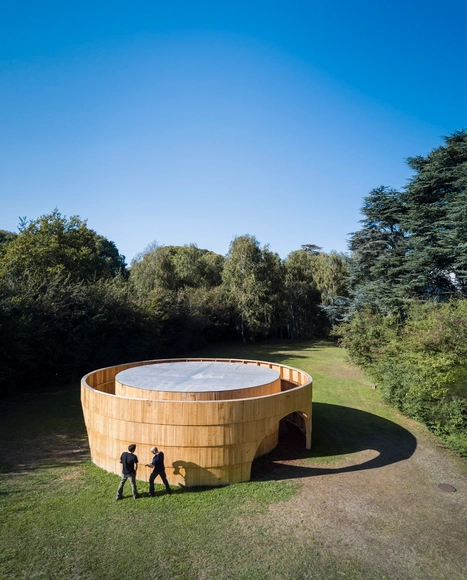
There are numerous intersections between art and architecture, including aesthetic enjoyment, formal element composition, the relationship with the environment, and abstraction. The unique combinations of these aspects distinguish each architecture office or artist in their practice and language. Diogo Aguiar Studio is an architecture office that actively explores these intersections, pushing the boundaries that traditionally separate art from architecture.
Each project is built on the dynamic interaction between architecture and art, serving as its foundation and driving force. This approach yields work that addresses functional requirements and ventures into uncharted territories of spatial research. Notably, materials exploration and sensory aspects in both architectural and immersive artistic spaces stand out as a significant aspects of their endeavors.