

-
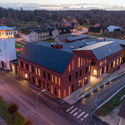
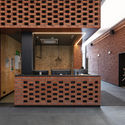
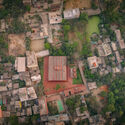
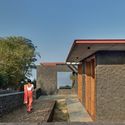
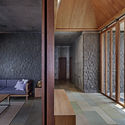
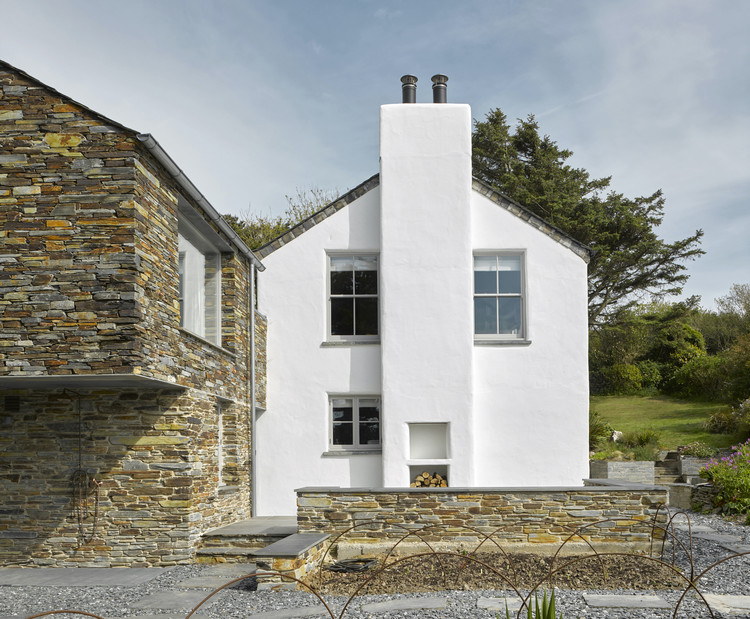
Architects: Kashef Chowdhury - URBANA
- Area: 8000 ft²
- Year: 2017



Twelve thousand years ago, our ancestors noticed that wherever a seed or fruit fell, a plant grew. Realizing they could intentionally plant seeds and harvest them later, they stopped migrating in search of food and settled permanently where they could cultivate. In doing so, they began establishing the world's first cities and inventing what we now call agriculture.


We have curated a selection of online exhibitions on urbanism—available for free on Google Arts & Culture—exploring the history of development in major cities around the world. Discover them below:

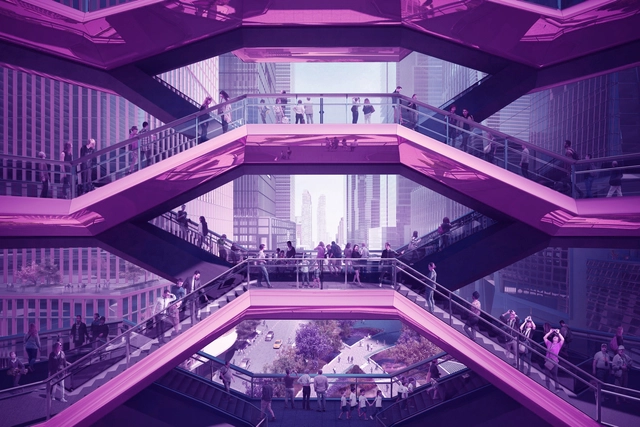
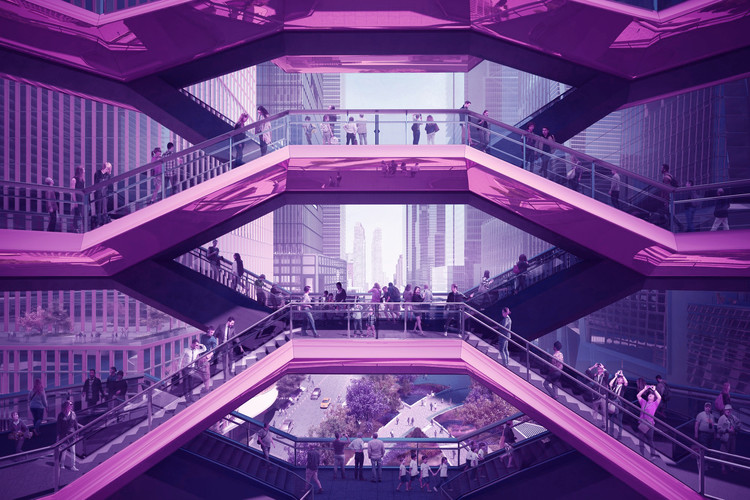
Fifty-one years ago, in 1970, a Japanese roboticist named Masahiro Mori came up with the concept of the “Uncanny Valley”. Around the same time, architectural renderings done using analog methods were still in vogue – collages and photomontages used to get ideas across to clients. A decade later, personal computers came along, and that saw the emergence of CAD and the wider adoption of digital rendering. Today’s architectural renderings are almost imperceptible from reality, with the increase in sophistication of rendering sofware. We struggle to tell the difference between what is a rendering and what is not – or rather we are able to tell a slight difference and it leaves us slightly uncomfortable, which brings us to Mori’s uncanny valley.


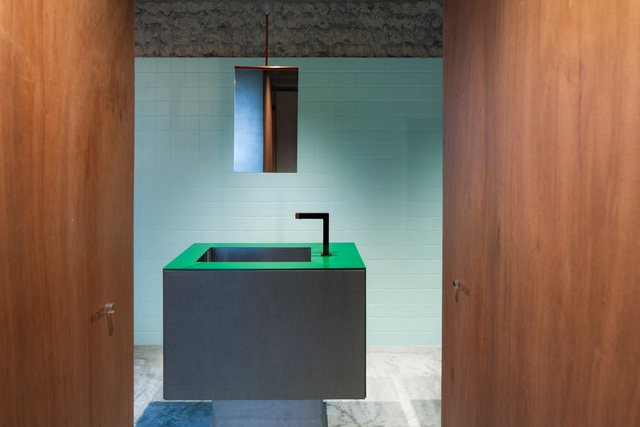

"The image provided by Brutalism, an architecture of sensual extremes, is often an extraordinary and unfamiliar experience for the city explorer. There can be something aggressive and a bold vocabulary (...) in the expressive palette that displays the truth of its materials and a disdain for the frivolous." This is how Simon Phipps [1] describes the fascination that Brutalist works still hold for us today. Yet, what does it mean to think about this architecture in 2021?























.jpg?1618071837 "Courtesy of BIG")
.jpg?1618071843 "Courtesy of Alexis Christodoulou")