




-
Architects: Ross-Barney Architects
- Area: 35300 m²
-
Photographs:Kate Joyce Studios
-
Manufacturers: PPG IdeaScapes

Text description provided by the architects. Project Team: Michael Ross, AIA (principal in-charge); Monica Chadha (project manager); Jonathan Graves (project architect); Kimberley Patten, AIA (sustainable design and interiors); Marc Anderson; Ricardo Nabholz

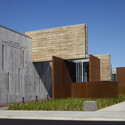
The University of Minnesota Duluth has instituted a new Bachelor of Science degree in Civil Engineering (BSCE). The new building, completed in 2010, provides approximately 35,300 gross square feet to house classrooms, instructional and research laboratories, and office space for the Civil Engineering Department. The new building builds on and reinforces the existing circulation patterns that are part of the UMD campus.


The new Science and Engineering Building is LEED Gold Certified. A healthy environment for the occupants was achieved by integrating sustainable strategies that are part of the LEED rating system for new construction. These include: increased ventilation, use of low-emitting construction materials, advanced lighting control, advanced thermal comfort control, access to daylight and views for occupied spaces, and the use of an under-floor air distribution system. Native plantings and rain gardens dot the east and west elevations. A green roof with native plant materials helps to reduce storm runoff, cool the building, reduce noise, and reduce glare from surrounding buildings.

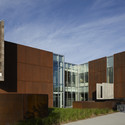
The Hydrology Lab and Structural Lab are two story areas that require ceiling heights of 25+ feet and are located on the ground level. Classrooms and faculty offices are located on the second level. The new Swenson building connects the to the existing Voss Kovach Hall adjacent to the main entrance of the older structure. The Link -a one story glazed corridor facing the Library- provides an additional connection between the old and new buildings.

The design of the new Civil Engineering Building highlights construction and site systems related to the field of study. These include oversized scuppers that channel storm water from the roof to the trio the monumental French drain, two 20 ton gantry cranes located within the Structural Lab and Hydrology Lab, and a precast concrete Structural Lab with installation materials left in place for learning.


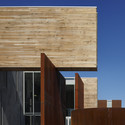
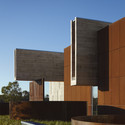
Using exterior materials that are consistent with other existing campus buildings and using locally available materials from excavation and mining in the area, the building maintains a connection to the campus and to the regional economy.


