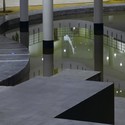
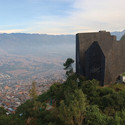
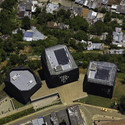
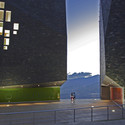
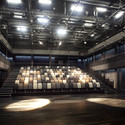
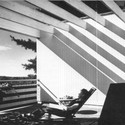
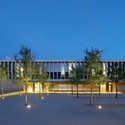
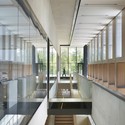
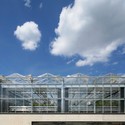
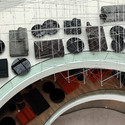
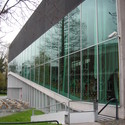
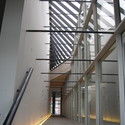
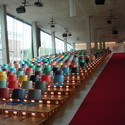
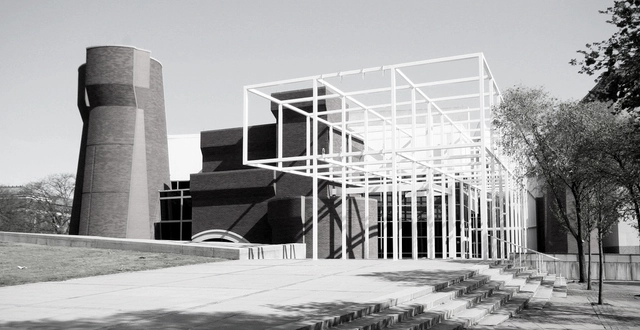
甚至在落成之前,《纽约时报》评论家保罗·戈德伯格(Paul Goldberger)就已将威克斯纳艺术中心(Wexner Center for the Arts)冠以“理论构建的博物馆”(The Museum That Theory Built)之名。[1] 鉴于该建筑的操刀者,这一雅号倒也在情理之中。该博物馆的设计师彼得·埃森曼(Peter Eisenman)在其职业生涯的黄金时期,几乎都在致力于将建筑形式提炼为一门理论科学。1989年,作为埃森曼职业生涯中首个重大的公共作品,这座建筑在万众瞩目中正式落成。在拥趸眼中,它的出现昭示着解构主义与建筑理论的胜利;而对于那些视理论与实践为“虽互补但终归分道扬镳”的人而言,该建筑暴露出的种种问题恰好成为了他们反驳的论据。大众对该建筑的评价同样毁誉参半,但它在学术界掀起的波澜与瞩目,就如其设计本身一样鲜明而无可争议。
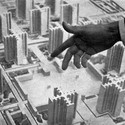
Ville Radieuse (The Radiant City) is an unrealized urban masterplan by Le Corbusier, first presented in 1924 and published in a book of the same name in 1933. Designed to contain effective means of transportation, as well as an abundance of green space and sunlight, Le Corbusier’s city of the future would not only provide residents with a better lifestyle, but would contribute to creating a better society. Though radical, strict and nearly totalitarian in its order, symmetry and standardization, Le Corbusier’s proposed principles had an extensive influence on modern urban planning and led to the development of new high-density housing typologies.
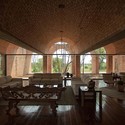
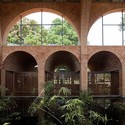
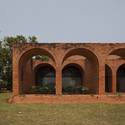
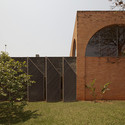
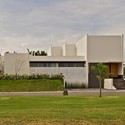
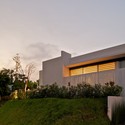
驱车漫步于城市中一片纯住宅区,远远便能望见“拱之屋”(Casa dos Arcos)。这便是著名的尼瓦尔多·博尔赫斯住宅(Nivaldo Borges Residence),它静谧地铺展在一片辽阔而平缓的坡地上,因其标志性的红砖色调而极易辨识。这里的吸引力巨大;然而令人矛盾的是,四周没有围栏或大门,反而让人有些却步。由于无法提前通报拜访,我们只好按捺住仿佛在擅闯私密领地的局促感,径直向前走去。
.jpg?1412657909 "© Flickr 用户:joevare")

.jpg?1412657922 "© Flickr 用户:joevare")
.jpg?1412657910 "© Flickr 用户:joevare")