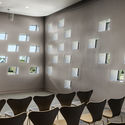
Architectural disAssociation - A reflection on the state of the education of architecture at the AA. Open discussion inviting everyone with an opinion of the school - students, tutors and alumni alike to retrospectively reflect on the state of the AA's unit system and speculate the possible future of its education. This discussion will have no panel as it is an open floor discussion.
The Lima Art Museum (MALI) announces the launch of an open competition for the design of its new contemporary art wing. The project will include new gallery spaces, a library, classrooms, workshops, a café, a public plaza, access to a future metro station, and a landscape proposal for the park where the museum is located. Our goal is to establish the MALI as a new civic and cultural platform in the city, as well as a referent for future competitions regarding the design of public spaces in Lima.
Laka Architektura invites designers from around the world to submit their ideas of architecture that reacts. That means architecture which is able to respond and adjust dynamically to the current needs and circumstances. These circumstances are often unpredictable, but their consequences can be crucial. The architecture that reacts is the architecture that lives as a living organism, since it responds to the external stimuli and it develops because of it—to react is to live.
International conference Building the Future of Health
Can the built environment help us stay healthy for longer? Yes it can! How? Find out in the city of Groningen in June 2016 during international conference Building the Future of Health. This leading conference explores the ways in which the design and quality of the built environment can contribute to our health.
Architects, designers, engineers, artists, urban planners are given a unique opportunity to win one of the three prizes of the Jacques Rougerie Foundation - Institut de France by creating innovative and ambitious projects. These architectural projects based on emerging developments and a prospective vision should address some core issues of mankind: greater environmental, industrial and technical responsibilities, while taking sustainable development principles into account.
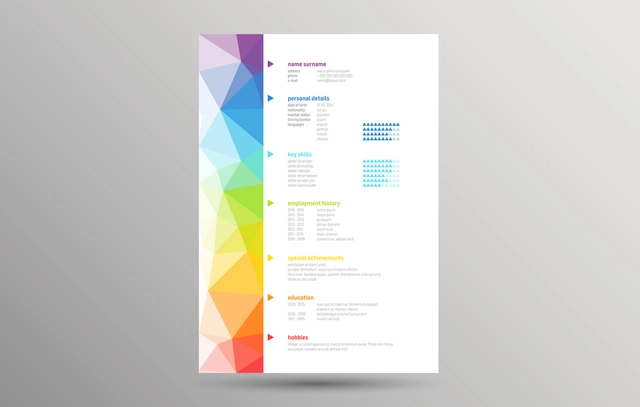
Are you proud of your resume? Not for what's contained in it—that part is super important, don't get us wrong—but for how it's visually presented and designed? Following the success of our business cards for architects post, we want our readers to share their innovative, eye-catching, well-formulated resumes (also called CVs, depending on where you live/work).
If you think your resume has what it takes to be featured in a top-10 list, then send it over!
https://www.archdaily.com/786321/call-for-submissions-the-best-architecture-resumesAD Editorial Team
We invite architecture students, professional architects and designers to take part in the international architectural contest of ideas for Siberia “ARCH_TAIGA”. The project “ARCH_TAIGA” was created as a platform for architectural contests for students and young architects. Every year our team finds a challenging task and asks designers from all over the world to find the solution.
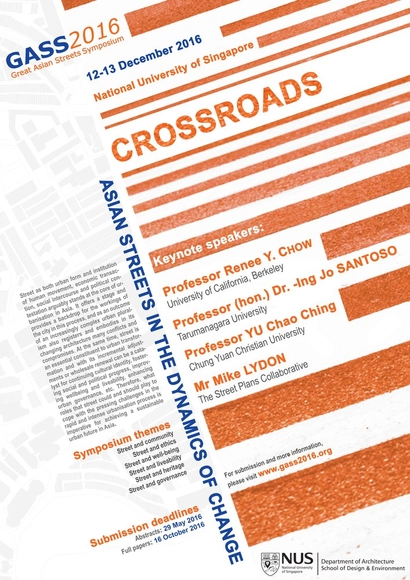
Street as both urban form and institution of human movement, economic transaction, social intercourse and political contestation arguably stands at the core of urbanisation in Asia. It offers a stage and provides a backdrop for the workings of the city in this process, and as an outcome of an increasingly complex urban pluralism also registers and embodies in its changing architecture many conflicts and compromises.
The Facade Tectonics Institute announces its 2016 Annual Conference and inaugural World Congress. The summit will include speaking and poster presentations, panel discussions, exhibitors and workshops addressing themes related to Design Processes, Historical Evolution, Facade Futures, and much more.