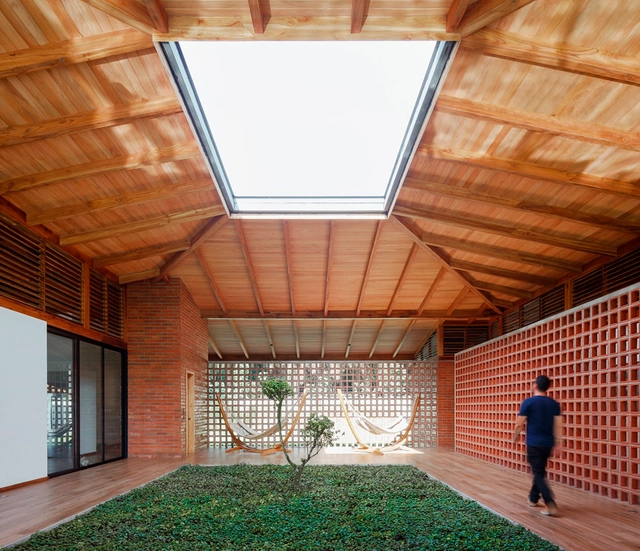
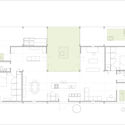

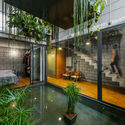
Inner courtyards and gardens can provide many benefits, such as natural light, better ventilation, and increased contact with nature without losing privacy.
Inner courtyards and gardens can provide many benefits, such as natural light, better ventilation, and increased contact with nature without losing privacy.
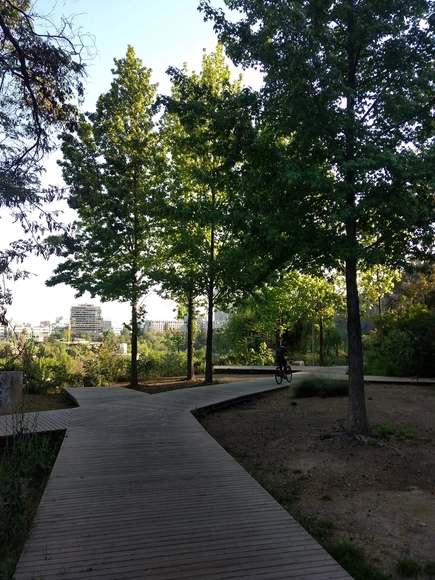
In the early modern period, Taoist monks cultivated Bonsai trees seeking to bring their beauty from the outside to the inside, considering them a link between the human and the divine. Likewise, in the 18th century, different tree-lined walks and avenues arose on the outskirts of some European cities, generating spaces for rest and socialization that were previously non-existent in cities at that time.
In cities today, trees are essential elements in the urbanization process and act as irreplaceable counterpoints to manmade constructions for spatial harmony. Choosing appropriate tree species and maintaining them correctly generates countless benefits, such as acoustic and visual insulation, temperature regulation, the generation of biological corridors, and control of wind speeds. The main mistake planners can make when choosing tree species is forgetting that they are living beings and have specific needs.
What should we consider to pick them correctly?

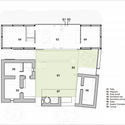
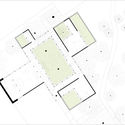
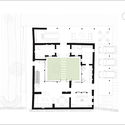
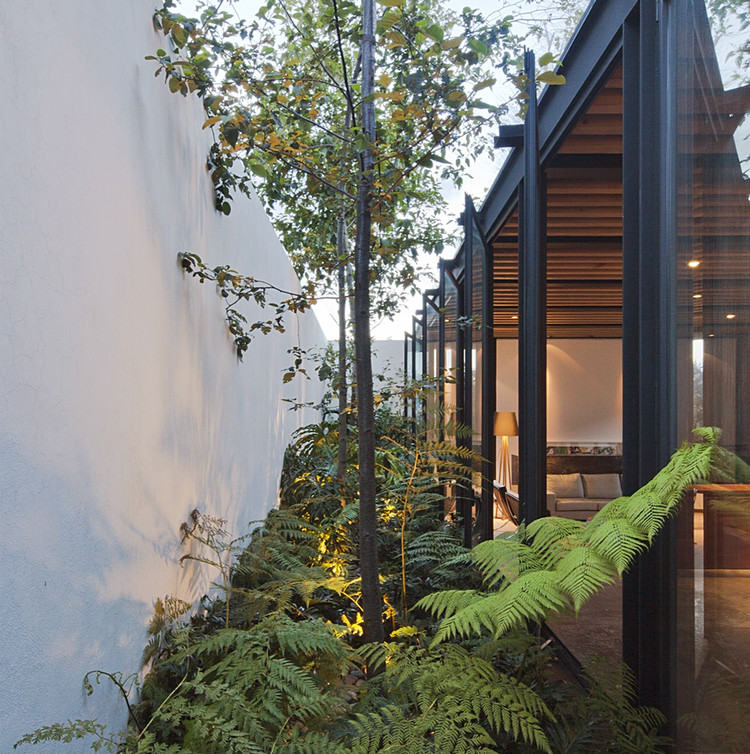
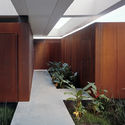
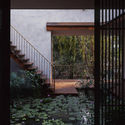
Patios and gardens play a crucial role in a project's planning and layout. In some instances, they serve as organizing elements while in others, they improve the quality of life in a space by providing light, ventilation, and a connection to the outdoors while maintaining the privacy of the inhabitants.
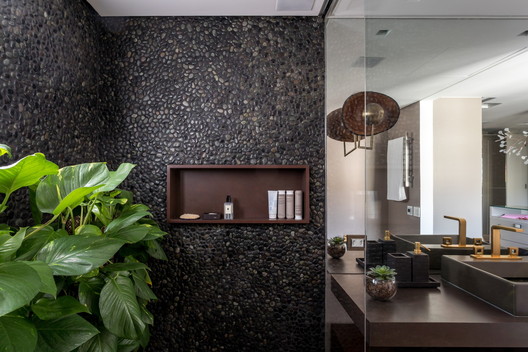
Interior design is a fundamental piece in creating an ambiance and complementing the architectural qualities of a residential project. It can either reinforce or subvert aspects of a building, create its own narratives within the rooms and also define the living spaces. Whether in renovations or designs started from scratch, creating interiors requires an understanding of the purposes and dynamics of those who will occupy the spaces. It brings architecture closer to a day to day level, in its most intimate form when it comes to housing programs.
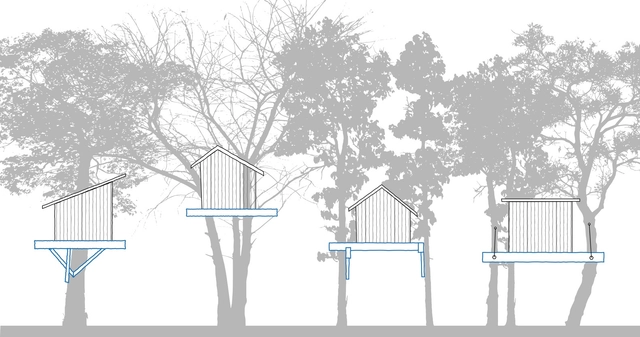
It is difficult to find someone who has never dreamed of building or having a tree house to call their own. The idea of a refuge, a space fully integrated with nature and with a privileged view, pleases almost all ages. There are examples of tree houses of all scales and complexities, from small elevated platforms to highly complex structures, including electrical and hydraulic installations. Some sites specializing in the topic (yes, that exists!), offer valuable tips for building these dreams. In general, they subscribe to the motto: "Choose your tree, make your project, but be ready to adapt it!"
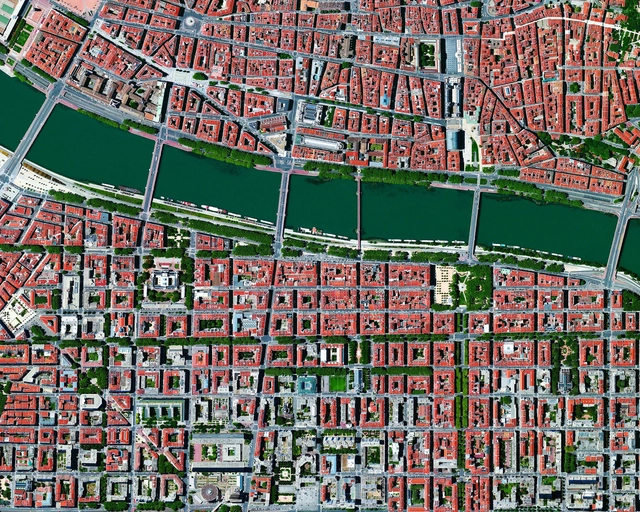
There are a plethora of benefits associated with urban green spaces, namely pollution control, temperature regulation, and biodiversity--all of which ultimately add to the quality of life of city dwellers. Like other urban common areas used for sports and recreational activities, green spaces have a direct impact on the health and well being of the residents who use them.

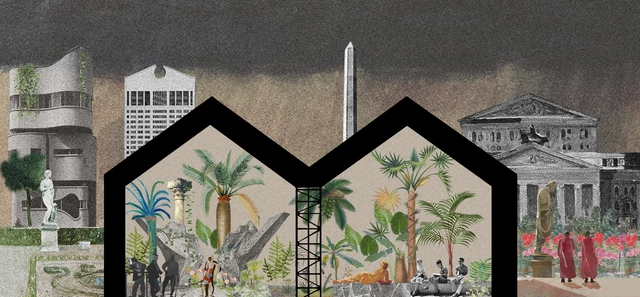
Interior gardens and plants produce many day-to-day benefits, like mood boosting and memory enhancing effects. Interior landscape design, also known as "plantscaping", is much more than the act of bringing plants indoors; it's actually about the strategic placement and selection of plant species within an architectural project to highlight and enhance aspects of spatial design.

With increasingly smaller homes and apartments, there has been a growing impulse to integrate plant species into interior spaces. But what kind of plants should be used for an environment lacking in abundant natural light? In this article, you will find some suggestions for species recommended for shaded or semi-shaded environments, an especially important distinction when we talk about interior spaces that receive little sunlight.
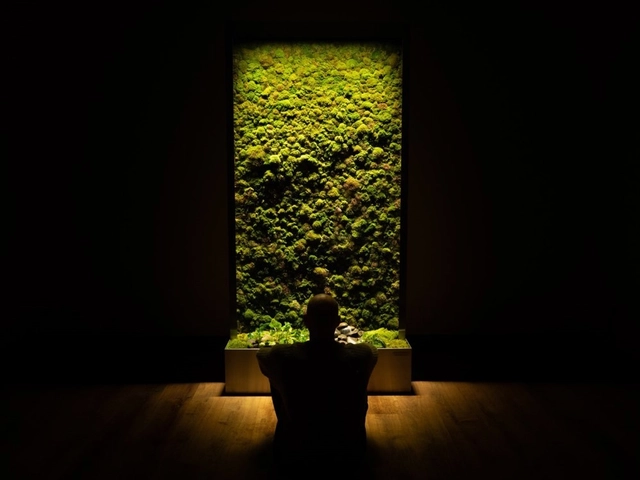
The Environmental Protection Agency estimates that Americans spend 90 percent of their time indoors. Spending that much time inside makes us feel disconnected from the outside world, affecting everything from our productivity to mental health. Not to mention physical health concerns ranging from poor circulation to airborne contaminants.
One method of rebuilding our connection to nature is by using living elements. Live moss wellness walls utilize one of our oldest plant species to improve the visual appearance of any interior environment and boost your overall well-being.
.jpg?1543806823)
In Le Corbusier's 5 points of architecture, he advocates the inclusion of flat roofs hosting roof gardens, providing valuable outdoor space for the inhabitants of the building in order to replace the ground lost to the construction of the building. But while this acknowledgement of outdoor space was important for people, Le Corbusier's sculptural concrete roof gardens were little consolation to the non-human flora and fauna that were displaced by his works.
Recent improvements in our understanding of ecosystems and the environment, as well as a better scientific understanding of the needs of plants, have changed this dramatically. In the past few decades, green roofs and living roofs have exploded in popularity, and now adorn every kind of building--from small private houses to the gigantic surface of Barclay's Center in Brooklyn.
We've collected together some excellent examples of these living roofs, including the structural detailing that makes them possible. Read on for 17 spectacular green roofs that achieve environmental benefits including reduced stormwater runoff, and reductions in energy use and the heat island effect.



.jpg?1506954757 "© Quang Dam")
_Image-MORKULNES-ARTISTSTUDIO-56201-PH_10_photo©BruceDamonte.jpg?1506955584 "© Edward Hendricks")






.jpg?1543808237)