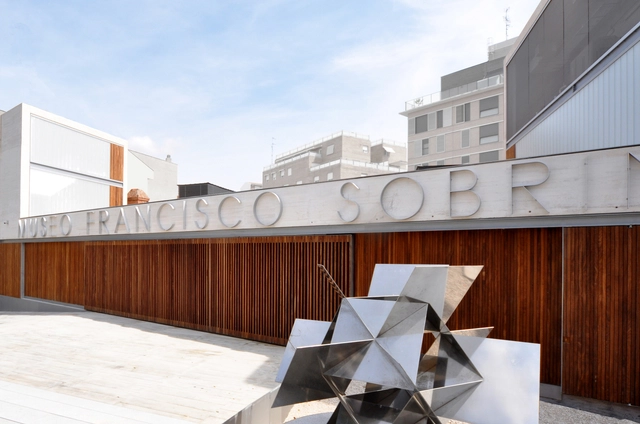
The purpose of the operation is the adequacy of the old sheds of the Matadero Municipal and the construction of adjoint spaces that allow the transformation of the whole in a museum space whose main character is kinetic sculptor Francisco Sobrino.



The purpose of the operation is the adequacy of the old sheds of the Matadero Municipal and the construction of adjoint spaces that allow the transformation of the whole in a museum space whose main character is kinetic sculptor Francisco Sobrino.
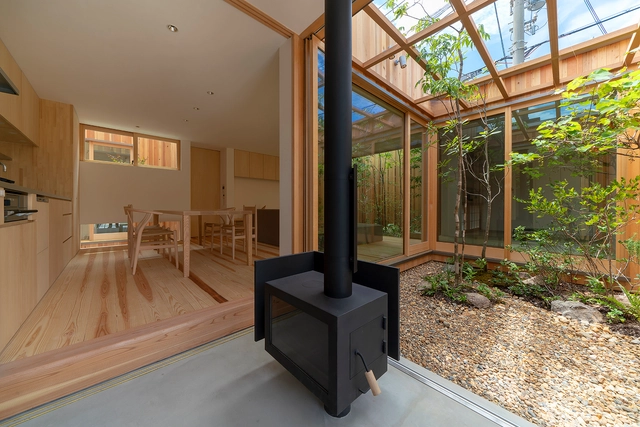
This house is located in a quiet residential area where a hill land ranging along the castle ruins of Akashi is cut out, near the center of Akashi city in Hyogo prefecture.
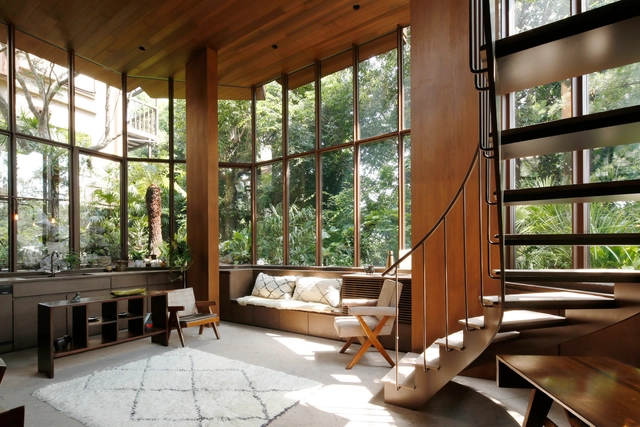
The Todoroki Ravine is a windy location. Running through a dense urban forest, the air provided near the ground is humid while dry winds constantly blow up towards the sky. The design of the house has been defined by focusing on these two contrasting environmental conditions and through the studies of primitive architectures pieces from both humid and arid areas around the world.
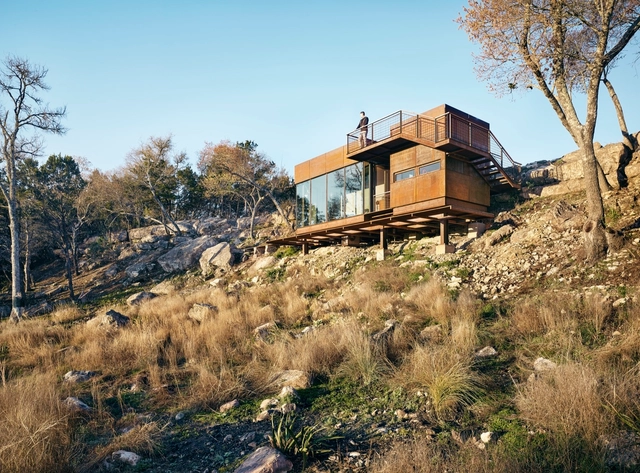
Clear Rock Lookout is a raw steel hunting blind, writing studio, and observation deck that celebrates the stunning landscape and wildlife views. The 450sf building is nestled below a limestone cliff edge, and has to be “discovered” when approached from the top of the mesa. This gradual reveal of the building strengthens the unfolding landscape panorama made possible from the unique vantage provided by the structure.
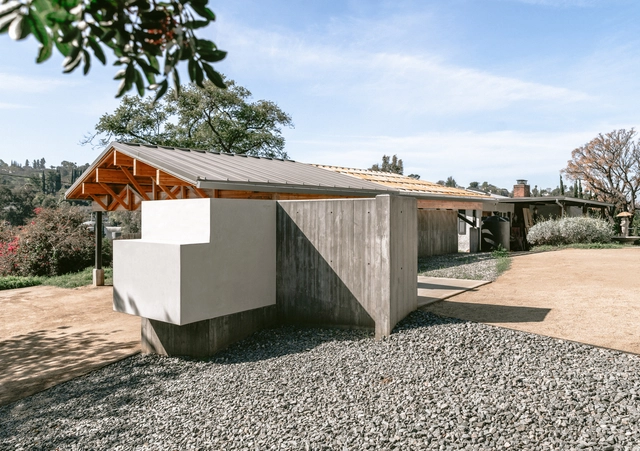
House in Los Angeles 1 is a multifaceted art studio and residential compound for a pair of professional visual artists, a painter, and a photographer. The project comprises an addition to the clients’ existing mid-century home, a guest house that provides studio space for their work, and dedicated structures for exhibitions and events during which guests can move seamlessly between indoor and outdoor space. Situated in the middle of a deep residential block in Los Angeles’s Highland Park neighborhood, the compound’s four structures are joined to the street by a long drive and scatter fluidly across the expansive half-acre hilltop lot, redefining traditionally compact, front-facing suburban architecture across Los Angeles.
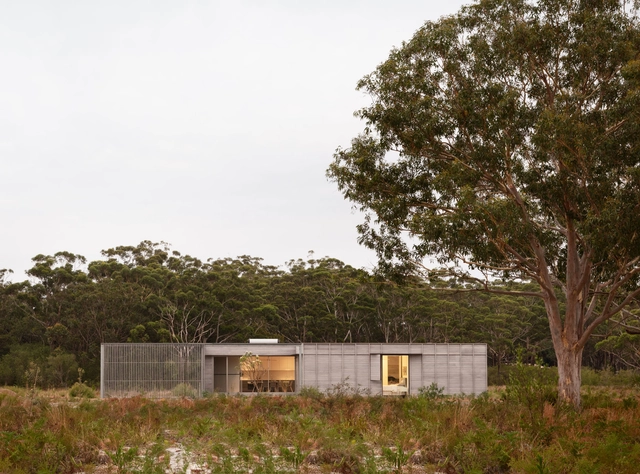
Courtyard House is a prefabricated, off grid, modern interpretation of the traditional Australian rural home. The verandah is enlarged to become an outdoor room, whilst the traditional perimeter garden is reduced to a contained courtyard to allow the house to engage more directly with its natural surroundings. A sliding screen to the rear of the dwelling allows flexibility between providing an intimate courtyard or opening up to the expansive landscape. At 96sqm the dwelling challenges the scale and notion of the typical Australian home. The building is completely off-grid, generates its own solar power, and harvests its own rainwater. Passive systems are used to naturally ventilate and shade the building.
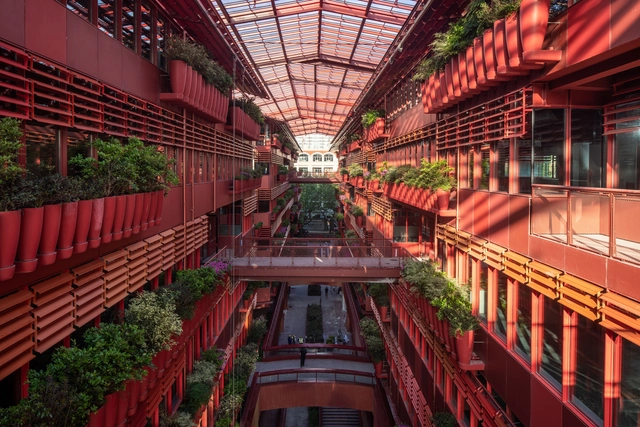
Text by Jean Nouvel.
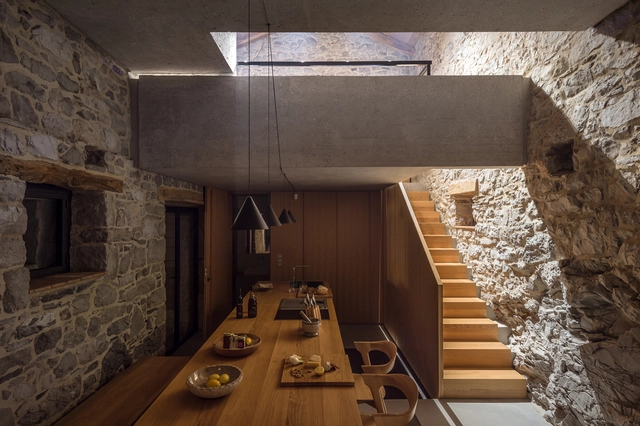
The project is located in the Karst region of Slovenia, where the climate is Mediterranean and the landscape rocky and dry, covered only by endless stretches of vine and pine tree forests.

When this project began, the client wanted the buildings to be designed based on a form found in nature. Instead of creating merely imitative forms, however, we focused on developing the spatial experience by staging views and establishing the relationship between the structures and their surrounding environment. Eventually, four houses, the Seeds, were constructed. They seemed to arise from another dimension, looking nothing like we had originally planned.
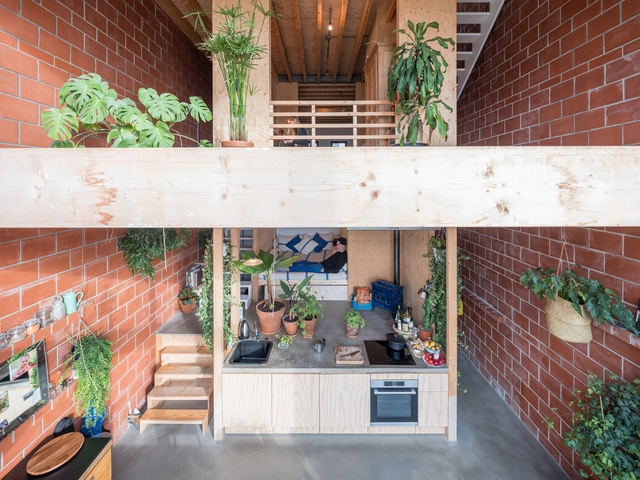
A layered house, with a special skin and a warm heart. This is the starting point for this private residence in the raw, industrial development area of Amsterdam North. House Buiksloterham consists of a single open-plan residence on four different levels.
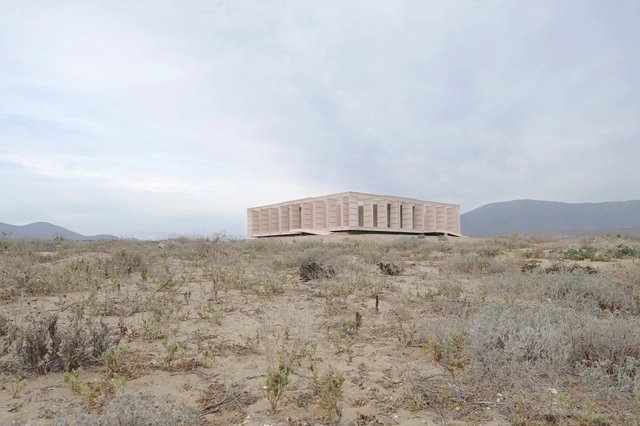
This project is by a long, open beach, on a desert dune rising in front of a wetland. It is a seasonal house to accommodate up to three couples and can be leased or bartered for the rest of the year. Its intermittent occupation and isolated location led us to think of it as a superposition of two models: the motel and the cabin. The motel suggests self-sufficient rooms served from the outside by second access, while the cabin presumes a centralized space that brings the community together. A set of 4 rooms come together in a shared central kitchen, forming a larger compact structure enclosed by mobile panels, which open different possibilities of use according to their position.
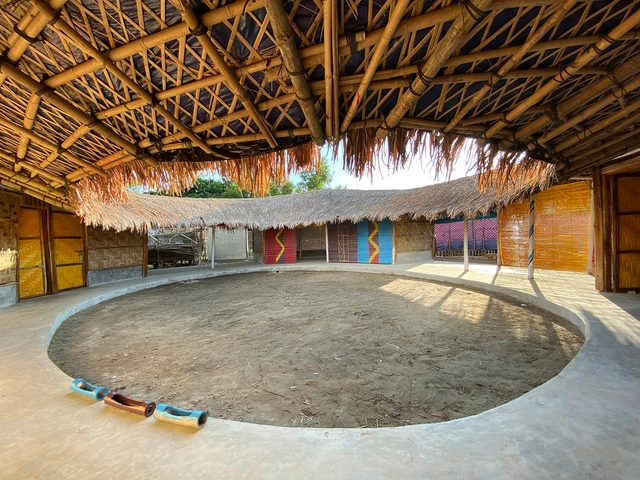
Rohingya refugees have been fighting with vulnerabilities in terms of basic shelter, health, nutrition, and emotional state for a quiet while now. One of the largest and most dense camps has become the temporary home of almost a million refugees. That includes hundreds & thousands of young minds who are going through the most vital changes in terms of age and current state.
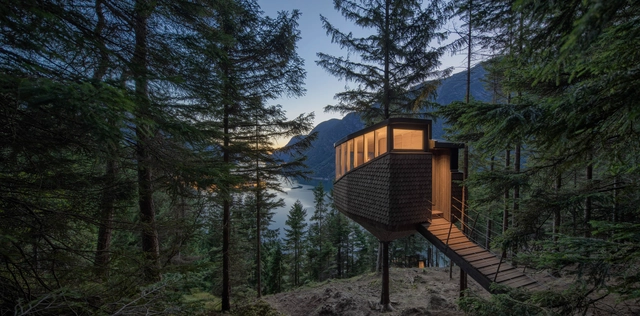
Stemming from the client’s wish to create a unique spatial experience that connects to both the ordinary and extraordinary sensation of climbing and exploring trees, our aim was to create a space that truly embodies what it means to dwell in nature.

For 10 years now, MBL architectes has been working on the progressive transformation of a former industrial mill in Boissy-le-Châtel, France, into a contemporary art venue for Galleria Continua. Started in 2013, the project aims to maintain and preserve the industrial wasteland, typical of the site. Residues of fallen down constructions, underlined by the presence of horticultural plants and the development of wild endemic species, merge and grow alongside the diversity of industrial buildings.
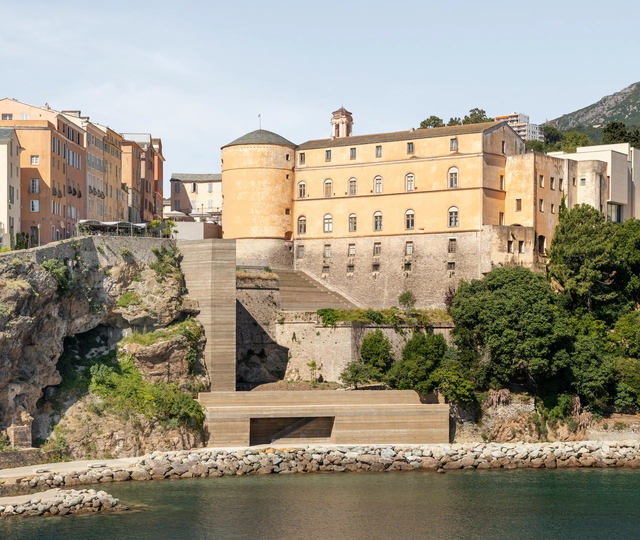
The project has three aims: first creating a pleasant link between the port and the Citadel of Bastia, second designing a theatre of greenery, and last but not least restoring the Romieu garden. The intervention takes place in the heart of the citadel on a very steep slope, and it expresses the objective of retrieving that citadel which has become a medium for a public space development between the city and the water. From belvederes to platforms, from staircases to ramps, from gardens to squares, the project multiplies the spaces of contemplation and strolls, offering visitors the choice of sequenced routes, alternating between openings on the horizon and narrowing on the rock, the walls, and the vegetation.
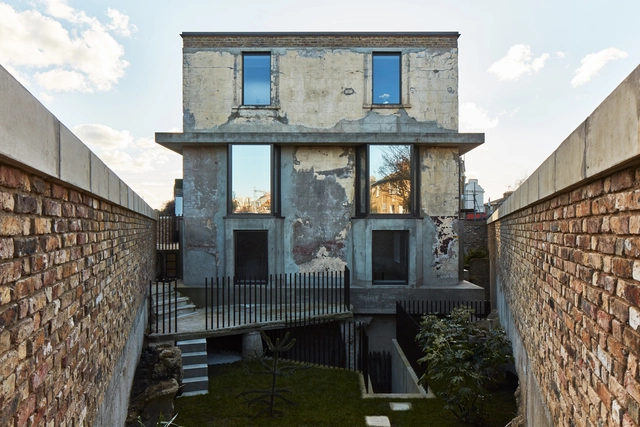
Mole House is a three-storey live-work space in the heart of Hackney, designed as a single-family dwelling for contemporary artist Sue Webster. The project came together as an exercise in excavation and retention, with Webster’s vision for the new home being strongly tied to the history and fabric of the original building. The detached Victorian house was left vacant and derelict after a 40-year long tenancy, held by a resident locally referred to as the Hackney Mole Man.
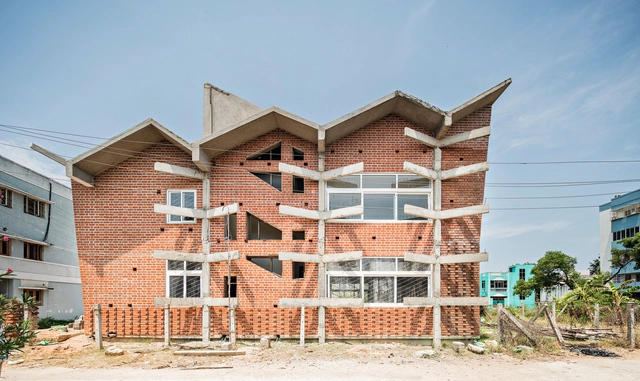
Set in a residential area of rapidly urbanizing Pondicherry, the new library building is realized as a social infrastructure facilitated through the social organization Nandalal Sewa Samithi.
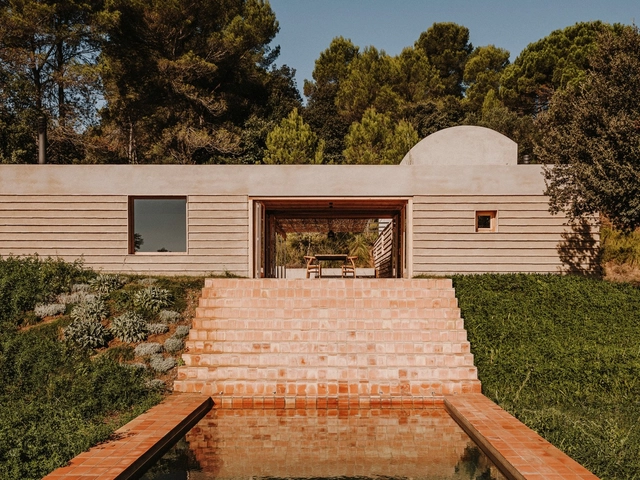
Casa Ter surges from a process of truly listing to the cultural and natural environment it inhabits. The decisions behind its shape and materiality are rooted in touching as little of the natural surroundings as possible, and interpreting the local building culture of the area (the rural fields and towns of l’Empordà), using contemporary construction techniques. Following this premise, Casa Ter aims to create a personal sense of place, in close contact with all elements it’s surrounded by.