
1. ArchDaily
  2. New Urbanism

New Urbanism: The Latest Architecture and News

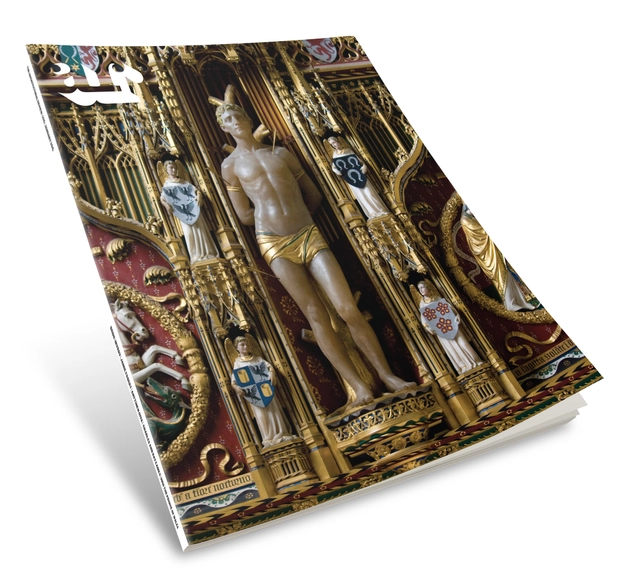
AR Issues: A Primer From the Prince

Subscriber Access | 

ArchDaily is continuing our partnership with The Architectural Review, bringing you short introductions to the themes of the magazine’s monthly editions. In this editorial from AR’s January 2015 issue, AR Editor Catherine Slessor reflects on The Prince of Wales’ ten principles for sustainable urban growth, which sparked widespread debate when they were published online near the end of December, arguing that the Prince's views are not just "some rose-tinted view of the past as the answer to the problems of modern life."

Some 25 years ago, the AR produced a special issue entitled "A Primer for the Prince". It recognised that in Britain, The Prince of Wales had come to exert a considerable influence on architecture, greatly increasing public awareness of the built environment and encouraging debate about the character of buildings and cities.

AR Issues: A Primer From the Prince - Image 4 of 4

Prince Charles' 10 "Geometric Principles" for Architecture Cause a Stir in the UK

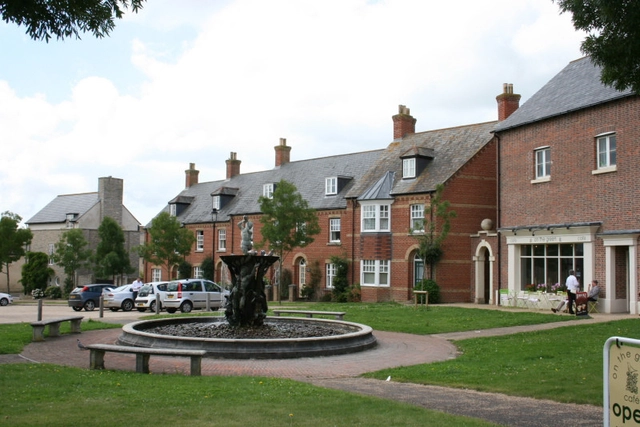
Last weekend, the Architectural Review published an article by the Prince of Wales in which he outlined his stance on architecture, reiterating his belief that a return to traditional design principles is necessary to enable sustainable urban growth that meets human needs. In the 2,000 word essay, Prince Charles argues that "we face the terrifying prospect by 2050 of another three billion people on this planet needing to be housed," adding that rather than "wanting to turn the clock back to some Golden Age" as he is often accused, he is focused on the needs of the future. At the conclusion of his article, he outlines ten principles for architecture which meet the requirements of his vision.

As is often the case with Prince Charles' pronouncements on architecture, the article has prompted a strong reaction from members of the profession, with responses ranging from Robert Sakula saying "if more people cared as much as he does we would have a better architectural culture," to the response of Birmingham City University's Alister Scott, who said "there is clear evidence of elitism and his lack of empathy with the problems facing his peasantry."

Read on after the break for more on the Prince's article and the reaction from architects

Strelka Talks: Architecture and Community / Reinier de Graaf

Subscriber Access | 

"The Community" might be the most frequently used term over the last 50 years of Architectural and Urban discourse. For decades, "the community" has served as a legitimization for anything from Team X to New Urbanism, from Celebration to "vancouverism". But what is "the community"? Where should we look for the proper definition? How did communities appear in the past and how do they form today? Can 'the community" influence the design of its own space, territoiry or context? If yes, what could be the relationship between the community and architecture in the future?

In his Strelka talk Reinier de Graaf is trying to answer these and other, even more complex questions.

Via the Strelka Institute.

Britain's Built Legacy: From "Carbuncles" to the Cutting-Edge

Subscriber Access | 
Britain's Built Legacy: From "Carbuncles" to the Cutting-Edge - Image 5 of 4
Photo of Queen Elizabeth II's Jubilee Celebrations. Photo © LEON NEAL/AFP/GettyImages

‘What is proposed is like a monstrous carbuncle on the face of a much loved and elegant friend.”

It’s easy to see why British Architects get their hackles raised when it comes to Prince Charles. The oft-quoted gem above, said in reference to a proposed extension to the National Gallery in 1984, is one of hundreds of such Architectural criticisms Prince Charles has made over the years. Which wouldn’t matter of course, if, like any average Architectural layman’s opinions, his words didn’t have much weight.

His do. They’ve resulted in the intervention, squelching, and/or redesign of at least 5 major plans over the last twenty years. But let’s not write off Charles just yet.

With the Queen’s Jubilee ceremoniously having finished yesterday, the conversation analyzing her legacy has begun. And while London’s towering, cutting-edge high rises (a la Norman Foster, Richard Rogers, and Zaha Hadid), will be the shining examples of Elizabeth’s reign – I’d like to suggest something, and raise a few hackles, myself…

Curious for more? Keep reading about Prince Charles’ unlikely influence on Architecture, after the break…