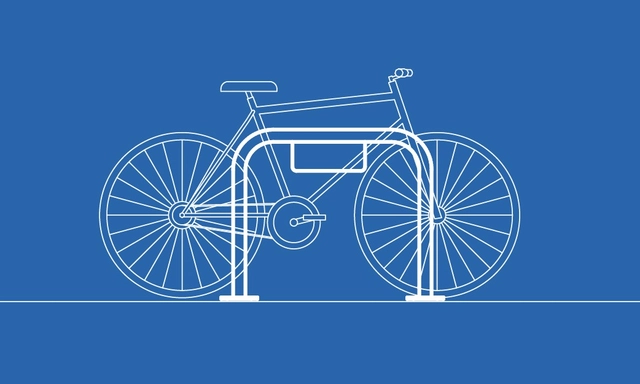
Studies show that public investment in integrated and safe cycling networks promotes urban transformation, providing more humanity, health and quality of life in urban spaces. While cities in the Netherlands and the Nordic countries have already incorporated bicycles into daily life, with a significant portion of the population using the means of transport for daily commutes, much of the world is still seeking a model to reduce congestion and increase its use. According to the Institute for Transportation and Development Policy (ITDP), investing in non-motorized transport allows congestion reduction, improves air quality, physical and mental health of residents, and local trade and brand visibility, once that cyclists tend to pay more attention to local commerce and take up less space than cars.