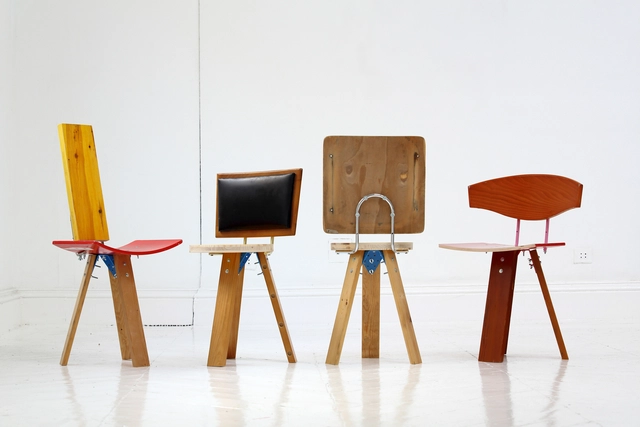
The need to substantially reduce our impact on the planet must be translated into a significant change to our lifestyle and habits. One of these is to consume responsibly and consider that waste does not exist, but that all material can be transformed into something useful again following a circular ecological system.
https://www.archdaily.com/916482/upcycling-wood-disused-materials-transformed-into-valuable-and-useful-objectsAD Editorial Team
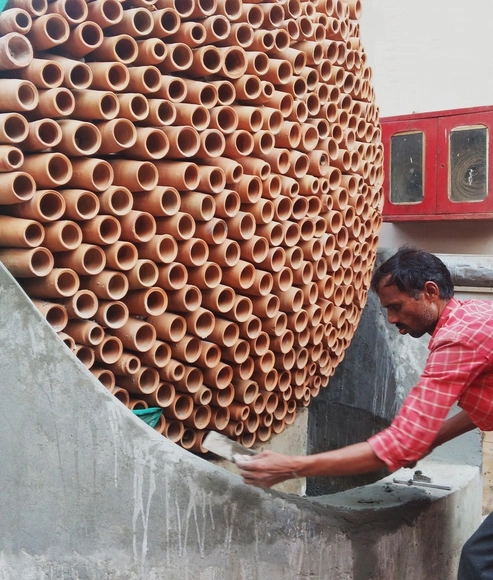
This installation is a bespoke attempt to simplify and reinterpret the concept of air-conditioning, understanding that standardized solutions may not be universally applicable given the constraints of cost and surrounding environment. Using computational technologies, the team at Ant Studio has reinterpreted traditional evaporative cooling techniques to build a prototype of cylindrical clay cones, each with a custom design and size.
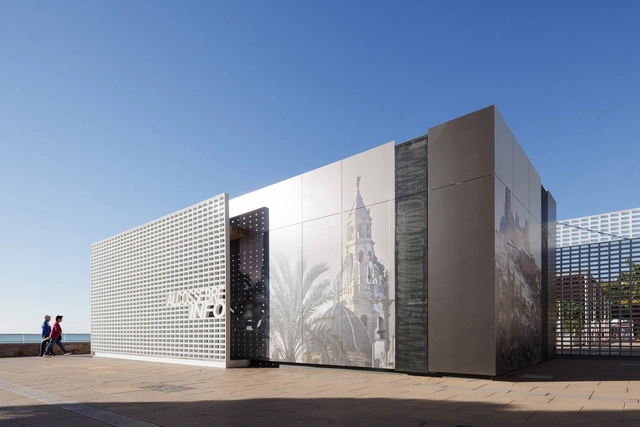
The ventilated façade is a construction solution that uses a double enclosure distanced from each other by a support structure to generate an air chamber for ventilation. This operation creates a chimney effect that activates air currents by convection, improving the acoustic and thermal insulation of the building, and increasing its energy efficiency.
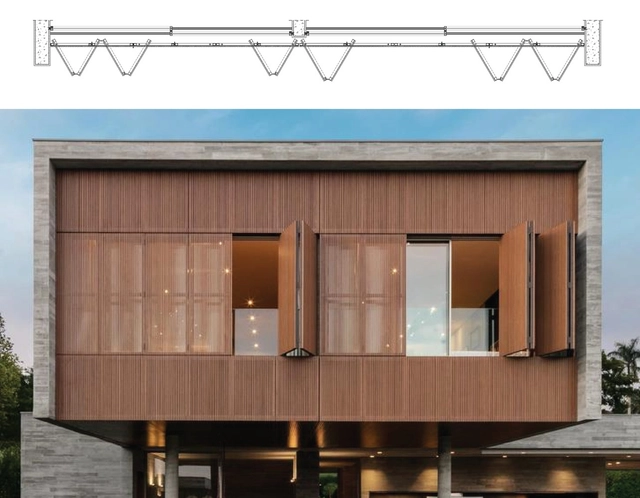
As ingenious solutions for environments that require additional space and ventilation, articulated or accordion doors and windows operate by folding their leafs one over the other and onto the sides of the opening. They moving via upper and lower rails which can be embedded into masonry and allow separation and integration rooms while adding aesthetic value to the project.
This system generates a similar effect to that of a sliding door or window, but it differs in that all its leafs remain in the same plane when they are closed, giving a clean appearance to the façade.
Modular coatings for facades and enclosures typically deliver fast and efficient solutions. However, many times they lack richness and character since they are repeated infinitely, without relating to the architectural design and its different functions and requirements.
This video tutorial will teach you how to create detailed, 3-D environments from images taken by drones, using Photogrammetry to better contextualize our architectural projects.
https://www.archdaily.com/916230/how-to-create-3d-environments-from-images-taken-with-droneArchDaily Team
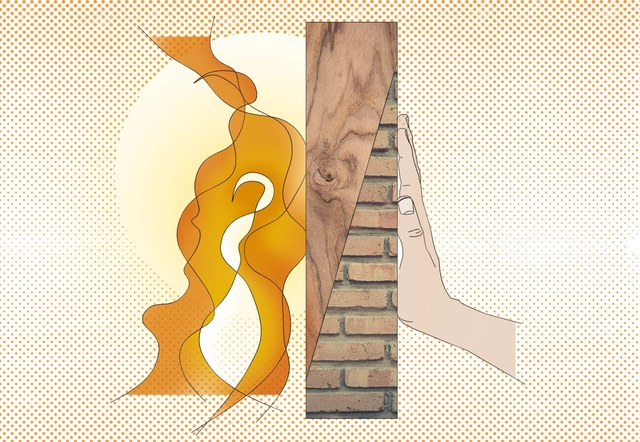
In case of fire, protecting the lives of people is the most important. All occupants of the building should have the opportunity to evacuate on time, and the time available depends largely on the materials chosen and their behavior during fire exposure.
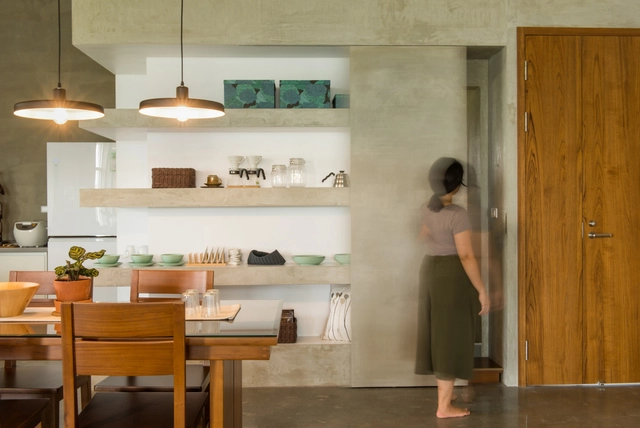
The Second Floor, as it’s named, is situated on the second floor of a teak furniture show house. It is the residence of the show house owner, overlooking the show house on its balcony.
https://www.archdaily.com/871272/the-second-floor-atelier-boter胡天宝 - HU Tianbao
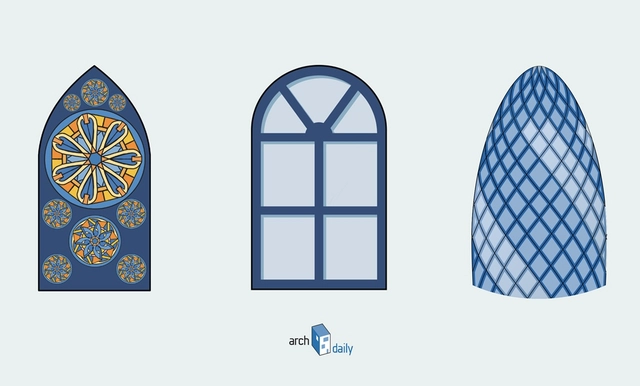
Glass is so present in our lives that it’s very difficult to think about the amount of work, experimentation and technologies behind each panel or glass object. It’s also impossible to separate innovations from modern architectural projects –from architects such as Mies Van der Rohe and Le Corbusier– from the advances of the glass industry.
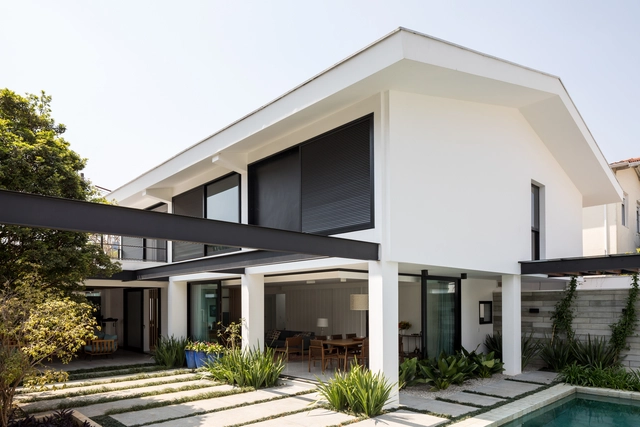
The original house dated from the 60’s, is located in Moema, São Paulo, a traditional and very green neighbourhood, close to the Ibirapuera Park. The new language established by the remodelling, appears initially in the external wall. Elements in concrete and black metal completely modified the appearance of the entrance. On the front facade of the house the choice made was the U-glass system which allows the entrance of light as well as it guarantees privacy. Punctual openings with conventional frames have brought the garden to the inner part of the house.
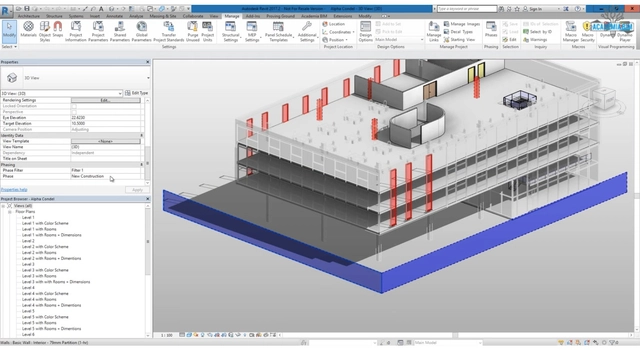
When you start to consider implementing the BIM (Building Information Modeling) methodology, whether as an independent professional or as a construction firm, it's necessary to take into account three key aspects: the technology, the process, and the people who bring it all together. In this article, we will address the key points in every one of these three aspects in order to give you insight into how to best start using BIM.
Denver Botanic Gardens / Burkettdesign. Image Courtesy of Swisspearl
At the start, train cars stand ready with cement and bales of fibers. A machine processes the mixture layer by layer into panels of the desired size and thickness. However, some specific production knowledge must be considered in the manufacture of the building material. Marco Ziethen, Swisspearl’s head of production technology, explains us the fabrication process of fiber cement.
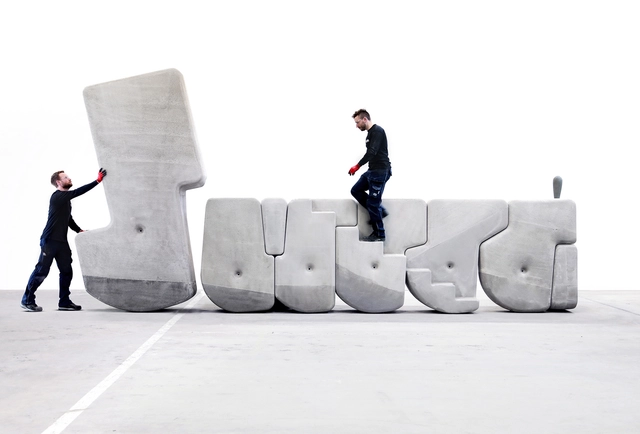
Matter Design Studio has partnered with CEMEX Global R&D to challenge the relationship between the mass of materials and the physical effort of contemporary construction practices, exploring the movement and assembly of heavy objects on a real scale, manufactured using advanced computing. The objective of Walking Assembly is to eliminate the crane from the constructive equation, transferring the effort from people to objects, freeing them to play with the mass.
https://www.archdaily.com/915358/these-smart-megalithic-stones-can-move-and-assemble-easily-with-the-handsAD Editorial Team
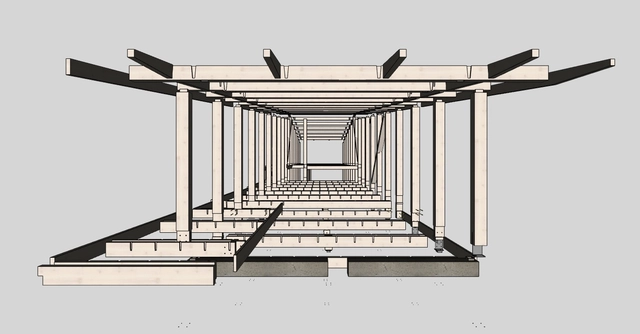
New technology in digital building, particularly Computer Numerical Control (CNC) systems, are changing the way that we design and build wooden structures. Their high level of precision allows us to design perfect assembles--without screws or visible metalwork--resulting in structures that are durable, easy-to-build, and extremely well-organized. We spoke with the experts at Timber to better understand the process of building a wooden structure and to compile a list of key tips in designing one.
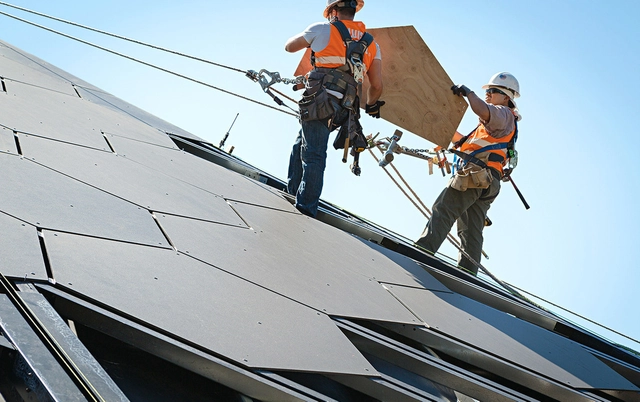
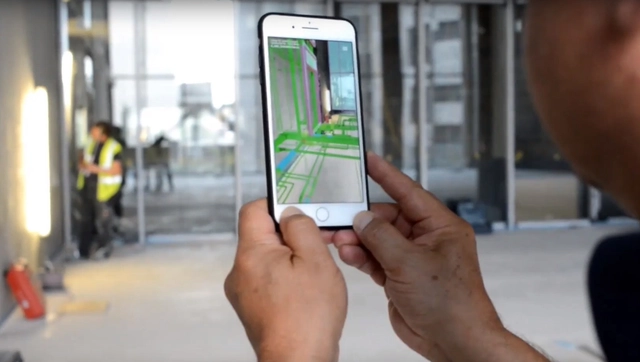
A technological innovation is revolutionizing one of the oldest professions in the world. Augmented reality has just broken onto the scene and has already been transforming civil construction. The changes are seen not only in designing and modeling, but also in building. Augmented reality benefits the entire construction team: engineers, designers, architects, project managers and service providers.
As a French patisserie, the owner came up with a mystical name called A.Mono (Arrival to Mono), ‘mono’ originated from a Japanese aesthetic theory (Mono-ha), which emphasize the relationship between one object to another. Applying this theory onto this building, human can be considered as one of the ‘object’, same to nature, therefore the relationship between human, object and nature, these three elements become the foundation of the design.
https://www.archdaily.com/914556/a-mono-project舒岳康 - SHU Yuekang
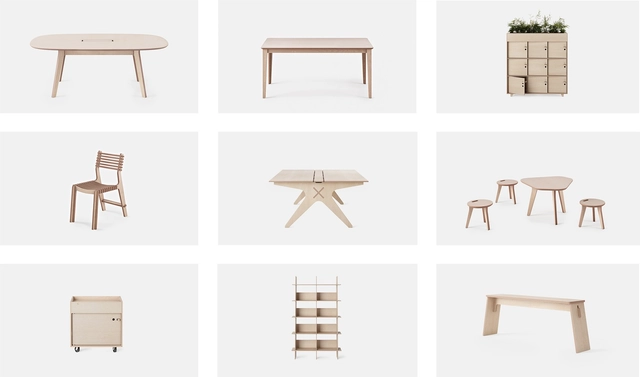
Let's suppose you need a bookcase. Years ago, you would probably search the furniture stores or antique shops in your town. Today you are more likely to open dozens of tabs on your web browser to compare prices and models. But there is another option that is becoming increasingly popular: open source furniture.