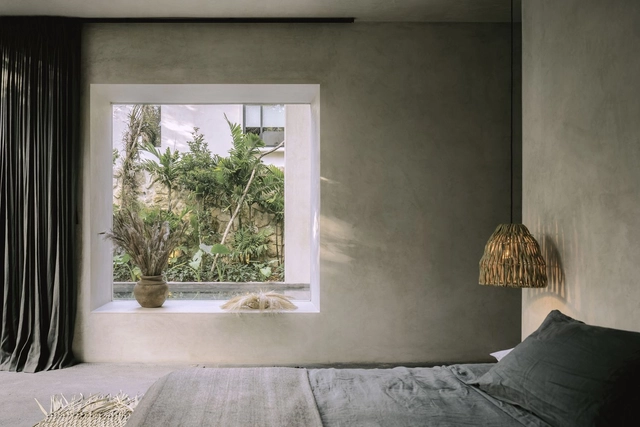
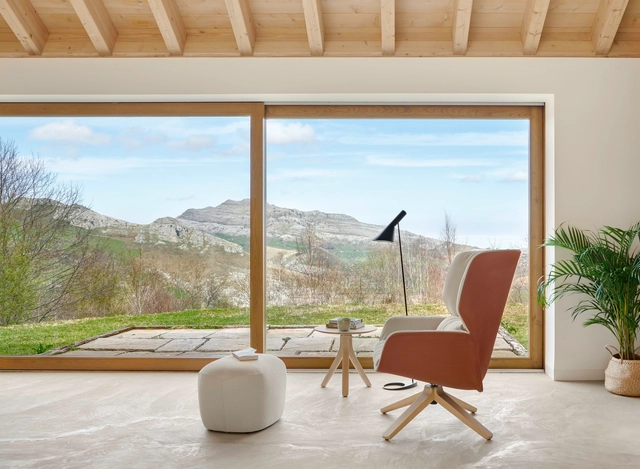
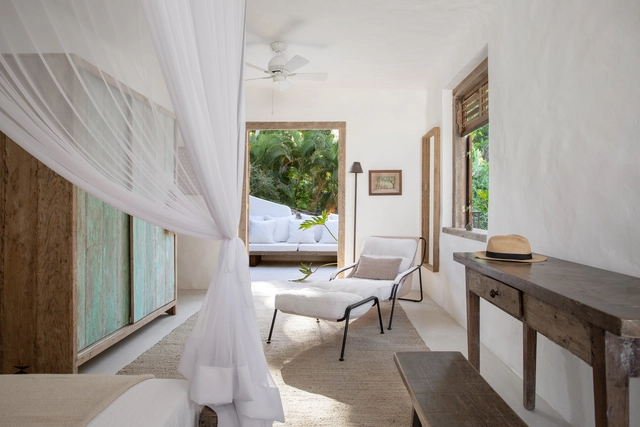
Windows are the elements that connect us to the outside world. It is from them that views are framed, privacy, lighting and natural ventilation are defined. Nowadays in the construction market we find different types of openings. Find out how to choose the type that best fits your project needs here.
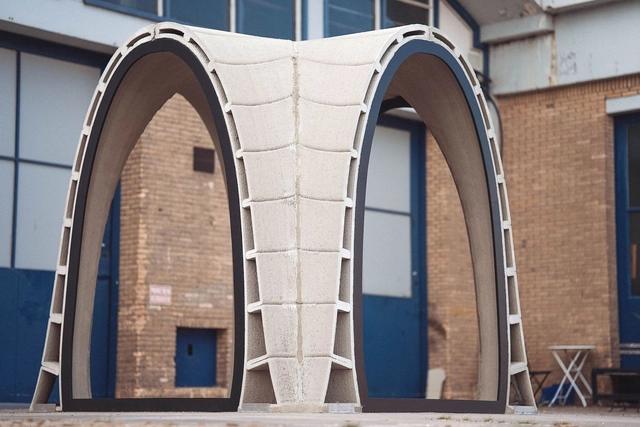
When browsing the 3D printing tag on ArchDaily, it is clear that this technology has developed at an incredibly fast pace. If in the early years we observed the concept as a distant possibility for the future or with small-scale examples, in recent years we have observed entire printed buildings and increasingly complex volumes being produced. Developed by reading a computer file, the fabrication is carried out through additive manufacturing with concrete - or other construction materials - and presents numerous difficulties in providing an efficient process that enables the constructive technique to become widespread. The pavilion printed by the Huizenprinters consortium, for example, illustrates this process well.
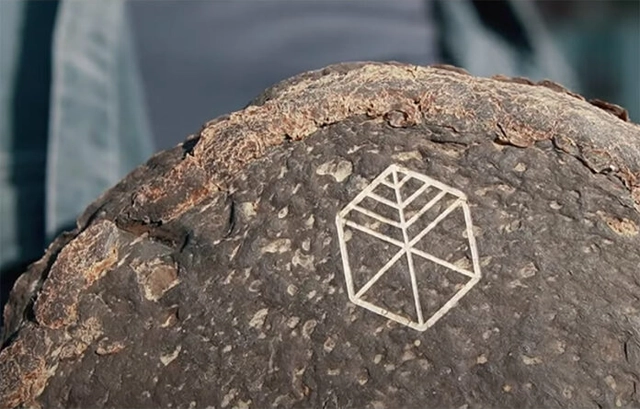
Forests cover about a third of the planet and play a fundamental role for life on Earth. According to Peter Wohlleben, author of the book “The Secret Life of Trees”, through fungal weaves, specimens of a forest can communicate with each other, exchange nutrients, help out the weakest plants, and organize survival strategies, which is essential for the healthy growth of individuals. The preservation of existing forests and the creation of new ones are essential for biodiversity and natural recovery, but also to meet the demand for wood. According to a report by the WWF (World Wide Fund for Nature), it is estimated that the amount of wood harvested in the world will triple by the year 2050, with the increase in population and income in developing countries. In addition, it is estimated that there will be an increased use of wood to manufacture biofuels, pharmaceuticals, plastics, cosmetics, consumer electronics and textiles. Searching for wood substitutes can be a smart path towards a sustainable future, especially if the alternatives are made using waste generated by other industries. Pyrus, for example, is an oil-free wood material produced sustainably with bacterial cellulose waste repurposed from the kombucha industry.
Without a doubt, pivot doors are more in style than ever. Rotating on a vertical axis with nearly invisible components, these swinging doors are characterized by their clean lines, contemporary aesthetic and endless design possibilities – features that make them ideal for a wide array of applications, especially as grand design statements. They particularly stand out, however, for their beautiful and elegant movement that allows smooth transitions between spaces, setting them apart from regular hinged doors. To ensure that this characteristic motion is achieved, two steps are indispensable: selecting high-quality hardware and installing it properly.
Contemporary challenges and developments in technology inevitably trigger changes in the way we design and build our cities. SUMMARY, one of ArchDaily's Best New Practices of 2021, is a Portuguese architecture studio focused on the development of prefabricated and modular building systems. Striking a balance between pragmatism and experimentalism, the firm develops prefabricated solutions in order to respond to a driving challenge of contemporary architecture—to speed up and simplify the construction process. Founded in 2015 by the architect Samuel Gonçalves, a graduate of the School of Architecture of the University of Porto, the studio has presented at prominent events such as the 2016 Venice Biennale. We talked with Samuel about the firm's practical experience in prefabrication and modulation, as well as their experiments and forays into research.
Since the early 2000s, it has been widely reported that the construction industry accounts for nearly 40% of the planet’s CO2 emissions. The role of interiors in that percentage has been historically underestimated, with common statistics suggesting that a project’s furniture, fixtures and equipment are only responsible for about 7 to 10% of its overall carbon footprint. However, new research notably indicates the contrary: in a building’s average life span, the carbon footprint of its interiors will equal – if not exceed – that of the structure and envelope. Interior design, to the surprise of many, has actually been doing great harm.
BUGA Pavilhão de Fibra / ICD/ITKE Universidade de Stuttgart. Image Cortesia de ICD/ITKE University of Stuttgart
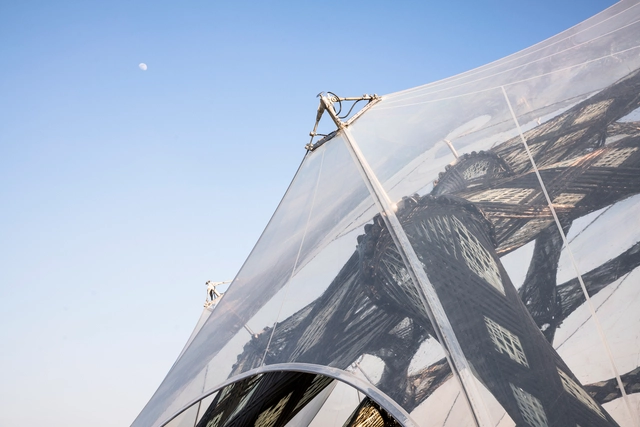
Let us return to the first architecture class on structures and the classification of structural efforts. In most structures, whether natural or man-made, compression forces are the primary actors. These are efforts undertaken with equal and opposing loads, applied in the interior of the structure, which tend towards the shortening of the piece in one direction - or compressing it, as the name indicates. It is not difficult to find examples of this: for example, a stone wall or a wooden log can resist the weight of a covering through internal compression efforts that are inherent to each material. Tension efforts, on the other hand, tend to lengthen components in the direction of the applied force of action. Steel, for example, is a material with good tensile strength. It is used in reinforced concrete precisely in the parts where the piece is in traction. But it is also possible for a structure to only have tensile parts, as is the case of membrane, tensioned, or tension structures, which consist of surfaces pulled by the action of cables or ropes in which the masts absorb compression efforts.
Kitchens as we know them today have functionality as their main feature and for that their space was historically organized from an industrial logic. The development of home appliances and the precise definition of the layout guarantee a functional floor plan and the optimization of work in the kitchen. As part of this layout we find the worktops, horizontal half-height surfaces that have multiple uses and, therefore, many possible configurations.
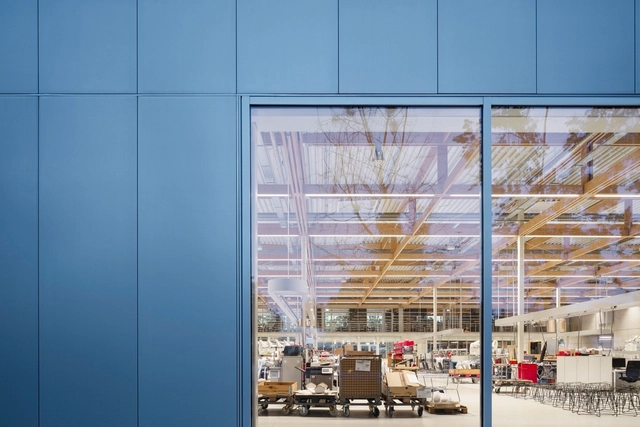
Metal façades give buildings an air of sophistication and modernity. They also bring a cleanness to the façade, due to their precise fabrication and well-resolved connections between other materials and building elements. There are currently multiple product options available for coatings, offering extensive colour options, including metallics, with different levels of durability (natural aging and corrosion). One of the main issues when approaching metal façades is the risk of corrosion, which can create points of weakness in the material and interfere with the aesthetics of the building. So, with this in mind, what do architects need to focus on to ensure that building envelopes age gracefully, while maintaining aesthetics and performance over time?
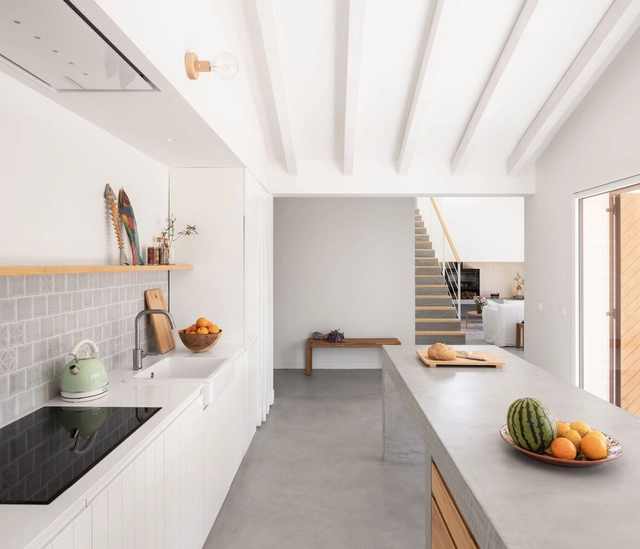
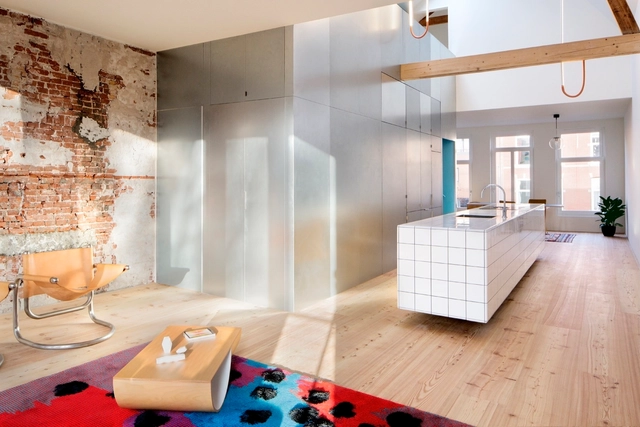
Islands are an essential part of any larger kitchen layout, increasing counter space, storage space, and eating space as well as offering a visual focal point for the kitchen area. Serving a variety of functions, they can be designed in a variety of different ways, with some incorporating stools or chairs, sinks, drawers, or even dishwashers and microwaves. To determine which elements to include and how to arrange them, designers must determine the main purpose or focus of the island. Will it primarily serve as a breakfast bar, a space to entertain guests, an extension of the kitchen, or as something else? And with this function in mind, how should it enhance the kitchen workflow vis-à-vis the rest of the area? These considerations, combined with basic accessibility requirements, necessitate that the design of the island be carefully thought out. Below, we enumerate some of the essential factors of kitchen island design.
https://www.archdaily.com/937416/how-to-design-functional-and-multipurpose-kitchen-islandsLilly Cao
Artificial lighting plays an essential role in spatial quality. Badly thought-out lights can disrupt an architecture project and even bring harmful effects to occupants' health; while a well-balanced luminotechnic project can highlight positive aspects of the surroundings and make it much more enjoyable. Generally, however, projects tend to be too rigid and not in-tune with the flexibility of contemporary spaces. In addition, a badly made lighting decision can be complex and expensive to rectify. For example, electrical points in slabs, linings or walls are not easily modified if the distribution of a space is changed. At most, when this is resolved with hanging or free-standing lamps, we end up having to deal with bothersome electrical wires throughout the space.
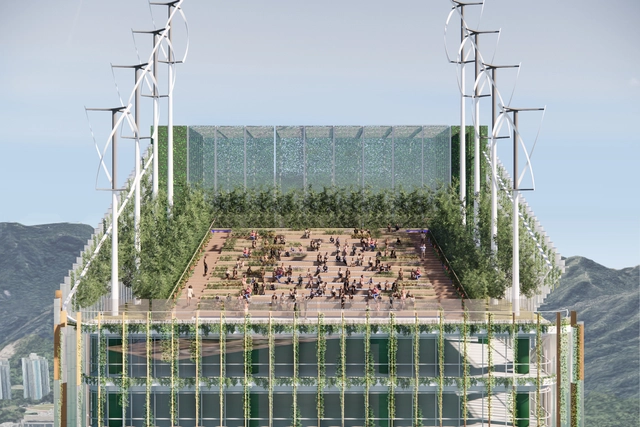
Torre Taikoo Green Ribbon / ARUP. Image Cortesia de ARUP
Discussing carbon neutrality in architecture should not only be based on local materials and new technologies, since there are many aspects that impact the construction production chain. From design to construction, without losing sight of the context and economic system of our society, the construction industry is responsible for a considerable part of the energy consumed worldwide. In order to interfere in this reality, it is necessary to expand the fronts of action, questioning the place of construction in our society.
Cladding systems have important functions in buildings. They can confer thermal insulation, protect internal spaces from the weather and–just as important–give the building a "face", improving its appearance and clearly identifying the element of design. "Cladding" refers to the components that are linked to the structure of a building to form non-structural external surfaces. While in the past wooden cladding was the only option, there are currently multiple possibilities of materials, colors, weights, textures, anchoring systems, and many other variables available. Below, we outline some of the main materials used for façade cladding, and the projects that use them in a remarkable way:
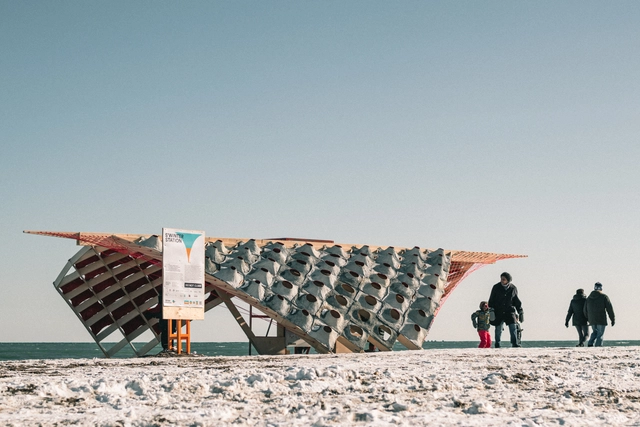
Cortesia de S'Winter Station - Ryerson University – Department of Architectural Science
The construction industry has experienced severe changes in recent decades. Historically, it counted on abundant labor and a false notion that natural resources were infinite, but nowadays the sector has struggled to find innovations that will allow it to become more sustainable, especially considering its enormous impact and importance in the world. In addition, the recent Covid-19 pandemic changed several factors and dynamics, demanding creativity from designers to overcome challenges. In some cases, the design process itself became subject to changes. The S'Winter Station project, developed by students and teachers of Ryerson University's Department of Architectural Science, is one of these examples which relied on existing visualization and manufacturing technology for its completion.
Cube / HENN Dresden University of Technology. Courtesy of Iurii Vakaliuk
Seen as one of the great promises for the future of construction, carbon concrete mixes strength, lightness and flexibility. In addition, at a time marked by a serious environmental crisis that puts the construction methods of the industry in check, carbon concrete emerges as an alternative that approaches the guidelines of sustainability.
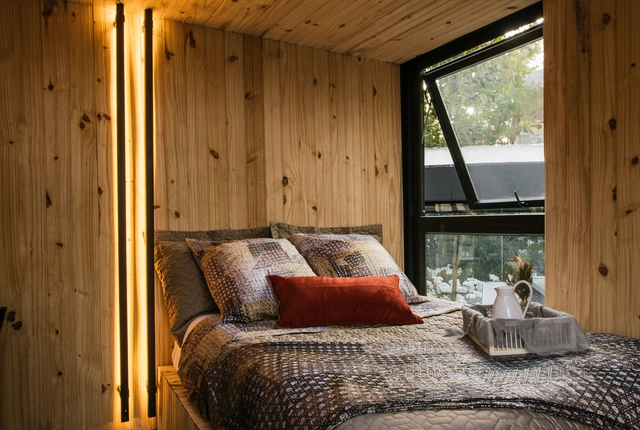
Plywood, laminated timber, MDF sheets and OSB boards are all good, can be economically viable and efficiently fulfill certain functions, but none of them offer the same atmosphere as solid wood. The nobility of this material is usually accompanied by a high cost, but the aesthetic and sensory qualities are unparalleled.
https://www.archdaily.com/979185/solid-wood-furniture-in-interior-architectureEquipe ArchDaily Brasil
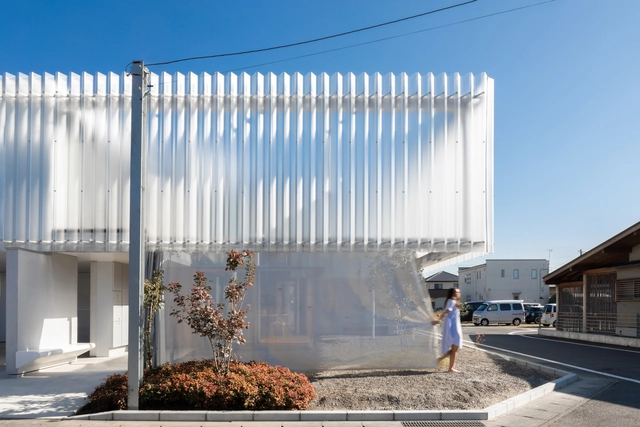
Whether blending in or standing out, embodying transparency or solidity, expressing coarseness or softness, a façade is the medium through which we engage with architecture. It tells a story and can often set the tone for the rest of the interior. But apart from defining a purely visual experience, a building’s envelope must also be practical, durable and have the ability to properly manage natural lighting and ventilation needs. After all, by being the point of contact with the outside, it is responsible for mitigating sounds and providing protection from climatic conditions, such as wind, rain, heat and humidity. Therefore, when designing a facade, it is important to consider a balance between performance and a beautiful aesthetic. Of course, many materials successfully meet these criteria. But when it comes to creating a comforting, light-filled ambiance while ensuring resistance, ease of installation and versatility, the properties of translucent polycarbonate panels seem to be unparalleled.
PVC, as the synthetic material Polyvinyl Chloride is called, or Polyvinyl Chloride, is one of the most produced plastics in the world, reaching 40 million tons per year. Its application is quite varied and in construction it has found different branches, serving both as an input for infrastructure and for finishing.