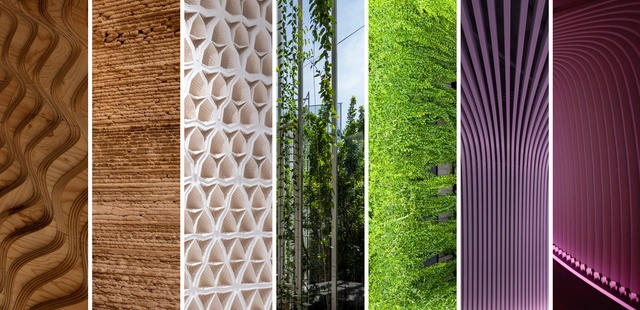
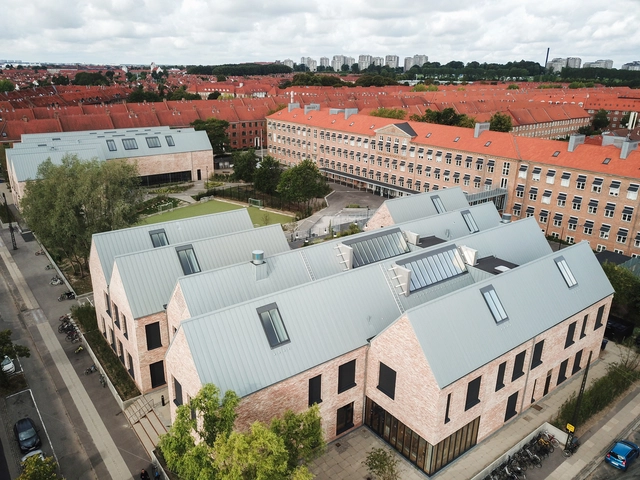
How are contemporary homes pushing the boundaries of innovation for the future? Currently, these spaces tend towards clean lines, neutral colors and flexible spaces, with the integration of technological features and automation. But even though there are certain timeless features that define neutral contemporary interiors, we can begin to identify future trends by analyzing architectural projects that differ from the traditional, recognizing disruptive interior materials and finishes guided by technological advances that are shaping complex and changing homes of the future. The selection of these innovative materials conveys a meticulous decision process in building the structure and identity of a space. Depending on the context and typology of a space, there is a growing awareness of how materials impact an environment, and how new technologies are creating smart solutions that can mitigate their effects indoors.
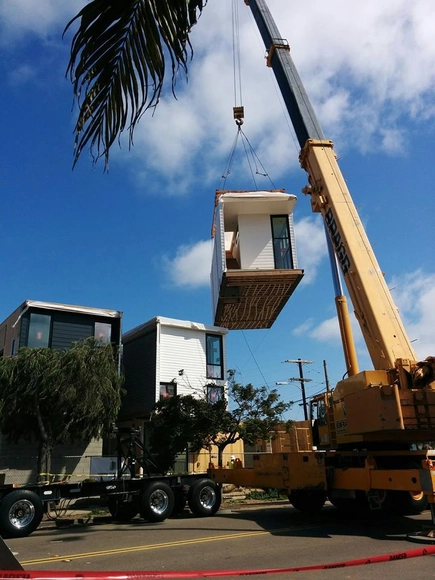
As every professional in the building industry knows, construction can be a costly and endlessly time-consuming endeavor. Delays are almost more frequent than on-time construction, and can be induced by extensive bureaucratic requirements, weather and other unexpected circumstances, inadequate planning, too few personnel, or a whole host of other causes. Lengthy construction projects can also negatively impact public perception of a project even before it has been built, especially if the projects experience delays or inconvenience those who live or work close to the building site. Moreover, some projects simply need to be built along a faster timeline than is typically feasible for a traditional construction project. Thankfully, there exists a solution for those seeking to drastically reduce construction times: modular construction.
https://www.archdaily.com/949219/why-choose-modular-constructionLilly Cao
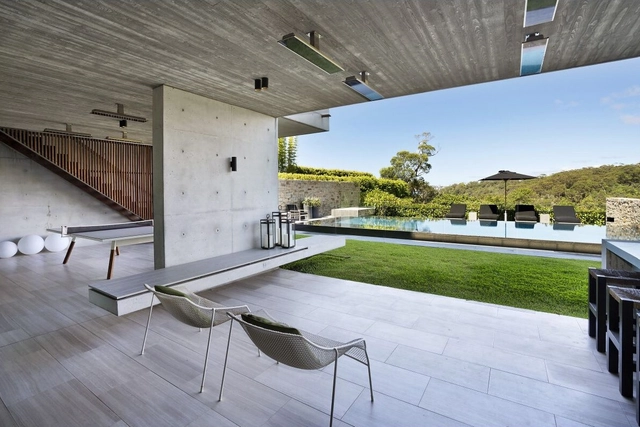
Bromic's Platinum Electric heater series ceiling mounted using 8" pole. Image Cortesia de Bromic
Outdoor dining and activities have gained increasing appreciation in recent years. We value the sense of freedom and adventure, and the possibility of socialization that they provide, as well as the connection with nature. As a result, outdoor spaces are becoming more popular in residential and commercial designs, as new features made specifically for these types of spaces can enhance the comfort and well-being of occupants. This is because when dealing with nature there can be a variety of inconveniences related to weather, such as wind, rain, or cold temperatures. In order to properly enjoy these areas all year-round, solutions can usually include outdoor heating. However, typical heaters tend to have clumsy and old-fashioned designs, detracting from the careful design of the rest of the environment.
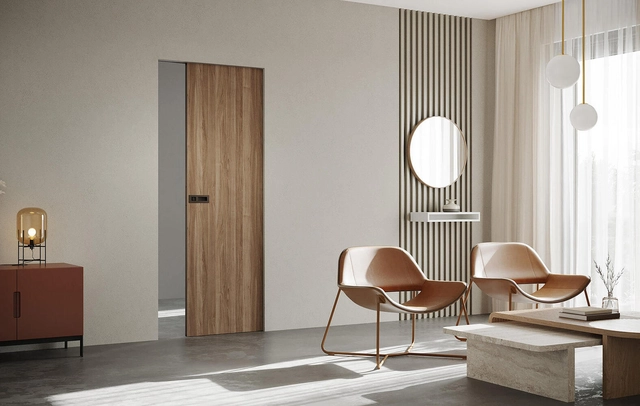
Sliding pocket doors save space and disappear within walls to create effortless connections between adjacent rooms. Image Courtesy of Ermetika
In an ideal world, doors could seamlessly disappear and reappear, creating connections and barriers when needed to provide the ultimate flexibility. Domestic interiors increasingly combine work and leisure, requiring both conviviality and solitude, and the same is true of workspaces, which increasingly feature adaptable ways to link different zones and activities. Tried and tested spatial concepts such as open plan or many small, cellular rooms are no longer sufficient as, on their own, they do not provide real flexibility and adaptability.
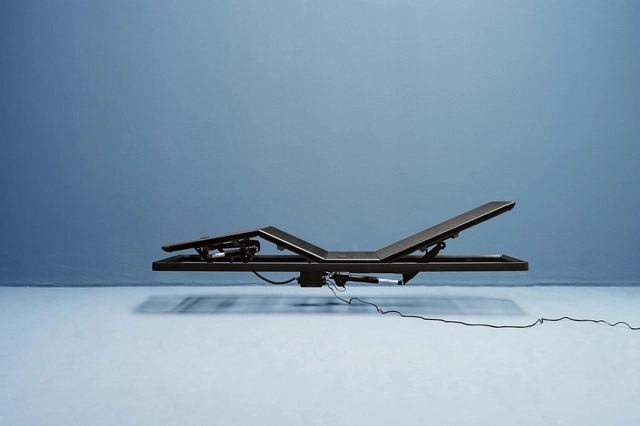
Smar base 2M. Image Courtesy of Koninklijke Auping
Have you ever woken up and asked yourself how many hours you actually slept? Nowadays, a variety of devices such as smartwatches or smart bands are available to track your sleep, recognizing certain patterns to interpret your circadian rhythm and boost rest quality.Besides measuring and improving sleep duration and quality, understanding current and future trends for beds (and their surroundings) can be an important strategy for architects and designers to create effective environments for sleeping and relaxing. Through the analysis of nine different typologies, the following article showcases what we expect for the beds of the future, driven by technological advances, sustainable operations and space organization strategies.
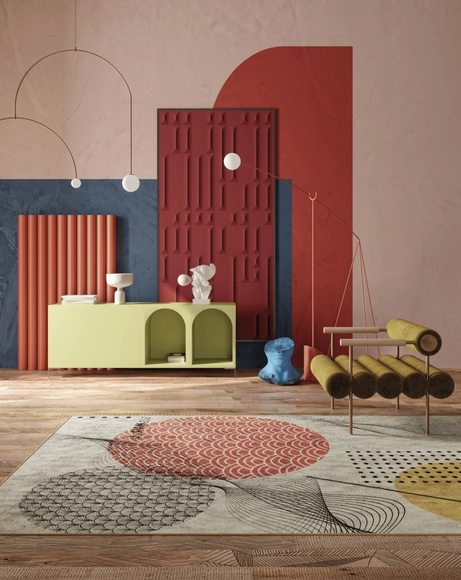
When looking for inspiration for one’s home, the search for and observation of beauty in the surrounding world is often what fuels creative passion and gives rise to the desire to create something equally beautiful. It is essential, in these cases, to find designs that make homeowners feel at ease in their home environment, which is where Inkiostro Bianco comes in.
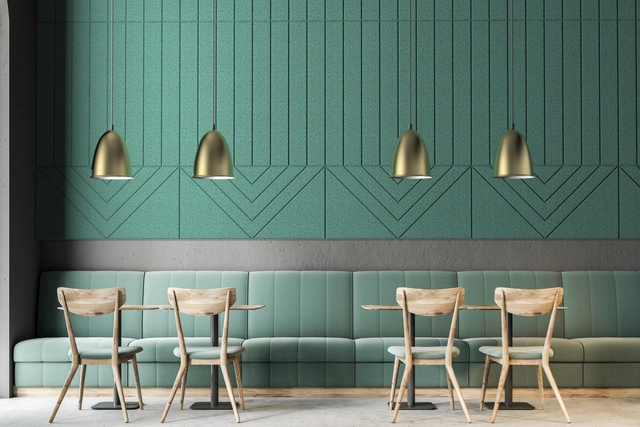
Acoustical comfort is a critical element of interior design that should never be neglected, especially in shared spaces such as restaurants, convention centers, museums, sports halls, and many others. Good acoustics can contribute to the occupants' well-being and productivity, while poor acoustics can lead to stress, fatigue, and even hearing damage. This can occur due to external noise, from various sound sources, or impacts (such as footsteps, jumping or moving furniture), but also due to the reflection of sound waves inside the environment, generating echoes and reverberations and reducing the intelligibility of speech in space.
Impressionist artists used the effect of "Optical Mixing" to create the illusion of color. By using short, separate brushstrokes of pure tones directly onto the canvas, the colors visually blended together as the observers moved away from the painting. For example, when painting a body of water, Claude Monet might have applied strokes of pure blue to represent the shadow areas and strokes of yellow to represent the light areas, which created the illusion of a green color, even though the painter had not actually added that particular hue to the canvas. In other words, each brushstroke has its own specific role in a painting, but also works for the whole image that is being created, through a careful choice of the elements present in the artist's palette.
One of Paulo Mendes da Rocha's main design gestures in the Pinacoteca renovation project was to create a new longitudinal axis for circulation, moving its entrance to the south face of the building. Metallic walkways, which cross internal courtyards covered by skylights, enable new dynamics of circulation between the rooms, transforming a neoclassical building into a museum with a contemporary program.
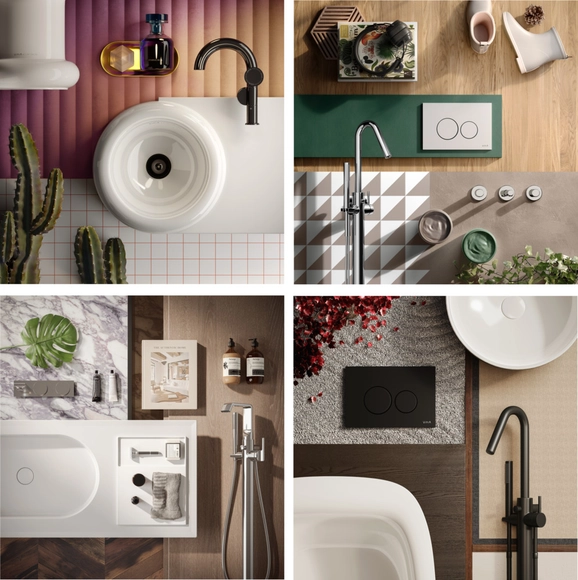
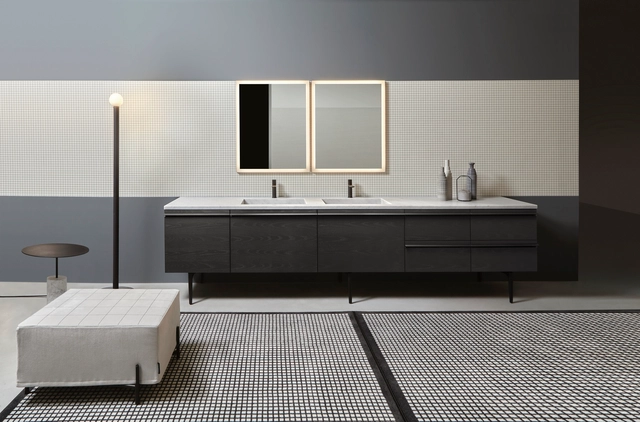
Throughout history, the functional essence of bathrooms has remained unchanged due to their design being shaped by biological parameters. Initially, the function of bathrooms was solely related to hygiene and waste management, resulting in the conception of bathrooms as unhealthy and merely utilitarian spaces. This led to their separation from the rest of the spaces designated for coexistence.
https://www.archdaily.com/998711/pushing-the-limits-of-bathroom-furnishing-through-tailor-made-designEnrique Tovar
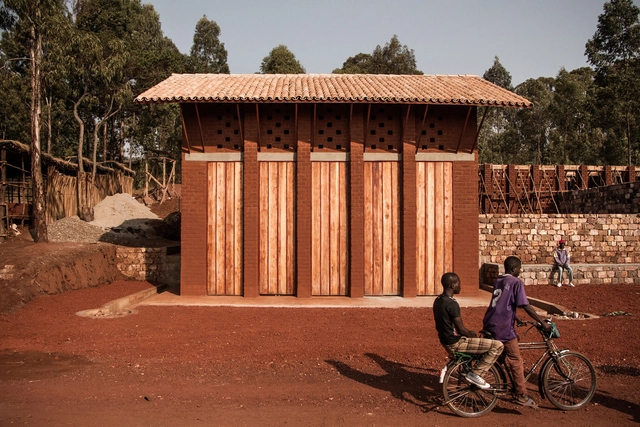
Library of Muyinga. Image Courtesy of BC Architects
Nowadays, the understanding of our building culture and the application of local construction methods may seem like a distant and obsolete concept given the role of industrialization and globalization in the construction industry. We can now obtain almost any material from around the globe just by searching the internet for a distributor in our region. But this practice has important implications for our society, from the loss of architectural identity to environmental costs related to high CO₂ emissions associated with the processes of extraction, manufacturing, transportation, and disposal of these materials.
https://www.archdaily.com/999074/building-with-waste-transforming-excavated-earth-into-architectureEnrique Tovar
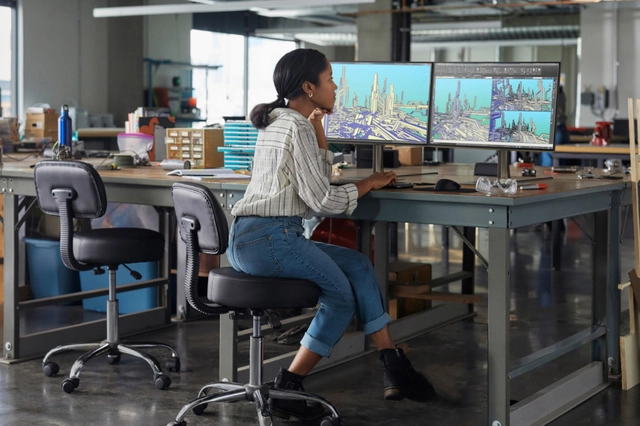
Do you remember seeing images of designers leaning over large sheets of paper, usually in spaces that resemble warehouses, concentrating on their own technical drawings? While some may view these images with nostalgia for a simpler time as a sign of working passionately in the architecture, engineering and construction industry, many others might shudder at the thought of doing an entire project with an India ink pen, and especially without the convenience of the Undo tool (CTRL+ Z or command + Z). From the first CAD programs to the powerful modeling programs we have today, computing technology has radically transformed the landscape of AECO offices. In the past, integrating multiple designs required overlapping sheets of tracing paper; but today, we have a variety of software that produce files with numerous extensions, saved versions, sizes, and which often require powerful machines to run. With the growing adoption of remote and hybrid work in AEC organizations, implementing the right computer systems can be a major challenge.
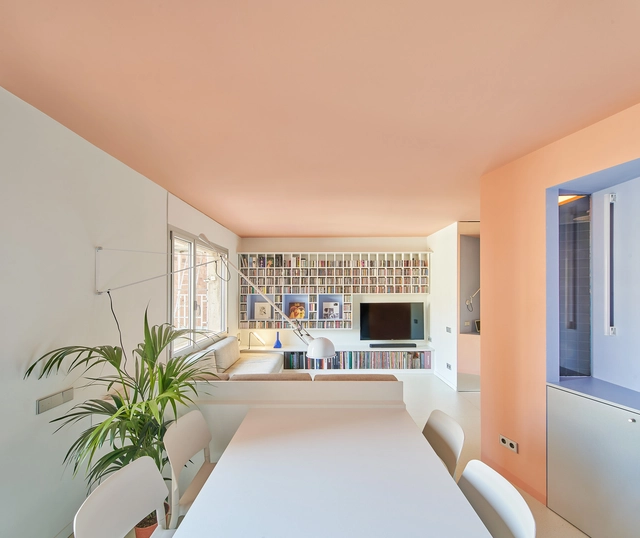
With a high proportion of white mixed with a small amount of colorful pigments, pastel colors provide a range of pale, subdued tones. Related to soothing and calming environments, these colors have a timeless quality and can be seen throughout different architectural styles, such as rococo, art déco or the mid-century modern years. Applied in exteriors, interiors, or both, pastel tones make rooms feel more light, airy and spacious.
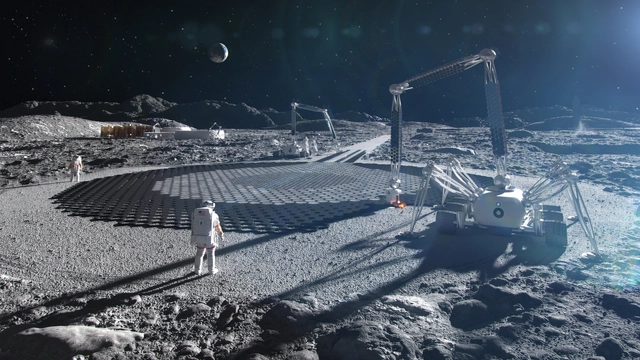
A new award from NASA will support ICON in developing construction technology that could be used on the Moon and Mars. Image Courtesy of ICON/BIG-Bjarke Ingels Group
From inflatable and 3D-printed structures to entire habitats, architecture plays an unprecedented role in space exploration missions. As NASA plans for long-term human exploration of the Moon and Mars under Artemis and CHAPEA missions, new technologies are required to meet the unique challenges of living and working in another world. In response, figures like Buckminster Fuller, Foster + Partners, SOM, and BIG-Bjarke Ingels Group, in collaboration with emerging businesses such as ICON and SEArch+, have nourished the architectural catalog in outer space.
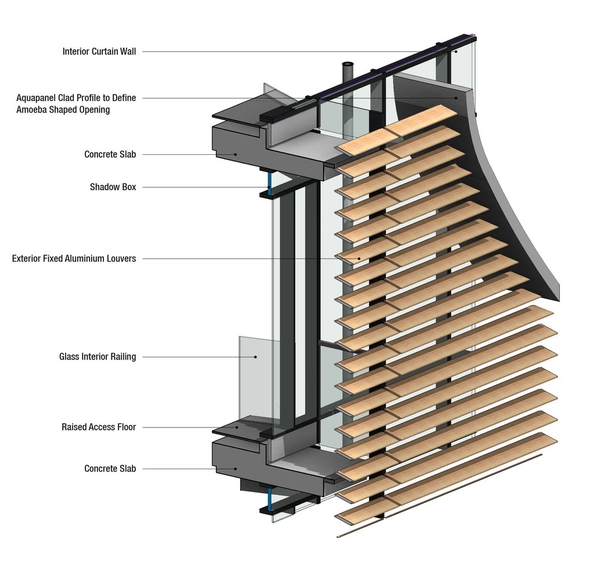
SAP Headquarters / Yashar Architects. Image Courtesy of Yashar Architects
In architecture, choosing the right construction materials is crucial to improve efficiency, ensure structural integrity and maximize performance, ultimately setting the standard for the finished product. But because any building – from its outer skin to its framing system – consists of many layers and parts, understanding how these fit and work can be just as important during design and manufacture. Technical specification of materials and constructive systems plays a key role in conveying this information, providing all of the necessary knowledge, properties and characteristics for any successful project. After all, the more you know about what lies between walls and behind finishes, the better your architecture will be.
Videos
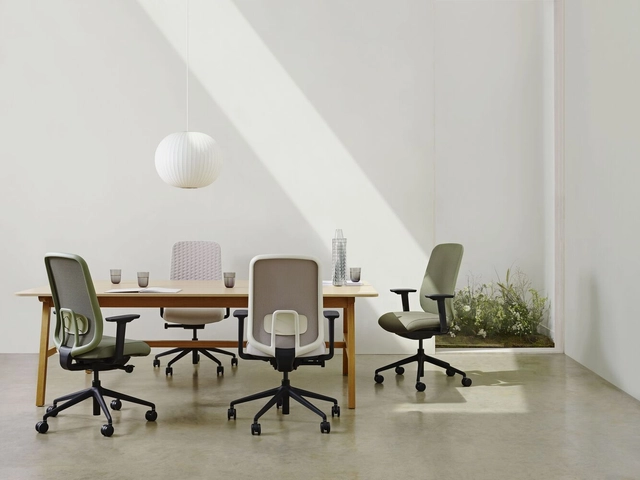
Sia Task Chair. Image Courtesy of Boss Design
Choosing the appropriate working elements –such as furniture, lighting, flooring, and other equipment– is key for creating an optimal workplace environment. With a positive impact on productivity, as well as the comfort and well-being of team members, designing workplace elements that integrate sustainable, wellness and aesthetic qualities implies a deep understanding of the interactions between these three areas. Minimizing the environmental impact and prioritizing well-being throughout the design process, while also considering the resulting aesthetics, Boss Design’s Sia Task Chair defines a new standard for workplace design.
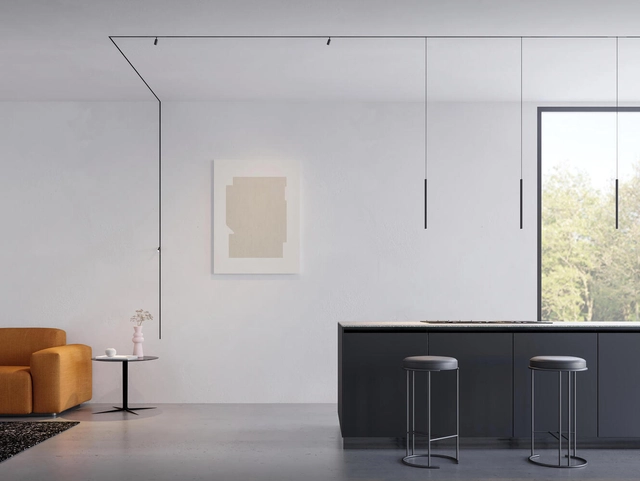
A minimal lighting framework for an open plan living space, Outline Ambient hosts a strategic combination of pendants and projectors. Image Courtesy of Reggiani
We are living in an era of active interiors where shifting perimeters, flexible set ups and agile activities are truly testing the limits of design; workspaces are hybrid, retail installations are ever-evolving and cultural spaces are multi-dimensional. Amidst changing scenarios, lighting is key to shaping interior spaces with just the right amount of mood, drama or practical spotlighting. To meet the demands of these cutting-edge interiors, lighting today must provide a solid framework that can embrace both changing dynamics and high quality consistency – offering flexibility, precision control and a timeless aesthetic.
Architects have always considered the positive influence of natural light on the health and mood of a building's occupants, but measuring its actual benefits was a challenge for a long time. However, the past few decades have seen significant progress in this area, with research such as the comprehensive study conducted by the Heschong Mahone Group, which analyzed more than 21,000 student tests in three school districts in California, Washington, and Colorado. The results showed that students in classrooms with more natural light had a 20% faster learning progress in math tests and 26% on reading tests, compared to students in classrooms with less natural light. Many other studies reinforce that including natural light in spaces has immense long-term benefits for societies, especially during a child's valuable formative years, who spend about 90% of their time indoors and about 200 days a year in classrooms.