In the face of a climate emergency, various fields are under pressure to reformulate their operations and actions, and architecture is no exception. After all, the built environment and the construction industry are responsible for a considerable percentage of carbon gas emissions into the atmosphere. Rethinking and restructuring the construction chain - from design to execution - is the order of the day for construction professionals.
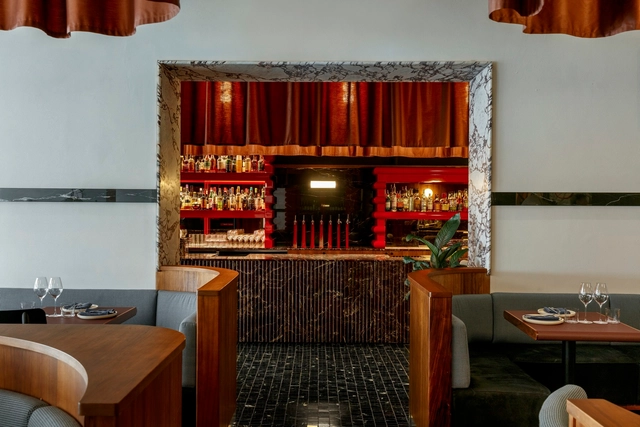
In the competitive world of restaurants – particularly at a time when influencers are gaining more and more control over the sphere of fine dining –, creating a memorable meal experience is crucial for attracting and retaining customers. While factors like food quality and service certainly play pivotal roles in making diners return to their eatery of choice, the impact that restaurant interiors can have on an establishment's longevity should not be overlooked. Among the various elements contributing to a memorable ambiance, color takes center stage. We delve into the significance of striking the right tone in restaurant design through 20 projects from our ArchDaily database.
With its unique blend of form, function, and sustainability, bamboo architecture stands out due to its complex geometries, tridimensional spatiality, and heavy reliance on craftsmanship. For many years, physical models have been central to materializing architects' visions and conveying intricate designs to the skilled craftspeople responsible for construction. Now, we are in the midst of a paradigm shift. The digital revolution is bringing computer-aided and parametric design tools to the forefront, unlocking bamboo's potential in ways never before imagined. This evolution presents exciting possibilities and new challenges for builders and craftsmen alike.
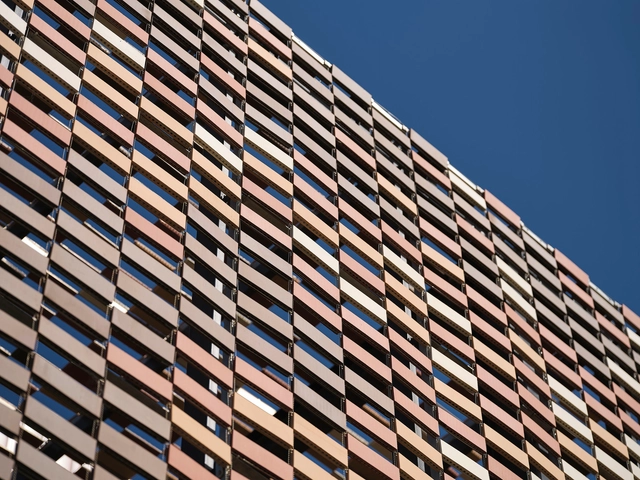
There are many building materials that have experienced minimal changes since their initial inception in the field of architecture. However, this does not imply that they are outdated, but rather that their qualities and simplicity make them highly versatile materials also demonstrate the resilience and durability of materials that withstand the test of time. An example of this is brick, a timeless material that has been able to adapt over the years, serving functions such as walls, cladding, and flooring, among others. Under this premise, Louis Khan referred to the expressive possibilities of brick, stating, "Even a brick wants to be something. It aspires."
https://www.archdaily.com/1003807/algorithm-based-architecture-flexible-bricks-to-wrap-architectural-spacesEnrique Tovar
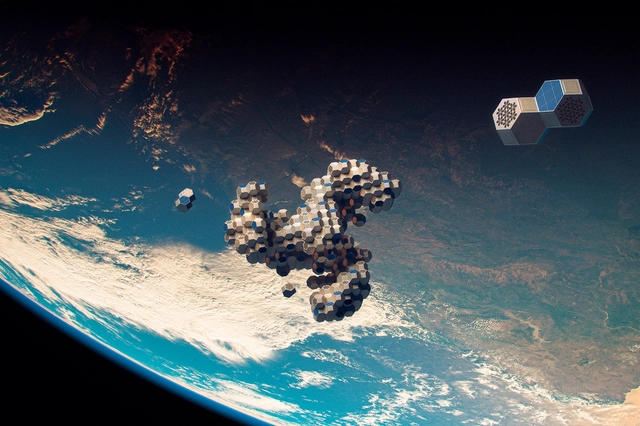
Architecture is likely to exist in any place or physical space inhabited by human beings. Moreover, our inherent curiosity and exploratory spirit constitute an integral aspect of our humanity. Fueled by our inventive capacity, drives us to venture into future scenarios that we can explore as individuals and as a society. Consequently, the possibility of a future in space has sparked the imagination of scientists and designers, resulting in conceptual and science fiction designs where human beings inhabit space.
https://www.archdaily.com/1001762/architecture-for-inhabiting-space-tessellated-reconfigurable-structures-for-adaptive-environmentsEnrique Tovar
The geological period we currently inhabit is known as the Anthropocene, defined by the substantial human impact on Earth's ecosystems and geology. In contrast, the Symbiocene, a term coined by Australian philosopher and environmentalist Glenn Albrecht, presents a vision of the future characterized by a positive and symbiotic relationship between humans and the natural world. In the Symbiocene era, humans actively collaborate with nature, acknowledging their interdependence with Earth's ecosystems and striving to regenerate and restore the natural environment, thus creating a more harmonious and sustainable world.
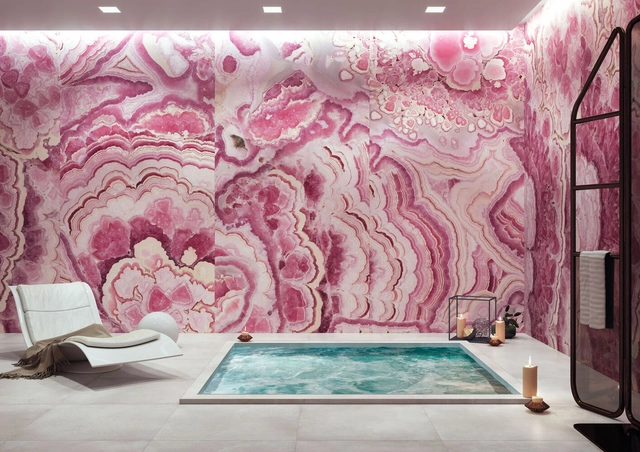
Rock salt is a chemical sedimentary rock that forms through the evaporation of water, as minerals dissolve and settle down. When excavated directly from the earth, it maintains a cube-shaped crystalline form. With its diverse textures, compositions and structures, this natural element has captivated human interest for centuries. Depending on the region and environmental conditions, salt rock has been found in diverse applications in architecture, such as a construction material that uses blocks of salt to build structures, bricks, or tiles. Often translucent, these bricks allow diffused light to enter interior spaces, creating a unique atmosphere and aesthetic appeal.
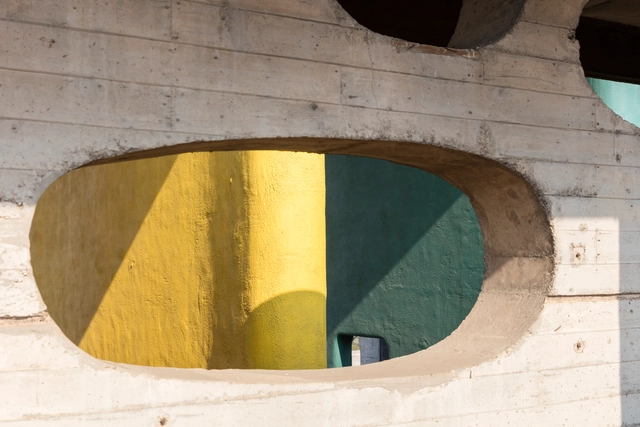
The work of the French-Swiss architect Charles-Édouard Jeanneret is, among many other adjectives, comprehensive. Le Corbusier explored a wide range of scales in his work, from furniture design to urban planning for entire cities. His diverse portfolio also encompassed painting, varied projects, and writing books. One thing that isn't talked about as much, however, was the color theory he developed and applied to several of his architectural designs and artistic endeavors. Deeply rooted in his belief that color plays a significant role in evoking emotions and creating spatial illusions, Le Corbusier's color theory was described in his book "PolyChromie Architecturale" (polychrome architecture), published in 1931. There, he introduced his concept and a carefully curated range of colors that were intended to be used in specific architectural contexts.
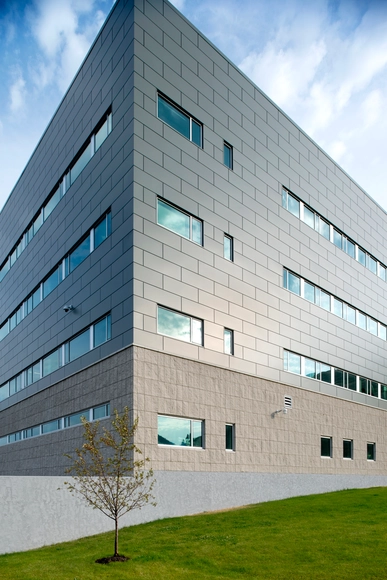
Architects and builders often opt for metal panels due to their exceptional qualities: durability, affordability, and versatility. These attributes hold immense value for construction professionals, who constantly seek cost-effective solutions. Moreover, when a product seamlessly merges desired aesthetics with optimal performance, it becomes a highly sought-after choice for a diverse range of projects.
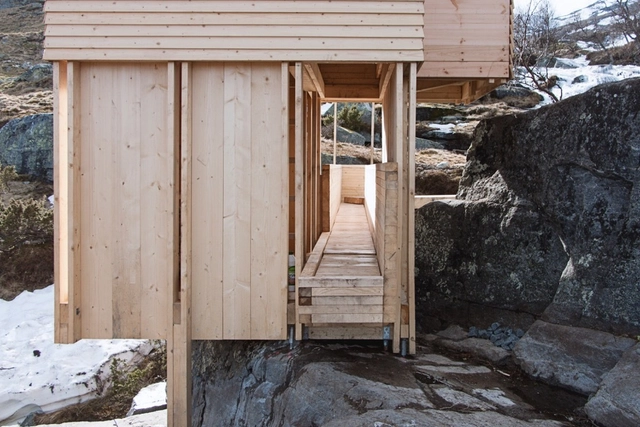
ELDMØLLA Sauna / Arkitekt August Schmidt + Workshop NTNU-Trondheim + Arnstein Gilberg + Ina Samdal. Image Courtesy of Workshop NTNU-Trondheim
Due to its specific characteristics, the architecture of the sauna is interesting because it gives us lessons related to efficiency and the beauty of simplicity. These are generally very basic structures with a clear function, created to contain different levels of heat and humidity. Thanks to this steam bath, people can release toxins and improve their blood circulation. In addition, they are widely used in cold climates, in close proximity to nature and utilizing the presence of water.
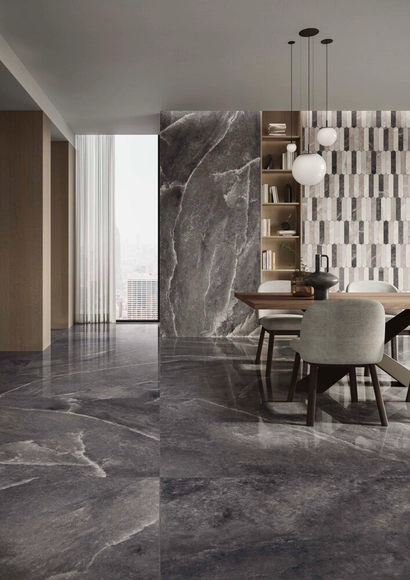
Prominent surfaces play a fundamental role in creating memorable interiors. One example in architectural history is Mies van der Rohe's Barcelona Pavilion, recognized as a landmark of modernism. The marble claddings in the pavilion are iconic elements, symbolizing the architect's commitment to material quality, craftsmanship, and the creation of spaces that transcend time and inspire. With the aim of establishing an atmosphere of elegance, sophistication, and timelessness, connecting classical architecture with contemporary design through a shared material, onyx, travertine marble, and green marble are used in the claddings, transforming the wall surfaces into striking focal points that captivate visitors in a visually captivating experience.
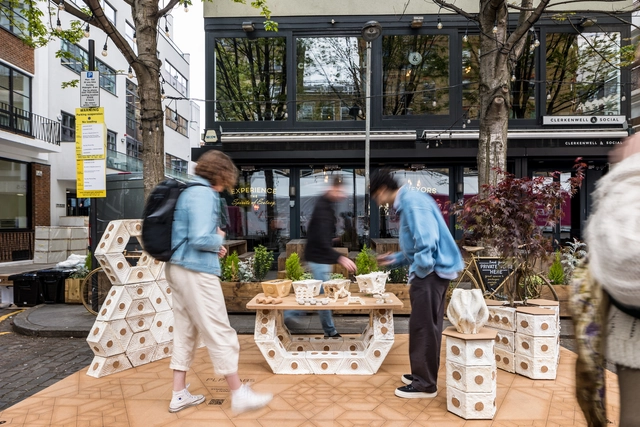
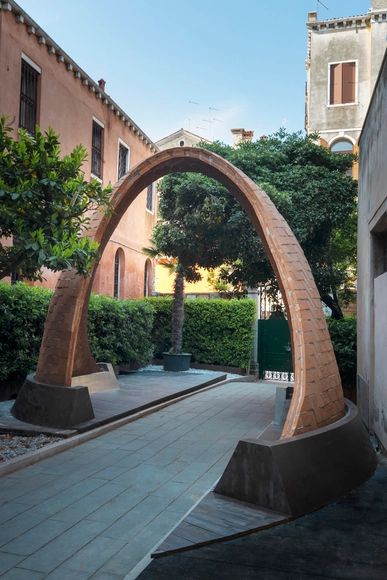
The European Cultural Centre (ECC), a non-profit organization dedicated to fostering cultural exchanges on an international scale, showcased its sixth edition of the Time Space Existence architecture exhibition alongside this year's Venice Architecture Biennale. The 2023 installment was centered on the theme of sustainability in its various forms, encompassing subjects related to migration,digital building technologies and material research, future urban developments, and housing, bringing together architects, designers, artists, academics, and photographers from 52 different countries.
Architecture encompasses a comprehensive design process that incorporates various steps and considerations for transforming abstract ideas into well-designed and functional projects. While specific approaches may vary, this dynamic and iterative process involves understanding the requirements, goals, and constraints of each case, followed by a conceptual design and detailed development of the spatial organization, relationships, and aesthetic aspects. It concludes with a construction and post-occupancy evaluation. Creativity, collaboration, problem-solving, and previous site analysis guide the creation of functional and aesthetically pleasing designs.
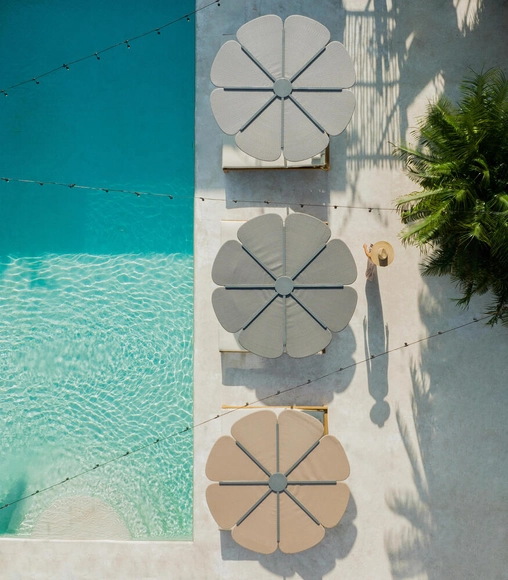
Sun protection is a universal need for human beings. While sunlight benefits our health and mood, it is also essential to protect ourselves from its harmful effects on our well-being and comfort. Throughout history, architecture has provided solutions to this need by offering shelter and comfort in shaded areas. Since ancient Egypt, sunshades made of palm leaves attached to a pole have been used to protect against the sun in open spaces.
https://www.archdaily.com/1002858/aesthetic-accents-flower-shaped-umbrellas-that-fuse-beauty-and-utilityEnrique Tovar
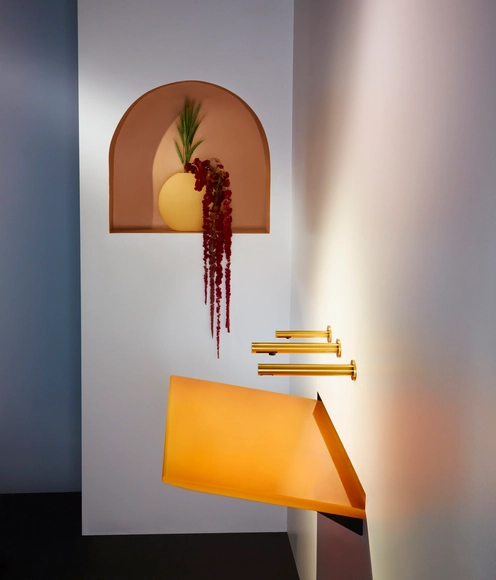
When designing contemporary restroom solutions, for both residential and various commercial settings such as corporate, commercial, public, and hospitality purposes, different approaches can shape the design strategy. In line with the latest ongoing discoveries and styles, the use of disruptive material strategies and the presence of minimal and muted lines and color palettes seem to be predominant when creating cutting-edge bathroom designs. Disruptive design aims to enhance functionality, sustainability, and aesthetics through the integration of different features such as smart technologies or modular units, while minimal strategies emphasize simplicity, clean lines, and a luminous color scheme to create soothing and sophisticated environments.
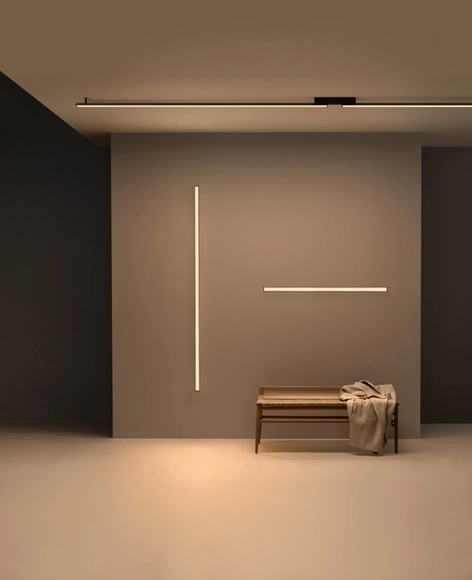
In the realm of architecture and interior design, lighting is a pivotal force in enhancing the overall atmosphere of a space. A harmonious interplay of light and design can elevate the ambiance and functionality of any architectural environment. Through meticulous attention to detail and innovative design principles, architects and designers can craft spaces that are not only visually stunning but also experientially enriching. By carefully considering these factors, creative architectural spaces can be brought to life, evoking emotions and transforming the way we perceive and interact with our surroundings.
https://www.archdaily.com/1003295/light-through-lines-seamless-design-for-creative-architectural-spacesEnrique Tovar
Low-carbon Material Solution - ECOPlanet. Image Courtesy of Holcim
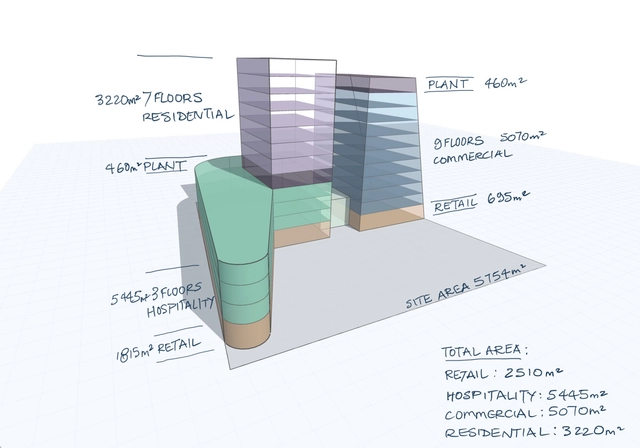
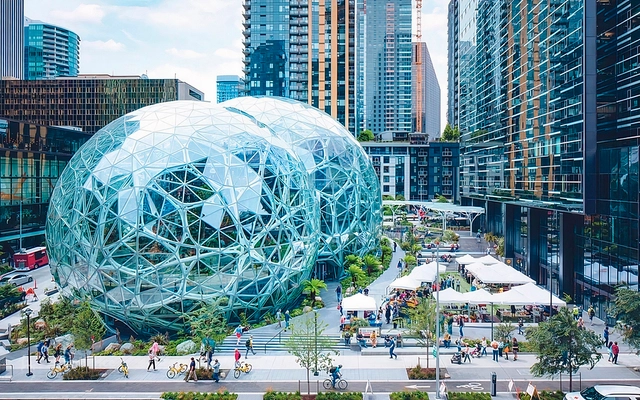
Cities are defined as densely populated geographic areas characterized by urban development. They serve as economic, political, and cultural centers, offering various services, infrastructure, and opportunities. However, urban densification has been associated with negative aspects such as health issues, pollution, and social problems. Countries like India and China, with their massive populations exceeding billions, face a significant demand for services and housing.
https://www.archdaily.com/1003021/rethinking-urban-development-densifying-cities-for-accelerated-climate-actionEnrique Tovar
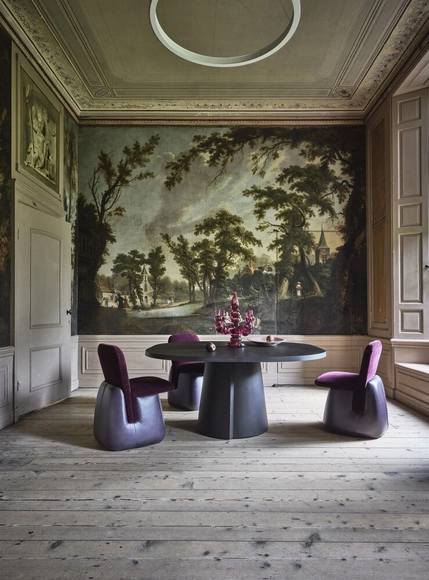
Curved design has a timeless appeal that has captivated designers throughout history, transcending mere functionality and aesthetics in interior furnishings. Incorporating curves adds captivating visual appeal, infusing spaces with intrigue and a sense of harmonious flow. Furthermore, curved furniture has the ability to transform the spatial dynamics of an environment, introducing fluidity and softness into a world often dominated by rigid, linear forms. While curves are sometimes associated with an old-fashioned look, contemporary curvilinear furniture presents a fresh and modern approach, combining elements of softness, comfort, and simplicity.