
-
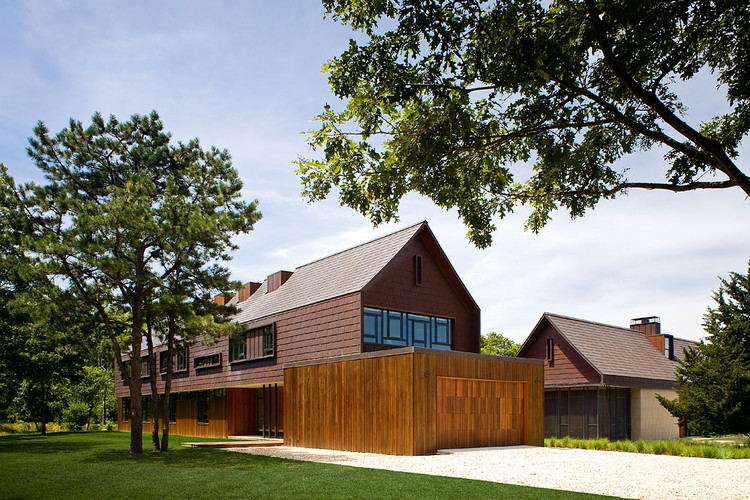
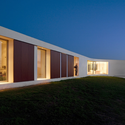
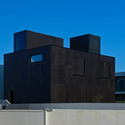
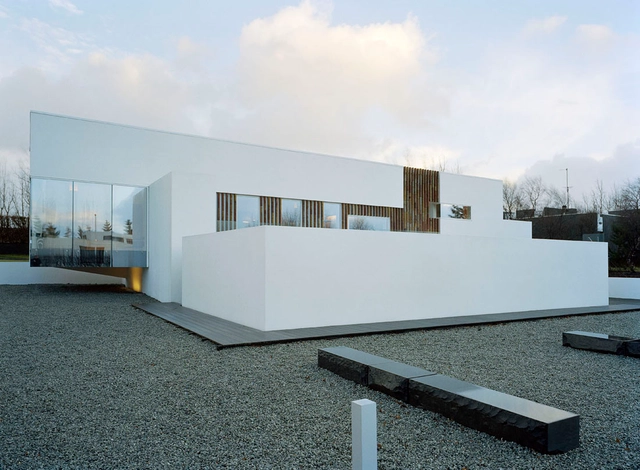
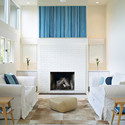
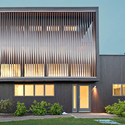
Architects: Bates Masi Architects
- Year: 2007


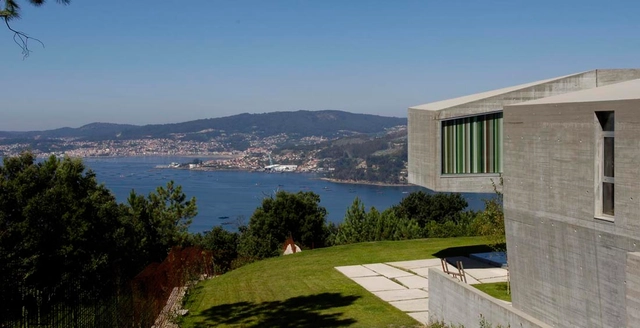

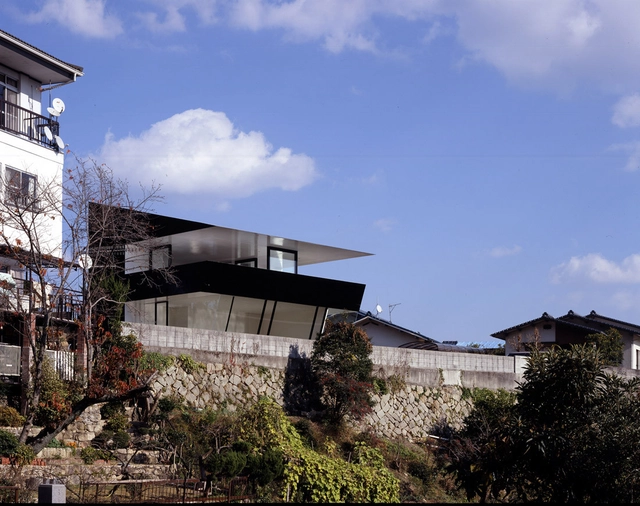
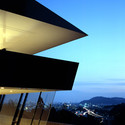
Sander Architects have designed a residence for the historic Movie Colony of Palm Springs that can combat the site’s harsh environment. Facing the San Jacinto mountains, the house features a simple roof that opens to the home toward the surroundings. With temperatures in Palm Springs reaching over a stifling 120 degrees, the western exposure of the home ”has created an enormously difficult problem with solar exposure”. Sander’s design of a fifteen-foot horizontal cantilever reduces (to practically zero) the time when the setting summer sun’s rays will penetrate the interiors; however, the cantilever is angled in such a way to allow winter sun to ”more readily enter the house to warm it when the weather turns colder.”
More about the residence after the break.


Australian architects Bellemo & Cat have sent us a few interesting projects that we’ll feature on ArchDaily. The first one is Balga, a coastal house located in the state of Victoria, southeast of Australia. The house was completed in 2006 in Point Lonsdale. See more images and architect’s description, after the break.


Our friends from Le 2 Workshop sent us House on the Water, a self-sufficient house for nomadic life offshore. Designed as a rental house for people who want to be independent it’s available only through water. It is located by Navagio beach, NW coast of the Greek Zante island.
The orientation was developed to maximize the use of solar energy. Strong decisions and consequence in driving its proportions guarantee the uniqueness of (formo)design. Dynamic and simple form are the result of the yach architecture interpretation. The core, made of concrete, is combined with steel cantilever structures. Foundation for the house is a concrete counterweight foot stabilizet with the sea bed pile system.The floating deck, which rises with the water level thanks to the railing installed in the core structure, leads you to the stairway. The top deck is available for the residents as well.
Eco-friendly features like the water desalination, energy accumulation, ventilation methods, water recycling, heat and energy consumption, tidal and solar energy systems are all there. HotW was designed to be sustainable. It is not only the installations, but it’s form and orientation. Vertical lines on the facade are the rails for computer driven shading system.
More images after the break.


For the Tic-Tac House, FGMF based their work on a simple everyday object, the clock. “It expresses the constant need for change: nobody acts the same way in the morning, afternoon or evening. No one even reacts the same way to different seasons… so why should our houses be always the same?” they explain. The building is a light pre-fab structure, made up of five modules. The central module acts as the kitchen and bathroom core of the house, while the remaining four rotate and can be reconfigured independently to suit the owner’s mood and the demands of the weather.
Take a look at all the model images and some renders after the break.