1. ArchDaily
  2. flood control

flood control: The Latest Architecture and News

In the Wake of the 2024 Floods in Southern Brazil: Restore the Past or Rethink the Future?

Audio available

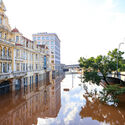
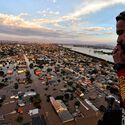
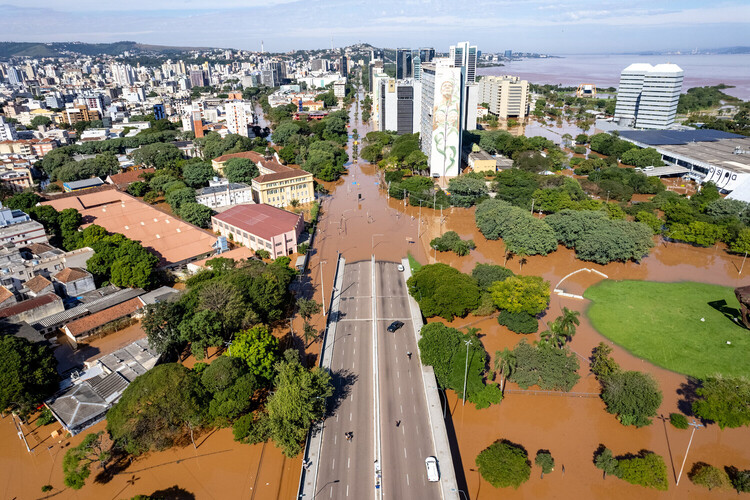
In May 2024, the floods that hit Rio Grande do Sul exposed a contradiction common to contemporary cities. Many were built alongside rivers and shaped by their presence, yet spent decades trying to control water without incorporating its dynamics into urban planning. Extreme weather events will intensify that vulnerability. More than two years later, reconstruction in the Brazilian state has progressed, infrastructure has been restored, and new protection strategies are taking shape. But are these cities rebuilding their relationship with water, or only restoring the systems that failed?

The occupation of flood-prone areas, soil sealing, ecosystem degradation, and reliance on aging drainage systems have increased municipalities' vulnerability. The disaster was not merely hydrological; it also resulted from decades of urban planning decisions that urgently need reconsideration. 

In the Wake of the 2024 Floods in Southern Brazil: Restore the Past or Rethink the Future? - 1 的图像 4In the Wake of the 2024 Floods in Southern Brazil: Restore the Past or Rethink the Future? - 2 的图像 4In the Wake of the 2024 Floods in Southern Brazil: Restore the Past or Rethink the Future? - 3 的图像 4In the Wake of the 2024 Floods in Southern Brazil: Restore the Past or Rethink the Future? - 4 的图像 4In the Wake of the 2024 Floods in Southern Brazil: Restore the Past or Rethink the Future? - More Images+ 5

No Solid Ground: Three Approaches to Building Below Sea Level in Rotterdam

Audio available

Architects carefully calibrate their relationship to the earth, adjusting foundations to soil, groundwater, climate, risk, and culture. Driven timber piles, rammed-earth platforms, and poured concrete slabs are each a response to a specific set of ground conditions, and each shapes the architecture that rises from it. The way a building meets the earth determines its durability and its limits because foundations are among the most consequential design choices an architect makes.

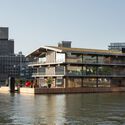
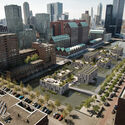
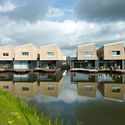
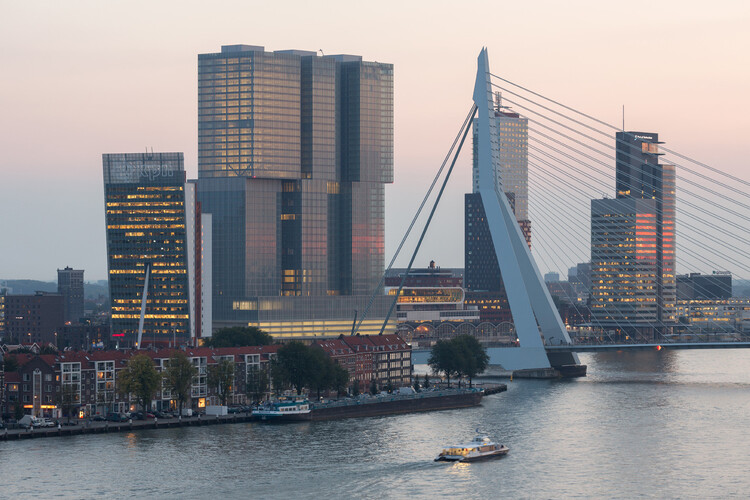
The city of Rotterdam sits approximately one meter below sea level, an organizing condition that shapes daily life in the Netherlands' second-largest city and is a growing preoccupation amid unstable coastal conditions. The city occupies the delta of the Rhine and Maas rivers, a landscape that was never naturally dry but has been kept functional through centuries of hydraulic intervention. The water boards in this region are among the oldest democratic institutions in the world, created in the thirteenth century to manage shared water drainage and still operating today as elected bodies with technical capacity. As sea levels rise and rainfall across Northern Europe grows less predictable and more extreme, Rotterdam faces a significantly increased risk of coastal storm surges and urban flooding driven by overwhelmed drainage infrastructure.

No Solid Ground: Three Approaches to Building Below Sea Level in Rotterdam - Imagen 16 de 4No Solid Ground: Three Approaches to Building Below Sea Level in Rotterdam - Imagen 57 de 4No Solid Ground: Three Approaches to Building Below Sea Level in Rotterdam - Imagen 25 de 4No Solid Ground: Three Approaches to Building Below Sea Level in Rotterdam - Imagen 54 de 4No Solid Ground: Three Approaches to Building Below Sea Level in Rotterdam - More Images+ 65

Subscriber Access

Absorb, Filter, Store: 9 Projects Showcasing How Sponge Cities Adapt to Climate Challenges

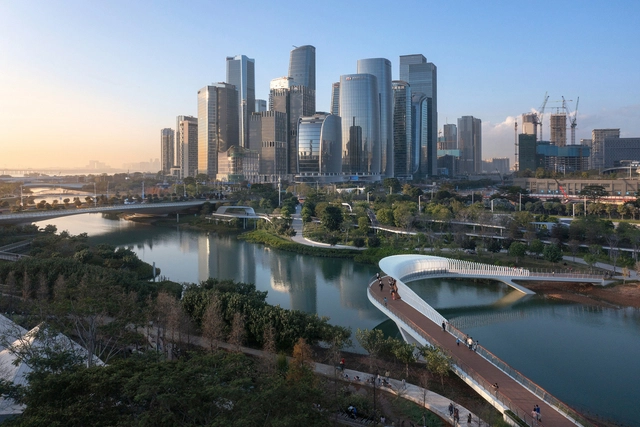
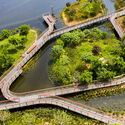
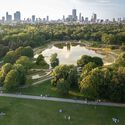
The concept of "sponge cities" has gained prominence since it was introduced by Chinese landscape architect Kongjian Yu, founder of Turenscape, and was officially adopted as a national policy in China in 2013 to combat urban flooding. This approach prioritizes nature-based infrastructure such as wetlands, rain gardens, and permeable pavements, creating landscapes with porous soil where native plants can thrive with minimal maintenance. When it rains, these systems absorb and slow down water flow, reducing flood risks. In contrast, traditional concrete- and pipe-based drainage solutions, though widely used, are costly, rigid, and require frequent maintenance, sometimes even making cities more vulnerable to flooding due to blockages and overflows.

Absorb, Filter, Store: 9 Projects  Showcasing How Sponge Cities Adapt to Climate Challenges - Image 1 of 4Absorb, Filter, Store: 9 Projects  Showcasing How Sponge Cities Adapt to Climate Challenges - Image 2 of 4Absorb, Filter, Store: 9 Projects  Showcasing How Sponge Cities Adapt to Climate Challenges - Image 3 of 4Absorb, Filter, Store: 9 Projects  Showcasing How Sponge Cities Adapt to Climate Challenges - Image 4 of 4Absorb, Filter, Store: 9 Projects  Showcasing How Sponge Cities Adapt to Climate Challenges - More Images+ 5