Public Play Space (PPS) is launching a Call for Best Practices for projects and concepts focusing on innovative and creative practices for the co-design of inclusive, cohesive, and sustainable public spaces and cities, through the use of games and digital technologies.
Indigenous co-design—a more specific form of the general concept of co-design in which an architect collaborates with a stakeholder community—is a collaborative design process between architects and the Indigenous community as the client. The Royal Architectural Institute of Canada (RAIC) recently released a unique resource aimed at designers, clients, funders and policymakers looking for a guide in Indigenous co-design.
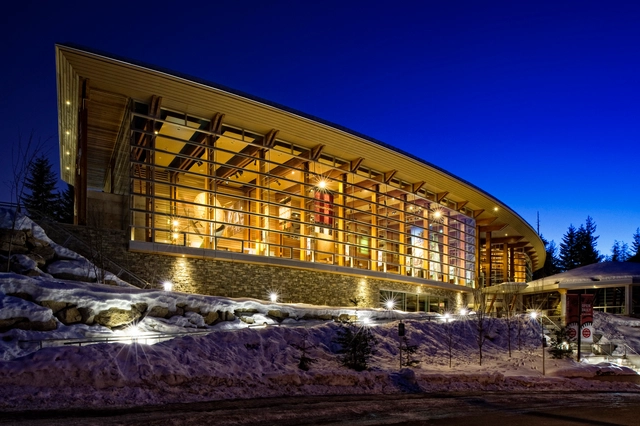
Four Case Studies Exemplifying Best Practices in Architectural Co-design and Building with First Nationsbuilds on the success of the RAIC International Indigenous Architecture and Design Symposium held in May 2017. The four case studies set out to explore best practices in Indigenous co-design in the context of three First Nations and one Inuit community in Canada, with one case study selected from each of the four asset classes: "schools, community and cultural centers, administration and business centers, and housing."
“Pop-Up,” “DIY,” “Kickstarter” “LQC” (That’s lighter, quicker, cheaper for the unfamiliar). Urbanisms of the People have been getting awfully catch-phrasey these days. What all these types of DIY Urbanisms share is a can-do spirit, a “Hacker” mentality: people are taking back their cities, without any “expert” help.
Unfortunately, of course, this mindset creates an anti-establishment (often, anti-architect) antagonism that would render any wide-spread change nigh impossible. Yes, the DIY movement, facilitated by the use of technology, is excellent for getting people involved, for encouraging important, innovative ideas – in the short-term.
As Alexandra Lange recently pointed out in her post “Against Kickstarter Urbanism,” technology is not a “magic wand,” and crowdsourcing initiatives often fall short in the day-to-day, nitty-gritty work of a large-scale, long-term urban project.
But while technology certainly has its limitations, its potential to facilitate connection and communication is unparalleled. What is vital, however, is that the technology enhance, not replace, our physical relationships. Instead of using online platforms as divisive or purely conceptual forums, they must becomes tools of transparency and trust-building, mediators of a conversation that invests and connects all parties on the ground.