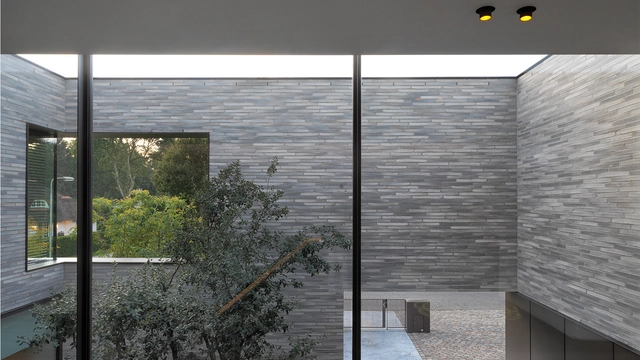
333 Kingsland Road & Hackney New Primary School / Henley Halebrown Architects. Image Courtesy of Henley Halebrown Architects
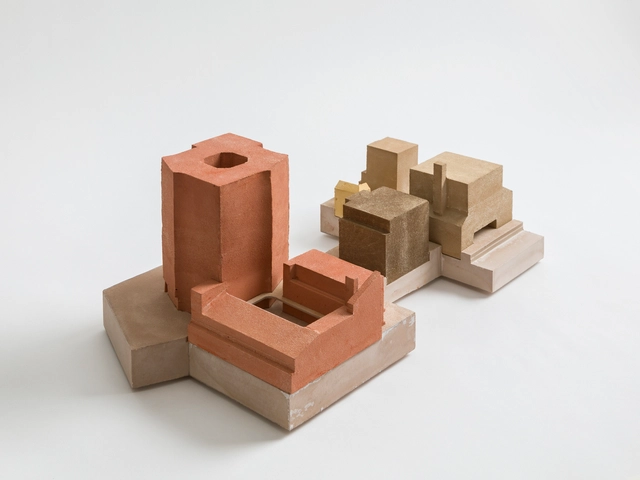
In an age where we have been going from hyperrealistic renders to digital models to the realm of the metaverse, physical architectural models have almost become a thing of the past. Nonetheless, whether it's to showcase the final project or to be used as a tool to explore different solutions to the same problem during the design phase, some architects still consider physical models part of their design process.
As we wrap up 2022, we take a look back at how this year introduced new adaptations to the way we live, work, and interact with our built environment, especially after emerging from years of unprecedented changes. One way to describe this year's design identity is that there isn't one. Going through this transitional period, inspiration came from foreign travels, immersive virtual worlds, being one with the planet and the serenity that came with it, platforms that promote expressionism and individuality, and a trend-setting generation known for its bold perspectives.
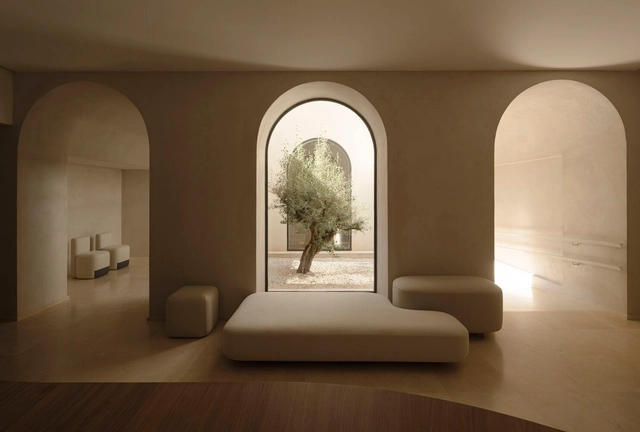
Largely driven by rural migration to cities and overall population growth, 68% of people worldwide will live in urban areas by 2050. By doing so, many will benefit from greater access to basic services, proximity to public transportation, and better education and employment opportunities. But the pursuit of living urbanized lives also leads to isolation from the outdoors –be it a forest, a meadow or the mountains– that can negatively impact our physical and mental health. Exposure to nature has long been proven to reduce stress levels, boost mood, foster productivity and, above all, enhance well-being. So, considering we typically spend around 93% of our time indoors (and that the pandemic has magnified that statistic), now more than ever we find ourselves seeking a connection with the outdoors and all its inherent benefits. Architects thus face the important challenge of bringing nature in, which is precisely where biophilic design comes into play.
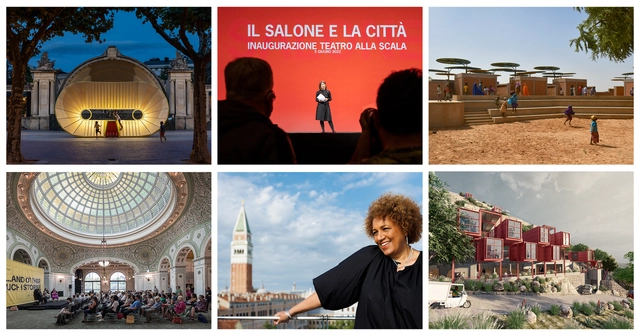
As expressed by 2023 Venice Architecture Biennale curator and architect Leslie Lokko, "after two of the most difficult and divisive years in living memory, architects have a unique opportunity to show the world what we do best: put forward ambitious and creative ideas that help us imagine a more equitable and optimistic future in common."