1. ArchDaily
  2. afro-diáspora

afro-diáspora: The Latest Architecture and News

Caribbean Urbanism: From Garífuna Roots to the Layered City of La Ceiba, Honduras

Audio available

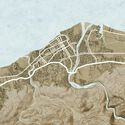
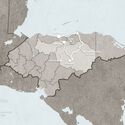
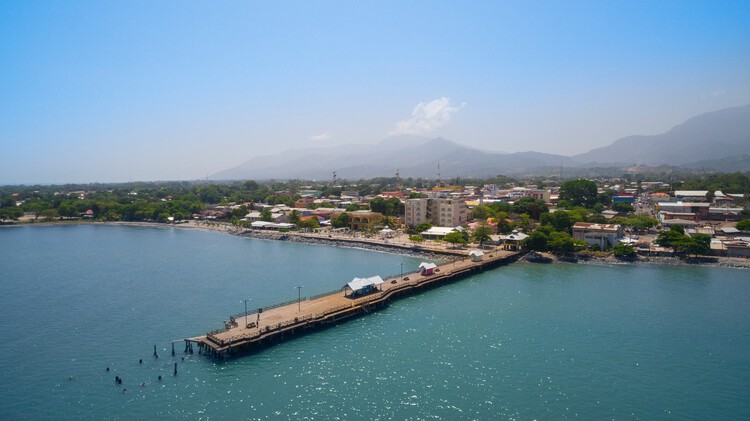
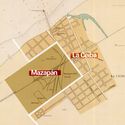
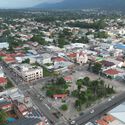
On the Caribbean coast of Honduras, lies the Leán valley, a narrow coastal strip lined by the Nombre de Dios Mountain Range to the South and the Caribbean Sea to the North. For a long time, this was the last frontier: dense jungle, swamps, no infrastructure, and difficult inland access. However, all of that started to change with the arrival of the Garífuna, who settled the area between the Danto and Cangrejal Rivers, setting the foundations of what would become the City of La Ceiba. An urban hub in the Honduran Caribbean whose history has been defined by migration waves: Central Americans, Afro-Caribbean people, Europeans, and corporate North America. These movements from all around the world did not merely contribute to economic growth, but actively produced the city's spatial logic, identity, and architectural form.
Caribbean Urbanism: From Garífuna Roots to the Layered City of La Ceiba, Honduras - Imagem 1 de 4Caribbean Urbanism: From Garífuna Roots to the Layered City of La Ceiba, Honduras - Imagem 2 de 4Caribbean Urbanism: From Garífuna Roots to the Layered City of La Ceiba, Honduras - Imagem 3 de 4Caribbean Urbanism: From Garífuna Roots to the Layered City of La Ceiba, Honduras - Imagem 4 de 4Caribbean Urbanism: From Garífuna Roots to the Layered City of La Ceiba, Honduras - More Images+ 6

Cambará Instituto Explores Bamboo as a Medium for an Afro-Brazilian Architecture Rooted in Ancestry and Collective Practices

Subscriber Access | 

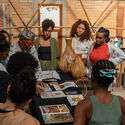
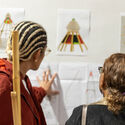
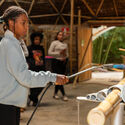
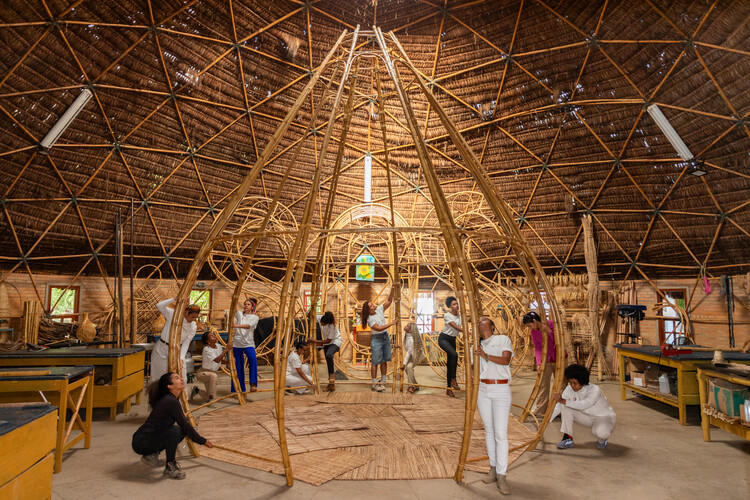
A bamboo structure rises as a space of convergence between technique, ancestry, and collective practice. OCO is the first work by Cambará Instituto, an organization that grew out of the Arquitetas Negras Project. Conceived during an artistic residency at Cerbambu, in Ravena (Minas Gerais), with support from re:arc institute, the project brought together ten black women architects who, over seven days of immersion in July this year, worked alongside master builder Lúcio Ventania to explore the constructive and symbolic potential of bamboo. The process culminated in the presentation of the work at the 14th International Architecture Biennial of São Paulo.

The experience sought to reconnect architectural practice with knowledges rooted in the body and the earth. The process encompassed every stage of production—from selecting and cutting the bamboo to curing and assembling it—resulting in a structure six meters high and five meters in diameter. Its design draws inspiration from the xossas of Benin and features straw from the African country at its top. The installation was also “clothed” with 220,000 beads, known as Our Lady’s Tears, handcrafted by forty elderly women in situations of social vulnerability who live in the same region where the residency took place—strengthening both community and economic bonds.

Cambará Instituto Explores Bamboo as a Medium for an Afro-Brazilian Architecture Rooted in Ancestry and Collective Practices - Image 1 of 4Cambará Instituto Explores Bamboo as a Medium for an Afro-Brazilian Architecture Rooted in Ancestry and Collective Practices - Image 2 of 4Cambará Instituto Explores Bamboo as a Medium for an Afro-Brazilian Architecture Rooted in Ancestry and Collective Practices - Image 3 of 4Cambará Instituto Explores Bamboo as a Medium for an Afro-Brazilian Architecture Rooted in Ancestry and Collective Practices - Image 4 of 4Cambará Instituto Explores Bamboo as a Medium for an Afro-Brazilian Architecture Rooted in Ancestry and Collective Practices - More Images+ 7